Hunting a Standing Soybean Field
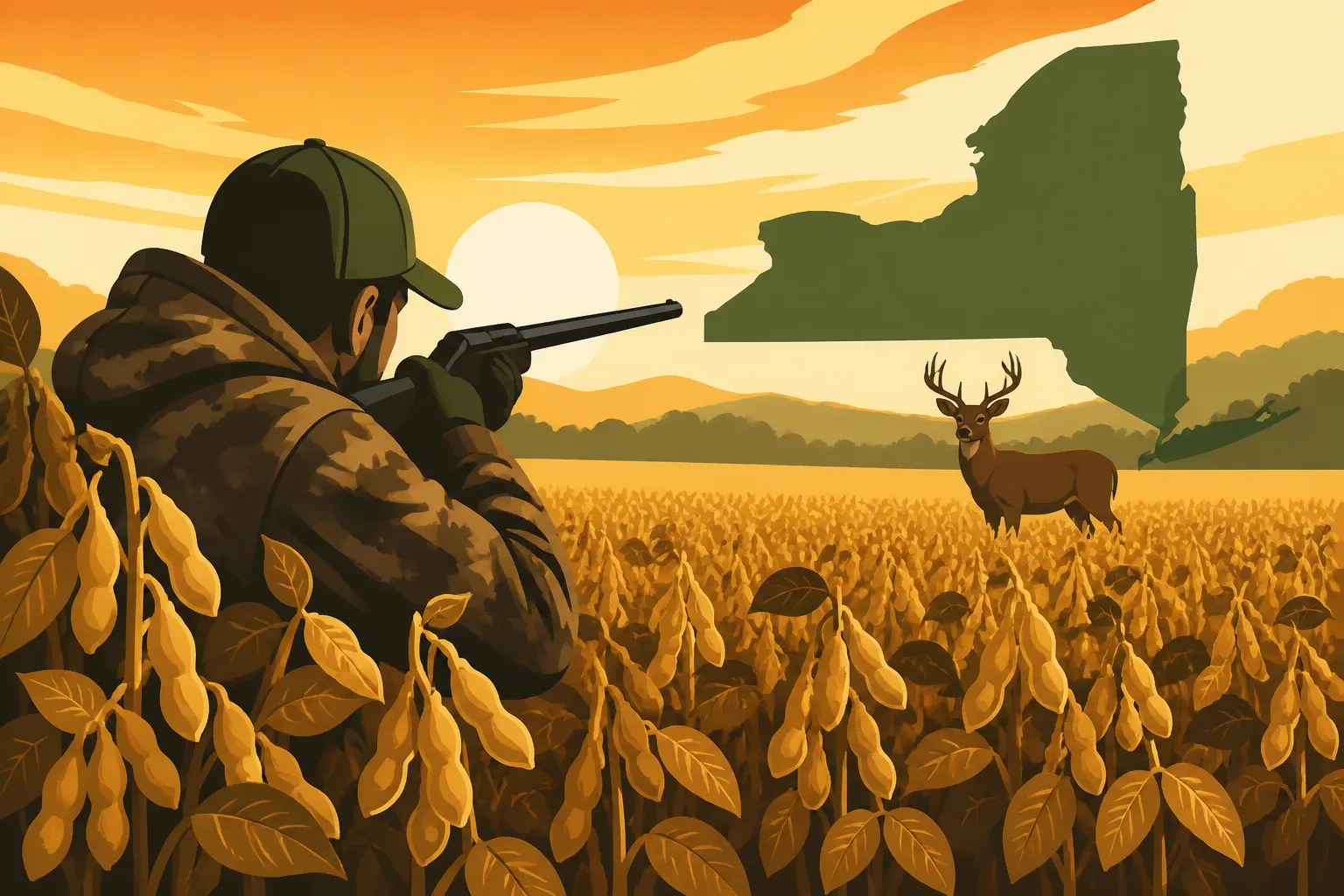
Hunting a standing soybean field in New York can be one of the most exciting, yet frustrating, pursuits for a deer hunter. These agricultural magnets promise big deer, but their vastness and the deer's unpredictable feeding patterns can leave you scratching your head, wondering where to even start. This guide aims to demystify the art of hunting standing soybeans, providing you with actionable strategies to successfully target and harvest deer in these productive food sources across the state.
Understanding Soybean Fields and Deer Behavior
Standing soybean fields are veritable deer cafeterias, especially as the hunting season progresses and natural food sources diminish. But understanding why and how deer use them is key to turning those green or golden rows into a productive hunt.
The Allure of Standing Soybeans
Deer, particularly mature bucks, are constantly looking for three things: food, cover, and security. Standing soybeans often provide a fantastic combination of all three. In the early archery season, the lush green leaves offer high protein and digestible energy, perfect for bucks still putting on antler mass and does preparing for fawning. As fall deepens and the leaves begin to yellow and drop, the mature beans themselves become a high-energy, high-fat food source, critical for packing on weight before the harsh New York winter and the demanding rut.
Unlike a cut cornfield that offers plenty of grain but little cover, standing soybeans provide an incredible amount of visual obstruction. Deer can literally disappear into these fields, feeding undetected, bedding down within the rows, and traveling through them without exposing themselves. This dual purpose of abundant food and dense cover makes them irresistible, drawing deer from surrounding woodlots, swamps, and even distant bedding areas. If you've ever scouted a field and seen deer tracks disappearing into the beans, you know exactly what I'm talking about – they're using it like a dense forest, not just a feeding ground.
How Deer Utilize Soybean Fields
Deer don't just randomly wander into a soybean field; they have specific patterns and preferences that, if understood, can give you a significant advantage. During the daylight hours, especially in heavily hunted areas, deer might only venture into the very edges of a large field, preferring to stay close to the timber or other thick cover. However, in less disturbed areas, or as the season progresses and the beans dry out, they might bed deep within the field, only to stand up and feed a few yards away as dusk approaches.
Bucks, in particular, will often cruise the downwind edges of these fields, scent-checking for does before committing to enter. They'll also use subtle terrain features within or adjacent to the field, like drainage ditches, fence lines, or small draws, as travel corridors. It's not uncommon to find rub lines or scrape lines along these transition areas where the field meets the woods, or even along the edges of small cover islands within the field itself. Paying close attention to these nuances can reveal a buck's preferred entry and exit points, giving you a distinct advantage. This behavior is crucial whether you're hunting in the rich farmlands of the Southern Tier or smaller agricultural pockets elsewhere.
Scouting and Planning Your Hunt
You can't just show up on opening day and expect to find success in a soybean field. Effective scouting and meticulous planning are non-negotiable. This is where most hunters either shine or struggle, as the vastness of these fields can be intimidating.
Pre-Season Reconnaissance and Entry/Exit Routes
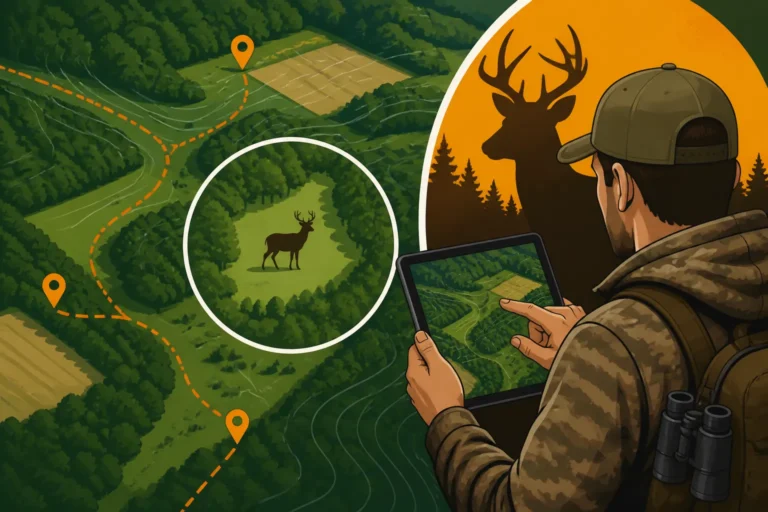
Long before hunting season opens, you should be making trips to scout your chosen soybean fields. Use tools like GoHunt to analyze aerial photographs, looking for subtle funnels, pinch points, drainage ditches, and islands of cover within or adjacent to the field. These map applications can reveal potential deer entry and exit points that are invisible from the ground. Look for where woodlots, creek bottoms, or fence rows lead directly into the beans. These are often high-traffic zones.
Your pre-season scouting should also focus heavily on identifying low-impact entry and exit routes. This is absolutely critical. You want to get to your stand or blind without disturbing the deer that are either already in the field or approaching it. Think about the prevailing wind, the time of day you'll be entering, and the natural cover available for your approach. A common mistake is walking directly across an open field or down a well-used deer trail, alerting every deer within a quarter-mile. Consider using a creek bed, a hedgerow, a ditch, or even the cover of darkness for your approach. Sometimes, the best entry might mean a longer walk, but it's worth it for a quiet, undetected arrival. This kind of detailed planning is covered well in guides like Scouting New York Public Land Before Season.
Interpreting Deer Sign Around Soybeans
Once you've identified potential entry points and travel corridors on your maps, it's time to put boots on the ground. Walk the perimeter of the field, but resist the urge to stomp through the standing soybeans unless absolutely necessary, as you'll contaminate the area with human scent and potentially push deer out. Instead, focus on the transition zones between the field and the woods or other cover.
Look for heavily worn trails leading into the field. Pay attention to how fresh the tracks are, and whether they appear to be single deer or multiple animals. Bucks often leave larger, deeper tracks. Look for rubs on trees and bushes along the field edges – fresh rubs indicate a buck is actively working the area. Scrapes, particularly primary scrapes, can be magnets during the rut and tell you exactly where a buck might be pausing to check for receptive does. Even during the early season, some scrapes might appear as a sign of territorial marking. If you're seeing lots of fresh sign, especially big tracks and rubs, you're in a prime spot. Remember that the type of sign can change throughout the season, so knowing Hunting the Rut in the Southern Zone will inform what specific signs you should be looking for.
Effective Hunting Strategies for Standing Soybeans
Now that you've done your homework and understand deer behavior around soybeans, it's time to put a solid hunting plan into action. This involves strategic stand placement, precise timing, and careful consideration of wind and approach.
Stand Placement and Wind Considerations
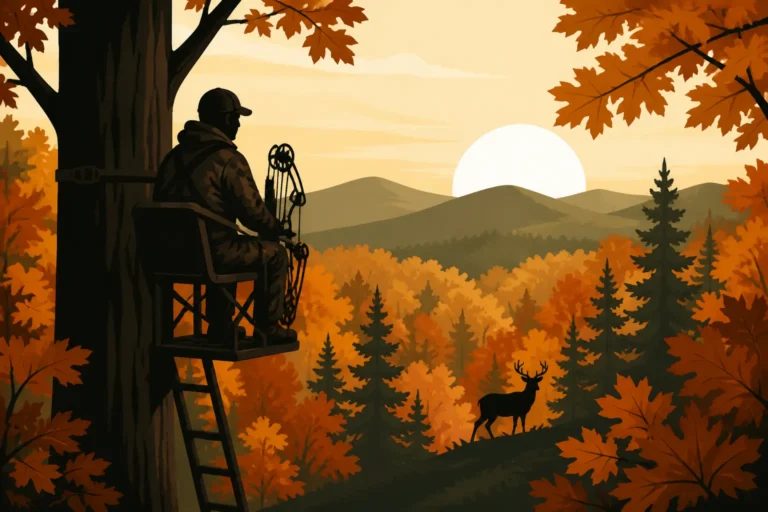
Choosing the right stand location is paramount when hunting standing soybeans. Your stand should offer a clear shot at key entry points, travel corridors, or pinch points along the field edge. Often, the ideal spot is elevated, providing a good vantage point over the field without silhouetting yourself against the sky. A strategically placed treestand in a mature hardwood, like those discussed in Treestand Setups in Adirondack Hardwoods, can offer an excellent perch overlooking a soybean field, even if the terrain is different.
Always, and I mean always, hunt with the wind in your favor. Deer have an incredible sense of smell, and a shifting wind can ruin an entire hunt in seconds. Identify prevailing wind directions for the specific time of year you plan to hunt, and have multiple stand locations to accommodate different winds. If the wind is wrong for your primary spot, either choose an alternate location or don't hunt that field at all. Blowing your scent into the field will teach deer to avoid that area during daylight hours, making future hunts much harder. This might mean having a stand on the north side for a south wind, and another on the west side for an east wind. This dedication to wind control is often the difference between seeing a mature buck and just seeing does.
Timing Your Hunt for Peak Activity
Deer activity in soybean fields often peaks during specific windows. Early archery season, when the beans are green and succulent, can be phenomenal, especially in the late afternoon as deer emerge from bedding areas to feed before dark. As the season progresses into late fall and early winter, the mature, dried beans become a crucial high-energy food source. This can make them excellent locations for a Cold-Weather Sitting Strategy in New York, as deer need to fuel up constantly.
During the rut, bucks might not be solely focused on feeding, but they'll still cruise field edges looking for does. Hunting mid-day during the rut can sometimes pay off, as bucks are more apt to be on their feet. However, in general, the golden hours of dawn and dusk are your best bet. Be in your stand well before first light, and stay until legal shooting light expires. Many big bucks are harvested in the fading minutes of the day as they finally commit to the field. If you're seeing reduced natural food, like after a Hunting After a Poor Acorn Year, deer may be even more reliant on those beans, increasing your odds.
Using Ground Blinds and Natural Cover
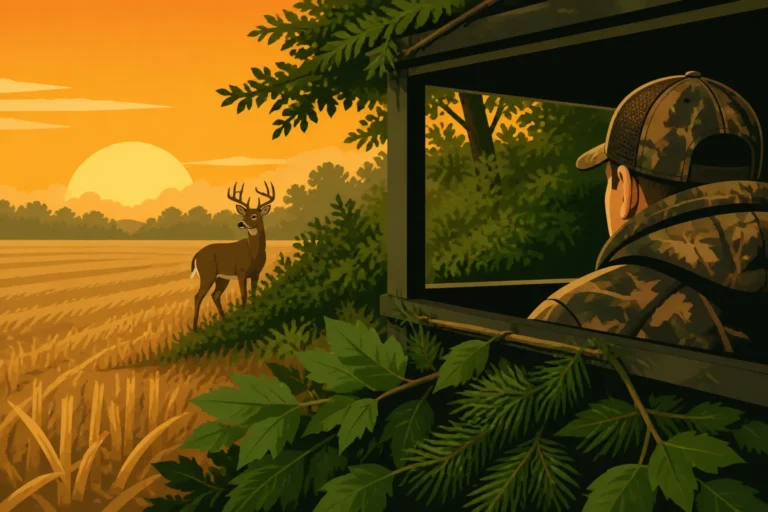
While treestands offer a great vantage, ground blinds can be incredibly effective when hunting standing soybeans, especially if suitable trees are scarce or if you need to be mobile. A well-brushed-in pop-up blind can provide excellent concealment, allowing you to get away with more movement, which is crucial on long sits. You can set them up along field edges, near known entry points, or even tucked into a small patch of weeds or brush within the field itself.
When choosing a spot for a ground blind, look for existing cover that can help break up its outline. A fencerow, a clump of tall weeds, a brush pile, or even a slight depression in the terrain can make a world of difference. Remember that deer are constantly looking for anomalies, so the more natural your blind appears, the better. Consider using brands like Barronett or Primos for their robust pop-up options, and make sure to brush them in thoroughly with local vegetation. This kind of setup can be similar to a Using a Ground Blind on New York Public Land, offering stealth even in open areas. For those hunting in areas like the Southern Tier, Setting Up on a Southern Tier Field Edge is a specific strategy often paired with ground blinds.
Overcoming Common Challenges
Hunting standing soybeans isn't always easy. There are common challenges that can deter even experienced hunters, but with the right approach, you can overcome them.
Dealing with Hunting Pressure
Soybean fields are obvious food sources, and if they're on public land or heavily hunted private land, you can bet other hunters will have the same idea. This pressure can make deer more nocturnal, pushing them deeper into cover during daylight hours. To counter this, consider hunting during weekdays when pressure is typically lower, or after a significant weather event that might have kept other hunters home.
Another strategy is to get further away from easy access points. Most hunters won't walk more than a quarter or half-mile. By delving deeper, you might find pockets of less pressured deer. Reading Aerial Photos for Southern Tier Deer using a mapping app like GoHunt can help identify these out-of-the-way spots. Also, consider hunting slightly away from the main field, perhaps on a travel corridor leading to the beans, rather than directly on the edge. This might intercept deer before they hit the heavy pressure of the field edge. Pay attention to specific regulations too; New York Deer Management Permits Explained will help ensure you're hunting legally and taking advantage of any additional opportunities to fill tags in high-pressure areas.
Adaptations for Different Weather Conditions
Weather plays a huge role in deer movement, and nowhere is this more apparent than when hunting open food sources like soybean fields. A strong, steady rain can sometimes be your best friend, as it reduces human scent and noise, allowing for stealthy approaches. However, heavy rain also tends to keep deer bedded down. Post-front conditions, especially a sharp drop in temperature or the first hard frost, can ignite deer activity in soybean fields as they seek high-energy foods.
Wind, as mentioned, is critical. High winds make it difficult for deer to hear and can make them nervous in open areas. They might stick closer to cover or feed more cautiously. Extreme cold, particularly in December, will often send deer into the fields earlier in the afternoon, as they need to fuel their internal furnaces. Conversely, during warm spells, deer might feed more at night and lay up in cooler, thicker cover during the day. Always check the forecast and adjust your hunting times and locations accordingly. Don't be afraid to take a chance on a blustery day if you have a sheltered approach and stand, but also know when to call it quits if the conditions are truly against you.
Strategic Considerations for Soybean Field Hunting
| Factor | Early Season (Green Beans) | Late Season (Dry Beans) | Rut (Transition) |
|---|---|---|---|
| Deer Focus | High protein for antler growth & fawning | High energy for winter & recovery | Checking for does; still feeding |
| Activity Peak | Late afternoon/evening; early morning in low pressure | Late afternoon/evening; mid-day if cold | Often variable; morning/evening; cruising mid-day |
| Cover Use | Bedding deep within field; moving via edges | Bedding within field; seeking thermal cover in woods | Cruising field edges, transition lines |
| Best Approach | Stealthy entry via dense cover | Utilizing dark cover; avoiding open fields | Approaching from downwind, focusing on pinch points |
| Stand Placement | Overlooking main entry points from bedding | Near thick cover that borders the field | Overlooking scrape lines or travel corridors |
| Challenges | Heat, insect pressure, active farm equipment | Extreme cold, snow cover, increased hunting pressure | Unpredictable buck movement, high hunter traffic |
Disclaimer
Please ensure you always consult the most current New York State Department of Environmental Conservation (DEC) hunting regulations before heading afield. Seasons, bag limits, and specific rules can change year to year, and it is your responsibility to be fully informed and compliant with all applicable laws. Stay safe and enjoy your time in New York's beautiful outdoors.