Hunting Finger Lakes Region Deer
Hunting deer in New York's beautiful Finger Lakes region can be a truly unique challenge, with its deep glacial gorges, rolling agricultural fields, and dense pockets of hardwoods. It's easy to feel overwhelmed by the diverse terrain and varying access options, often leading to frustrating hunts and wasted scouting time. This comprehensive guide aims to unravel the complexities of pursuing whitetails in this iconic New York landscape, offering seasoned insights and actionable strategies to help you fill your tag.
Understanding the Finger Lakes Deer Landscape
The Finger Lakes region is a gem for hunters, but it presents a landscape unlike many other parts of New York. From the shores of Seneca Lake to the farmlands bordering Keuka, understanding the lay of the land is paramount to consistent success. This area is characterized by dramatic elevation changes, fertile valleys, and a mix of public and private holdings.
Unique Topography and Habitat Diversity
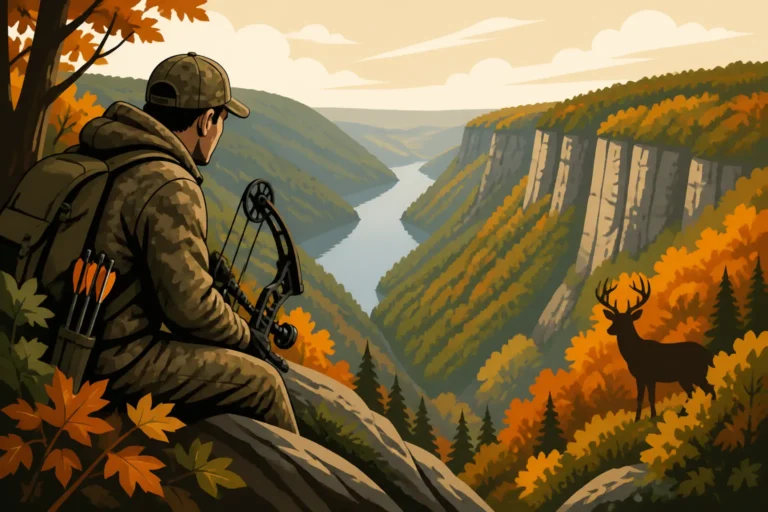
What truly sets the Finger Lakes apart is its striking topography. Imagine miles of steep ravines and deep gorges carved by ancient glaciers, often leading down to the sparkling lakes themselves. These features create natural funnels and pinch points that deer frequently utilize, especially during periods of increased pressure or when seeking thermal cover in harsh weather. Beyond the gorges, you'll find vast tracts of mature hardwoods, primarily oak and maple, interspersed with dense stands of conifer. This mix provides both abundant mast crops, when they're available, and crucial bedding areas.
Complementing this rugged terrain are the expansive agricultural fields. The Finger Lakes are known for their vineyards, cornfields, and soybean plots, which act as irresistible food sources for deer, particularly in the early and late seasons. These fields are often bordered by brushy fencerows, small woodlots, and creek bottoms, creating perfect transition zones where deer spend their mornings and evenings. Recognizing these distinct habitat types and how deer move between them is your first step towards unlocking the region's potential.
Deer Population and Behavior Trends
The deer population in the Finger Lakes region tends to be robust, often supported by the rich agricultural landscape providing ample nutrition. While you might not always see the sheer numbers as in some other farm country areas, the region often produces healthy, mature deer, including some impressive bucks. Local deer behavior is heavily influenced by the availability of food, the topography, and hunting pressure. During the early archery season, deer are often still patterned around specific food sources, such as acorns in the woods or fresh alfalfa. As the season progresses and hunting pressure increases, they'll seek refuge in the deepest gorges and thickest cover available, making them tougher to locate.
The rut brings a different dynamic, as bucks abandon their typical patterns in search of does. This is when understanding travel corridors along ridge lines and through smaller woodlots connecting larger cover becomes critical. Late season sees deer concentrating on reliable food sources, often found in agricultural fields, while also seeking thermal cover in dense conifer stands or south-facing slopes. Hunters who adapt their strategies to these behavioral shifts, combined with a deep understanding of the local landscape, will find the most consistent success.
Scouting and E-Scouting the Region
In a region as diverse and broken as the Finger Lakes, effective scouting is not just a suggestion; it's a necessity. You can't just wander aimlessly and expect to find deer. A strategic approach, combining modern e-scouting tools with good old-fashioned boots on the ground, will drastically improve your odds.
Leveraging Aerial Imagery and Topo Maps
Before you ever set foot in the woods, spend significant time e-scouting. Platforms like GoHunt, along with other online mapping tools, are invaluable resources for hunting the Finger Lakes. Start by examining aerial imagery to identify key features: field edges, creek bottoms, dense thickets, and most importantly, the dramatic elevation changes that mark the region's signature gorges. Look for funnels—narrow strips of cover that connect larger woodlots, or saddlebacks along ridges where deer might cross. These are natural travel routes that bucks will almost certainly use, especially during the rut.
Next, overlay topographical maps to understand the contours of the land. Pay close attention to how elevation lines pinch together, indicating steep ravines, or spread out, suggesting flatter benches. These subtle changes can create micro-habitats that deer favor. Identifying potential bedding areas on south-facing slopes, often near a water source or thick cover, is crucial. Also, note potential access points to public land or areas where private land borders public, as these can be high-traffic zones. Think about prevailing winds and how they will interact with the terrain, influencing thermals that rise and fall with the sun.
Boots-on-the-Ground Reconnaissance
Once you've marked potential hotspots on your digital map, it's time for real-world validation. Boots-on-the-ground scouting is where you confirm or deny your e-scouting theories and discover the nuances a satellite image simply can't convey. Focus your efforts on finding fresh sign: rubs, scrapes, tracks, and droppings. During the early season, this might mean walking the edges of cornfields or checking oak ridges for acorn cuttings. As deer transition, concentrate on the transition zones between food and cover.
Walking the steep ravines and creek bottoms is exhausting but often highly rewarding. Look for trails running along the benches within these gorges, or where trails cross from one side to another. Pay attention to how deer navigate these challenging areas—are they skirting the rim, or dropping deep into the bottom? You're not just looking for deer sign, but trying to understand how deer move through the landscape. Don't forget to identify potential stand locations, considering prevailing winds and sun angles, and mark them on your GPS for future reference. This detailed reconnaissance, ideally done well before the season, will save you precious hunting time.
Effective Hunting Strategies for Finger Lakes Whitetails
The varied terrain of the Finger Lakes demands a versatile hunter. No single strategy will guarantee success across the entire region or throughout the diverse seasons. Instead, you'll need a toolkit of tactics adapted to the specific conditions you encounter, from the deep gorges to the open fields.
Hunting Steep Finger Lakes Gorges
The deep, steep gorges of the Finger Lakes are both daunting and incredibly rewarding places to hunt. Deer often use these as sanctuaries, especially after heavy hunting pressure pushes them out of flatter, more accessible areas. One effective strategy is to hunt the benches and subtle terrain changes within these gorges. Deer won't always walk the bottom; they'll often create trails on the smaller, flatter sections of the slope, sometimes halfway up. When Hunting Steep Finger Lakes Gorges, focus on these bench cuts, especially where they intersect with small feeder ravines or where the slope temporarily lessens, creating a natural staging area.
Accessing these spots can be challenging, often requiring careful, slow movement and an understanding of wind and thermals. Thermals in gorges are notorious for swirling, but generally, they will rise in the morning as the sun warms the air and fall in the evening as the air cools. Position yourself to account for these shifts. Sometimes, still-hunting slowly along the benches, trying to catch deer moving from bedding to feeding or vice-versa, is the most effective approach. Other times, setting up a well-placed stand overlooking a high-traffic intersection of trails can be deadly, particularly during the rut when bucks are cruising for does.
Hunting Field Edges and Agricultural Pockets
The fertile agricultural lands surrounding the Finger Lakes provide a consistent draw for deer, especially during the early and late seasons. Hunting field edges, particularly those bordering corn, soybean, or alfalfa fields, can be highly productive. Deer will often stage in the cover just inside the woods before entering a field at dusk, or retreat into the woods shortly after dawn. Setting up on a field edge requires careful consideration of entry and exit routes, prevailing winds, and the specific habits of the deer in that particular area. When Setting Up on a Southern Tier Field Edge, remember that the principles apply equally here, focusing on wind direction relative to the field and your anticipated shot.
Using ground blinds can be particularly effective in these scenarios, offering excellent concealment and the ability to minimize scent dispersion. Blinds can be brushed in along a fencerow or in a small island of cover within a field. It's crucial to scout these areas to understand where deer are entering and exiting the fields. Look for well-worn trails, fresh tracks, and browse lines. During the rut, these field edges can also be hot spots as bucks cruise for does feeding in the open. Don't overlook small, overlooked pockets of agriculture, like old apple orchards or overgrown pasture fields, which can hold deer year-round.
Still-Hunting and Drives in Woodlots
Still-hunting is a classic and highly effective method for traversing the Finger Lakes' expansive woodlots, especially when deer are pressured or the rut is in full swing. This involves moving incredibly slowly, pausing often to scan, listen, and glass ahead. Focus on moving into the wind or with a crosswind, using terrain features for cover. In the diverse timber, look for changes in vegetation, subtle rises, or thickets that might serve as bedding. Pay attention to any natural funnels or pinch points in the timber itself. This tactic can be particularly fruitful if you're exploring new public land or trying to locate where deer are holding tight.
For larger blocks of public land, or when hunting with a group, deer drives can be a strategic way to move deer in the Finger Lakes. This is particularly useful in thick cover or on public parcels that receive heavy pressure. Effective Deer Drives With Three or Four Hunters require careful planning, with designated standers positioned on likely escape routes, and drivers pushing through cover towards them. Understanding the deer's escape tendencies in the specific terrain you're hunting is vital. Often, deer will try to circle back or slip out the sides rather than running straight away, so positioning standers strategically along known travel corridors is key. This method works well in the rolling hills and woodlots found throughout the region.
Navigating Public and Private Land Access
Access is often the biggest hurdle for hunters in New York, and the Finger Lakes region is no exception. While there are significant public land opportunities, many of the prime agricultural areas are privately owned. Understanding how to find and utilize both is essential for a productive hunting season.
Identifying Key Public Hunting Areas
The Finger Lakes region boasts several excellent public hunting opportunities. The most prominent is the Finger Lakes National Forest Hunting, a substantial tract of land primarily in Schuyler and Seneca counties. This forest offers a diverse mix of hardwoods, conifer plantations, and open grasslands, providing habitat for a healthy deer population. When hunting the National Forest, study maps to identify remote sections away from main roads and popular trailheads, as these areas often hold less pressured deer. The National Forest also offers unique camping opportunities, making multi-day hunts feasible.
Beyond the National Forest, numerous State Forests are scattered throughout the Finger Lakes, often concentrated in counties like Schuyler, Chemung, Cortland, and Steuben. These typically consist of mixed hardwood and conifer stands, and while they might not have the same dramatic gorges as private land, they offer vast, huntable acreage. Utilizing online mapping tools and the New York DEC's HuntFishNY app can help you pinpoint these state forest parcels and understand their specific regulations. Always check for any special rules or access points for each specific location. Some Wildlife Management Areas (WMAs) like Connecticut Hill WMA in Tompkins and Schuyler counties also offer excellent public hunting, often with diverse habitat management geared towards wildlife.
Seeking Private Land Permission
Given the prevalence of agriculture and vineyards, securing private land permission can unlock some of the best hunting the Finger Lakes has to offer. Many landowners, especially farmers experiencing deer damage to their crops, are receptive to ethical hunters. The key is respectful communication and demonstrating responsibility. Start by identifying potential parcels during your e-scouting, then approach landowners well in advance of the season, preferably in person. Dress neatly, introduce yourself, and clearly explain your intentions.
Offer to help with tasks around the farm, even if it's just for an hour or two. Building a relationship is crucial. Be prepared to show proof of your hunting license and insurance. Always ask about specific rules: where they prefer you hunt, what caliber or weapon they allow, and if they have any areas that are off-limits. Respect their property as if it were your own, leave gates as you found them, and remove all your trash. A good relationship with a landowner can provide hunting access for years to come and is often the best way to get on consistent deer ground in the agricultural parts of the Finger Lakes. Remember, some farmers might enroll their land in programs like the New York DEC's Public Access Cooperators program, which opens private land to public hunting, so always check the DEC website for these opportunities.
Seasonal Considerations and Tactics
The Finger Lakes region offers a long, diverse hunting season, but deer behavior and effective tactics change dramatically from the early archery opener to the late-season firearm hunts. Adapting your approach to the specific time of year is paramount for success.
Early Season Opportunities
When New York's Archery Season Opens, usually in mid-October in the Southern Zone, the Finger Lakes region presents excellent opportunities. Deer are often still in their late-summer patterns, primarily focused on food sources. Hard mast, particularly acorns, can be a major draw in the hardwood forests. If there's a good acorn crop, scouting for fresh cuttings and deer sign under oak trees is key. Often, deer will feed heavily on acorns in the morning and evening, bedding nearby in thickets or dense conifer stands during the day.
Agricultural fields—corn, soybeans, and alfalfa—also provide irresistible early-season nutrition. Setting up stand locations or ground blinds along field edges, or on trails leading from bedding cover to these fields, can be highly effective. Early season also means warmer temperatures, so scent control and proper meat care (like using Coolers and Game Bags for Early Archery kills) are critical. Pay attention to early morning thermals as they rise from the valley bottoms, which can carry your scent further than expected.
Rut Phase Tactics
The rut, typically peaking in early to mid-November, is arguably the most exciting time to hunt Finger Lakes deer. Bucks are on the move, actively seeking does, often abandoning their cautious routines. During this period, focusing on travel corridors, pinch points, and areas with high doe density becomes crucial. Ridge lines connecting larger blocks of timber, the benches within deep gorges, and brushy fencerows linking woodlots are prime areas. Bucks will cruise these routes, checking for estrous does.
Calling, specifically rattling and grunting, can be highly effective during the rut. A buck that might ignore a call in October could come charging in when his hormones are raging. Understanding Hunting the Rut in the Southern Zone strategies is key, as these bucks are often more focused on breeding than on external threats. Also, don't overlook natural scrapes and rub lines; while bucks might not visit them consistently, they indicate a buck's presence and travel patterns. Sitting all day in a good rut stand, especially one overlooking a major travel corridor, often pays off in the Finger Lakes.
Late Season Food Sources and Thermal Cover
As December rolls in and temperatures drop, deer in the Finger Lakes shift their focus to survival, prioritizing reliable food sources and thermal cover. This is when agricultural fields, particularly standing corn or cut corn with spilled kernels, become major attractants. Deer will often congregate in these areas, feeding heavily before bedding down in the thickest cover available. Understanding Late-Season Food Sources for New York Whitetails is paramount. Look for south-facing slopes, dense hemlock or pine stands, and deep, sheltered ravines—these provide crucial thermal refuge from harsh winter winds and snow.
Hunting the late season often means long, cold sits, so proper layering and cold-weather gear are essential. Movement should be slow and deliberate, as deer are often bunched up and on high alert. Positioning yourself between a late-season food source and thick thermal cover, anticipating evening feeding movements, can be highly productive. Snow can also be your friend in the late season, revealing fresh tracks and making still-hunting more effective. Remember, deer are trying to conserve energy, so they'll often take the path of least resistance and won't move far from their preferred bedding areas unless forced.
Gear and Preparation for Finger Lakes Hunting
The diverse terrain and weather patterns of the Finger Lakes demand that hunters come prepared with the right gear. From sharp optics to appropriate footwear, equipping yourself properly can make the difference between a successful, comfortable hunt and a miserable, unproductive one.
Essential Optics and Firearms
Given the varied landscape, a good pair of binoculars is non-negotiable. Whether you're scanning open fields for deer at dusk or picking apart thick timber and deep gorges for movement, quality optics will serve you well. Binoculars in the 8x or 10x magnification range are ideal for most situations, offering a good balance of field of view and magnification. Using a binocular harness will keep them secure and readily accessible, especially when navigating steep terrain. A rangefinder is also invaluable, particularly when hunting in areas with varied elevation where judging distance can be tricky.
For firearms, New York's Southern Zone, which covers most of the Finger Lakes, allows rifles, shotguns, and muzzleloaders during their respective seasons. Choosing the right caliber often depends on personal preference and the specific hunting situation. A versatile rifle like a .308 or 6.5 Creedmoor is an excellent choice for shots across fields or through timber. For those who prefer shotguns, a slug gun with a rifled barrel can be surprisingly accurate out to significant distances. When Optics for Adirondack and Catskill Timber are discussed, many of those same principles apply here – robust, reliable scopes with good low-light performance are critical for hunting in dense Finger Lakes timber or during those low-light transition times. Always ensure your firearm is zeroed and you've practiced shooting from various field positions before heading out.
Clothing and Footwear for Varied Terrain
The Finger Lakes weather can be unpredictable, often swinging from mild autumn days to harsh winter conditions with lake-effect snow. Layering is always the best approach for clothing. Start with a moisture-wicking base layer, add insulating mid-layers like fleece or wool, and top it off with a waterproof and windproof outer shell. Wool is an excellent choice for hunting in New York, as it insulates even when wet and is incredibly quiet. Don't forget New York's Blaze Orange and Pink Options requirements for firearm season; wearing enough visible blaze orange or pink is a safety priority.
Footwear is particularly critical in the Finger Lakes due to the steep terrain and often wet conditions. A sturdy pair of waterproof hunting boots with excellent ankle support and aggressive tread is essential for navigating rocky gorges and slippery slopes. Rubber boots can be beneficial for still-hunting wet creek bottoms or approaching stands without leaving too much scent. Consider bringing an extra pair of socks or even an entirely separate pair of boots if you're planning multi-day hunts in potentially wet weather. Having a reliable backpack, like those designed for a Packs for a Day on Public Land hunt, is also vital for carrying your layers, water, snacks, first-aid kit, and any game you might take.
Disclaimer
Please remember that hunting regulations and seasons can change. Always consult the most current New York State Department of Environmental Conservation (DEC) hunting regulations guide before heading into the field. This guide is for informational purposes only and does not supersede official DEC rules.