Western New York County Forests
Finding quality hunting land in Western New York can feel like a never-ending quest, especially with so much prime agricultural ground locked up in private ownership. It's frustrating when you see all that potential but can't get access. This comprehensive guide will shine a light on an often-overlooked resource: Western New York's county forests, providing you with the knowledge and tactics to successfully pursue deer, small game, and turkeys on these valuable public lands.
Understanding Western New York County Forests
When hunters think of public land in New York, the Adirondack Forest Preserve, Catskill Forest Preserve, or large State Forests and Wildlife Management Areas often come to mind first. However, scattered across Western New York are numerous county forests that offer excellent hunting opportunities, though they might be smaller and require a different approach. These are typically lands acquired by counties for timber production, watershed protection, or recreational use, often managed by the county's own forestry or parks department.
What Makes County Forests Different?
Unlike the vast, "forever wild" tracts of the Forest Preserve, county forests are often actively managed for timber. This means you might find diverse habitat, from recently cut clearings to mature stands, which can be fantastic for wildlife. They also tend to be smaller, sometimes fragmented, and surrounded by private agricultural or residential land. This creates unique challenges and opportunities for hunters. The regulations can also vary slightly from county to county, which is a crucial detail many hunters overlook. It's not a one-size-fits-all situation like some statewide regulations.
Common Counties with Accessible Forest Lands
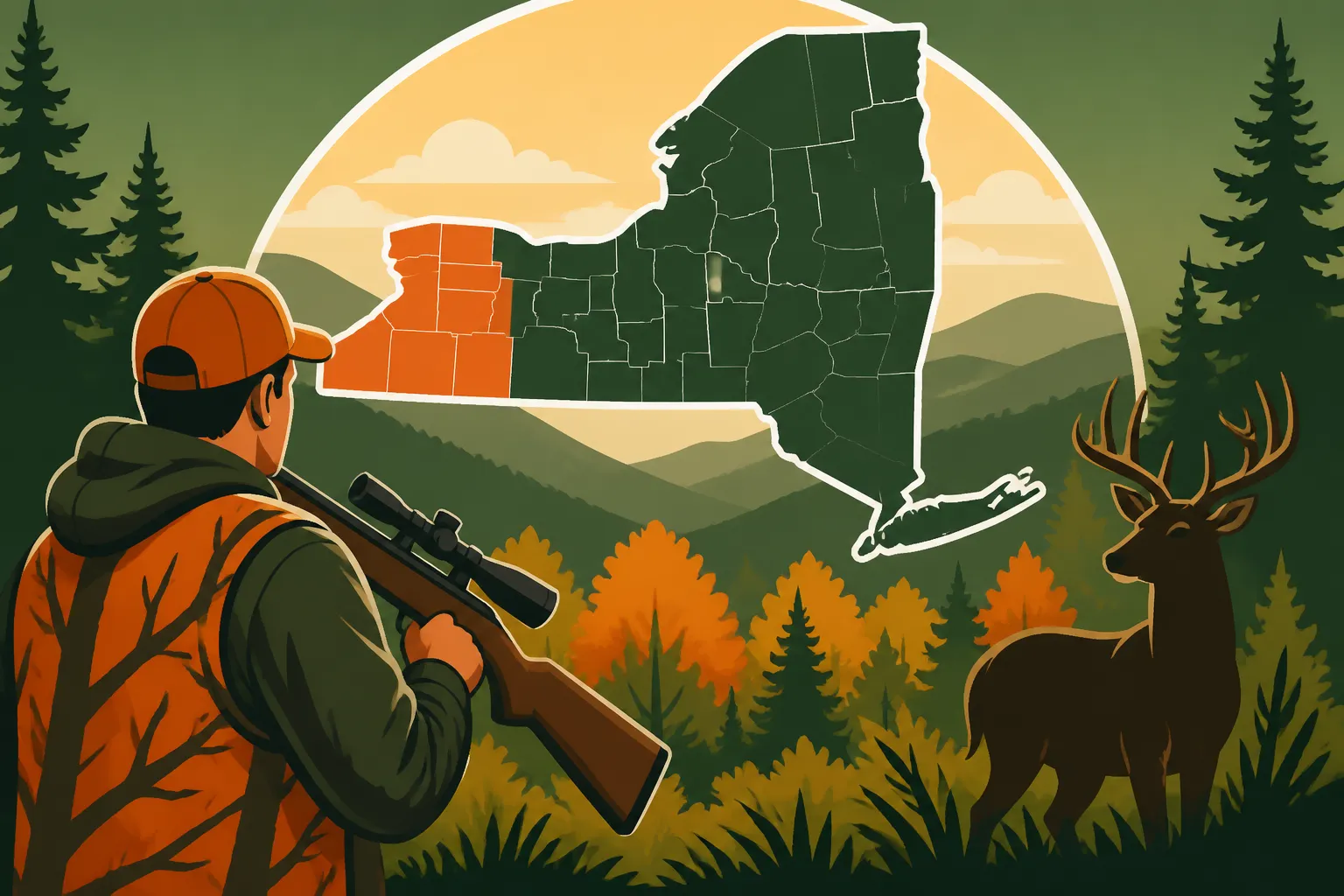
Many counties in Western New York have dedicated forest lands that permit hunting. Counties like Cattaraugus, Allegany, Steuben, Chautauqua, and Wyoming are known for having significant acreage. These aren't always sprawling tracts; sometimes they're a patchwork of smaller parcels. For instance, in Cattaraugus County, you'll find numerous county forest blocks alongside State Forests, offering a mix of terrain and cover. Allegany County, too, has substantial county forest land that often blends seamlessly with or sits adjacent to larger state holdings, providing more contiguous areas for hunting. Before you even pack your boots, identifying these specific counties and their holdings is the first step in unlocking new hunting adventures.
Locating and Researching Western NY County Forests
The biggest hurdle for many hunters isn't the hunting itself, but simply finding where they can go. With county forests, this takes a bit of homework, but the reward is often less crowded woods and potentially unpressured game.
Utilizing Mapping Tools and County Resources
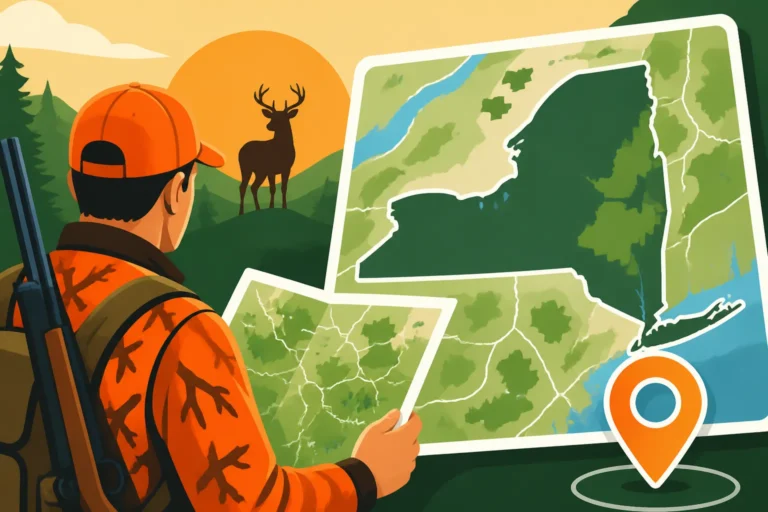
Gone are the days of relying solely on paper maps, though a good topo map is still essential for on-the-ground navigation. Today, digital mapping applications are your best friend. Tools like onX Hunt are invaluable for overlaying property boundaries, showing public versus private land, and even highlighting different public land designations. You can quickly see if that promising patch of woods is a State Forest, a WMA, or a county forest. When planning a trip, I'll often start by zooming into a county in Western New York, like Cattaraugus or Allegany, and looking for those green or blue parcels that indicate public land.
Beyond digital maps, don't underestimate the power of local county resources. Most counties with forest programs will have a website detailing their properties, sometimes with downloadable maps or contact information for their forestry or parks department. A quick search for "[County Name] County Forest" can often yield a treasure trove of information. Some even list specific regulations or seasonal closures unique to their lands. It’s always worth checking the horse’s mouth, so to speak, before you commit to a scouting trip.
What to Look for in a County Forest Block
When you're scanning maps or driving by, what makes a county forest block look promising? Look for diversity in habitat. Timber management means different age classes of trees, which translates to varied cover and food sources for deer, turkeys, and small game. Areas that have been recently harvested, for example, will often have thick regeneration that offers excellent bedding cover and browse. Older stands provide mast crops like acorns and beechnuts. Look for proximity to agricultural fields on adjacent private land, as deer often use county forests as bedding and sanctuary areas, moving out to feed in those fields under the cover of darkness.
Consider the lay of the land, too. Are there natural funnels, pinch points, or elevation changes that would concentrate game movement? Small creeks, swampy areas, or dense thickets within these blocks can also act as natural magnets for wildlife. Don't dismiss smaller parcels; even 50-100 acres can hold deer, especially if they offer secure cover right next to heavily pressured private ground. Remember, deer are incredibly adaptable, and they learn quickly where they are safe from hunting pressure. Sometimes, the overlooked, smaller parcels are exactly what you need.
Game Species and Hunting Opportunities
Western New York's county forests, while potentially smaller, can be incredibly productive for a variety of game species. The blend of managed timber, natural food sources, and proximity to agricultural land creates diverse habitats.
White-Tailed Deer Hunting
Deer are undoubtedly the primary target for many hunters in these county forests. The mosaic of habitat created by timber management often means fantastic cover and food. You'll find deer browsing on regenerating clearcuts, bedding in thick conifer stands, and moving through mature hardwoods to access mast crops. The edges of these county forests, especially where they meet private farmland, can be prime locations. Deer will often bed deep in the public timber during the day and filter out into corn or soybean fields in the evening.
Hunting here requires adaptability. Unlike vast wilderness areas, you might be dealing with shorter distances and more defined boundaries. Still-hunting along ridges or through varied timber stands can be very effective. Setting up a treestand or ground blind along a known travel corridor, especially one connecting bedding to feeding, is a classic tactic that works well here. Hunting Southern Tier Farmland Deer provides further insight into deer movement near agricultural areas, which is highly relevant for many county forest blocks. The key is understanding how deer use these relatively smaller public tracts in conjunction with the surrounding private land.
Wild Turkey Opportunities
Wild turkeys thrive in a mix of open woods and agricultural edges, making many Western New York county forests excellent places to pursue them. During spring season, gobblers will often roost in the tallest trees within the forest and pitch down into fields or clearings to begin their strutting. The varying timber ages provide excellent bugging grounds and strutting zones.
Fall turkey hunting can also be productive. Flocks will often feed heavily on acorns, beechnuts, and other mast crops found within the hardwood sections of these forests. If you can locate a flock, breaking them up and calling them back together can be an exhilarating experience. The manageable size of many county forests means you can often cover a good portion of a block in a day of scouting or hunting. For specific tactics, consider articles like Roost Hunting New York Gobblers for spring, or Hunting New York's Fall Turkey Season for a broader perspective.
Small Game and Upland Birds
Don't overlook the potential for small game and upland birds in county forests. Squirrels, especially gray squirrels, are abundant in mature hardwood stands, particularly those with plenty of oaks and hickories. You can spend a quiet morning still-hunting for squirrels, which is a great way to hone your woodsmanship and scouting skills for bigger game.
Cottontail rabbits will often be found in the thicker brushy areas, especially where there's dense regeneration from past timber cuts or along the edges of fields. While ruffed grouse numbers have seen declines in many areas of New York, prime grouse habitat – young, regenerating forest, often near aspen or alder – can still be found in some county forest blocks. Grouse Hunting New York Aspen Cover offers great insights into finding this specific habitat. These areas, though perhaps less common than in the Adirondacks, are certainly worth scouting.
Navigating Regulations and Access
One of the most critical aspects of hunting county forests is understanding the specific rules and ensuring legal access. These aren't always identical to statewide regulations, and ignorance is no excuse when it comes to game laws.
Understanding Local Ordinances and Permits
This is where county forests really differ from State Forests or WMAs. While general New York State hunting regulations apply, individual counties may have additional rules or requirements for their lands. Some counties might require a specific permit or registration to hunt their forest lands, while others may not. It's rare, but some might have specific restrictions on certain types of firearms or hunting methods that differ from the statewide norm.
Always, and I mean always, check the specific county's website or contact their parks or forestry department directly before heading out. Don't assume. For example, some might have restrictions on vehicle access, camping, or even where you can park. These local ordinances are designed to manage public use and protect resources, and respecting them ensures these lands remain open for hunting. This due diligence is part of being a responsible hunter.
Property Boundaries and Posted Land
Because county forests are often smaller and bordered by private property, knowing your boundaries is absolutely paramount. Trespassing is not only illegal but can quickly sour landowner relations, potentially leading to increased posting of land and fewer hunting opportunities for everyone. This is where a robust mapping application like onX Hunt truly earns its keep. It allows you to see property lines clearly, often right down to the parcel owner. Before you step foot in the woods, trace your planned route and identify where public land ends and private property begins.
Even with a great app, always be aware of physical markers on the ground. Look for fence lines, changes in forest type, "Posted" signs, or other boundary indicators. If there's any doubt, err on the side of caution and stay off. Retrieving game from private land, even if you shot it legally on public land, typically requires permission from the landowner. Do You Need Written Permission in New York? covers these important legalities in detail. Always be a good neighbor, even if you don't know the neighbor personally.
| Feature | State Forests & WMAs | County Forests |
|---|---|---|
| Typical Size | Large, contiguous blocks | Smaller, often fragmented parcels |
| Primary Management | Multi-use, habitat, recreation | Timber production, watershed, recreation |
| Regulations | NYS DEC Regulations, WMA-specific rules | NYS DEC + potential county-specific rules |
| Hunting Pressure | Can be high, especially opening day | Often lower, less known |
| Access | Well-marked roads, parking | Varies greatly, may be limited |
| Timber Harvesting | Yes, for habitat & revenue | Yes, often a primary goal |
| Required Permits | NYS Hunting License | NYS Hunting License + possible county permit |
| Digital Maps | Essential for both | Essential for both, especially boundary ID |
Tactics for Hunting Western NY County Forests
Hunting these county forests requires a slightly different mindset than hunting vast wilderness areas. You're often working with smaller tracts, potentially higher human activity (hikers, mountain bikers, dog walkers), and distinct edges.
Scouting for Success
Scouting is even more critical in these smaller, more accessible parcels. You need to understand how deer are using these specific blocks. Look for subtle signs: rub lines, scrape lines, and well-used trails, especially those leading to and from adjacent private land. Pay attention to how the terrain funnels deer. Is there a narrow strip of woods between two fields? A small saddle on a ridge? A thick drainage that offers secure cover? These are all potential hotspots.
Look for late-season food sources like acorn flats in oak stands, or areas where deer might be browsing on new growth in older clearcuts. A good mapping app can help you identify these features from home, allowing you to prioritize your in-person scouting efforts. Scouting New York Public Land Before Season is an excellent resource for general scouting principles that apply directly to these county lands. Remember, every piece of public land is unique, and thorough scouting will reveal its secrets.
Adapting to Smaller Tracts and Pressure
Given that county forests can be smaller and more accessible, they might experience some hunting pressure, especially on opening day or during peak rut. Your tactics need to adapt. Consider hunting during the week when pressure is lower, or hunting those times of day when others are coming and going. Early mornings and late evenings are always key, but midday still-hunting can be productive when deer are bumped by other hunters.
Focus on finding the overlooked spots. Maybe it’s a thick, nasty swamp that no one wants to walk through, or a steep hillside that's a pain to access. Deer will gravitate to these areas for security. Think about entry and exit routes that minimize disturbance and don't cross too much open ground. Using a ground blind, especially one brushed into natural cover, can be very effective in these situations, allowing you to set up in thick cover without the need for a tall tree. Using a Ground Blind on New York Public Land delves into the specifics of this tactic.
Employing Mobile and Static Setups
Both mobile and static hunting setups have their place in Western New York county forests. For the more actively managed sections with varying timber types, a mobile approach using a treestand or saddle is often ideal. You can scout, find fresh sign, and set up quickly, adapting to deer movement that might shift based on food availability or hunting pressure. This flexibility allows you to chase the sign. Treestand Setups in Adirondack Hardwoods offers valuable insights into selecting and setting up stands, which can be adapted for any mature timber found in county forests.
However, if you've done your homework and found a consistent travel corridor or a key feeding area that deer use year after year, a more static setup might be suitable. This could be a well-placed ladder stand or a permanent ground blind (if allowed by county rules). These can be great for all-day sits, particularly during the rut. The key is to be adaptable and ready to change your strategy if the deer aren't where you expect them to be.
Overcoming Challenges in County Forest Hunting
Every hunting environment has its unique set of challenges, and Western New York county forests are no exception. Knowing what to expect and how to mitigate potential issues can greatly improve your experience.
Handling Hunting Pressure
As mentioned earlier, accessibility often leads to pressure. Hunters will naturally gravitate towards areas that are easy to get to. If you find your chosen county forest is overrun, don't despair. Instead, think like a pressured deer. Where would they go to escape? Often, it's the nastiest, thickest, steepest, or farthest-from-the-road sections.
Consider venturing deeper than most, or targeting areas with difficult access points. Sometimes, simply walking an extra quarter or half mile past where others stop can put you into unpressured territory. Hunting midweek or during inclement weather can also greatly reduce encounters with other hunters. Early mornings and late evenings are typically less crowded than the middle of the day, too. This often means getting into the woods well before light and staying until after dark, which requires good gear like a reliable headlamp.
Navigating Fragmented Parcels and Boundaries
The fragmented nature of many county forests presents a constant challenge. You might be hunting a 100-acre block that’s surrounded on three sides by private land, with a road cutting through it. This makes accurate navigation and constant awareness of your location absolutely critical. A mapping app with real-time GPS tracking is indispensable. You can literally watch yourself move on the map and see the property lines clearly. Brands like onX Hunt have made this incredibly easy, putting detailed land ownership information right in your pocket.
Always carry a fully charged phone with your mapping app, and consider a portable charger. Even better, download offline maps before you leave home, as cell service can be spotty in some of these more remote forest blocks. Having a good old-fashioned compass and map as a backup is never a bad idea, especially if you plan to hunt far from established trails. Finding New York Property Lines is a crucial read for anyone venturing into areas with mixed land ownership.
Landowner Relations and Ethical Hunting
Hunting in proximity to private property means that maintaining good landowner relations is not just courteous, it’s vital for the future of hunting access. This starts with never trespassing, even accidentally. If you must retrieve a deer from private property, always seek permission first, and be prepared for the answer to be "no." It's an unfortunate reality, but it's far better than damaging a relationship or breaking the law.
Beyond the legalities, practicing ethical hunting means being respectful of the land, other users, and local residents. Pack out what you pack in, leave no trace, and be mindful of noise, especially early in the morning or late in the evening. A positive image of hunters benefits everyone. If you demonstrate respect and responsibility, it often translates into continued access and sometimes even leads to permission on private land down the road. Remember, we are guests on these lands, whether public or private.
Disclaimer
This article is for general informational purposes only and does not constitute professional advice. Laws, prices and regulations vary by location and change over time. Consult a qualified professional for guidance on your specific situation.