Wyoming County Public Hunting Ground
It can be incredibly frustrating to find consistent, accessible public hunting ground in Western New York, especially with so much private farmland and development scattered across the landscape. Many hunters feel like they're constantly hitting dead ends or traveling long distances just to find a spot. This guide is here to help you unlock the potential of Wyoming County’s public hunting areas, offering a detailed look at what’s available and how to make the most of your hunting trips for deer, turkey, and small game right here at home.
Unpacking Wyoming County's Public Land Landscape
Wyoming County, nestled in the scenic Western New York region, often flies under the radar when it comes to public hunting opportunities. While it might not boast the vast, unbroken wilderness of the Adirondacks or Catskills, it offers a diverse mosaic of state forests and smaller parcels that can be incredibly productive for the persistent hunter. These areas provide a much-needed reprieve from the "No Trespassing" signs prevalent in many agricultural regions, giving hunters a place to stretch their legs and pursue game.
The key to success in Wyoming County often lies in understanding the character of these different public land holdings. You'll find a mix of larger state forest blocks, often characterized by mature hardwoods interspersed with conifer plantations, along with some smaller, more fragmented parcels that may offer unique habitat features like brushy creek bottoms or old field edges. Each type of land presents its own set of challenges and rewards, and knowing what to expect before you arrive can dramatically improve your hunting experience.
For those used to vast, contiguous tracts of public land, Wyoming County's offerings might seem a bit smaller scale. However, this can actually be an advantage. Smaller parcels often mean less pressure, particularly if you're willing to walk a bit further or explore areas that are less obvious from the road. It forces you to become a more intimate scout, looking for subtle details and knowing how to adapt your strategy to the specific parcel you're hunting. These smaller, sometimes overlooked spots can hold surprising numbers of game.
Types of Public Lands Available
Wyoming County offers a few distinct types of public hunting land, primarily consisting of State Forests and some smaller Public Access Areas managed by the New York State Department of Environmental Conservation (DEC). Understanding the nuances of each is essential for planning a successful hunt. State Forests, like the popular Carlton Hill Multiple Use Area or East Koy State Forest, generally offer more expansive acreage, providing room to roam and spread out from other hunters.
These State Forests are typically managed for multiple uses, including timber production, recreation, and wildlife habitat. This management often creates a diverse forest structure, from early successional clearcuts that are ideal for grouse and rabbit, to mature stands of oak and maple that drop acorns for deer and turkey. Always check the specific regulations for each parcel, as rules can sometimes vary slightly, especially regarding vehicle access or camping. You can find detailed maps and specific rules on the DEC website or by using robust mapping apps like onX Hunt, which clearly delineates public boundaries.
Beyond the larger State Forests, you might encounter smaller, sometimes unnamed, public access points or conservation easements. These can be goldmines, often overlooked by those focusing on the more prominent locations. They might offer access to stream corridors, wetland fringes, or even small woodlots surrounded by private agriculture. Don't discount these smaller parcels; a few hours of scouting can reveal hidden gems and consistent hunting opportunities, particularly for deer moving between bedding and feeding areas.
Scouting and Accessing These Areas
Effective scouting is paramount when hunting Wyoming County's public grounds. Since many parcels are interspersed with private land, knowing your boundaries is critical. I always recommend using a reliable mapping application like onX Hunt or even tools from GoHunt to clearly identify property lines and public access points. This isn't just about legality; it's about efficiency, ensuring you spend your time hunting productive ground and avoiding accidental trespass.
Before the season, make it a point to physically walk these areas. Look for natural funnels, pinch points, and food sources. In State Forests, pay attention to the varying forest ages. Mature hardwoods on ridges often mean acorns, while thicker regenerating areas or conifer stands provide excellent bedding cover. Look for old logging roads or clearings that can serve as natural travel corridors for deer and turkey. Reading Aerial Photos for Southern Tier Deer can provide an excellent starting point for this pre-season scouting.
Accessing these areas often involves parking on the shoulder of a quiet rural road and walking in. Many State Forests have designated parking areas or unimproved dirt roads that allow for vehicle access to a certain point. Be mindful of parking regulations and respect private landowners when accessing these public parcels. A good pair of waterproof boots and the willingness to push a little deeper into the woods will often put you onto game that others overlook, particularly on opening day.
| Public Land Type | Typical Habitat | Primary Game Opportunities | Access Considerations |
|---|---|---|---|
| State Forests | Mixed hardwoods, conifer plantations, some clearcuts | Deer, Turkey, Grouse, Rabbit, Squirrel | Parking areas, unimproved roads, foot access |
| Multi-Use Areas | Similar to State Forests, often with trails and designated zones | Deer, Turkey, Waterfowl (if water exists), Small Game | Varying access, check specific site rules |
| Conservation Easements | Varies widely, often includes riparian zones, woodlots | Deer, Waterfowl, Small Game | Often limited access points, strict rules |
Hunting Deer and Turkey in Wyoming County
Wyoming County might not be famous for trophy bucks like some other regions of New York, but it offers very solid deer hunting opportunities, especially for those who put in the effort. The healthy deer population here, combined with good habitat diversity, means that success is well within reach. Turkeys also thrive in these landscapes, offering exciting spring and fall hunting. The key is to understand how these animals use the varied terrain, from hardwood ridges to thick conifer swamps, and how to adapt your tactics accordingly.
For deer, you'll often find them utilizing the denser cover offered by conifer plantations or thick brush for bedding, then moving into the more open hardwoods or agricultural edges to feed. The presence of nearby private farmland, often featuring corn and soybean fields, can be a major draw for deer, creating travel patterns between public bedding areas and private food sources. Understanding these movements is crucial, and setting up along these transition zones can be highly effective. Hunting Western New York Farmland is an excellent resource for understanding these dynamics, even on adjacent public land.
Turkeys in Wyoming County will follow similar patterns, roosting in mature hardwoods and often feeding in open areas, whether that's a logged-off clearcut or the edge of a private hayfield. Spring turkey hunting can be fantastic in these State Forests, with gobblers sounding off from the ridges. Fall turkey hunting offers a different challenge, often requiring hunters to break up flocks and call birds back in. With a bit of strategic calling and patience, these areas can yield consistent results.
Deer Hunting Strategies
When pursuing deer in Wyoming County's public land, patience and adaptability are your best friends. These aren't vast wilderness areas where you can simply wander for days. Instead, you're often working with smaller, more defined parcels, meaning every ridge, every creek, and every change in vegetation can be a potential hotspot. Early season archery can be productive near food sources, while the firearm seasons often push deer into denser cover.
One effective strategy is to identify those overlooked pockets of thick cover – a small, dense conifer stand, a beaver swamp, or a steep, brushy ravine – especially those that are tough to access. Other hunters might walk past these areas, giving the deer a sanctuary. Setting up a treestand or ground blind on the downwind side of such a bedding area, or along a travel corridor leading to a food source, can be incredibly effective. Remember to always check Treestand Rules on New York Public Land before hanging your stand.
During the rut, deer activity can be more widespread, but understanding where does are bedding and where bucks might be cruising for them remains key. Look for scrape lines along logging roads or rub lines along ridge tops. The topography isn't as dramatic as the Catskills, but even subtle changes in elevation can create natural funnels that deer use. Don't be afraid to sit all day during peak rut, especially in mid-November.
Turkey Hunting Hotspots
Wyoming County offers excellent spring and fall turkey hunting. In the spring, focus on areas with a mix of mature hardwoods for roosting and more open, brushy areas or field edges for feeding. State Forests like the Carlton Hill Multi-Use Area, with its rolling hills and diverse timber, can be particularly productive. Listen for gobblers on the roost at dawn and try to set up where you can intercept them as they come down to feed.
Calling strategy is crucial. While aggressive calling can sometimes work, pressured birds on public land often respond better to subtle, realistic calls. Don't overcall. A few soft yelps or clucks, followed by long periods of silence, can often entice a wary gobbler to investigate. Remember, patience is key. A gobbler might circle wide, so always be prepared for a bird to approach from an unexpected direction. Calling a New York Gobbler Off the Roost provides great insights into these tactics.
For fall turkeys, the dynamics change. Flocking behavior means that scattering a flock and then calling individuals back together is a classic and effective tactic. Focus on areas with abundant mast crops, like oak ridges, or agricultural fields where turkeys are feeding. Fall birds are often less vocal than their spring counterparts, so more active scouting and tracking signs of feeding and roosting are important.
Pursuing Small Game and Upland Birds
Wyoming County's public lands aren't just for big game; they offer fantastic opportunities for small game and upland bird hunters. From bushy tail squirrels to cottontail rabbits and ruffed grouse, these areas provide diverse habitats that support a variety of species, making them perfect for a change of pace or for introducing new hunters to the sport. The mixed forest types and brushy cover found throughout the State Forests create ideal conditions for these smaller quarry.
For squirrel hunters, the hardwood stands, particularly those with a good mast crop of acorns or hickory nuts, are the places to be. A quiet still-hunt through these areas on a crisp fall morning can yield plenty of action and provide excellent table fare. Rabbit hunting shines in the thicker, brushier areas, especially those near old clearcuts or dense shrubby growth. And while their numbers have seen some fluctuations, ruffed grouse can still be found in the younger successional timber that often results from forest management activities.
Hunting small game is also an excellent way to scout for deer and turkey sign, as you’ll be moving through different parts of the woods, observing game trails and feeding areas you might otherwise miss. It's a fantastic way to immerse yourself in the natural rhythms of the forest, hone your shooting skills, and enjoy a day afield even when big game might be elusive.
Squirrel and Rabbit Hunting
Squirrel hunting in Wyoming County's State Forests is a classic autumn pursuit. Focus on areas with mature oak, hickory, and beech trees. Early morning and late afternoon are prime times, as squirrels are most active then, gathering nuts. A good pair of binoculars can help you spot them high in the canopy before they spot you. Still-hunting slowly, pausing frequently to listen and scan the treetops, is a highly effective method. Squirrel Hunting a New York Oak Ridge is a valuable resource for this type of hunting. You’ll be surprised how many squirrels you can locate in a single productive woodlot.
Cottontail rabbits thrive in the dense underbrush, briar patches, and brush piles that often border fields or newly regenerated forest cuts. These areas provide both food and escape cover. Hunting rabbits with beagles is a time-honored tradition in New York, and Wyoming County offers plenty of suitable habitat. Without dogs, hunters can "jump shoot" rabbits by slowly pushing through thick cover, or by hunting along fencerows and hedgerows, especially after the leaves have fallen. Look for areas where early successional growth meets more mature timber for consistent rabbit sightings.
These small game pursuits are not only fun but also a great way to put some delicious wild game on the dinner table. They offer a more active style of hunting compared to sitting in a deer stand, which can be particularly enjoyable on a brisk fall day when you want to keep moving to stay warm.
Upland Bird Opportunities
While New York's ruffed grouse populations have faced challenges in recent decades, Wyoming County still holds pockets of huntable birds for those willing to seek them out. The key to finding grouse is to locate younger forest stands – those often resulting from timber harvests – which provide the dense understory they need for cover and food. Look for aspen stands, overgrown clearcuts, and areas with a mix of young hardwoods and conifers.
Woodcock, another migratory upland bird, can also be found in Wyoming County, particularly in moist, brushy areas along creek bottoms or in alder thickets. Their season typically coincides with grouse season, making it possible to hunt both species in similar habitats. A good bird dog can be invaluable for locating and flushing these cryptic birds, but careful still-hunting through prime cover can also produce flushes. Grouse Hunting New York Aspen Cover provides excellent advice on identifying and hunting these habitats.
Pheasants are not typically found in wild, self-sustaining populations in Wyoming County's public forests, but some areas may see occasional released birds, especially near agricultural fields. Check with the DEC for any specific stocking programs in the region, which typically occur on designated release sites. Regardless, pursuing grouse and woodcock in the vibrant fall woods of Wyoming County is a rewarding experience for any upland hunter.
Navigating Regulations and Ethical Hunting
Hunting on public land in New York, including Wyoming County, comes with a set of responsibilities and rules designed to ensure safety, fair chase, and conservation. Familiarizing yourself with these regulations is not just about avoiding fines; it's about being a responsible steward of our natural resources and a considerate fellow outdoorsperson. Each hunter has a role to play in maintaining the quality of hunting opportunities for everyone.
Beyond the letter of the law, there's also an unwritten code of ethics that guides public land hunters. This includes respecting other users, practicing good sportsmanship, and leaving no trace. Wyoming County's public lands are shared by hikers, birdwatchers, and other outdoor enthusiasts, so awareness and courtesy are paramount. Understanding property boundaries, respecting private land, and properly reporting your harvest are all integral parts of being a good hunter in this region.
Hunting pressure can vary significantly, especially during peak seasons like the opening of firearm deer season. Being prepared for other hunters and knowing how to navigate those situations safely is critical. Choosing less-traveled access points or being willing to walk a bit further can often lead to a more solitary and productive experience. Your actions reflect on the entire hunting community, so always strive to set a positive example.
Key Regulations and Safety Measures
Before you even step foot in a Wyoming County State Forest, ensure your New York hunting license and any required permits (like a Deer Management Permit for antlerless deer) are current and properly carried. You can find all the specific details on the New York DEC website or through their Buying a License Through New York's DEC System portal. Always double-check season dates and bag limits for the specific Wildlife Management Unit (WMU) you are hunting, as these can vary slightly.
Blaze orange requirements are critical during certain seasons, especially when big game firearm seasons are open. Familiarize yourself with how much blaze orange is required for your particular hunting scenario. This isn't just a rule; it's a vital safety measure that helps prevent accidents. Always identify your target positively before shooting, and be aware of your backdrop. Public lands are often linear, so knowing what's beyond your target is paramount.
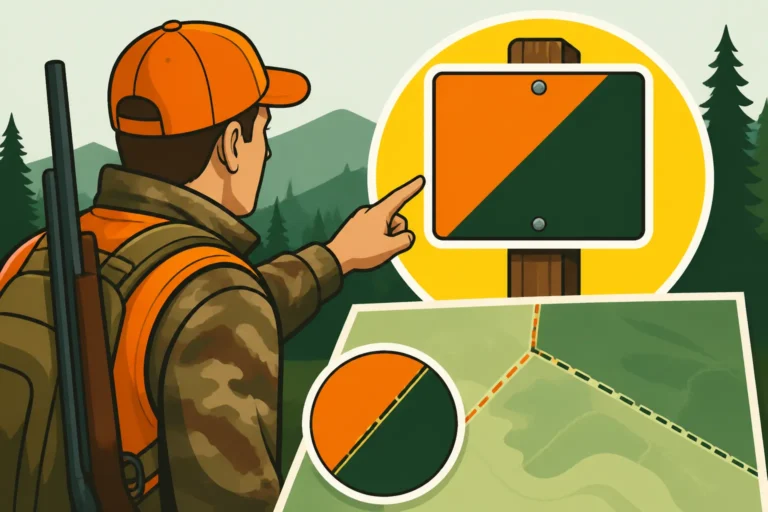
Respecting boundaries is another non-negotiable. While mapping tools like onX Hunt or GoHunt are incredibly helpful for identifying public land, always be mindful of physical signs and property markers. It's a good idea to know the rules for retrieving game from private land if a wounded animal crosses a boundary – generally, you need permission. New York Trespass and Permission Law outlines these specifics.
Respecting the Resource and Other Users
Hunting on public land is a privilege, and treating the land with respect ensures it remains available for future generations. This means practicing "Leave No Trace" principles: pack out everything you pack in, including spent shell casings, food wrappers, and any garbage. Avoid creating new trails or disturbing sensitive habitats unnecessarily.
Be aware of other public land users. You might encounter hikers, horseback riders, or mountain bikers on trails, especially closer to parking areas. A friendly wave and a moment of courtesy go a long way. If you're setting up a treestand, be sure to follow all Treestand Rules on New York Public Land, including the requirement to remove stands at the end of the season. Ground blinds should be temporary and not permanently affixed.
Finally, proper game handling, including field dressing and transporting your harvest, is part of ethical hunting. Knowing how to Field Dressing a Deer in Cold Weather or Blood Trailing After Dark in New York are essential skills. Promptly reporting your harvest to the DEC, as required, provides crucial data for wildlife management. By being a responsible and ethical hunter, you contribute to a positive image of hunting and help ensure that Wyoming County's public lands remain a vibrant resource for all.
Disclaimer
This article is for general informational purposes only and does not constitute professional advice. Laws, prices and regulations vary by location and change over time. Consult a qualified professional for guidance on your specific situation.