How New York’s Two Deer Zones Split the Calendar
Navigating New York's deer hunting regulations can feel like deciphering a secret code, especially when you realize the entire state doesn't operate on a single, unified calendar. Many hunters find themselves scratching their heads, trying to keep straight when archery season opens here versus there, or why certain firearm opportunities exist in one region but not another. This comprehensive guide is here to untangle the complexities of New York's two distinct deer hunting zones and how they dictate the hunting calendar, helping you plan your seasons more effectively and confidently.
Understanding New York's Geographic Divide for Deer Hunting
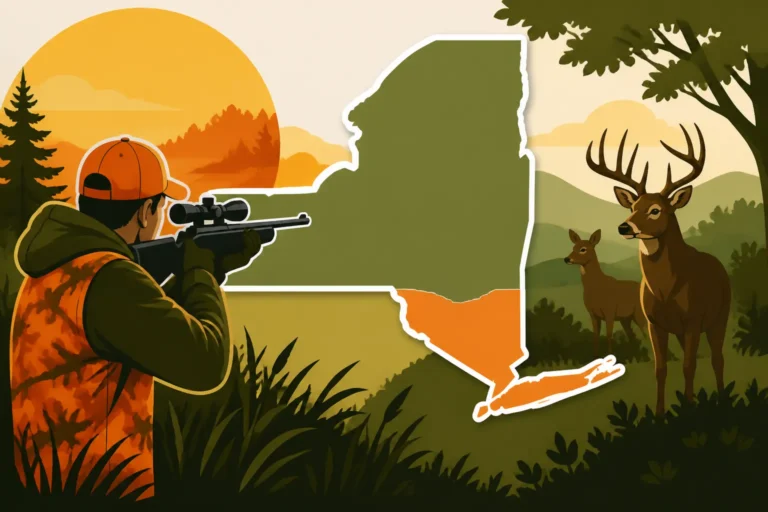
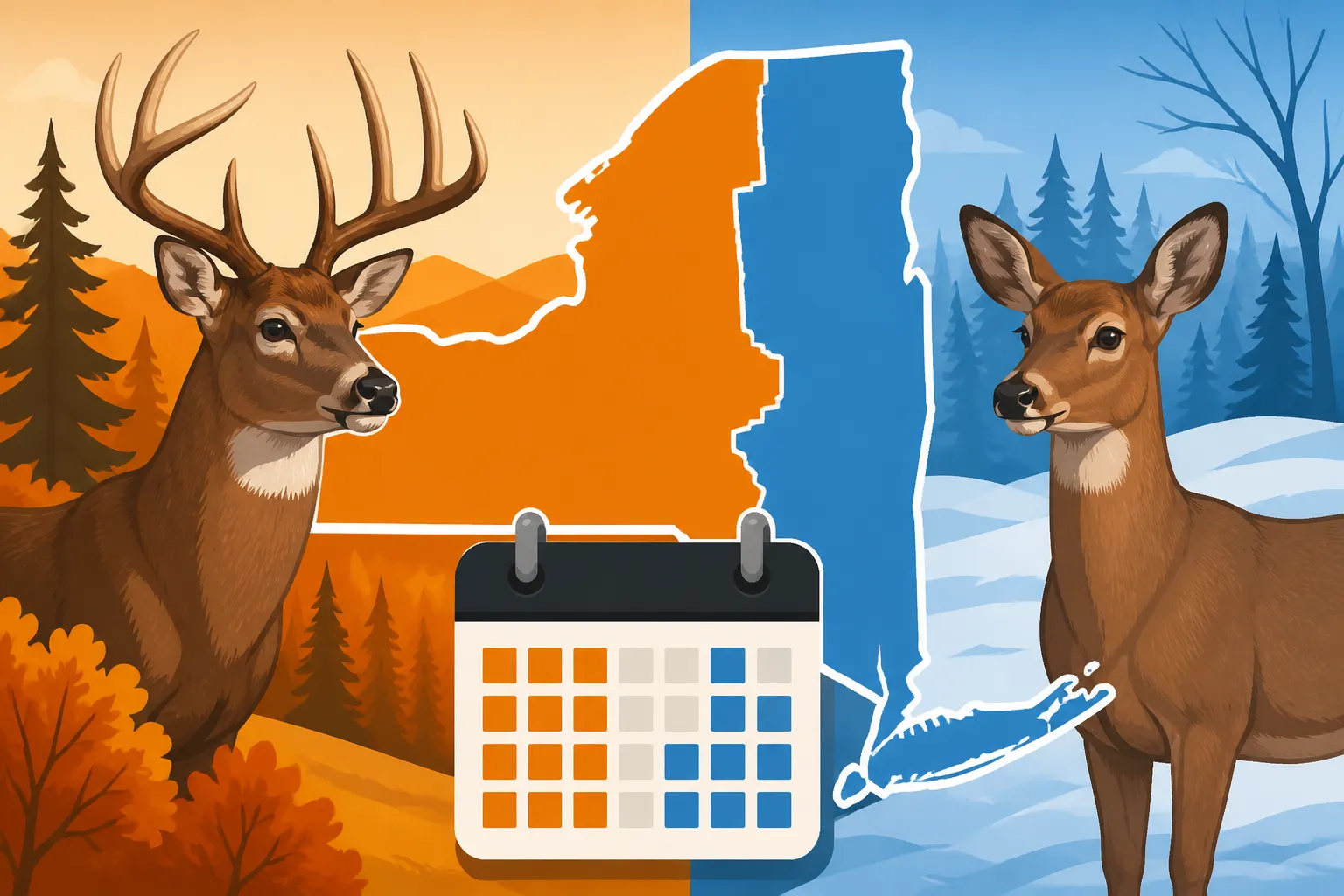
New York State is a geographically diverse place, stretching from the dense urban and suburban landscapes of Long Island and the Hudson Valley all the way up to the vast, wild expanses of the Adirondack Park and beyond. To effectively manage deer populations and provide fair chase opportunities across such varied terrain and human population densities, the New York State Department of Environmental Conservation (DEC) wisely divides the state into two primary deer hunting zones: the Southern Zone and the Northern Zone. This isn't just a line on a map; it's a fundamental difference in how deer are managed and how hunting seasons are structured, profoundly impacting every hunter's calendar.
The Southern Zone: Population Density and Agriculture
The Southern Zone encompasses the vast majority of New York's land area, including the Southern Tier, Finger Lakes, Catskills, Hudson Valley, and Long Island. This region is characterized by a mix of agricultural lands, suburban areas, scattered rural towns, and expansive hardwood forests. Deer populations here are generally robust, with higher densities than in the Northern Zone, largely due to better food sources and milder winters. The pressure from human development and agriculture also plays a significant role in management strategies, often necessitating longer seasons and more opportunities for antlerless harvest. This is where you'll find the most hunters, the most accessible public lands within State Forests and Wildlife Management Areas, and generally, a more consistent deer harvest year after year. Understanding the nuances of the Southern Zone calendar, often called "The New York Southern Zone Calendar," is critical for most New York deer hunters, as this is where the bulk of the action happens.
Given the higher deer densities and the need for population control, the Southern Zone typically enjoys longer hunting seasons across all weapon types. This is particularly evident in the archery season, which stretches for weeks, and the general firearm season, which provides a solid three-week window in November and early December. The DEC's approach in the Southern Zone is often focused on balancing recreational hunting opportunities with agricultural damage control and reducing deer-vehicle collisions. This means more flexibility for hunters, more Deer Management Permits (DMPs) to fill, and a calendar that’s designed to maximize harvest potential.
The Northern Zone: Vast Forests and Harsh Winters
In stark contrast, the Northern Zone covers the expansive, rugged, and often remote Adirondack and Tug Hill regions. This is a land of vast wilderness, boreal forests, and long, brutal winters that can heavily impact deer survival. Deer populations in the Northern Zone are naturally lower than in the Southern Zone, a direct consequence of the less fertile habitat and the unforgiving climate. The terrain here is challenging, characterized by steep mountains, thick timber, and often deep snow for extended periods. Hunting in the Northern Zone is a different beast entirely, requiring more physical exertion, a greater tolerance for cold, and often a willingness to venture deep into public land.
The differences in the calendar between the two zones directly reflect these ecological realities. The Northern Zone's seasons are generally shorter and earlier, designed to reduce pressure on a deer herd that faces significant winter mortality. For instance, the firearm season in the Northern Zone kicks off earlier in October and wraps up before the deep snows typically arrive, preventing hunters from targeting deer that are already stressed from early winter conditions. This management strategy prioritizes the long-term health and sustainability of the deer herd in a more fragile ecosystem, making "The New York Northern Zone Calendar" a crucial resource for those who brave its wilderness.
How the Zones Dictate Archery and Muzzleloader Seasons
The initial split in the deer hunting calendar between New York's Northern and Southern Zones becomes immediately apparent when looking at the archery and muzzleloader seasons. These early and transitional periods are carefully timed to offer opportunities without undue pressure, but their durations and start dates vary significantly to match the environmental conditions and deer behaviors in each region. Hunters need to be acutely aware of these distinctions to ensure they are afield legally and during the prime windows.
Early Archery Opportunities and Lengths
For many dedicated bowhunters, the start of archery season is the unofficial kick-off of deer season proper. In the Southern Zone, hunters are blessed with an incredibly generous archery season that typically opens in early October and runs for well over a month, leading right into the firearm season. This long window provides ample opportunity to scout, set stands, and encounter deer during the early fall patterns before the rut fully kicks in. It allows for flexibility, letting hunters work around busy schedules or unfavorable weather. This extended period is a key reason why Bowhunting New York's Long Archery Season is such a popular method in the Southern Zone, allowing hunters to capitalize on various stages of deer behavior, from early feeding patterns to the pre-rut excitement.
The Northern Zone, however, operates on a different schedule, reflecting its tougher conditions and lower deer densities. The archery season here typically opens a bit earlier than the Southern Zone, often in late September, but it generally runs for a shorter duration, often wrapping up before the firearm season begins. This earlier start is crucial because it allows hunters to pursue deer before they become heavily focused on preparing for the harsh winter and before major snowfalls make travel difficult. While still a fantastic opportunity, the shorter window means Northern Zone bowhunters need to be more strategic and often more adaptable to changing weather conditions. For a detailed look at specific dates, checking the DEC's official guide or using a platform like GoHunt to visualize the calendar is essential, especially when considering When New York's Archery Season Opens in each zone.
Muzzleloader Seasons: The Bridge Between Archery and Firearms
Muzzleloader season serves as a critical bridge, often occurring between the main archery season and the general firearm season, or as an extension afterward. Its timing and duration are another prime example of how New York's two deer zones manage hunting opportunities distinctly. The traditional muzzleloader season, for instance, provides a unique challenge, often involving colder weather and deer that are beginning to feel hunting pressure.
In the Southern Zone, the muzzleloader season typically follows the main firearm season, offering an additional week or two of hunting into mid-December. This late season opportunity is invaluable, especially for hunters who still have DMPs to fill or those looking for a late-season buck. The deer are often yarded up or concentrated around remaining food sources, making this a strategic time to hunt. However, hunters must be prepared for colder temperatures and potential snow, which can dramatically change deer movement and accessibility. This late muzzleloader period can be incredibly productive, often discussed in depth for those interested in Muzzleloader Deer Hunting in New York.
The Northern Zone's muzzleloader calendar is structured differently. It often occurs for a week or two before the general firearm season, usually in mid-October. This timing allows muzzleloader hunters to be in the woods during the peak of fall foliage and before the full impact of general firearm pressure. It’s an opportunity to hunt a less pressured deer herd, albeit in a region with naturally lower densities. The earlier timing avoids the extreme cold and deep snow that would typically characterize a late-season hunt in the Adirondacks. It's a testament to how the DEC tailors opportunities to the unique ecological and climatic conditions of each zone. Hunters planning to hunt the Northern Zone with a muzzleloader need to pay close attention to these specific mid-October dates, as they are a brief but exciting window.
Firearm Season Dynamics in Each Zone
When most people think of "deer season," they're often picturing the general firearm season. This is when the majority of New York hunters take to the woods, and it represents the greatest harvest potential for the state's deer population. However, even this cornerstone of hunting is fundamentally split by the Northern and Southern Zone divide, creating vastly different experiences and requiring distinct strategies. Understanding these differences is paramount, not just for legal compliance, but for maximizing your chances of success.
Southern Zone's Main Firearm Event
The Southern Zone's firearm season is truly the main event for most hunters in New York. It typically opens in mid-November and runs for approximately three weeks, often encompassing Thanksgiving. This timing is strategic, designed to coincide with the peak of the whitetail rut across much of the region, which is when bucks are most active and vulnerable. The Southern Zone offers hunters the opportunity to pursue deer with rifles, shotguns, or muzzleloaders, depending on local town ordinances and weapon of choice, giving immense flexibility. This long, continuous season is a major draw and is meticulously detailed in resources like New York's Southern Zone Firearm Season, which outlines legal considerations and effective tactics.
During this period, you'll find everything from hunters still-hunting through Catskill ridges, waiting patiently in treestands overlooking Southern Tier farm fields, or participating in well-coordinated deer drives on state forests. The sheer duration of the season, combined with typically milder November weather (though sudden snowfalls are always possible), allows hunters to adapt their methods and capitalize on changing deer patterns. The longer season also facilitates the harvest of antlerless deer via DMPs, which are critical for maintaining healthy herd numbers in the more populous Southern Zone. It’s a time of tradition, community, and often, incredible deer hunting action.
Northern Zone's Earlier, Shorter Rifle Window
Hunting in the Northern Zone during firearm season is a different endeavor altogether. The firearm season here opens significantly earlier than in the Southern Zone, often in mid-October, and runs for a shorter period, typically just over two weeks. This earlier and condensed schedule is a direct response to the ecological realities of the Adirondack and Tug Hill regions. The deep snows of late November and December can make hunting extremely difficult and put undue stress on a deer herd that already faces a tough winter. Therefore, the season is structured to allow harvest before these conditions become prevalent. New York's Northern Zone Firearm Season dives deep into the specific dates and rules governing this unique hunting period.
The species of deer found in the Northern Zone are often larger-bodied and heartier, adapted to the harsher environment. Hunting methods often involve expansive still-hunting through vast tracts of state land, or finding funnels and bedding areas in thick Adirondack timber. Because the season occurs before the peak of the rut, hunters often focus more on food sources and early-season travel corridors. While the Northern Zone is rifle-only (unless in specific areas where shotguns are mandated), the shorter duration means hunters need to be diligent and make the most of every day afield. The experience is often more about solitude and wilderness adventure, with the bonus of chasing truly wild, mountain-hardened whitetails.
Special Season Additions: Youth Hunts and Holiday Hunts
Beyond the core archery, muzzleloader, and firearm seasons, New York's deer hunting calendar includes special opportunities designed to specific hunter demographics or to help manage deer populations more effectively. These additions, while important, also adhere to the Northern and Southern Zone split, creating further distinctions that hunters need to understand to plan their outings. These special seasons are often prime examples of how the DEC uses the calendar to balance opportunity with conservation goals.
The Statewide Youth Deer Weekend
One of the most cherished special seasons is the Youth Deer Weekend, a fantastic opportunity designed to introduce young hunters to the sport in a less pressured environment. This weekend typically occurs in early October, regardless of whether you're in the Northern or Southern Zone. This statewide consistency is a thoughtful approach, allowing families across New York to plan a dedicated hunting trip together without worrying about different zone dates. During this special weekend, junior hunters (usually 12-15 years old) can pursue deer with a firearm (or bow/crossbow) under the direct supervision of a licensed adult mentor, even before the regular firearm seasons open. This is a critical initiative, often highlighted in discussions about Why New York Runs a Separate Youth Weekend, aimed at fostering the next generation of hunters.
The rules for the Youth Deer Weekend are specific: the adult mentor cannot carry a firearm or bow, allowing the focus to remain entirely on the youth hunter. It's an excellent chance for young hunters to experience deer hunting during a time when deer are often still in predictable early-fall patterns, and the woods are quieter. For parents or mentors using tools like GoHunt, marking this weekend on the calendar is a priority, ensuring all necessary licenses and permits are in order for the junior hunter. It’s a truly special time in the woods, building memories and skills that last a lifetime.
The Southern Zone Holiday Deer Hunt and its Nuances
As the primary firearm season winds down, hunters in the Southern Zone are often granted an additional opportunity: the Holiday Deer Hunt. This season, often called the "Holiday Hunt," is a unique extension of the archery and muzzleloader seasons, running from late December into early January. It's specifically designed to provide more antlerless harvest opportunities, particularly in areas where deer populations remain high, and to offer hunters a chance to extend their season into the colder months. This special hunt, usually restricted to bow and muzzleloader only, is a perfect example of adaptive management. Information on specific dates and regulations can be found in resources like New York Holiday Deer Hunt Rules.
Crucially, this Holiday Deer Hunt is only available in the Southern Zone, and not even in all WMUs within the Southern Zone. The Northern Zone does not have a corresponding holiday hunt due to its harsher winter conditions and lower deer densities, as explained in articles like Why the Northern Zone Has No Holiday Hunt. This distinction is vital for hunters to remember. For those participating, it's a chance to hunt deer in potentially deep snow, often around late-season food sources like standing cornfields or browse. The woods are generally much quieter, and the cold weather can concentrate deer, making for some intense hunting. It's a challenging but rewarding period, requiring proper cold-weather gear and an understanding of late-season deer behavior.
Strategic Planning for Multi-Zone Hunters
For the adventurous hunter who enjoys the diverse landscapes and challenges New York offers, venturing between the Northern and Southern Zones throughout the season can be an incredibly rewarding experience. However, it requires meticulous planning and a keen understanding of how the distinct calendars align, overlap, or diverge. Simply put, you can't just assume the rules and dates that apply to your backyard hunt in the Southern Tier will work for a remote Adirondack excursion. Strategic planning, often aided by modern digital tools, is key to making the most of a multi-zone season.
Leveraging Overlapping Opportunities
While the zones largely have different calendars, there are periods of overlap that multi-zone hunters can strategically exploit. For instance, the Youth Deer Weekend is statewide, offering a consistent opportunity for mentors and young hunters regardless of their preferred zone. Similarly, if you manage to fill your Southern Zone tags early, you might still have time to head north for the Northern Zone firearm season, which starts and ends earlier. Or, if you primarily hunt the Northern Zone, you could potentially wrap up your hunt there and then travel south for the peak of the Southern Zone's firearm rut. This requires careful consideration of travel time, lodging, and, most importantly, which tags you have available for each zone.
The key to leveraging these overlaps is staying incredibly organized. Hunters often use apps or online resources, such as those found on GoHunt, to keep track of critical dates for both zones. This allows them to visualize their entire season, from the earliest archery openers in one zone to the late muzzleloader extensions in another. Imagine finishing a rigorous week of hunting in the Adirondacks in mid-October, then traveling south to prepare for the Southern Zone's firearm opener in mid-November – it’s a marathon, not a sprint, and these strategic shifts can make your season incredibly productive. Always double-check current year regulations, as specific dates can shift slightly from year to year.
Utilizing Digital Tools for Calendar Management
Gone are the days when a crumpled paper calendar was your only guide. Today's New York hunters have a wealth of digital tools at their fingertips to help manage the intricate calendar split between the Northern and Southern Zones. Apps and websites provided by the DEC, as well as third-party hunting platforms, offer interactive maps and season date breakdowns that can be invaluable. These tools allow hunters to not only see the dates at a glance but also often overlay them with public land boundaries, weather forecasts, and even harvest data, creating a comprehensive planning resource.
For example, using the official NYS DEC HuntFishNY app or online tools can help you keep track of your license and permits, report harvests, and check regulations on the go. Many hunters also rely on advanced mapping and scouting platforms, like GoHunt, which often have integrated season date layers that can be customized for specific zones and species. Being able to quickly filter seasons by zone, weapon, and even specific WMU (Wildlife Management Unit) can save hours of research and prevent costly mistakes. This level of digital organization is particularly crucial when dealing with varying regulations for New York Deer Seasons by Zone or trying to figure out how many New York Deer Management Permits Explained you can apply for in each specific area. By embracing these digital aids, hunters can confidently navigate the complex calendar and maximize their time in the field, whether they stick to one zone or traverse both.
| Season Type | Northern Zone Typical Dates | Southern Zone Typical Dates | Notes |
|---|---|---|---|
| Archery | Late Sept. – Mid Oct. (Shorter) | Early Oct. – Mid Nov. (Longer) | Southern Zone often leads into firearm season. |
| Muzzleloader | Mid Oct. (Before Firearm) | Mid Dec. (After Firearm) | Timing aims to reduce pressure on specific deer populations. |
| Firearm | Mid Oct. – Early Nov. (Shorter) | Mid Nov. – Early Dec. (Longer) | Northern Zone avoids deep snows; Southern Zone targets peak rut. |
| Youth Hunt | Early Oct. (Statewide) | Early Oct. (Statewide) | Same weekend for both zones to promote youth participation. |
| Holiday Hunt | Not applicable | Late Dec. – Early Jan. (Limited) | Southern Zone only, bow/muzzleloader, for antlerless management. |
Disclaimer
The information provided in this guide is for general informational purposes only and is subject to change. Hunting regulations, season dates, and specific rules are determined by the New York State Department of Environmental Conservation (DEC) and can vary annually. It is the responsibility of every hunter to consult the most current official DEC hunting regulations guide before participating in any hunting activity. Failure to do so could result in fines or penalties.