Hunting the New York Youth Deer Weekend
Trying to introduce a young hunter to the incredible tradition of deer hunting can feel like navigating a maze of regulations, especially when it comes to New York’s special youth deer weekend. It’s tough enough to keep a kid engaged, let alone figure out all the specific dates, zones, and rules that apply to them. This comprehensive guide is here to untangle that complexity, offering practical advice and breaking down everything you need to know to make the New York Youth Deer Weekend a safe, successful, and memorable experience for your junior hunter.
Understanding the Youth Deer Weekend in New York
The New York Youth Deer Weekend is a fantastic opportunity, specifically designed to give young hunters a head start on the season, fostering a love for hunting and conservation in a less pressured environment. It's not just about getting a deer; it's about creating lasting memories, teaching responsibility, and instilling ethical hunting practices. But before you head out, understanding the nitty-gritty of how this special season works is paramount.
Eligibility and Requirements for Junior Hunters
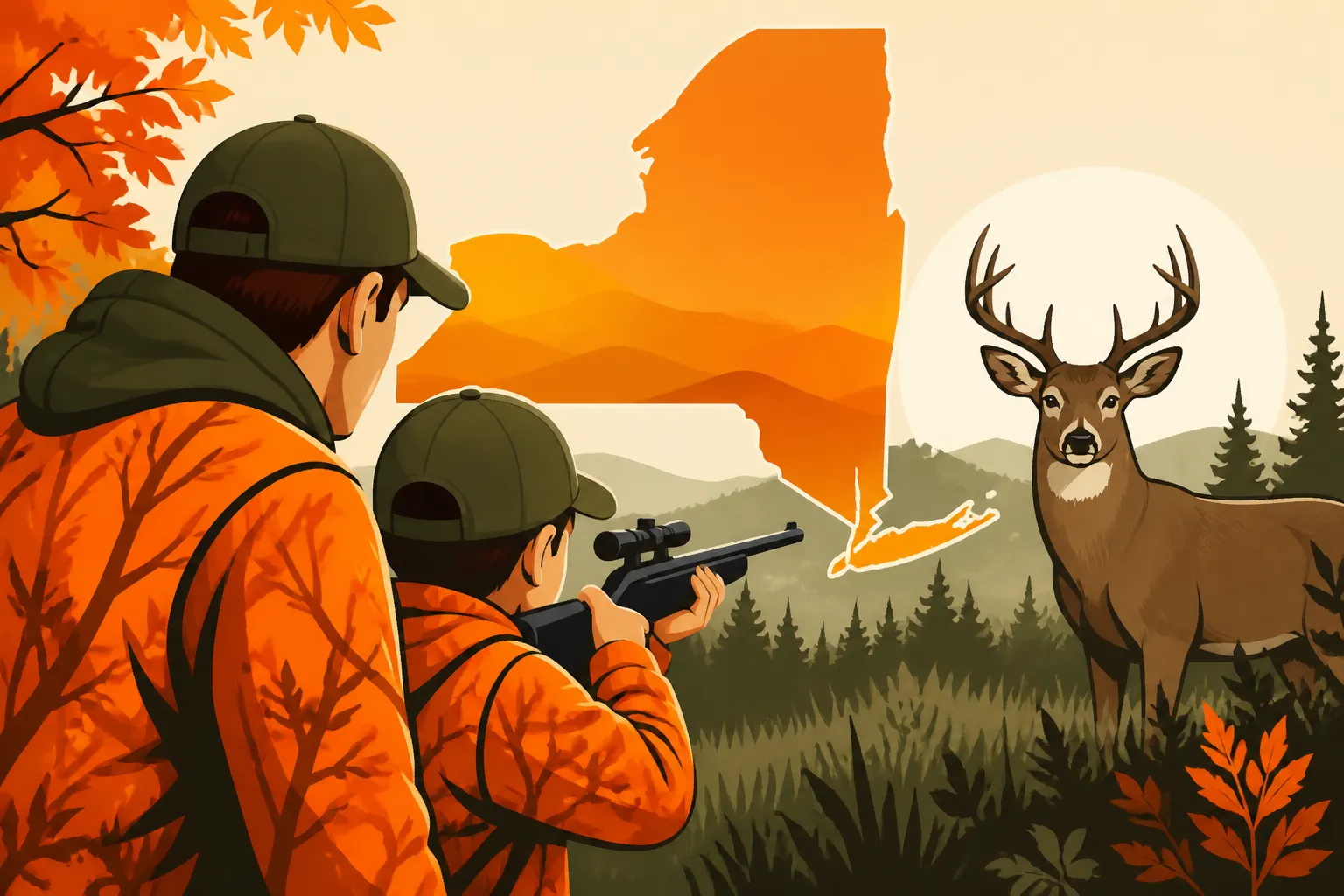
First things first, who can participate? The New York Youth Deer Weekend is open to junior hunters aged 12 to 15. This isn't an arbitrary age range; it's carefully set by the New York Department of Environmental Conservation (DEC) to ensure that participants are mature enough to handle a firearm safely while still requiring the close supervision of an experienced adult. To be eligible, the young hunter must hold a valid New York hunting license. Don't forget, they also need to have successfully completed a hunter education course. For many new hunters, this often involves the specific New York Hunter Education Requirements that outline safety, ethics, and responsible firearm handling. This foundation is critical not just for legal compliance, but for instilling the deep respect for wildlife and the land that we all value.
Beyond the license and education, the junior hunter must be accompanied by a licensed adult mentor. This mentor must be 21 years of age or older and possess a valid New York hunting license. The mentor cannot carry a firearm or bow themselves during the youth deer hunt, which ensures their full attention is on the junior hunter's safety and guidance. This isn't just a chaperone role; it's an active coaching position, teaching everything from proper shooting form to responsible game recovery. This one-on-one mentorship is truly the cornerstone of the youth weekend, providing an invaluable learning experience that can't be replicated during a regular season hunt.
Key Dates and Season Structure
The beauty of the New York Youth Deer Weekend lies in its timing. It typically occurs over a specific two-day period, usually a Saturday and Sunday, in early October. This timeframe is strategically chosen. For most of the state, particularly the Southern Zone, it falls before the regular archery season opener and significantly before the general firearm season. This offers junior hunters a unique, low-pressure window to be in the woods when deer patterns might be more predictable and less influenced by widespread hunting pressure. It's a fantastic chance for a young hunter to experience solitude and focus on their hunt.
It's crucial to check the specific dates each year on the official DEC website, as they can shift slightly. This weekend usually applies statewide, in both The New York Southern Zone Calendar and The New York Northern Zone Calendar, but always double-check for any local exceptions or specific Wildlife Management Unit (WMU) rules. During this special weekend, junior hunters are allowed to take one antlerless deer and one antlered deer. The antlered deer must meet any antler restriction rules that might be in place for that specific WMU. For the antlerless deer, they'll typically use a Deer Management Permit (DMP) or a regular deer tag if they’re in an unlimited WMU. Understanding New York Deer Management Permits Explained is vital, as DMPs are often how hunters fill their antlerless quotas, and the rules around applying for and using them can be nuanced. This early season opportunity often finds deer still in their summer patterns, focusing on reliable food sources, which can make scouting and predicting movement a bit easier for a young hunter.
Permitted Methods and Zones
During the New York Youth Deer Weekend, junior hunters are typically permitted to use firearms, including rifles, shotguns, and muzzleloaders, or crossbows and bows, depending on their hunting privileges and the specific regulations for that year. If they're using a crossbow, it’s vital to ensure they have the proper New York Crossbow and Bow Regulations endorsement on their license. This is not a "free-for-all" hunt; all standard safety and equipment regulations apply. The mentor plays a critical role in ensuring the junior hunter understands and follows all firearm safety protocols, from muzzle control to target identification.
This early October timing often means the weather can be quite pleasant, making for a comfortable introduction to deer hunting. However, it also means deer might still be in heavier cover, and leaves are likely still on the trees, impacting visibility. The ability to use a firearm during this period, even in zones that later become bow-only or shotgun-only, provides junior hunters with a significant advantage in terms of effective range and shot placement confidence. It’s designed to maximize their chances of success, which is a powerful motivator for new participants. Remember, while most of New York is open, always confirm the specific WMU you plan to hunt in, as certain areas, like Westchester County, have stricter firearm regulations or may be bow-only even during youth hunts.
Preparing for the Hunt with Young Hunters
Preparation is key to any successful hunt, but it takes on an even greater importance when you’re introducing a young person to the outdoors. It's not just about having the right gear; it's about cultivating a mindset, building skills, and ensuring safety above all else. A well-prepared youth hunter is a confident and engaged hunter, and that's the ultimate goal.
Pre-Season Scouting and Familiarization
This is where the real work, and much of the fun, begins long before opening day. Pre-season scouting for the youth deer weekend is absolutely essential. Deer patterns in early October can be quite different from those during the late rut or the firearm season. Focus on finding reliable food sources like acorn flats, apple orchards, or standing agricultural fields. Look for fresh deer sign: tracks, droppings, and rubs on smaller trees. Don't forget to check bedding areas, which in early season might be thicker cover adjacent to food sources. Using tools like the Using the New York HuntFishNY Map Tool or even a premium mapping app like GoHunt can be incredibly helpful for identifying potential hotspots, property boundaries, and access points on public land.
Take your junior hunter with you on these scouting trips. It’s not just about you finding deer; it’s about teaching them how to read the landscape, identify sign, and understand deer behavior. Point out rubs and scrapes, explain why deer might use a particular trail, or how wind direction impacts their movement. Familiarize them with the terrain they'll be hunting. Walk the trails, identify key landmarks, and discuss potential shot angles and safe shooting lanes from a prospective stand location. This hands-on experience builds their confidence and helps them feel invested in the hunt, transforming it from a passive waiting game into an active, engaging pursuit. Even if you're hunting private land, a landowner might appreciate you using a tool like GoHunt to show them how you're respecting their property lines while scouting.
Gear Essentials and Safety First
Having the right gear is non-negotiable, but safety gear should always take precedence, especially with a young hunter. The most critical item, beyond their firearm or bow, is a properly fitted safety harness if hunting from a treestand. Accidents happen, and a fall from a stand can be devastating. Spend time ensuring their harness is correctly adjusted and they know how to use it. When considering Treestand Setups in Adirondack Hardwoods, always prioritize safety. Additionally, proper blaze orange or blaze pink clothing is required for junior hunters and their mentors during the youth firearms season, as per New York Blaze Orange Requirements. This isn't just a rule; it's a vital safety measure that makes them visible to other hunters in the woods.
Beyond safety, consider comfort. Early October weather in New York can be unpredictable – from warm, sunny days to chilly, damp mornings. Dress in layers to adapt to changing temperatures. Good quality, waterproof boots are essential for staying dry and comfortable, especially during long sits or walks through dewy fields. A comfortable seat cushion or a lightweight blind chair can make a world of difference for a young hunter’s patience. Don’t forget essentials like a good headlamp for walking in and out in low light, plenty of water, snacks, and a small first-aid kit. The goal is to make their experience as positive and comfortable as possible, so they want to come back for more.
Mentoring and Skill Building
The role of the mentor during the youth deer weekend is multifaceted and goes far beyond simply accompanying the junior hunter. It's about skill-building, patience, and fostering a deep appreciation for the outdoors. Before the hunt, spend significant time at the shooting range. Ensure the junior hunter is completely comfortable and proficient with their chosen hunting implement. Practice shooting from different positions, including sitting and standing, and at varying distances relevant to your hunting scenario. Consistency and confidence in their shot are paramount for an ethical harvest.
During the hunt, patience is your greatest virtue. Young hunters, especially those new to it, might fidget, talk, or get distracted easily. Gently guide them, teach them how to stay still, whisper about approaching deer, and explain why certain behaviors are necessary. Use every moment as a teaching opportunity: identify bird calls, explain wind currents, or discuss the local flora and fauna. Remember, the primary goal isn't just to harvest a deer, but to cultivate a responsible and passionate hunter. Celebrate small victories, like spotting a squirrel or identifying a bird, and emphasize the overall experience of being in nature. This approach will pay dividends in fostering a lifelong love for hunting, far beyond any single harvest.
Tactics for a Successful Youth Deer Hunt
Now that you've got the rules down and your junior hunter is prepped, it's time to talk strategy. Hunting the New York Youth Deer Weekend offers unique advantages, and tailoring your tactics to this early season window can significantly boost your chances of success.
Locating Deer on Youth Weekend
Early October deer in New York are often still primarily focused on food, and their patterns haven't been severely disrupted by heavy hunting pressure. This is a huge advantage for junior hunters. Your scouting efforts should pay off in identifying key feeding areas. Look for oak ridges loaded with acorns, especially white oak acorns which deer often prefer. Apple orchards, both wild and domestic, can be magnets for deer, particularly in the Southern Tier. If hunting near agricultural areas, fields of standing corn, soybeans, or alfalfa can be prime locations. Consider Hunting a Standing Cornfield in Farm Country as a key tactic. Deer will often stage in thick cover adjacent to these food sources before moving out to feed in the evenings or retreating to bed in the mornings.
Pay close attention to funnels and travel corridors between bedding and feeding areas. These might be narrow strips of woods, old fence lines, ditches, or changes in topography. These natural pinch points concentrate deer movement and can offer excellent opportunities for a shot. Early season deer, especially bucks, can be a bit more predictable, still holding to summer patterns before the rut kicks in. Utilize mapping apps like GoHunt to pinpoint these features, especially if you're on unfamiliar public land or trying to maximize your limited scouting time. During this time, deer will be less wary than during the peak of the Hunting the New York Rut in November, so their movements can be more consistent.
Stand Placement and Still-Hunting Strategies
Given the early season conditions, your choice of hunting method and stand placement is critical. With leaves often still on the trees, visibility can be limited, making carefully selected treestand or ground blind locations crucial. For treestands, focus on those funnels or the edges of dense bedding cover overlooking food sources. Pay attention to prevailing winds and thermal currents, especially if hunting steep terrain in areas like the Catskills, where Wind and Thermals on a Catskill Ridge can play a significant role. Always position your stand to keep your scent out of the primary deer approach routes.
Ground blinds can be an excellent option for youth hunters, offering warmth, comfort, and the ability to move a bit more without being detected. They're also a safer choice for very young hunters or those less comfortable with heights. Set up a ground blind along a field edge, near a major trail, or tucked into a thicket overlooking a food source. Make sure it's brushed in naturally to break up its outline. When considering Using a Ground Blind on New York Public Land, remember to check specific WMA rules on blind placement and duration.
Still-hunting can also be very effective during this period, especially in areas with good visibility or if deer are pressured. Move slowly, taking one or two steps, then pausing to observe for several minutes. Use binoculars to scan ahead for subtle deer movement or parts of an animal. This method requires a lot of patience and discipline, making it a valuable skill for a junior hunter to learn, but it might be more challenging for a fidgety beginner. Focus on moving into the wind and using natural terrain features to break up your silhouette.
Managing Expectations and Enjoying the Experience
Perhaps the most important tactic for a successful youth deer hunt has nothing to do with deer at all: it’s managing expectations. It's easy for both mentor and junior hunter to get caught up in the idea of harvesting a deer, but the reality is that success isn't always measured in antlers or venison. For a young hunter, simply being in the woods, experiencing nature, learning new skills, and spending quality time with a mentor is a victory in itself. Emphasize the experience, not just the outcome.
Be prepared for the unexpected. A deer might walk by at last light just out of range, or a perfectly good opportunity might be missed due to nerves or a slight miscalculation. These are teachable moments, not failures. Talk through what happened calmly and constructively. Celebrate the small things: seeing other wildlife, watching the sunrise, or simply enjoying the peace and quiet of the forest. If the junior hunter gets restless, have engaging conversations about nature, review their knowledge of tracking, or share stories of your own hunting experiences. The goal is to make them want to come back next year, regardless of whether they punch a tag. The Youth Deer Weekend is about building a foundation for a lifelong passion.
Post-Harvest Considerations and Next Steps
The moment a junior hunter successfully harvests a deer is exhilarating and marks a significant milestone in their hunting journey. But the hunt doesn't end with the shot; there are crucial responsibilities that follow, from legal requirements to proper game care. These steps are just as important as the hunt itself, reinforcing the ethics and respect for the animal.
Reporting Your Harvest
In New York, reporting your deer harvest is a legal requirement and an essential part of responsible deer management. All deer taken, including those harvested during the Youth Deer Weekend, must be reported to the DEC within seven days of the kill. This can be done online through the Reporting a New York Deer Harvest Online system or by calling the toll-free harvest reporting hotline. The information you provide—such as the date, WMU, sex of the deer, and whether it was antlered or antlerless—is critical data used by the DEC to monitor deer populations, assess herd health, and make informed management decisions for future seasons.
As a mentor, it's your responsibility to guide the junior hunter through this process. Explain why reporting is important and how their contribution helps conserve the deer resource for everyone. Let them actively participate in filling out the report, so they understand their role in the bigger picture of wildlife management. It’s a teachable moment that underscores the privilege and responsibility that comes with being a hunter.
Meat Care and Processing Basics
Once the deer is on the ground, proper meat care is paramount, especially in early October when temperatures can still be quite warm. The first step is to field dress the deer promptly. This removes the internal organs, allowing the carcass to cool down quickly and preventing bacterial growth. Teach your junior hunter the process of Field Dressing a Deer in Cold Weather, even if it's not cold yet, as the principles of cleanliness and speed are universal. Explain the anatomy, the importance of keeping the meat clean, and how to safely use a knife.
After field dressing, get the deer cooled as quickly as possible. If temperatures are warm, consider quartering the animal and placing the meat in coolers with ice. For whole deer, hang it in a cool, shaded area if possible, ensuring good air circulation. If you're planning to take the deer to a professional processor, get it there promptly. If you're planning to butcher it yourself, ensure you have the necessary tools and a clean workspace. This entire process, from field to freezer, reinforces the full cycle of the hunt and the respect owed to the animal. It's a hands-on lesson in self-sufficiency and resourcefulness that further connects the young hunter to their harvest.
| Aspect | Youth Deer Weekend Rules | General Season Comparison |
|---|---|---|
| Eligible Hunters | Junior Hunters (12-15 years old) | All licensed hunters (12+ for deer) |
| Mentor Requirement | 21+ licensed adult, no firearm/bow | No specific mentor requirement for licensed adults |
| Typical Dates | Early October (2-day weekend) | Varies widely by zone & method (Archery, Muzzleloader, Firearm) |
| Bag Limit | 1 Antlerless, 1 Antlered (meeting APRs if applicable) | Varies by license, DMPs, and WMU rules |
| Permitted Weapons | Firearm/Bow/Crossbow (with privileges, subject to local rules) | Varies by zone & season (e.g., shotgun-only zones for firearm) |
| Hunting Pressure | Generally lower due to limited eligibility | Higher, especially on public lands during firearm season |
| Deer Behavior | Typically still on summer patterns, food-focused | Influenced by rut, weather, and hunting pressure |
Reflecting on the Hunt and Future Seasons
Once the dust settles, and whether a deer was harvested or not, take time to reflect on the experience with your junior hunter. Talk about what went well, what could have been done differently, and what new things they learned. This debriefing is invaluable for solidifying lessons and building confidence. Ask them what they enjoyed most, what was challenging, and what they’re excited about for future hunts.
This youth hunt is just one step in a longer journey. Discuss plans for next season, perhaps reviewing New York Hunting Licenses and What They Cost and making sure they understand renewals. Maybe they want to try Muzzleloader Deer Hunting in New York in December, or focus on scouting specific areas next summer. Encourage them to keep honing their skills, whether it’s practicing at the range, learning more about deer biology, or even helping with habitat improvement projects. The New York Youth Deer Weekend is more than just a hunt; it's a rite of passage and an opportunity to ignite a lifelong passion for ethical hunting and a deep connection to the wild places of New York.
Disclaimer
Please remember that hunting regulations, dates, and requirements can change. Always consult the official New York State Department of Environmental Conservation (DEC) hunting regulations guide or their website for the most current and accurate information before planning any hunting activity. This guide is for informational purposes only and should not replace official sources.