Ground Blinds on Southern Tier Field Edges
Hunting the vast, open field edges of New York's Southern Tier can feel like trying to disappear in a parking lot when all the deer have eyes like hawks. You've spotted those big bucks moving at dawn and dusk, but getting close enough for a shot without being spotted yourself is a whole different ballgame. This guide is going to walk you through everything you need to know about effectively using ground blinds on these challenging field edges, helping you turn those frustrating near-misses into successful hunts.
The Undeniable Advantage of Ground Blinds on Southern Tier Field Edges
The Southern Tier of New York is a mosaic of rolling hills, dense woodlots, and sprawling agricultural fields – a landscape that presents both incredible opportunity and unique challenges for deer hunters. While deer are certainly present and thrive in this environment, their behavior is often dictated by the availability of food in these open areas and the need for security cover close by. This combination makes hunting field edges a high-reward, high-difficulty proposition without the right tools.
Why Southern Tier Fields Present a Unique Challenge
Unlike the dense, unbroken timber of the Adirondacks or Catskills, the Southern Tier often features large, exposed agricultural fields. These fields, whether they're corn, soybeans, hay, or winter wheat, act as massive attractants for deer, especially during the fall and early winter. Deer will move into these fields to feed, particularly in the low light hours of dawn and dusk. The challenge, however, lies in the sheer lack of natural cover right where you need it most – on the transition lines between the woods and the open field. Setting up a traditional treestand can often feel too exposed, making it difficult to get into position without spooking wary animals that are already on high alert in the open. You can scout all you want and find perfect deer trails leading to the fields, but getting in undetected and staying hidden can be a monumental task. This is precisely why understanding Hunting Southern Tier Farmland Deer is so crucial, as it lays the groundwork for where deer will be.
Moreover, the deer in these areas often experience significant hunting pressure. They are accustomed to human activity, and anything out of place, like a silhouetted hunter in a treestand or movement along a field edge, will send them scurrying back into the thickets. This keen sense of awareness means that concealment isn't just an option; it's a necessity for consistent success. The subtle shifts in wind and thermals that occur along these edges can also play havoc with scent control, further complicating a hunt from an elevated position.
Maximizing Concealment and Comfort for Extended Sits
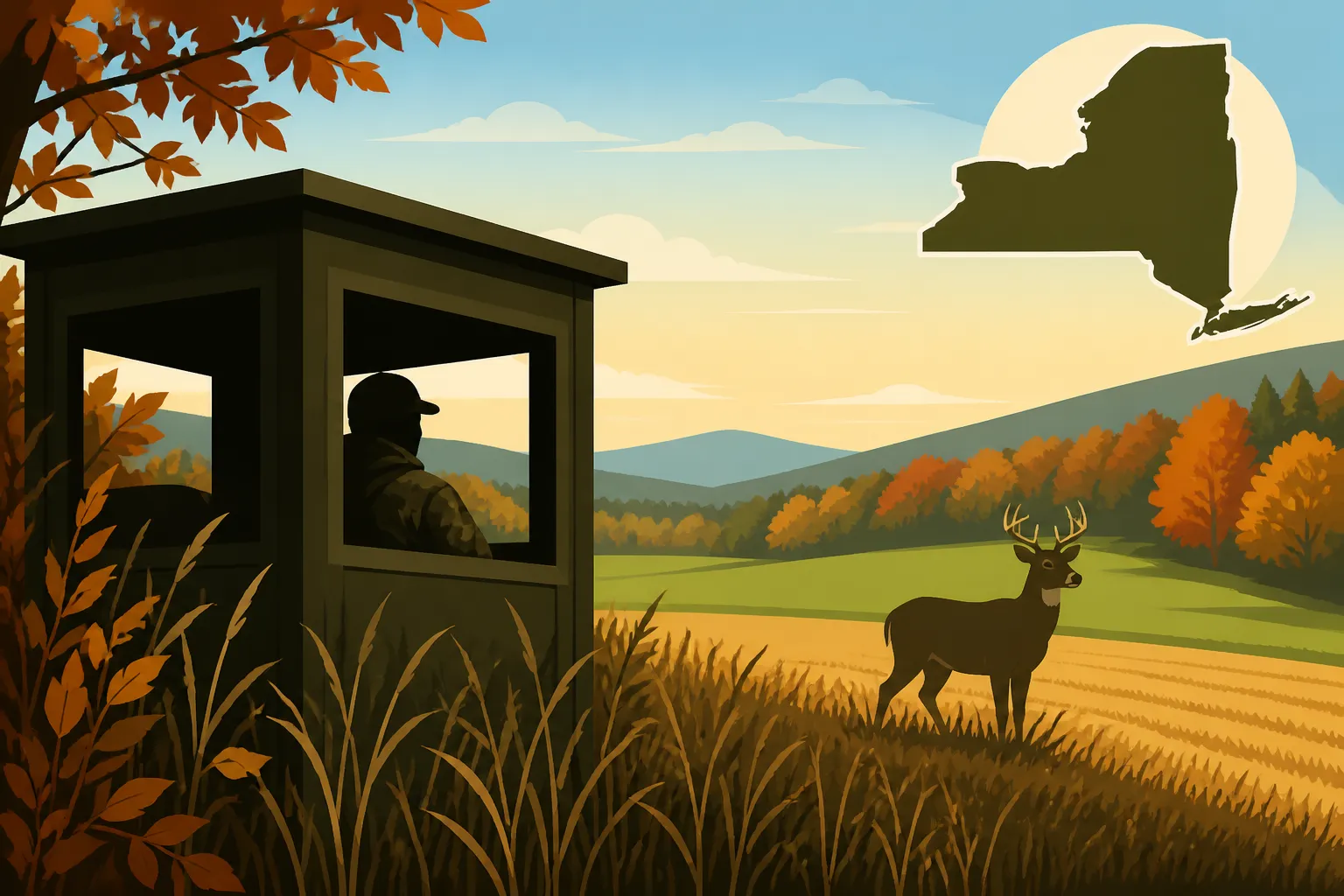
This is where a quality ground blind truly shines. A ground blind provides full, 360-degree concealment, allowing you to move, stretch, or even check your phone (quietly, of course!) without being detected by deer. You're no longer silhouetted against the sky or a tree trunk; instead, you're a part of the landscape. This complete concealment is a game-changer when deer are approaching from unexpected angles or when you're dealing with those hyper-alert, mature bucks that seem to have an uncanny ability to spot the slightest anomaly. It also helps contain your scent, a critical factor when deer are feeding directly downwind from your position.
Beyond stealth, ground blinds offer a level of comfort that's hard to beat, especially during the colder, wetter months of the New York hunting season. Sitting in a blind provides shelter from biting winds, rain, sleet, and even snow, allowing you to stay on stand longer and remain focused. When you're not shivering or getting soaked, you're more patient, more observant, and ultimately, a more effective hunter. The ability to bring in a comfortable chair, some snacks, and stay out of the elements can make all the difference between a short, miserable sit and an all-day vigil that ends with a punched tag.
Capitalizing on Natural Deer Movement Patterns
Field edges are inherently strategic locations because they represent the transition zone between food and cover. Deer will often stage in the woods just inside the field edge, waiting for low light before venturing out to feed. They use these edges as travel corridors, moving from bedding areas to feeding grounds, and back again. Often, these pathways are subtle, following the contour of a small rise, a fencerow, or a ditch. A well-placed ground blind allows you to position yourself directly on these natural highways.
By studying the terrain and existing deer sign, you can identify pinch points, funnels, and natural crossings along these field edges. These are the spots where deer movement is concentrated, making them prime locations for a ground blind. Whether it's a narrow strip of timber connecting two larger woodlots, a low spot in a fence line, or the corner of a standing cornfield, a ground blind lets you intercept deer exactly where they expect to feel safe and unseen. This strategic positioning means you're not just waiting for deer to randomly appear; you're placing yourself in their established travel routes.
Selecting the Ideal Ground Blind for Your Southern Tier Strategy
Just like choosing the right rifle or a perfect treestand, picking a ground blind isn't a one-size-fits-all decision. The effectiveness of your setup on those Southern Tier field edges hinges heavily on the features, camouflage, and portability of your blind. It needs to be rugged enough to handle New York weather, quiet enough not to give you away, and blend seamlessly into the agricultural landscape.
Critical Features for Durability and Functionality
When you’re looking at ground blinds, start with the core construction. Hub-style blinds are generally preferred for their stability and ease of setup. They pop open quickly and offer a sturdy frame that can withstand strong winds, which are common across the open fields of the Southern Tier. Look for blinds made from durable, weather-resistant fabrics that won't rip easily or absorb water like a sponge. Quiet operation is non-negotiable; zippers should be smooth and silent, and any velcro closures should be used sparingly or easily secured to prevent accidental noise. A brushed exterior fabric can also help to break up the blind's outline and reduce shine.
Inside, a dark interior is paramount. This prevents you from being silhouetted against the windows, even in bright sunlight. Consider the window configuration carefully. Some blinds offer 360-degree views, which is fantastic for spotting deer, but ensure they can be opened and closed quietly and have sufficient mesh or screens to provide concealment while still allowing you to see out. Adjustable window flaps or silent-slide mesh systems are a huge plus. Hunters often share experiences on forums or reviews, and resources like GoHunt can help you research features and user feedback to pick a durable, quiet blind that stands up to New York weather. Also, don't forget reinforced corners and quality stitching; these small details contribute significantly to the blind's longevity and performance in the field.
Blending In with the Agricultural Environment
The camouflage pattern of your blind needs to match the specific environment you'll be hunting. The Southern Tier is diverse, with everything from cut cornfields and soybean stubble to hay fields and brushy fencerows. A generic woodland camo might work in some areas, but for field edges, you often need something that mimics taller grasses, cornstalks, or bare dirt and stubble. Many manufacturers offer patterns specifically designed for open country or agricultural settings. The goal isn't just to match the color, but to break up the hard lines of the blind itself, making it disappear into the background.
Consider the time of year and the typical crops in your hunting area. If you're hunting early archery season around standing corn, a cornstalk pattern is ideal. Later in the season, when fields are cut, a pattern resembling stubble, dried grasses, or even snow (if late enough) will be more effective. Remember, it's not just about the blind's color; it's about breaking up its distinct shape. This leads directly into the necessity of Brushing In a Blind on a Field Edge, which we'll discuss in more detail shortly, as even the best camo needs natural enhancement.
Portability and Adaptability for Changing Conditions
While ground blinds provide excellent concealment, being able to move and adapt is still important, especially if deer patterns shift or a new food source emerges. Choose a blind that is relatively lightweight and easy to carry, ideally with a comfortable backpack-style carrying case. A quick and silent setup and takedown process is crucial; you don't want to be fumbling with poles and noisy fabric as deer are moving into the field.
The ability to quickly redeploy your blind allows you to react to changing conditions or newfound deer sign. Imagine scouting a new rub line that leads directly into a field you hadn't considered before. If your blind is portable, you can quickly move it to capitalize on that fresh activity. This adaptability is what separates a static hunting location from a dynamic, responsive strategy, allowing you to maximize your opportunities throughout the season.
Masterful Placement and Setup Techniques for Field Edge Success
The best ground blind in the world won't do you any good if it's placed poorly. On Southern Tier field edges, where deer often approach from multiple directions and possess an acute sense of their surroundings, precise placement and careful setup are absolutely critical. This isn't just about hiding the blind; it's about integrating it seamlessly into the environment and anticipating deer movement.
Identifying Prime Deer Entry and Exit Points
Before you even think about setting up a blind, you need to become a master scout. Deer movement into and out of fields is rarely random. They follow specific trails, often preferring routes that offer a bit of cover, a slight dip in the terrain, or a natural fencerow that provides security. Look for heavily worn trails, fresh tracks, droppings, and even rub lines or scrapes along the field edge. These telltale signs indicate consistent deer activity. Pay close attention to corners where woodlots meet, points where a creek or ditch emerges from the timber, or even subtle rises that offer a better vantage point for deer before they commit to the open. This strategic thinking is enhanced by tools that help with Reading Aerial Photos for Southern Tier Deer, allowing you to pinpoint these transition zones from above.
Once you identify these key entry and exit points, you want to place your blind within bow or gun range of these trails. Don't set up directly on the trail, but slightly off to the side, allowing deer to pass naturally without noticing your blind. Consider the direction deer will likely approach from and ensure your blind offers clear shooting lanes. Remember that deer will often stage in the timber just before entering a field, so placing your blind slightly inside the woods, but with a clear view of the field edge, can be incredibly effective. Understanding Setting Up on a Southern Tier Field Edge goes hand-in-hand with identifying these specific locations.
The Art of Brushing In Your Blind
Even with a top-notch camouflage pattern, a ground blind often looks like a foreign object if it's just plopped down in an open area. The real magic happens when you brush it in. This means using natural vegetation from the immediate surroundings to break up the blind's outline and make it disappear. Cut branches, cornstalks, tall grasses, hay bales – anything that naturally occurs in the area can be used. Avoid making it look too neat or symmetrical; natural cover is messy and uneven. Pile brush around the base, weave cornstalks into the loops on the blind's exterior, and break up any hard, straight lines.
Start this process well in advance of your hunt, if possible. Deer are incredibly curious and will investigate new objects. By putting your blind out a week or two before the season, they'll have time to get accustomed to its presence, making them less wary when you're actually inside. When you're brushing it in, pay special attention to the corners and top, as these are often the most noticeable parts of the blind. The goal is to make it look like a natural part of the habitat, not something that magically appeared overnight.
Playing the Wind and Managing Your Scent Profile
Scent control is arguably the most critical aspect of hunting deer, especially in open field settings where air currents can be unpredictable. Always, always, always play the wind. Even the best brushed-in blind won't fool a deer's nose if your scent is blowing directly into their travel path. Check the prevailing wind direction for your hunting area and always position your blind so that your scent is carried away from where you expect deer to approach or pass. This might mean having several blind locations for different wind directions, or being willing to move your blind if the wind shifts unexpectedly.
Beyond wind direction, consider thermals. In the morning, cool air sinks and flows downhill; in the evening, warm air rises and flows uphill. Near field edges, especially those with varying topography, these thermals can be significant. Position your blind to take advantage of these natural air currents, ensuring your scent is carried away from deer. Complement this with meticulous personal scent management: showering with scent-free soap, washing clothes in scent-free detergent, and storing them in airtight bags. While a ground blind offers some scent containment, it's not foolproof, so these additional steps are essential.
Effective Hunting Strategies from the Confines of Your Blind
Once your ground blind is perfectly placed and brushed in on that Southern Tier field edge, the real work begins: the hunt itself. Hunting from a blind offers unique advantages, but it also requires specific tactics to maximize your chances of success. It's about combining patience with proactive strategies to bring those wary deer within range.
The Power of Stillness and Controlled Movement
One of the greatest benefits of a ground blind is the ability to make small, undetectable movements inside. You can grab a drink, adjust your sitting position, or slowly raise your binoculars without fear of being silhouetted or spotted. However, this doesn't mean you can be sloppy. Excessive or quick movements, especially near shooting windows, will still be caught by a deer's keen eyesight. Practice slow, deliberate movements. Use your dark interior to your advantage, staying out of direct line with open windows unless you're actively scanning or preparing for a shot.
The blind essentially acts as a mobile hide. It allows you to stay in position longer, even if deer are feeding at a distance. Your job is to disappear, becoming part of the landscape. Minimize noise – don't let your gear clank against the blind's frame, and keep your calls and snacks easily accessible without having to rustle through a backpack. This extended stillness and concealment often allow deer to feel comfortable enough to venture closer, sometimes right past your setup, offering opportunities you might never get from an exposed position.
Integrating Calls and Decoys for Field Edge Action
Ground blinds on field edges are fantastic platforms for incorporating calling and decoying strategies. In these more open environments, deer can often see and hear from a greater distance, making calls and decoys particularly effective. During the rut, soft grunt calls and estrus bleats can be incredibly effective at drawing in curious bucks who are cruising the edges looking for does. A few subtle Rattling and Grunting in New York sequences can also simulate a sparring match, often bringing in bucks that want to investigate.
When using decoys, placement is key. Position your decoy (or decoys) out in the field at a distance where deer are likely to see it, ideally quartering away from your blind to present an ethical shot opportunity to an approaching buck. A single doe decoy is often sufficient, but during the peak of the rut, an aggressive buck decoy can sometimes challenge a dominant buck. Ensure your decoy is visible but not so close that an approaching deer walks directly into your scent cone. The goal is to make the deer feel comfortable enough to investigate, drawing their attention away from your blind and providing a clear shot.
Preparing for the Moment of Truth: Shot Opportunities
Hunting from a ground blind means you'll be shooting from a seated position, or at most, kneeling. It's crucial to practice shooting from these positions before the season opens. Set up your blind in your yard and practice drawing your bow or raising your gun from inside, ensuring you have clear shooting lanes through the windows and that your broadhead or barrel doesn't catch on the blind's fabric. Understand your effective range from the blind, especially with a bow, as the confined space can sometimes feel different than shooting in the open.
When a deer approaches, maintain absolute composure. Slowly and silently get into your shooting position, making sure your weapon is ready. If using a bow, draw when the deer's head is behind a tree or it's looking away. With a firearm, raise it smoothly and take a deep breath. Focus on ethical shot placement, waiting for the animal to present a broadside or quartering-away shot. These field edge encounters can happen quickly, so being prepared and practiced will lead to more successful harvests.
Responsible Ownership and Seasonal Maintenance
Investing in a quality ground blind is just the first step; proper care, maintenance, and respectful use are essential to maximize its lifespan and ensure continued hunting opportunities, especially on shared or private lands. Overlooking these aspects can lead to damaged gear, lost access, or even unnecessary environmental impact.
Protecting Your Investment: Anchoring and Storage
Southern Tier winds can be fierce, especially across open fields. Always use the provided stakes and ropes to securely anchor your ground blind. If heavy winds are forecast, consider adding extra stakes or even small sandbags to prevent it from blowing away or getting damaged. Nothing is more frustrating than arriving at your hunting spot to find your blind flipped over or shredded by the wind. A properly anchored blind will stand up to the elements and serve you for many seasons.
When the season is over, or if you're pulling your blind for an extended period, ensure it's thoroughly cleaned and dried before storage. Brush off all dirt, leaves, and debris. If it's been exposed to moisture, open it up in a well-ventilated area until it's bone dry. Storing a damp blind is an invitation for mold, mildew, and unpleasant odors, which will not only ruin the fabric but also make it unusable for hunting due to scent. Store it in its carrying bag in a cool, dry place, safe from rodents that might decide to nest in the cozy fabric.
Respecting Landowner Relations and Regulations
This point cannot be stressed enough, particularly for those hunting on private land in the Southern Tier. Always get explicit, written permission from the landowner before setting up a ground blind, and especially before leaving it out for an extended period. Some landowners might be perfectly fine with you hunting their property, but leaving a semi-permanent structure could be a different matter. Clarify their expectations regarding blind placement, duration, and even how it's brushed in. Good communication is key to maintaining positive landowner relations and ensuring you have a place to hunt next season. Remember, Do You Need Written Permission in New York? is a question you should always have a clear answer to.
If you're hunting on public land, be sure to check the specific regulations for the Wildlife Management Area (WMA) or State Forest you're in. Many public lands have rules regarding unattended hunting stands or blinds, including how long they can be left, if they need to be marked, and what materials are allowed for construction or brushing in. Ignorance of the rules is no excuse, and violating them can lead to fines or loss of hunting privileges.
Off-Season Prep for Future Success
The off-season isn't just for resting; it's prime time for preparation. Take your blind out and inspect it thoroughly for any tears, frayed seams, or bent poles. Patch any holes with repair kits designed for blind fabric, and replace any damaged components. This proactive maintenance will prevent unexpected failures during a hunt. Think about how crop rotations might impact deer movement next season; a cornfield this year might be hay next year, altering deer paths.
Use the off-season to scout new potential blind locations along field edges. Observe how deer are using the landscape without hunting pressure. Where are they bedding? What natural funnels exist? What are the new Late-Season Food Sources for New York Whitetails that might draw them in? This is also a great time to update your GoHunt mapping tools, identifying new access points or property changes. Remember that Scouting New York Public Land Before Season is invaluable, and this applies equally to private land. By thinking ahead and taking care of your gear and your relationships, you'll be ready for success when opening day rolls around again.
| Blind Type | Advantages | Disadvantages | Ideal Scenario on Southern Tier Field Edges |
|---|---|---|---|
| Hub Style | Quick setup, sturdy frame, spacious | Heavier, bulkier to transport long distances | Fixed locations, longer sits, windy conditions. |
| Pop-Up | Very lightweight, highly portable, compact | Less stable in high winds, can be smaller | Mobile hunting, scouting new spots, quick morning/evening sits, less wind exposure. |
| Panel | Extremely versatile, modular | More involved setup, less complete concealment | Creating custom shapes, adapting to unique cover, adding to existing natural blinds. |
| Chair Blind | Integrated seat, highly mobile, simple | Limited space, less full concealment, less weather protection | Stalking, very quick setups, mild weather, areas with some existing back cover. |
Disclaimer
This article is for general informational purposes only and does not constitute professional advice. Laws, prices and regulations vary by location and change over time. Consult a qualified professional for guidance on your specific situation.