Climbing Sticks for Rough Bark
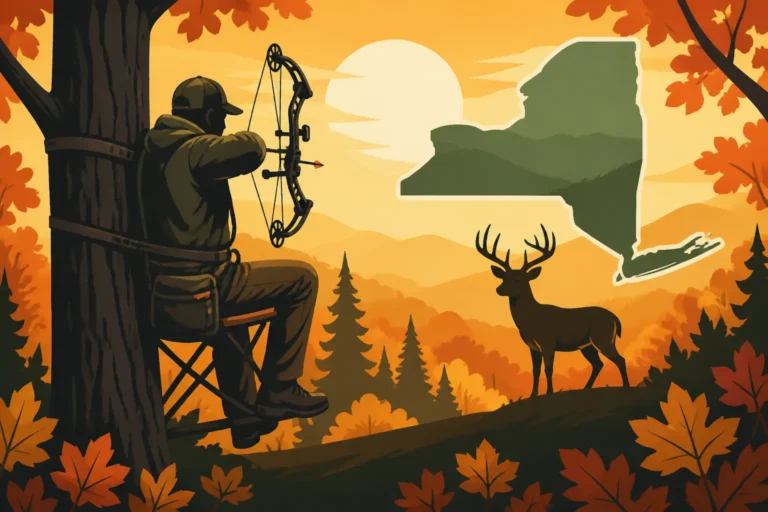
There’s nothing quite like the feeling of finding that perfect deer sign—a fresh scrape line along a hemlock edge, or a heavy rub on a gnarly oak—only to look up at the tree you want to climb and see bark so rough and uneven it looks like it's trying to fight back. Many hunters in New York know the frustration of trying to get a climbing stick to bite into those stubborn, textured surfaces without slipping or feeling unstable. This guide is all about navigating those challenging trees, helping you choose and use climbing sticks effectively and safely, even on the roughest bark New York has to offer.
The Unique Challenges of Rough Bark on New York Trees
Hunting in New York means encountering a vast array of tree species, and many of them present a real headache for traditional climbing stick designs. It’s not just about getting up the tree; it’s about feeling secure once you’re there, knowing your sticks won't shift or slide, especially in cold, wet conditions. That constant nagging doubt can really distract from your hunt, or worse, lead to a dangerous situation.
Why Smooth Bark Systems Struggle
Most climbing sticks are designed with a universal approach, often featuring smaller, less aggressive teeth or flat standoffs meant to distribute pressure evenly on relatively smooth-barked trees. Think of a young maple or a beech tree – their smooth, uniform surfaces allow these systems to grip well. However, when you introduce the deep furrows, flaky layers, and irregular protrusions of older, rougher bark, those smaller bite points simply can't find purchase. They skate across the surface, slip into a crack, or only engage with a tiny portion of the bark, leaving the stick unstable and potentially dangerous. It's like trying to climb a rock face with ice skates on; the tools just aren't suited for the terrain.
Many hunters learn this the hard way during a pre-season hang, attempting to set up a stand in a prime location only to realize their sticks are wobbling or worse, sliding down the trunk. This issue becomes even more pronounced in damp or icy conditions, common during our New York's Southern Zone Firearm Season or New York's Northern Zone Firearm Season, when bark can become slick. The failure isn't in the hunter's technique, but often in using gear not specifically optimized for the varied, often challenging, bark textures of New York's forests.
Common New York Tree Species with Difficult Bark
New York's diverse ecosystems are home to numerous tree species that can make climbing a challenge. Oaks, especially older red and white oaks, are notorious for their deeply furrowed, craggy bark that provides little flat surface for conventional stick teeth. Hickories present similar issues with their shaggy, peeling bark that often won't allow a solid, consistent connection. Even mature ash trees, before disease took such a toll, had complex bark patterns. Sugar maples, while generally smoother when young, can develop tough, ridged bark as they age, especially in the Catskills or Adirondacks.
Beyond these common culprits, you'll find other species like black cherry with its distinctive flaky plates, or even some older, large white pines with thick, blocky bark that can be equally frustrating. Each type of bark requires a slightly different approach, but the underlying need is for a stick design that can adapt to these irregularities rather than fight against them. When Scouting New York Public Land Before Season, it’s wise to spend some time actually feeling the bark of your potential stand trees and envisioning how your climbing sticks will interact with them. This forethought can save you a lot of grief and cold sweats during the season.
Safety Concerns and Frustrations
The primary concern when dealing with inadequate climbing sticks on rough bark is, of course, safety. A stick that slips even an inch can throw you off balance, especially when you're tired, cold, or fumbling with gear. A complete failure could lead to a serious fall, which is why Treestand Safety Gear for Steep Ground is non-negotiable, but prevention is always better than recovery. The psychological toll of an unstable setup is also significant; nobody hunts effectively when they're constantly worried about their stand moving beneath them. This anxiety distracts from focusing on the hunt itself, from listening for crunching leaves or spotting subtle deer movement.
Beyond outright danger, the sheer frustration of trying to ascend a tree with slipping sticks can be enough to ruin a hunt. It eats up precious time, creates unnecessary noise, and can even deter you from using an otherwise perfect tree because of the climbing hassle. Imagine trying to hang a stand in a key funnel near a bedding area, like when you're Hanging a Stand on an Adirondack Funnel, only to spend an hour wrestling with your sticks, making all sorts of racket. It's enough to make even the most dedicated hunter consider just still-hunting for the day. Finding reliable gear that bites into bark effectively is about more than just convenience; it's about confidence, efficiency, and above all, returning home safely.
Essential Features for Climbing Sticks Designed for Rough Bark
When you're trying to conquer those stubborn, deeply furrowed trunks common in New York's forests, not all climbing sticks are created equal. You need gear that's built for the challenge, with specific design elements that allow for maximum grip and stability. It's a critical difference between a frustrating, potentially unsafe climb and a smooth, secure ascent.
Aggressive Bite Points and Attachment Systems
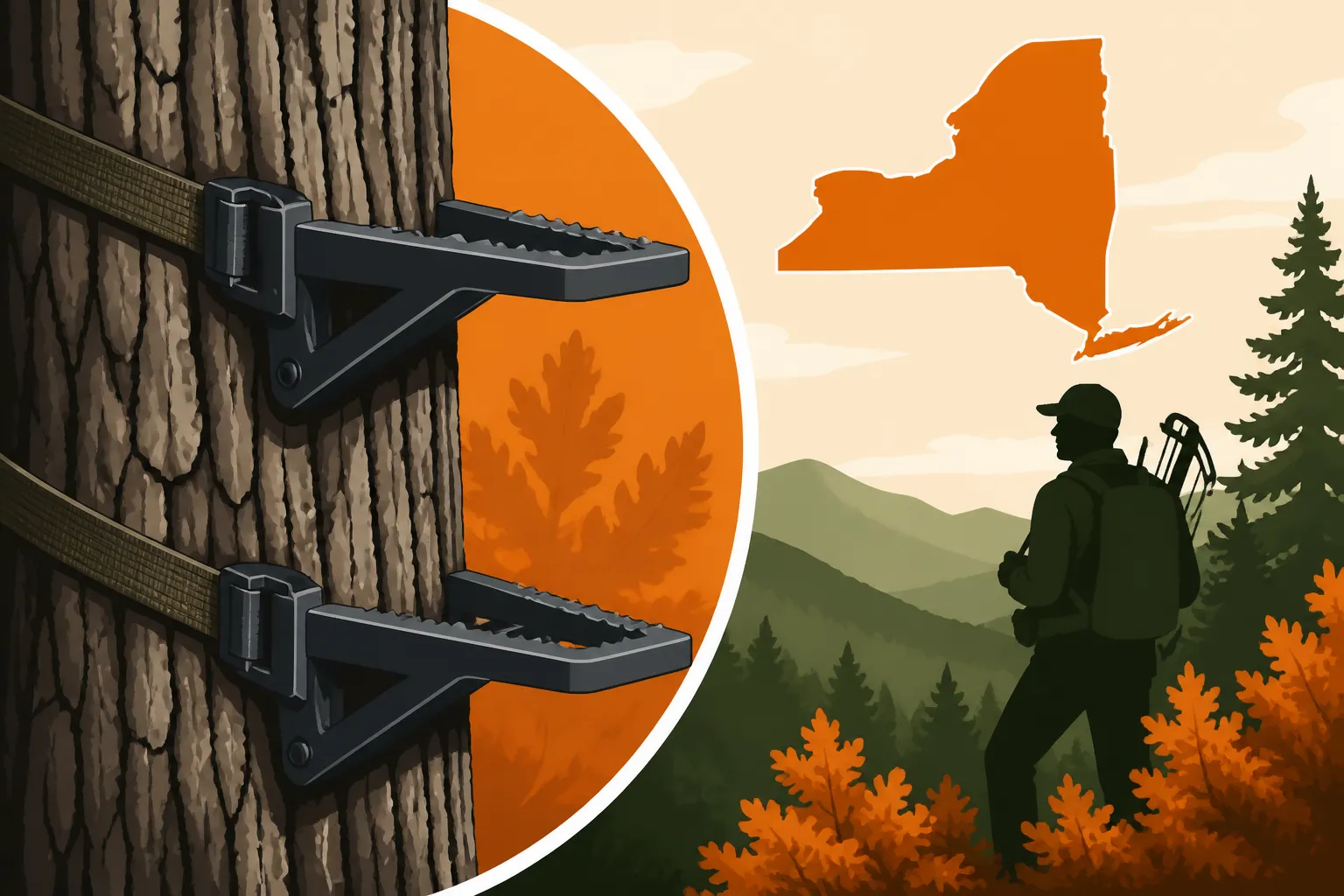
The most crucial feature for climbing sticks intended for rough bark is the design of their bite points. Forget small, smooth nubs; you're looking for something with real teeth. Many superior sticks will feature larger, more pronounced, and often sharper serrations or cleats that are specifically designed to dig into the irregularities of rough bark. Some innovative designs even incorporate a dual-sided or pivoting bite system that allows the stick to adjust to the unique contours of the tree, ensuring multiple points of contact rather than just a single, potentially weak one.
Consider sticks that have a "V-bracket" or offset standoffs on the tree-side that create a natural fulcrum point. This design, combined with aggressive teeth, leverages your body weight to drive the stick firmly into the bark, preventing lateral movement or slippage. When researching options, looking at user reviews on platforms like GoHunt can provide real-world insights into how different bite points perform on various tree types. Pay attention to how the stick engages the bark; does it just sit on it, or does it truly dig in and secure itself? This aggressive engagement is what gives you confidence when climbing, especially if you're Saddle Hunting in New York Hardwoods and need every step to be absolutely rock-solid.
Strap Materials and Cam Buckle Design
Even the most aggressive bite points can be undermined by a flimsy or poorly designed strap system. For rough bark, you need straps that offer minimal stretch and maximum holding power. Polyester webbing is often preferred over nylon due to its lower stretch properties, ensuring that once the stick is cinched tight, it stays tight. The width of the strap also plays a role; wider straps can distribute pressure more effectively and often provide a more secure wrap around a gnarly trunk.
The cam buckle itself is paramount. A high-quality cam buckle will lock down with authority, allowing you to apply significant tension without slipping. Look for buckles made from durable materials that won't deform under stress and have a robust locking mechanism. Some advanced systems feature an integrated cam that can be operated with one hand, making deployment quicker and easier, especially when you're gloved up in the cold of a New York November morning. A common mistake is not applying enough tension, assuming the bite points will do all the work. The strap is your primary anchor, and the bite points are secondary stabilizers. Always ensure you're pulling the strap as tight as humanly possible, using your body weight if needed, to truly seat the stick against the tree.
Overall Stick Stability and Construction
Beyond the bite and strap, the overall construction of the climbing stick contributes to its stability on rough bark. Lightweight aluminum is common, but the thickness and rigidity of the tubing or frame matter. Sticks with thicker walls or reinforced sections will flex less, transmitting your weight more directly to the bite points and strap. Some models incorporate a slight curve in the main upright or steps, which can help them sit more flush against a rounded tree trunk, especially large, old-growth hardwoods.
The connection points between individual stick sections are also critical. Loose or wobbly connections will translate into an unstable climb, no matter how well the stick grips the bark. Look for designs that feature tight, secure interlocking mechanisms or robust pins that eliminate play. Finally, consider the steps themselves. They should be wide enough to provide stable footing, and ideally, have some texture or angle to shed mud and ice, ensuring your Boots for New York Swamps and Snow don't slip as you ascend. A stick might have great bite, but if the rest of its construction is flimsy, it won't inspire confidence. When you're searching for reliable gear, websites like GoHunt often feature detailed product specifications that highlight these construction details, allowing you to compare durability and design before making a purchase.
| Feature Category | Ideal for Rough Bark | Less Ideal / Generic | Why it Matters for Rough Bark |
|---|---|---|---|
| Bite Points | Large, aggressive serrations; V-brackets; pivoting teeth | Small nubs; flat standoffs | Digs into irregularities; multiple contact points |
| Strap Material | Low-stretch polyester webbing | High-stretch nylon webbing | Maintains tension, prevents loosening |
| Cam Buckle | Robust, heavy-duty, one-hand operable | Flimsy, easily slips, difficult to tighten | Securely locks strap, allows maximum tension |
| Stick Construction | Thick-walled aluminum; rigid frame; curved design | Thin-walled aluminum; flexible tubing; straight design | Minimizes flex, sits flush on curved trunks |
| Section Connections | Tight, secure interlocking; robust pins | Loose, wobbly connections; simple friction fits | Eliminates play, enhances overall stability |
| Steps | Wide, textured, mud/ice shedding | Narrow, smooth, can get slick | Provides stable footing, prevents boot slippage |
Techniques for Securely Deploying Sticks on Gnarly Timber
Even with the best climbing sticks, technique is key to ensuring a safe and stable climb on rough-barked trees. It’s not just about attaching them, but about how you engage the tree and your body weight to maximize their grip. Rushing this process is a recipe for trouble; a few extra seconds of careful placement can make all the difference.
Pre-Season Scouting and Tree Selection
The hunt for a solid stand location really begins long before opening day. When Scouting New York Public Land Before Season, don't just look for deer sign; actively evaluate the trees themselves. For areas with particularly rough-barked trees, prioritize those that offer the straightest section of trunk in your desired height range. While sticks designed for rough bark can handle more, even they have limits with severely crooked or heavily branched trunks. Look for areas where bark texture might be slightly less extreme, or where the tree might have a flatter side you can utilize.
Also, consider the diameter of the tree. Extremely wide trees can sometimes make it difficult for standard stick straps to wrap fully and securely, while very thin trees might not offer enough surface area for the bite points to properly engage. It’s a balance, and sometimes a less-than-perfect tree with decent bark is a better choice than a perfect-looking setup tree with impossible bark. Keep an eye out for potential obstacles like dead branches or poison ivy around your chosen tree, too. Taking the time for a thorough pre-season assessment, rather than scrambling on opening morning, means you'll already have a mental map of the most secure path upwards.
The "Hug and Pull" Method for Initial Bite
Once you've chosen your tree, getting that initial, secure bite from your climbing stick is paramount. This is where the "hug and pull" method comes in handy. Instead of just pushing the stick against the tree and tightening the strap, you want to actively engage the bite points. Start by positioning the stick against the tree at your desired height. Before fully cinching the strap, lean into the stick, using your body weight to press the bite points firmly into the bark. You might even give it a slight downward pull to help those aggressive teeth dig in.
While maintaining this downward and inward pressure, wrap the strap around the tree and secure it with the cam buckle. Now, here's the crucial "pull" part: once the buckle is partially engaged, use your body to pull the strap as tight as possible. You might need to brace your foot against the tree, or use both hands to truly crank down on the strap. The goal is to eliminate any slack whatsoever. You should feel the stick's bite points seating themselves into the bark, and the stick should feel absolutely immobile. Repeat this process for each subsequent stick, always ensuring the one below it is completely secure before ascending. This technique transforms your body into part of the anchoring system, making the stick more an extension of your effort than just a passive attachment.
Testing Security Before Ascending
Never, ever trust a climbing stick implicitly. After you've deployed each stick using the "hug and pull" method, you must test its security before putting your full weight on it. This simple step can literally save your life. Once a stick is strapped and tightened, apply progressively more pressure to it from a safe position. Start by pushing and pulling on it gently. Does it shift laterally? Does it slide down the tree? Does the cam buckle slip? If there's any movement at all, undo it and re-secure it.
Once gentle testing is satisfactory, apply more significant weight. For lower sticks, you can often do this from the ground. For higher sticks, carefully put one foot on the step, keeping your other foot firmly on the stick below it. Slowly transfer your weight onto the new stick, listening and feeling for any creaks, groans, or slippage. Remember, you're looking for absolute stillness. If it moves, even slightly, it needs to be re-positioned. This systematic testing for each stick, combined with always being tethered when off the ground as per Treestand Rules on New York Public Land, ensures that your path up the tree is as safe and stable as possible. It might take a few extra moments, but those moments are insignificant compared to the potential consequences of a fall.
Recommended Climbing Sticks and Accessories for New York Hunters
Investing in the right gear is paramount for any New York hunter, especially when it comes to safely and efficiently accessing your treestand spots. For those challenging, rough-barked trees, some climbing stick designs stand out. Coupled with smart accessories, you can turn a daunting climb into a routine part of your hunt.
Sticks Known for Their Grip
While I can't name specific models or brands with live pricing, certain design philosophies have proven effective for gripping rough bark. Look for sticks that boast large, aggressive teeth or "claws" at their tree contact points. These are often made from hardened steel or robust aluminum and are specifically engineered to dig into the irregular surfaces of oak, hickory, and other rough-barked species. Some designs feature pivoting V-brackets or offset standoffs that allow the stick to adjust to the tree's curvature and bark texture, ensuring multiple points of firm contact rather than just a flat plate that sits on the surface.
When you're comparing options, pay close attention to the strap system. Sticks that use heavy-duty, low-stretch webbing and robust, non-slip cam buckles will maintain tension better than those with thinner straps or weaker buckles. Manufacturers who understand the challenges of varying tree types will often highlight these features. For many hunters, the initial investment in higher-quality sticks that are known for their secure grip is well worth the peace of mind and enhanced safety it provides throughout the season, especially when you're counting on them in the dead of winter. Researching reviews on reputable outdoor gear sites or forums, perhaps even checking out resources like GoHunt, can help you identify sticks that consistently receive praise for their performance on difficult bark.
Useful Accessories for Enhanced Stability
Beyond the sticks themselves, a few key accessories can significantly enhance your stability and safety on rough-barked trees.
- Tree Straps with Built-in Adjusters: Some hunters prefer a continuous rope or strap system that allows for micro-adjustments and can be more forgiving on irregular trunks than standard cam buckles. These often feature a specialized knot or mechanical adjuster that locks firmly in place.
- Bark-Friendly Pads/Protectors: While the goal is for the stick to bite, some hunters like to place a thin, durable rubber or plastic pad between the stick's metal parts and the tree to prevent excessive bark damage or to create a slightly more uniform surface. However, use these with caution, as they can sometimes interfere with the stick's aggressive bite unless specifically designed to work with the stick's teeth.
- Gear Holders and Pulley Systems: While not directly related to stick stability, having a way to haul up your Packs for a Day on Public Land and bow or rifle once you're safely in your stand is crucial. A simple rope with a small carabiner can prevent you from having to climb with unnecessary weight or risk dropping gear.
- Safety Harness and Lifeline: This is non-negotiable. Always, always use a full-body safety harness and a continuous lifeline from the moment your feet leave the ground until they return. This system acts as your safety net, catching you if a stick were to fail, regardless of how good it grips. This is covered extensively in guides like Treestand Safety Gear for Steep Ground, and for good reason.
These accessories aren't just add-ons; they are integral parts of a complete climbing system designed for maximum safety and efficiency in challenging environments.
Maximizing Your Investment with Durability
When you choose climbing sticks, especially those designed for rugged use on New York's tough timber, you're making an investment. Maximizing that investment means prioritizing durability and performing proper maintenance. Look for sticks constructed from high-grade aluminum or steel, with robust welds or fastening points that can withstand repeated use and exposure to the elements. Corrosion-resistant coatings are also a huge plus, as sticks will inevitably get wet, muddy, and exposed to snow and ice throughout our Hunting the New York Rut in November.
After each hunt, especially in wet or muddy conditions, take the time to clean your sticks. Wipe down straps to remove mud and debris, and check cam buckles for any grit that might impair their function. Inspect the bite points for damage or excessive wear; if they become dull, their effectiveness on rough bark will diminish. Store your sticks in a dry place, ideally unstacked or loosely stacked to allow for air circulation, preventing rust or mold on straps. Regularly checking all components—straps, buckles, teeth, and connections—for wear and tear will ensure your sticks remain reliable for many seasons to come. A well-maintained set of quality climbing sticks will not only last longer but will also perform more consistently, providing the secure footing you need whether you're climbing an old oak in the Southern Tier or navigating dense cover while Finding Sign in Big Adirondack Timber.
Disclaimer
This article is for general informational purposes only and does not constitute professional advice. Laws, prices and regulations vary by location and change over time. Consult a qualified professional for guidance on your specific situation.