Coolers and Game Bags for Early Archery
For New York archery hunters, nothing beats the thrill of early season, but let's be honest, those warm September and even early October days can turn a successful hunt into a scramble against spoilage. You've worked hard, made a clean shot, and now the clock is ticking on that precious venison. This guide is here to walk you through the essential gear and strategies for keeping your deer meat cool and pristine, no matter how high the mercury climbs on an early archery hunt.
The Unique Challenges of Early Archery Season Temperatures
There's a reason seasoned hunters talk about "meat in the shade." Early archery season in New York, especially in the Southern Zone, can often feel more like summer than fall. This warmth isn't just uncomfortable for you in your stand; it's a serious threat to the quality of your harvest.
Why Early Season Heat is a Game Changer
Imagine you're hunting in the Catskills or the Southern Tier, and it's a beautiful 70-degree day in mid-September. You make a successful shot at 8 AM. By the time you track and recover your deer, field dress it, and get it back to the truck, it could easily be noon or later. Four hours in 70-degree ambient air, especially with the sun beating down, is a recipe for disaster. Unlike cooler firearm seasons where you might have the luxury of letting a deer hang whole for a bit, early season demands immediate and aggressive cooling. Bacteria thrive in warm, moist environments, and a deer's body heat, combined with external temperatures, creates the perfect breeding ground. The frustration of losing hard-earned meat to spoilage is something no hunter wants to experience.
Beyond the Kill Site: Transport and Processing Concerns
The challenges don't end once you've got your deer field dressed and at the vehicle. If you're hunting remotely in the Adirondacks or a large State Forest and have a long drive home, or to a processor, that extended transport time adds another layer of risk. A deer carcass, even field dressed, retains a tremendous amount of heat, and if it's simply tossed into the back of a truck, it will continue to cook. This is where strategic cooling comes into play. You need a plan to get that meat chilled down rapidly and keep it that way until it's properly processed and in cold storage. Thinking about Recovering a Deer From a Steep Ravine quickly is important, but thinking about preserving that deer during recovery is even more vital in warm weather.
Essential Coolers for Early Season Success
Choosing the right cooler for early archery season is just as important as selecting your broadheads. This isn't the time to skimp; your venison depends on it.
High-Performance Rotomolded Coolers: The Gold Standard
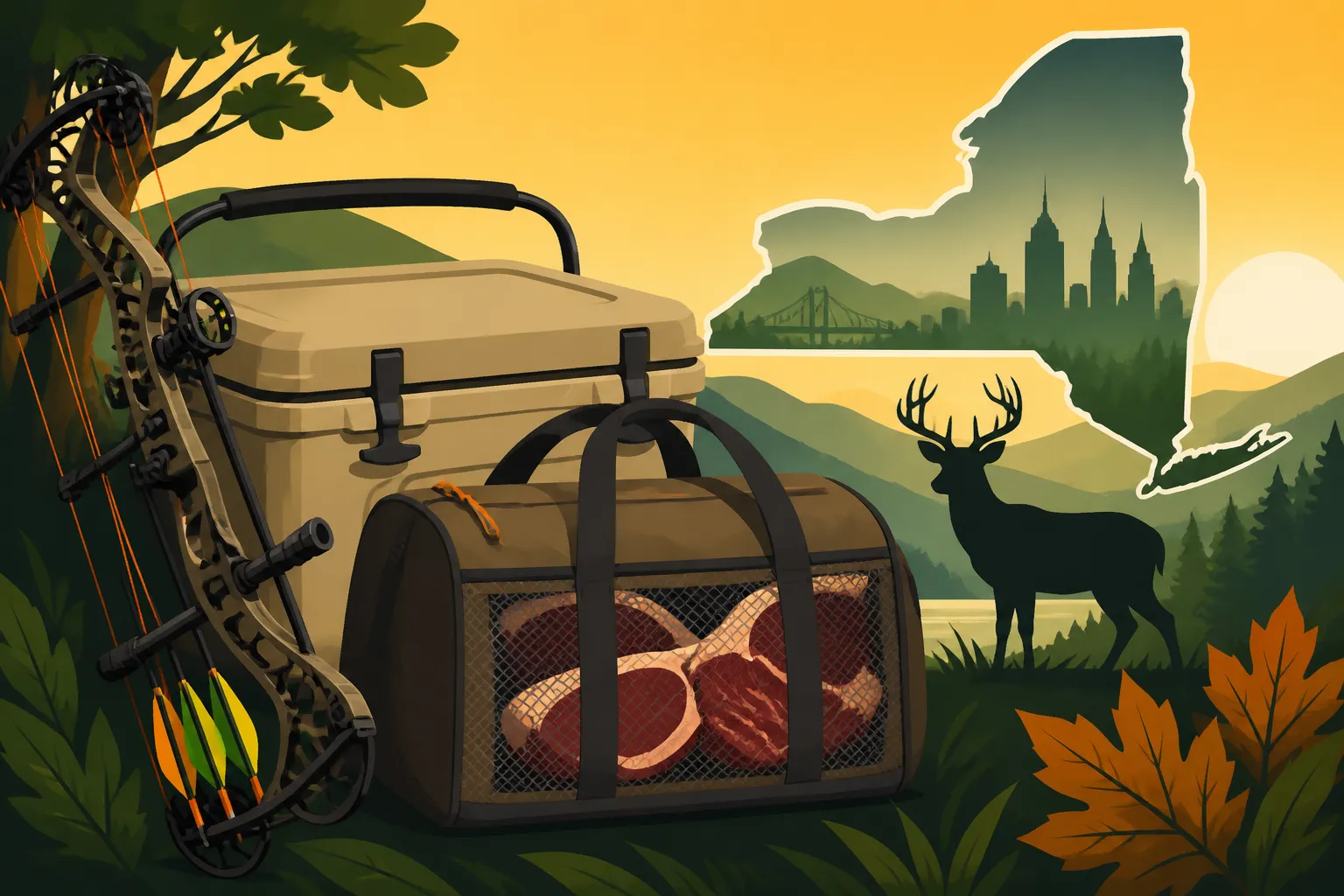
When it comes to keeping ice for days, especially in warmer temperatures, high-performance rotomolded coolers are truly the gold standard. Brands like Yeti, RTIC, and Orca have revolutionized how hunters approach meat preservation in the field. These coolers are built with thick, pressure-injected insulation, often several inches thick, that provides exceptional thermal retention. Their heavy-duty construction, with rubber latches and freezer-grade gaskets, seals in the cold and keeps out the heat.
The biggest pro of these coolers is the peace of mind they offer. You can quarter a deer, pack it with ice, and know that it will stay cold for an extended period – often several days, depending on conditions and how well you manage your ice. This is invaluable if you're on a multi-day hunt, hunting far from home, or need to transport meat across the state. The main downsides are their weight, bulk, and initial cost, but many hunters consider them a worthwhile investment to protect their harvest. For instance, if you're pulling a deer out of big timber in the Allegany region and have a four-hour drive back to the Capital Region, a quality rotomolded cooler filled with ice is non-negotiable.
Soft-Sided Coolers and Insulated Bags: Versatility and Portability
While a big rotomolded cooler is great for the bulk of your meat, there's also a place for more versatile, portable options. Soft-sided coolers and insulated bags are fantastic for carrying smaller portions of meat or for keeping essentials like water and lunch cold during the hunt. They are significantly lighter and more flexible than their hard-sided counterparts, making them easier to carry on foot or pack into a smaller vehicle.
These types of coolers often feature good, but not extreme, insulation and are excellent for shorter periods of cooling. For example, if you've harvested a deer and are quartering it in the field, a soft-sided cooler can be perfect for keeping the backstraps and tenderloins pristine while you work on the larger quarters. Some hunters will even use a dedicated insulated bag, perhaps from a brand like GoHunt that focuses on practical gear, to pack out a single shoulder or a hindquarter on an initial trip if they need to lighten the load for a second haul. They might not hold ice for as long, but their portability and ease of handling make them a valuable tool in the warm weather kit. You might use one for your lunch while on a Bowhunting New York's Long Archery Season hunt, then repurpose it for delicate cuts of meat later in the day.
The Critical Role of Game Bags in Warm Weather
Forget those plastic trash bags you might be tempted to use; they're the enemy of good venison in warm weather. Game bags are an absolutely essential piece of gear for early season archery.
Breathability and Protection: More Than Just a Sack
The primary reason to use proper game bags, especially in warm conditions, is breathability. Unlike plastic, which traps heat and moisture against the meat (creating a perfect environment for bacterial growth and causing the meat to "sweat" and spoil quickly), good quality game bags allow air to circulate around the meat. This crucial airflow helps the meat cool down faster and develop a protective "crust" on the outside, which helps prevent spoilage.
Beyond breathability, game bags offer vital protection. They keep flies, dirt, leaves, and other debris off your hard-earned meat. This is particularly important when you're quartering a deer in the field and need to keep the individual pieces clean before packing them into a cooler. There are generally two types: synthetic bags, which are often lightweight, durable, and easily washable for reuse, and traditional cotton bags, which are also breathable but might not hold up as long or be as easy to clean. Many hunters find that a good set of synthetic game bags is an investment that pays dividends for years. When you're dealing with early season heat, this isn't an optional accessory; it's a necessity. You might even consult resources like GoHunt, which often provides guidance on selecting the right game bags for various conditions, to ensure you're making a wise choice.
Quartering in the Field: A Necessity for Early Season
When the temperatures are high, quartering your deer in the field is not just an option; it's often a necessity for preserving the meat. A whole deer carcass, even field dressed, takes an agonizingly long time to cool down. The bone-in sections, especially the large hindquarters and shoulders, will retain heat for hours. By breaking the deer down into its primal cuts right where it falls, you expose more surface area to the ambient air, allowing for much faster cooling.
This process involves removing the four quarters, the backstraps, and the tenderloins. While it might seem daunting at first, it's a skill every warm-weather hunter should master. Not only does it allow for quicker cooling, but it also makes extracting the meat from remote areas, such as steep Catskill ravines or dense Adirondack timber, much more manageable. Instead of dragging a heavy, bulky carcass, you can pack out manageable loads, often in a good hunting pack that can carry meat, like those mentioned in Packs Built for a Multi-Day Backcountry Hunt. Always carry sharp Field Dressing Knives Worth Carrying and consider a small bone saw to make the job easier. For more insights on the actual process, you can contrast this warm-weather approach with Field Dressing a Deer in Cold Weather, where whole-carcass hanging is sometimes viable.
Ice Management and Cooling Strategies
Having the best coolers and game bags won't do you much good if you don't know how to effectively manage your ice and create the optimal cooling environment for your venison.
The Best Ice for the Job: Blocks vs. Cubes
Not all ice is created equal when it comes to long-term cooling in a hot environment. The general rule of thumb is: block ice lasts longer than cube ice. Block ice has less surface area exposed to the air, meaning it melts at a much slower rate. If you can, get large blocks of ice or freeze your own water in gallon jugs or milk containers. These frozen jugs serve a double purpose: they're excellent for keeping meat cold, and as they melt, you have potable water without your meat sitting in slush.
While block ice is ideal, cube ice still has its place. It's great for filling small voids around the meat, getting into nooks and crannies to provide immediate cooling. A good strategy is to use a combination: a layer of block ice on the bottom, then your game-bagged meat, surrounded and topped with cube ice, perhaps with more blocks or frozen jugs on top. Make sure to pre-chill your cooler with ice the night before your hunt; a warm cooler will melt ice much faster.
Pre-Chilling and Packing Techniques
Before you even leave for your hunt, give your cooler a head start. Fill it with ice and let it sit for several hours, or even overnight, to bring its internal temperature down. This "pre-chilling" prevents the cooler walls from immediately melting your fresh ice when you add your game.
When it's time to pack your game-bagged meat, strategic layering is key. Don't just dump everything in. Lay a bed of ice at the bottom of the pre-chilled cooler. Then, place your game-bagged meat on top, ensuring there's some space for air circulation if possible. Add more ice, distributing it over and around the meat. The goal is to maximize contact between the ice and the meat, but also to prevent the meat from sitting submerged in melted ice water, which can leach flavor and promote bacterial growth. Some hunters use a false bottom or grate in their coolers to keep meat elevated from the water. Always monitor the temperature inside the cooler with a thermometer, aiming to keep it below 40 degrees Fahrenheit. For specific details on choosing the right size, you might look at guides like Coolers for an Early Archery Kill or Game Bags for Warm October Days.
Post-Harvest Care and Hygiene
The hunt doesn't truly end until your venison is safely in the freezer. Proper post-harvest care and hygiene are critical for ensuring the meat you worked so hard for remains delicious and safe to eat.
Cleaning and Sanitizing Your Gear
After the meat has been delivered to the processor or butchered at home, a thorough cleaning of your coolers and game bags is paramount. Any blood, meat residue, or moisture left behind will quickly become a breeding ground for bacteria, mold, and unpleasant odors. For coolers, start by washing them with hot, soapy water and a good brush. Pay close attention to corners, gaskets, and drain plugs. For stubborn odors or to ensure complete sanitization, a dilute bleach solution (one tablespoon of bleach per gallon of water) can be used, letting it sit for a few minutes before rinsing thoroughly.
Game bags, especially synthetic ones, can usually be machine washed with a scent-free detergent on a cold cycle. For bloodstains, a pre-soak in cold water can help. Always make sure both coolers and game bags are completely dry before storing them. Leaving them even slightly damp can lead to mold and mildew, making them unpleasant and unhygienic for your next hunt.
Safe Transport and Timely Processing
Once your quartered and iced meat is in the cooler, the race isn't over. Your job is to get that cooler to its final destination – whether it's a professional butcher or your home setup for Butchering a Deer at Camp – as quickly and safely as possible. Avoid leaving the cooler in the direct sun, even if it's high-performance. Consider covering it with a tarp or blanket to add another layer of insulation, or keep it in the shaded cab of your truck if space allows.
Minimize stops and delays. Every minute the meat spends at an elevated temperature increases the risk of spoilage. As soon as you arrive, get the meat out of the cooler and into a truly cold environment. If taking it to a processor, make sure they are ready to receive it immediately. If processing yourself, have your workspace, equipment, and freezer space prepared in advance. Remember your legal obligations, such as Reporting a New York Deer Harvest Online within the specified timeframe, usually within 7 days of harvest.
Planning for Success: Integrating Gear with Your Hunt
Successful warm-weather meat care starts long before you pull the trigger. It’s an integral part of your hunting strategy, woven into your scouting and preparation.
Scouting with Meat Care in Mind
When you’re out scouting those public lands in the Southern Tier or looking for funnels in the Finger Lakes region, you’re naturally thinking about deer movement, cover, and stand locations. But during early archery season, you also need to incorporate meat care into that thinking. Consider how far you'll have to drag or pack a deer out. A short drag to an accessible road might mean you can whole-deer field dress and get it to the truck faster. A long, rugged hike deep into a wilderness area means you must plan on field quartering.
Look for natural cooling spots too. If you harvest a deer mid-morning and need some time before you can get back to the vehicle, is there a cool, shady ravine or a stream nearby where you can temporarily stage the meat in game bags? Knowing these details beforehand, perhaps by reviewing maps on an app like GoHunt, can save precious time and venison quality when the moment arrives. Even when Scouting With the New York HuntFishNY App, remember to mark potential retrieval routes and cooling spots.
Practice Makes Perfect: Field Dressing Drills
The last thing you want is to be fumbling with a knife for the first time on a warm September day, trying to quarter a deer under pressure. Practice makes perfect, and that includes field dressing and quartering. While it’s not always feasible to practice on a whole animal, you can watch videos, study diagrams, and mentally walk through the steps repeatedly. Understand the anatomy, know where your cuts need to be, and be proficient with your Field Dressing Knives Worth Carrying.
The more confident and efficient you are, the faster you can get that meat cooled. This is especially true if you hunt alone and don't have an extra set of hands. Having a clear, practiced routine will minimize the time the meat is exposed to heat, reduce contamination, and ultimately lead to a better quality product for your table. It’s a foundational skill for anyone venturing out for New York Deer Management Permits Explained in those warmer early seasons. By preparing thoroughly, you ensure that the excitement of the hunt translates into delicious, high-quality venison, instead of the disappointment of spoilage, even when the thermometer insists it's still summer.
| Cooler Type | Primary Use Case | Pros | Cons | Ideal for Warm Weather |
|---|---|---|---|---|
| Rotomolded Coolers | Long-term meat storage, multi-day trips | Superior ice retention, extreme durability, large capacity | Heavy, bulky, expensive | Yes, essential |
| Soft-Sided Coolers | Small cuts, quick trips, lunch/drinks | Portable, lightweight, easy to carry | Limited ice retention, less durable than rotomolded | Good for small tasks |
| Insulated Game Bags | Short-term meat transport, quartered meat | Lightweight, breathable, flexible, protects meat | Not for ice, less insulation than coolers | Yes, for meat bags |
| Game Bag Material | Key Feature | Pros | Cons | Ideal for Warm Weather |
|---|---|---|---|---|
| Synthetic | Highly breathable | Reusable, washable, durable, lightweight | Can be more expensive initially | Yes, excellent |
| Cotton | Breathable | Traditional, often more affordable | Can be harder to clean, less durable | Good for short-term |
Disclaimer
This article is for general informational purposes only and does not constitute professional advice. Laws, prices and regulations vary by location and change over time. Consult a qualified professional for guidance on your specific situation.