Deer Drives on New York Public Land
Hunting public land in New York can be a real grind, especially when deer seem to vanish into thin air or stick to the thickest cover, making still-hunting or stand hunting feel impossible. It's frustrating to know the deer are there but can't quite get them to move into your shooting lanes. This comprehensive guide is here to walk you through the often-misunderstood but highly effective tactic of deer drives, showing you how to execute them safely and successfully on New York's public lands.
Why Deer Drives Are Essential on New York Public Land
Let's face it, hunting public land in New York presents unique challenges. Unlike private parcels where you might control the hunting pressure or habitat, public areas often see a lot of foot traffic and can have diverse, often dense, terrain. Deer drives aren't just a last resort; they can be a strategic necessity to turn a tough hunt into a productive one, especially during the firearm season.
The Reality of Hunting Pressure and Deer Behavior
New York's public lands, particularly during the firearm seasons in the Southern Zone, can get quite busy. Deer are smart, and they quickly learn to adjust their patterns when pressure ramps up. They'll bed down in the nastiest thickets, often just off major trails, or hold tight in overlooked pockets of cover, waiting for hunters to pass. Trying to still-hunt through these areas can be incredibly difficult, often resulting in spooked deer you never even see, let alone get a shot at. A well-executed deer drive uses this natural inclination of deer to seek sanctuary, pushing them out of their comfort zones and towards waiting hunters.
Consider a patch of dense hemlock swamp in one of the Southern Tier's state forests. Deer love these spots, especially when the snow starts to fly or hunter numbers peak. They can vanish in there, and you could walk past them a dozen times without knowing. A strategic drive, however, can systematically clear that cover, nudging those deer towards more open areas where standers are positioned. This is where you leverage the deer's natural desire to escape pressure, turning their flight into an opportunity for ethical harvest.
Navigating Thick Cover and Varied Terrain
New York is known for its diverse landscapes, from the rolling hills and fragmented woodlots of the Finger Lakes region to the dense, vast timber of the Catskills and Adirondacks. Many of these areas are choked with thick cover – regenerating clear-cuts, multiflora rose, honeysuckle, or conifer stands – that make traditional stand hunting a gamble. Sitting over a field edge might work early in the season, but once deer are pressured, they retreat to these impenetrable hideaways.
Deer drives allow you to effectively hunt these hard-to-reach or difficult-to-navigate areas. Instead of hoping a deer walks by your stand in a relatively open hardwood forest, you can systematically move through a nasty blowdown area or a brushy creek bottom where deer are surely holding. This tactic shines when you're dealing with dense pockets that would be too loud or too slow to still-hunt effectively. It's about taking the fight to them, so to speak, rather than waiting for them to make a mistake.
Forming Your Deer Driving Team
A successful deer drive isn't a solo endeavor; it's a team sport that relies on coordination, communication, and a clear understanding of roles. Whether you're hunting with family, friends, or a group of camp buddies, establishing a structure is key to both safety and effectiveness.
Ideal Group Size and Hunter-to-Terrain Ratio
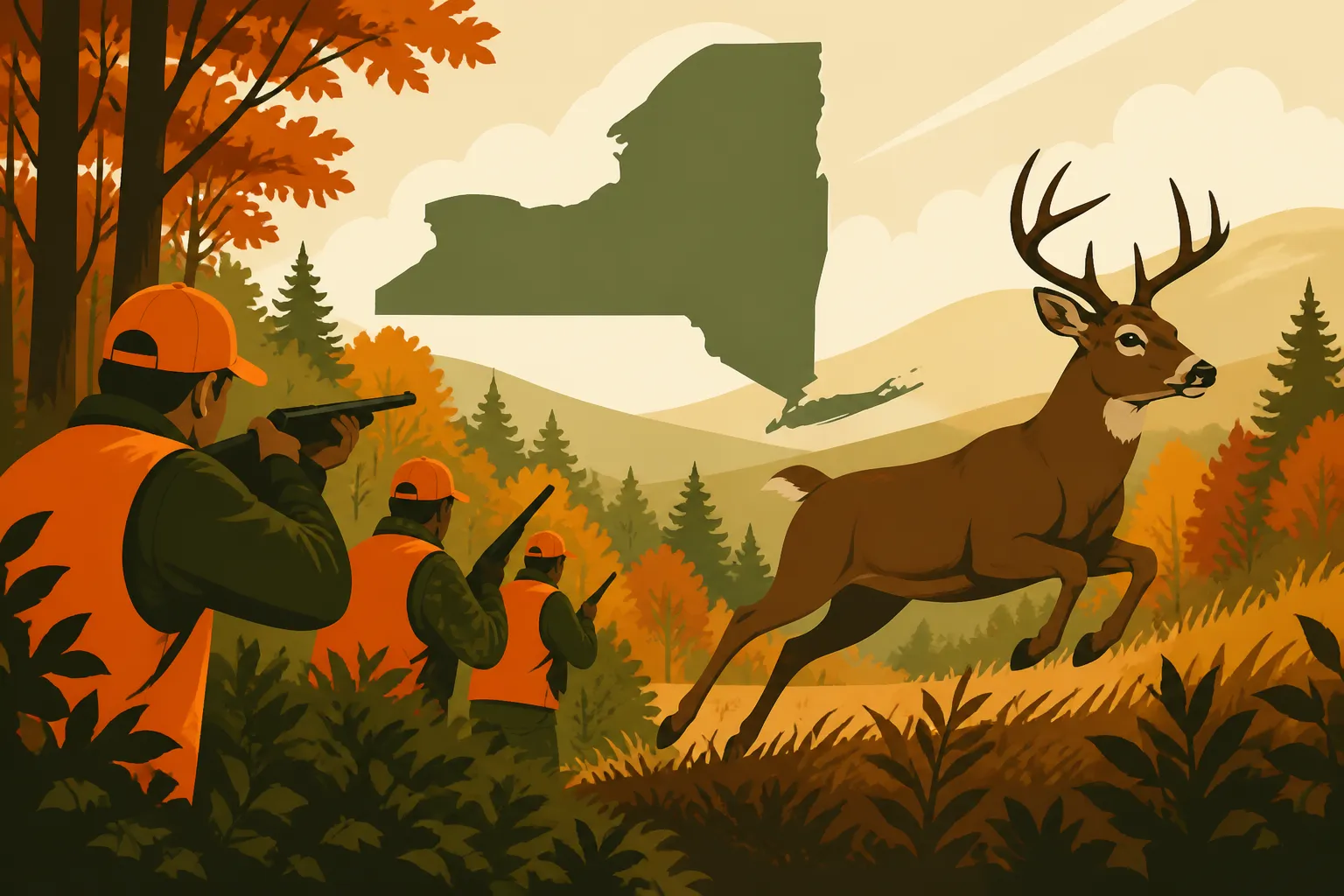
The number of hunters you need for a drive depends entirely on the size and type of cover you're trying to push. For a smaller woodlot, a team of three or four hunters might be perfectly adequate. One or two hunters can act as "pushers" or "drivers," walking through the cover, while the others position themselves as "standers" or "blockers" at strategic escape routes. For larger blocks of public land, or particularly dense tracts like those you might find in some of the larger State Forest blocks, you might need five, six, or even more hunters to cover the ground effectively.
The key is to have enough hunters to create a discernible line for the pushers, preventing deer from simply slipping back through gaps, and enough standers to cover the most likely escape routes. Too few hunters, and you'll have deer squirt out the sides or behind you. Too many, and you might spook deer too quickly or create safety concerns with too many people in a small area. When considering group size, think about the specific parcel you're targeting; a compact patch of thick brush along a power line might only need three people, but a hundred-acre section of mixed timber and dense understory would certainly benefit from more. For groups of three or four hunters, specific tactics come into play, which we cover in detail in our guide on Deer Drives With Three or Four Hunters.
Defining Roles: Drivers and Standers
Every hunter on a drive has a vital role to play. Clear communication of these roles before you even leave the truck is paramount.
Drivers (Pushers): These are the folks who walk through the cover, making noise and encouraging deer to move. Their job isn't to run or sprint, but to walk at a consistent, measured pace, covering the ground thoroughly. They might occasionally stop to listen, particularly if they hear deer crashing ahead. Drivers should pay attention to the wind, keeping it in their face if possible, to avoid blowing their scent ahead of the deer. They also need to be constantly aware of where their fellow drivers are and where the standers are positioned. It's a physical job, often involving navigating tough terrain and thorny thickets. Their pace and direction are critical to funneling deer correctly.
Standers (Blockers): These hunters position themselves at the anticipated escape routes. This could be a natural funnel, a field edge, a saddle between two ridges, or a logging road where deer are likely to try and cross. Standers need to be set up well before the drive begins, quiet, camouflaged, and ready. They should have clear shooting lanes and a safe backdrop, always knowing the location of the drivers and other standers. Their primary job is to remain still and observant, waiting for deer to be pushed to them. Positioning a stander along a potential travel corridor on a steep Catskill ridge, for instance, requires careful consideration of wind and thermals, as outlined in our article on Wind and Thermals on a Catskill Ridge. Safety is paramount, and standers must have a clear understanding of shooting zones and backstops.
| Role | Primary Goal | Key Actions | Safety Considerations |
|---|---|---|---|
| Driver | Push deer out of cover towards standers | Walk slowly and consistently, make noise, cover entire block, maintain line with other drivers. | Know stander positions, identify safe shooting zones ahead, wear ample blaze orange. |
| Stander | Intercept deer escaping the drive | Remain still and quiet, cover designated escape route, identify clear shooting lanes and safe backstops. | Know driver positions, identify clear shooting zones and backstops, wear ample blaze orange. |
Planning Your Public Land Drive
The success of any deer drive, especially on public land, hinges on meticulous planning. You can't just show up and wing it. Every drive needs a "general" who understands the terrain, deer behavior, and the capabilities of the team.
Reconnaissance and Map Study
Before you even think about setting foot on public land for a drive, you need to do your homework. Start with good topographical maps and aerial photos. Tools like the GoHunt app or the New York DEC's Scouting With the New York HuntFishNY App are invaluable here. Look for:
- Dense cover: These are your prime candidates for driving. Identify thickets, swamps, blowdowns, or dense conifer stands that deer would naturally use for bedding.
- Natural funnels: Look for terrain features that naturally constrict deer movement, such as narrow strips of timber between fields, saddles between hills, creek bottoms, or abrupt changes in elevation. These are ideal places to position standers.
- Escape routes: Deer will almost always try to use the path of least resistance. Observe logging roads, faint deer trails, and natural breaks in the cover.
- Public land boundaries: Know exactly where the public land ends and private land begins. You don't want your drive to push deer onto posted property without permission, and certainly don't want to accidentally trespass while retrieving game. Using detailed mapping like what GoHunt offers can clearly delineate these boundaries, preventing awkward encounters.
- Access points: Plan your entry and exit points for both drivers and standers. Consider parking, ease of access, and how quietly standers can get into position.
- Wind direction: This is critical. You want the drivers pushing with the wind or crosswind, so their scent isn't blowing into the deer ahead of them. Standers should ideally have the wind in their face. This means you might have to adjust your drive plan based on the daily wind forecast.
Once you have a general idea, follow up with on-the-ground scouting. Walk the area, look for fresh deer sign, and confirm your map observations. This pre-season work, especially Scouting New York Public Land Before Season, is non-negotiable for a successful drive.
Strategic Positioning of Standers and Drivers
This is where the art of the deer drive really comes into play. Once you've identified your driving block and escape routes, you need to place your team effectively.
- Standers first: Get your standers into position quietly and early. They should be placed where they have a clear line of sight along an escape route, with a safe shooting lane and a solid backdrop. Emphasize silence and minimal movement. A good stander might tuck into a cluster of evergreens, or utilize a natural rise in the terrain, always being mindful of the wind. Remember, their job isn't to walk around, it's to be still and observant.
- Drivers next: Once standers are set, the drivers begin their push. They should form a line, maintaining visual contact and spacing. The goal isn't to make as much noise as possible, but consistent, intentional noise that pushes deer in a specific direction. This could involve walking through brush, tapping trees, or quiet conversation. The pace should be slow enough to ensure thorough coverage of the block but steady enough to keep deer moving. Don't rush it; a slow, deliberate push is often more effective than a fast, noisy one that sends deer squirting out the sides. Understanding deer movement patterns, like those discussed in Reading a Ridge for Catskill Deer Movement, can inform where to place standers for maximum effectiveness.
Communication among the team is absolutely vital. Use two-way radios, whistle signals, or pre-arranged cell phone calls if service allows, to let everyone know when the drive has started, how it's progressing, and when it's concluded. This ensures safety and maximizes efficiency.
Executing the Drive Safely and Effectively
The moment of truth arrives when the drive begins. This phase requires constant vigilance, strict adherence to safety protocols, and a clear understanding of what makes a drive work.
The Critical Safety Briefing
Before anyone steps out of the vehicle, or even before you divide into groups, conduct a thorough safety briefing. This is not optional. Every single hunter must be present and understand these points:
- Hunter Location: Everyone must know where every other hunter is located – drivers and standers. Confirm your positions on a map or a shared GPS app like GoHunt.
- Shooting Lanes and Zones: Standers must identify their safe shooting lanes, ensuring they have a solid backstop and are shooting away from any known hunter positions. Never shoot in the direction of drivers, even if you see movement. Drivers should be aware of where standers are, and understand that any shot taken by a stander will be in their general direction of travel (though ideally, the shot is taken at a deer moving away from the drivers).
- Blaze Orange: In New York, it's mandatory to wear blaze orange during firearm season. For deer drives, you can't have enough. Every hunter, driver or stander, should be highly visible to other hunters. This is detailed in New York Blaze Orange Requirements.
- Ceasefire Signals: Establish a clear signal for "drive concluded" or "ceasefire." This could be a series of whistles, a specific radio call, or a pre-arranged time. No one moves from their position until this signal is given.
- Game Retrieval: Discuss how game will be retrieved, especially if a deer runs onto private property or into challenging terrain. Always respect posted land and retrieve game ethically and legally, knowing the local laws for Retrieving Game From Private Land in New York.
This briefing helps ensure everyone is on the same page and minimizes the potential for accidents.
Maintaining Formation and Pace
For the drivers, maintaining a consistent line and pace is crucial. Don't let one driver get too far ahead or fall too far behind. If there are gaps in the line, deer will often exploit them to slip through unnoticed. Use visual markers like specific trees, terrain features, or GPS waypoints to keep everyone aligned. The pace should be slow enough that deer aren't immediately bolting, but steady enough to keep them moving forward.
Drivers should actively work the cover, making enough noise to push deer but not so much that it causes them to panic and scatter wildly. Kicking brush, gently tapping trees, or calling out softly to partners can be effective. If you hear a deer run ahead, try to identify its direction and adjust your line slightly to continue funneling it. The goal is to gently persuade deer to move, not to scare them into a full-blown stampede.
For standers, patience is the ultimate virtue. Once in position, remain absolutely still and silent. Deer that are being pushed are incredibly alert. Any sudden movement or sound from a stander can cause them to veer off course, spoiling the drive. Focus on your assigned sector, scan continuously, and be prepared for a shot opportunity at any moment. Remember that deer often move in groups, so if you see one, be ready for others.
Common Mistakes and How to Avoid Them
Deer drives are effective, but they're also prone to common pitfalls if not planned and executed correctly. Learning from these mistakes can significantly increase your success rate and, more importantly, ensure everyone's safety.
Overlooking Wind Direction
This is perhaps the most critical mistake, and one that can sabotage a drive before it even starts. Deer rely heavily on their sense of smell. If your drivers are pushing with the wind at their back, their scent will be carried directly into the area where the deer are bedded, alerting them prematurely. Deer will either flee out the sides of the drive, often unseen, or circle back through the drivers, frustrating everyone.
How to avoid it: Always check the wind direction before you plan your drive. Use a wind checker, a piece of string, or even a leaf to confirm the prevailing breeze. Then, orient your drive so that the drivers are pushing either directly into the wind (though this can make it harder to hear deer moving ahead) or, more commonly, with a slight crosswind. The ideal scenario is for standers to have the wind in their face, allowing them to smell any deer approaching. If the wind shifts unexpectedly during the day, be prepared to adjust your planned drive route or choose an entirely different location. The GoHunt app often provides excellent real-time wind data, which is incredibly helpful for this kind of tactical planning.
Poor Communication Among the Team
A deer drive without clear communication is like trying to conduct an orchestra without a conductor. If drivers don't know where standers are, or if standers aren't aware of the drivers' progress, chaos can ensue. This leads to safety risks and missed opportunities.
How to avoid it: As mentioned, a thorough safety briefing is step one. But ongoing communication throughout the drive is also important. Use two-way radios set to a private channel if possible. If cell service is reliable, pre-arranged text messages or calls can work, but radios are generally more robust in typical hunting terrain. Establish clear codes or phrases. For instance, "Driver 1 moving into the swamp," or "Stander 3, I hear movement to my left." Drivers should periodically call out their positions to help standers gauge their progress and prepare. This level of coordination is even more critical when hunting challenging areas like those discussed in Hunting Pressure on New York Public Land.
Rushing the Drive or Spacing Too Far Apart
Many novice driving teams make the mistake of either pushing too fast or spreading their drivers out too thinly. A fast drive can spook deer immediately, causing them to break cover wildly and unpredictably, often running away from standers or slipping through unseen gaps. Spacing drivers too far apart creates large lanes for deer to simply walk through without being detected or pushed.
How to avoid it: Emphasize a slow, deliberate, and consistent pace for drivers. Think of it less as a chase and more as a systematic sweep. Drivers should be able to maintain visual or at least audible contact with their partners. If you have a small team, choose a smaller, more manageable block of cover rather than trying to clear a massive area. It's better to successfully drive a small, dense thicket than to make a half-hearted attempt at a huge block of timber. For instance, if you're hunting a small woodlot near an agricultural field in the Southern Tier, choosing a compact drive area and maintaining tight spacing will be far more effective than trying to push across several hundred acres.
Post-Drive Procedures and Ethics
Once the drive is complete, the work isn't over. Ethical recovery of game, proper field dressing, and responsible behavior are just as important as the drive itself.
Tracking and Recovery Efforts
If a deer is hit, the immediate priority is safe and ethical recovery. Even if you see a deer go down, approach with caution and ensure it's expired before handling it. If the deer runs, mark the spot of the shot carefully and assess the blood trail.
- Follow-up: Don't rush into tracking a wounded deer right after the shot. Give it some time, especially if the hit wasn't ideal. A deer that is left undisturbed for an hour or more will often bed down and expire, rather than running a long distance.
- Team Effort: Tracking can be a team effort. Assign designated trackers and use a grid search pattern if the blood trail is sparse. In fresh snow, tracking is often easier, as described in Tracking a Deer in Fresh New York Snow.
- Tools: Bring headlamps, flagging tape, and a good knife. If tracking goes into dark, be prepared. Our guide on Blood Trailing After Dark in New York offers crucial tips for these challenging situations.
- Respect Boundaries: If a deer runs onto posted private land, you must obtain permission from the landowner before pursuing it. Do not trespass. This is where pre-drive planning and knowing the property lines (again, GoHunt or HuntFishNY are excellent for this) can prevent problems.
Field Dressing and Hauling Out Your Harvest
Once recovered, the deer needs to be field dressed promptly to cool the meat and prevent spoilage. This is especially critical during warmer early-season drives, but also important in the cold to avoid freezing internal organs that you might need to tag.
- Location: Try to field dress the deer in a spot that offers some privacy and doesn't impede trails or other hunters.
- Technique: If you're new to it, watch a few videos or have an experienced hunter show you the ropes. Work cleanly and efficiently.
- Hauling: Depending on the terrain and distance, you might need a deer cart, a sled (especially in the snow), or simply strong backs to drag the deer out. On steep Catskill ground, getting a deer out can be a serious challenge, as highlighted in Dragging a Deer Off a Catskill Ridge. Consider boning out the deer in the field if the distance is extreme, saving weight and effort. This is often necessary in rugged Adirondack or Catskill terrain far from roads.
- Reporting: Don't forget to report your harvest to the New York DEC as required. This can often be done easily through the Reporting a New York Deer Harvest Online system or the HuntFishNY app.
Cleaning Up and Respecting the Land
After the drive, leave no trace. Pack out all your trash, shell casings, and any flagging tape you used. Public lands are a privilege, and we want to ensure they remain accessible and pristine for future generations of hunters and outdoor enthusiasts. Be mindful of disturbing other hunters, especially if you're retrieving game near active stand sites.
Deer drives, when done safely, ethically, and strategically, are a powerful and effective method for harvesting deer on New York's public lands. They combine teamwork, local knowledge, and an understanding of deer behavior to make the most of challenging hunting conditions.
Disclaimer
Always consult the most current New York State Department of Environmental Conservation (DEC) hunting regulations before heading afield. Laws and regulations can change, and it is every hunter's responsibility to know and follow them.