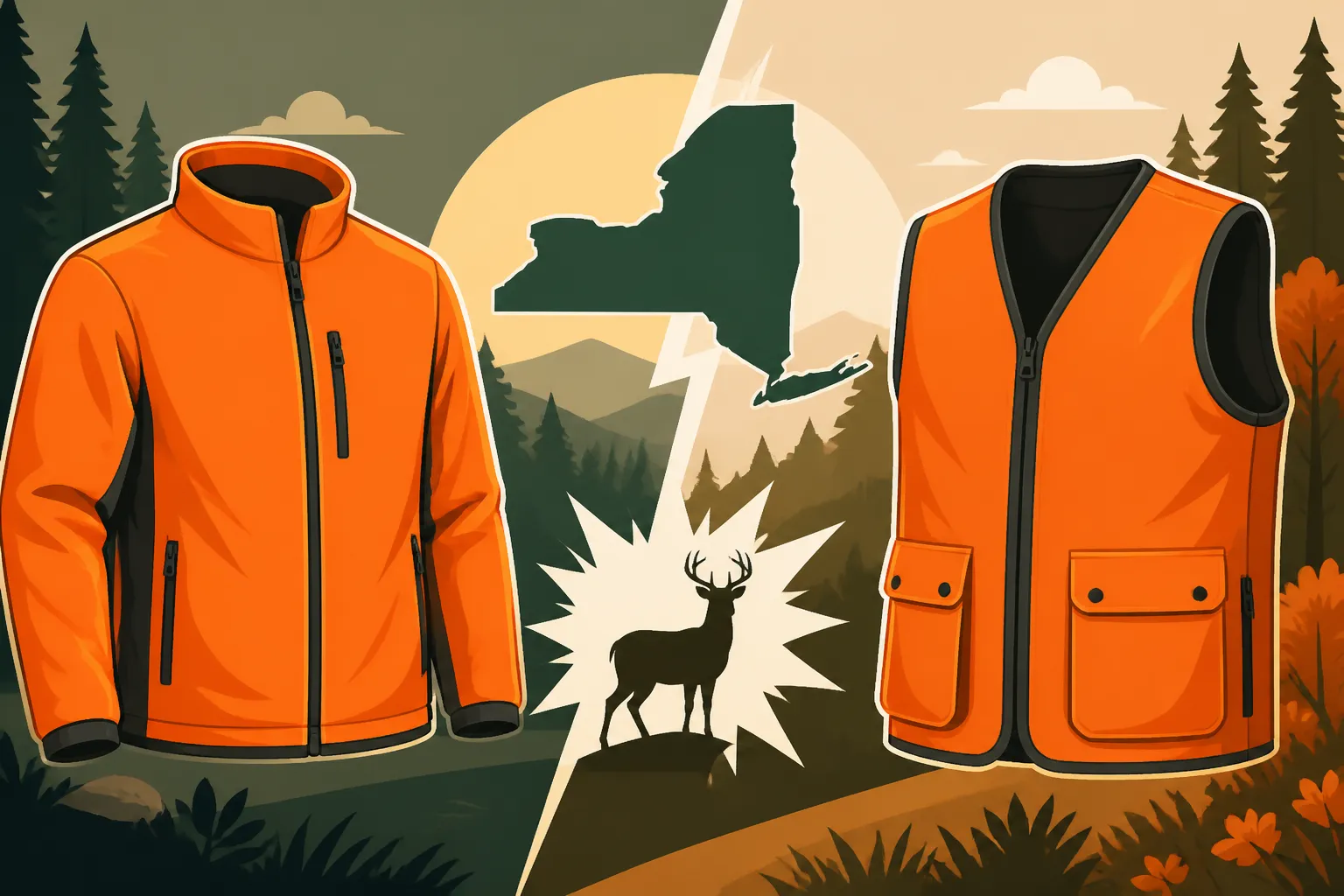
Blaze Orange Jackets Versus Vests
One of the most common dilemmas for New York hunters, especially as the seasons change and the weather grows unpredictable, is figuring out the right blaze orange gear. It’s not just about meeting the legal requirements; it’s about balancing safety with comfort, mobility, and the practicalities of a long day in the woods. This guide aims to clear up the confusion between blaze orange jackets and vests, helping you make the best choice for your next hunt across our diverse New York landscapes.
Understanding New York's Blaze Orange Requirements
Before we dive into the nitty-gritty of jackets versus vests, let's nail down what New York actually requires of us hunters. It's easy to get complacent or confused, but these rules are in place for everyone's safety out there, especially during firearm seasons when visibility is paramount. You can’t be too safe when you’re sharing the woods.
The Basic Law: What Hunters Must Wear
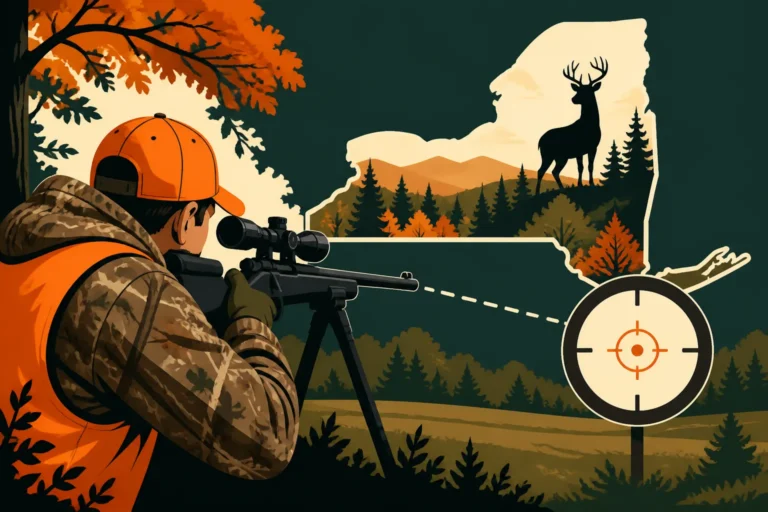
The core of New York's blaze orange law is pretty straightforward: if you're hunting deer or bear with a firearm, or even small game on specific public lands during certain periods, you must wear an outer garment of solid blaze orange or blaze pink. This isn't some optional suggestion; it's a legal mandate. The key here is "outer garment," meaning it should be the outermost layer visible from all directions. Think about it: when you're still-hunting through thick brush or sitting silently in a stand, you want to be seen by other hunters, not just deer. The garment needs to be prominently displayed on your head, chest, and back. There's no minimum square inches specified in the law like some other states, but the intent is clear: be visible. This typically means a hat and vest, or a full jacket. While the law sets a minimum, many seasoned hunters opt for more than just the bare minimum to maximize their visibility, especially in dense cover like what you'd find in the Catskills or parts of the Southern Tier. It's a small price to pay for peace of mind.
Specifics for Different Seasons and Game
New York's blaze orange rules aren't a one-size-fits-all situation; they vary slightly depending on what you're hunting and when. For instance, during archery-only seasons for deer and bear, blaze orange isn't legally required. This allows bowhunters to wear camouflage patterns that help them blend into the environment for close-range shots. However, even during archery season, many bowhunters choose to wear a blaze orange hat or vest when walking to and from their stand, especially if they're on public land or in areas where other hunters might be present. It’s a common courtesy and a smart safety practice. You can learn more about this by checking out Orange Requirements for Archery Hunters.
When firearm seasons open, however, those blaze orange requirements kick in hard. This includes general firearm seasons for deer and bear, as well as the special muzzleloader seasons. Small game hunters also need to be aware; if you're pursuing rabbits or squirrels on a Wildlife Management Area during a big game firearm season, you'll likely need to wear blaze orange too. The idea is that if any big game firearm hunting is happening in the area, all hunters should be visible. While the classic blaze orange is always compliant, New York also offers Blaze Pink Options Under New York Law for those who prefer it. Always double-check the specific regulations for your Wildlife Management Unit (WMU) and the dates you plan to hunt, as rules can occasionally have hyper-local nuances or special area-specific regulations that you might miss if you don't look closely.
Blaze Orange Vests: Pros, Cons, and Practical Use
When it comes to blaze orange, the vest is often the first thing a hunter grabs. It's a staple for a reason, but it also has its limitations. Understanding when a vest shines and when it might leave you wanting more is key to staying safe and comfortable.
Advantages of Wearing a Vest
The biggest draw of a blaze orange vest is its versatility and often, its affordability. A simple mesh or lightweight fabric vest can be pulled over almost any other layer, making it incredibly adaptable to changing weather conditions. If you're out during early firearm season, say a crisp but not freezing November morning in the Southern Zone, you might start with a light jacket and a vest over it. As the sun climbs and temperatures rise, you can shed your jacket and still meet the blaze orange requirement with just the vest. This layering flexibility is huge in New York, where a single day can see dramatic temperature swings.
Vests are also fantastic for packing. They fold down small, take up minimal space in your pack, and weigh next to nothing. This is particularly beneficial if you're making a long walk into an Adirondack wilderness area, where every ounce and inch counts, or if you're Scouting New York Public Land Before Season and want to stay visible without committing to a full jacket. They're also generally less expensive than a full blaze orange jacket, making them an accessible option for new hunters or those looking for a backup. For anyone who likes to hike into their stand or still-hunt actively, a vest won't restrict your movement or cause you to overheat like a heavy jacket might.
Disadvantages and When a Vest Falls Short
Despite their advantages, blaze orange vests have clear limitations. Primarily, they offer zero warmth or weather protection. If you're hunting in late season, when New York's December weather can bring biting winds, sleet, or heavy snow, a vest over your regular camo simply won't cut it. You'd need a substantial insulated jacket underneath, and then you're just adding bulk. In these conditions, a dedicated blaze orange jacket often makes more sense for warmth and comfort.
Another downside is their coverage. While they meet the legal minimums, vests typically cover only your torso. Your arms, and often a good portion of your back and chest if your base layers are dark, might not be orange. In dense woods or low light, this reduced surface area can make you less visible than a full jacket. Also, vests can sometimes snag on brush or get bunched up under a heavy hunting pack, reducing their effectiveness and comfort. If you're bushwhacking through thick briars in a hidden valley, a vest might not stand up to the abuse as well as a more durable, integrated jacket. Think about how much you carry; a large pack for a multi-day hunt can obscure a significant portion of a vest, reducing its visibility from the rear.
Blaze Orange Jackets: Pros, Cons, and Practical Use
For many New York hunters, especially when the mercury drops or the weather turns foul, a dedicated blaze orange jacket becomes the go-to choice. It offers a different set of benefits and drawbacks compared to a simple vest.
Benefits of a Dedicated Orange Jacket
The primary advantages of a blaze orange jacket revolve around warmth, weather protection, and comprehensive visibility. Many modern hunting jackets are designed with integrated insulation, waterproofing, and wind-blocking features, making them ideal for the notoriously unpredictable New York Deer Seasons by Zone. If you're sitting in a treestand on a frigid November morning in the Northern Zone or battling lake-effect snow in the Tug Hill, a well-insulated blaze orange jacket can be the difference between a miserable hunt and a comfortable one. It provides a consistent layer of warmth and keeps you dry, allowing you to focus on the hunt, not the shivers.
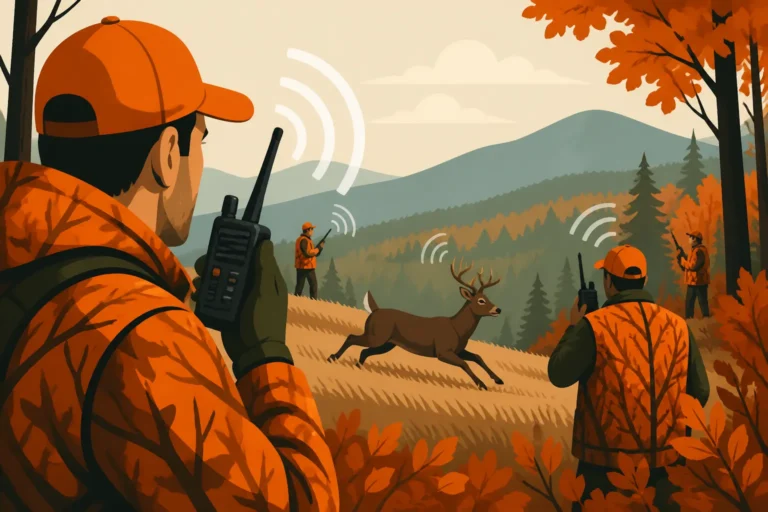
Beyond comfort, a jacket offers superior visibility. With orange covering your entire torso and often your arms, you present a much larger, more easily spotted profile to other hunters, regardless of your movement or the angle of view. This is a huge safety benefit, especially in areas with higher hunter density, such as during opening weekend in the Southern Zone, or when participating in Deer Drives With Three or Four Hunters. The integrated design also means fewer layers to manage, and often, better-placed pockets and features for your calls, rangefinder, or a small snack. For hunters prioritizing comfort and maximum visibility in challenging conditions, a good blaze orange jacket is an indispensable piece of gear.
Drawbacks and When a Jacket Might Be Overkill
Of course, a dedicated blaze orange jacket isn't always the perfect solution. One of the most significant drawbacks is its lack of adaptability to warmer conditions. If you buy an insulated blaze orange jacket for late-season rifle hunting, it will be far too hot for early November archer season or even a mild firearm opener. This means you might need multiple pieces of blaze orange gear for different times of the year, which can be a hit to the wallet. A good jacket can also be significantly more expensive than a simple vest.
Another consideration is bulk and weight. While providing warmth, insulated jackets are naturally heavier and bulkier than vests. This can be a real hindrance if you have a long hike to your hunting spot, especially on steep Catskill ground, or if you need to pack light for a strenuous, active hunt. Trying to layer a heavy blaze orange jacket under a backpack can also be uncomfortable and restrictive. Furthermore, for situations where stealth and minimal movement are key, like Rattling and Grunting in New York, the stiffer fabric of some insulated jackets might create unwanted noise compared to quieter, softer layering options. In these cases, a vest over a quieter base layer might be preferable, or a less insulated, lighter orange jacket might be a better compromise.
Making the Right Choice for Your New York Hunt
Deciding between a blaze orange vest and a jacket ultimately comes down to a few key factors: the conditions you'll be hunting in, your activity level, and how you prefer to layer your clothing. There's no single "best" answer, but rather the "best fit" for your specific hunt.
Factors to Consider: Weather, Activity, and Layering
When you're gearing up for a hunt, the first thing to consider is the expected weather. Are you heading out for an early November firearm season opener in the Southern Tier where temperatures might be mild, or are you looking at a late December muzzleloader hunt in the frigid Adirondacks? For warmer conditions or if you anticipate a lot of walking and generating body heat, a vest is often the smarter play. You can wear a lightweight base layer or two underneath, then simply throw on your vest for legal compliance and visibility. This allows for excellent ventilation and prevents overheating.
Conversely, when the temperatures plummet, or rain and snow are in the forecast, a dedicated blaze orange jacket is usually the way to go. Look for one that offers good waterproofing and sufficient insulation to keep you warm during long, static sits. Thinking about Cold-Weather Sitting Strategy in New York will certainly push you towards a jacket. Your activity level also plays a huge role. If you plan on still-hunting for miles through varied terrain, a bulky, heavily insulated jacket might be too restrictive and cause you to sweat excessively. A lighter jacket or vest, allowing for more freedom of movement, would be better. If you’re primarily hunting from a stationary position, like a treestand or ground blind, the added warmth and coverage of a jacket become much more valuable. Consider how you build your layers; some hunters prefer a system where their outer layer is always blaze orange, while others prefer to layer a vest over various camouflage jackets they already own. Take a look at Layering for a New York Deer Stand for more ideas on smart layering.
| Feature | Blaze Orange Vest | Blaze Orange Jacket |
|---|---|---|
| Visibility | Good (torso only, can be obscured by pack) | Excellent (full torso & arms, less obstruction) |
| Warmth | None | Variable (insulated for warmth, shell for protection) |
| Weather Protection | None (no wind or rain barrier) | Variable (windproof, waterproof options available) |
| Layering | Highly flexible (over any existing jacket) | Less flexible (is the outermost layer) |
| Mobility | Excellent (unrestricted arm movement) | Good (can be bulky depending on insulation) |
| Packability | Excellent (folds small, lightweight) | Fair to Poor (can be bulky, heavier) |
| Cost | Generally lower | Generally higher |
| Best For | Mild weather, active hunting, layering diversity | Cold/wet weather, stationary hunting, maximum comfort |
Integrating Blaze Orange with Your Gear
Your blaze orange gear needs to integrate seamlessly with the rest of your hunting setup. If you carry a large backpack, consider how it might obscure a vest, especially from behind. Some vests are designed with larger back panels or even straps to go over packs to maintain visibility. Similarly, if you use an optics harness or binocular chest pack, ensure it doesn't cover too much of your front orange surface. You want to make sure you're still meeting both the spirit and the letter of the law.
When selecting a jacket or vest, think about the pockets. Can you access your rangefinder, calls, or a snack easily? Does it have a loop for your license or tag? For those using mapping applications like GoHunt to navigate and locate hunting spots, having easily accessible pockets for your phone or a small GPS unit can be incredibly convenient, especially if you're frequently checking land boundaries or marking sign. Sometimes, even the best gear from GoHunt won't help if you can't access your phone quickly because your jacket is too bulky. If you’re like me, you’re always juggling a few things. Consider the material: will it be quiet enough for your style of hunting? Wool Versus Synthetics in Wet Snow can make a huge difference not just in warmth, but in noise when rubbing against branches. Ultimately, the best blaze orange gear is the one that keeps you safe, compliant, and comfortable, allowing you to enjoy your time afield without distraction.
Disclaimer
This article is for general informational purposes only and does not constitute professional advice. Laws, prices and regulations vary by location and change over time. Consult a qualified professional for guidance on your specific situation.