Wool for Wet Snow and Quiet Movement
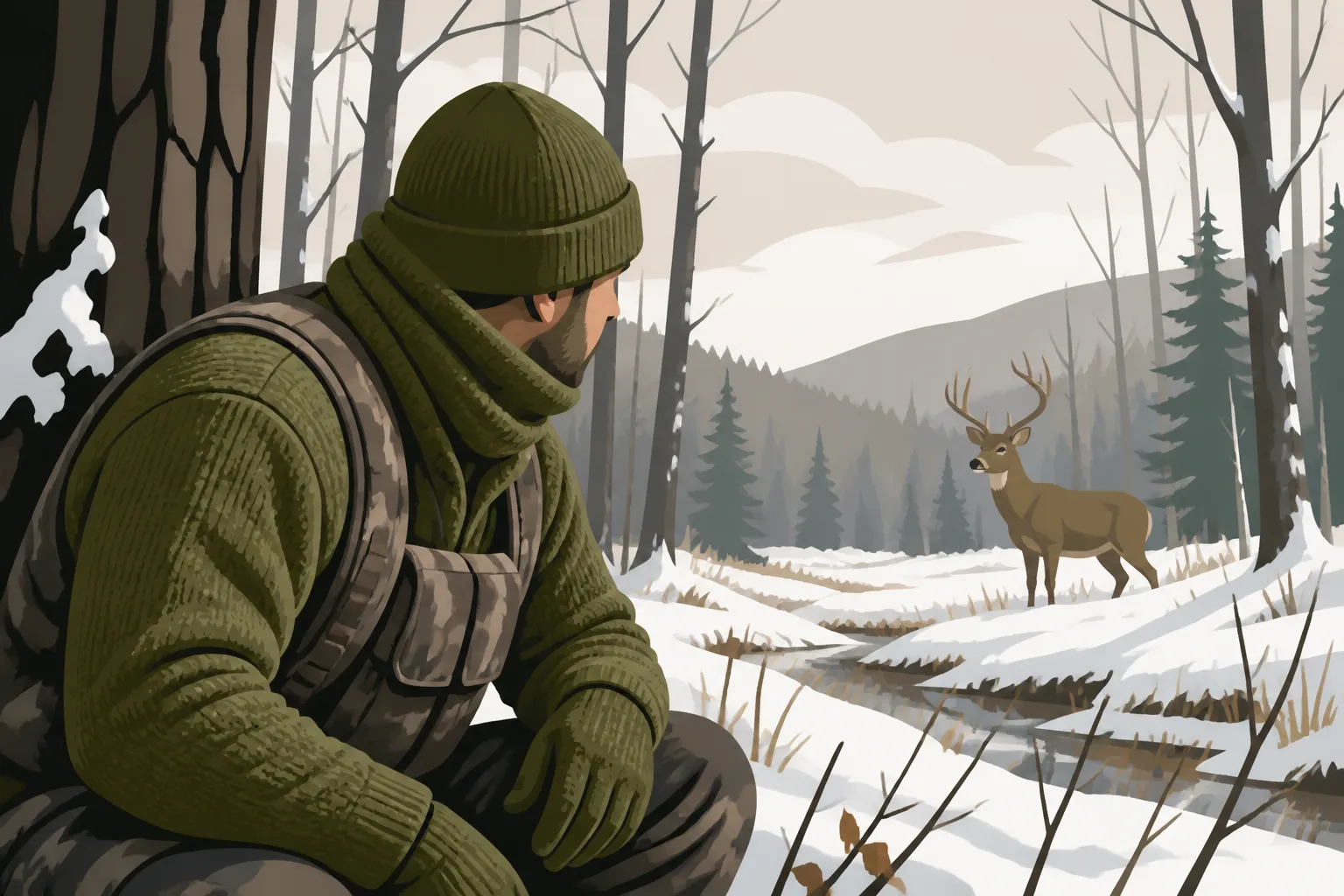
We've all been there: bundled up for a crisp New York morning, only for the weather to turn on a dime. A light snow becomes a freezing rain, or a quiet stalk is ruined by the crinkle of synthetic fabrics against a frosty branch. It's frustrating to invest in gear that promises warmth only to fail when it truly counts, leaving you cold, wet, and feeling like your presence is announced to every deer in the woods. This guide is dedicated to bringing back a classic solution – wool – and exploring how its timeless properties make it an unbeatable choice for staying warm, dry, and incredibly quiet during your New York hunting adventures, especially when dealing with wet snow.
Why Wool Stands Out in New York's Hunting Weather
New York's hunting seasons throw everything at us: mild fall days, bitter December winds, and, inevitably, wet snow and sleet that can soak you to the bone. This isn't the dry, fluffy powder of the high Rockies; this is often heavy, moisture-laden snow that melts on contact and saturates clothing quickly. In these conditions, traditional wisdom often points to modern synthetics, but many veteran hunters know that wool still holds a significant, often superior, advantage.
Insulating Power Even When Soaked
This is arguably wool's most legendary characteristic and it's a game-changer when you're facing New York's notoriously unpredictable weather. Imagine you're on a late-season deer hunt in the Catskills. The morning starts with a light snowfall, but by midday, it’s turned to a thick, wet slush that clings to everything. Your boots are wet, your hat is damp, and a layer of wet snow has settled on your shoulders. If you're wearing cotton or many synthetics, once that moisture penetrates, you start to feel cold almost immediately.
Wool, however, has a unique fiber structure that continues to provide insulation even when it's damp or outright wet. Each wool fiber has a complex crimp and a natural waxy coating (lanolin) that helps repel water to some extent. More importantly, the internal structure of the fiber can absorb a significant amount of moisture (up to 30% of its weight!) without feeling wet to the touch or losing its insulating properties. This means if you're slogging through slushy snow in a Hunting the Southern Zone Holiday Hunt scenario or enduring a freezing rain while still-hunting, your body heat isn't just evaporating away with the moisture. That core warmth is maintained, which can be the difference between a comfortable, productive hunt and an early retreat to the truck. It’s a literal lifesaver on those days when Mother Nature decides to test your resolve.
Unparalleled Quietness for Stealthy Movement
How many times has a perfectly executed stalk on a wary Adirondack buck been ruined by the rustle of your jacket against a twig? Modern synthetic fabrics, while lightweight and often waterproof, have a notorious tendency to be loud, especially in cold, dry conditions when they can become stiff and crunchy. Think about walking through a brushy section of a state forest, or trying to silently draw your bow in a quiet stand. Every little movement can sound like a symphony of crinkles to a deer's sensitive ears.
Wool, by its very nature, is a quiet fabric. Its fibers are soft and have a natural drape that doesn't create sharp noises when rubbed together or brushed against cover. Whether you're carefully placing a foot down during a Still-Hunting Catskill Ridges expedition, slowly raising your binoculars, or drawing a bow on a cold morning, wool allows for a level of stealth that many other materials simply can't match. This quietness is critical in New York's typically dense timber and brushy landscapes, where shots are often close-range and deer are accustomed to heavy hunting pressure. The ability to move without drawing unwanted attention is a tactical advantage that no hunter should underestimate.
Natural Odor Control for Close Encounters
Another frustrating reality for hunters is scent control. No matter how much you shower or spray down, your body produces odors, and synthetics, especially, tend to hold onto them. After a brisk hike to your stand, or a few hours of sitting, even a fresh synthetic base layer can start to smell, and that's an immediate red flag for any deer downwind.
Wool, particularly merino wool, possesses natural antimicrobial properties. This means that the fibers resist the growth of odor-causing bacteria. You can wear wool base layers for multiple days of strenuous hunting without them developing the pungent funk that synthetic garments often do. This is a huge benefit for multi-day hunts, especially if you’re staying in a hunting camp where laundry facilities are non-existent, or simply for extending the life of your scent-control efforts throughout a long day in the woods. When you’re trying to fool a mature buck in its own territory, minimizing your human odor is paramount, and wool helps immensely in that battle.
Choosing the Right Wool for Your New York Hunt
With wool, it’s not a one-size-fits-all situation. The type of wool you choose, and how you integrate it into your layering system, will depend heavily on the specific conditions you expect to encounter during your New York hunt. From the fine, soft fibers of merino to the rugged durability of traditional wool, each has its place.
Merino Wool: The Next-to-Skin Champion
Merino wool has revolutionized how many hunters think about wool. Gone are the days of scratchy, itchy wool against your skin. Merino wool fibers are incredibly fine and soft, making them supremely comfortable as a next-to-skin layer. But its benefits go far beyond comfort.
For a New York hunter, merino excels as a base layer for several reasons:
- Moisture Wicking: While wool retains warmth when wet, merino actively pulls moisture away from your skin, moving it to the outer layers where it can evaporate. This keeps you feeling drier, which is key to preventing chills after a strenuous climb or during a sudden temperature drop.
- Temperature Regulation: Merino wool is fantastic at regulating body temperature. It helps keep you warm when it's cold, and surprisingly, helps keep you cool when it's warm by promoting evaporative cooling. This is perfect for those fickle fall days when the morning is freezing but the afternoon warms up considerably.
- Odor Resistance: As mentioned, merino’s natural antimicrobial properties mean you can wear these layers for extended periods without developing noticeable body odor. This is invaluable when you're trying to keep your scent footprint low for species like deer or bear.
Many hunters use merino for everything from lightweight t-shirts for early season archery to heavy expedition-weight long johns for Muzzleloader Tactics in December Cold. When researching gear on platforms like GoHunt, you'll find a wide array of merino options from various brands, each tailored to different activity levels and temperature ranges.
Traditional Wool: Durable Outer Warmth
When most people think of "hunting wool," they picture the classic, thick, often scratchy wool coats and pants. This is what we refer to as traditional or "felted" wool. While not suitable for direct skin contact due to its coarser fibers, traditional wool remains an outstanding choice for outer and mid-layers, especially for rugged New York hunting.
- Exceptional Durability: This wool is tough. It can stand up to thick briars, sharp branches, and the general abuse of navigating dense cover. It's the kind of fabric that can last a lifetime if properly cared for.
- Superior Warmth: Traditional wool, often thicker and denser, provides incredible warmth. It creates a robust barrier against the wind and cold, making it ideal for sitting on stand in freezing temperatures or for a quiet, insulating outer layer during Hunting the Rut in the Northern Zone.
- Wind Resistance: While not entirely windproof without a membrane, its dense weave offers significant protection against chilling winds, far more than many open-weave synthetics.
- Nearly Silent: Like merino, traditional wool is incredibly quiet. The natural fibers absorb sound rather than reflecting it, allowing for quiet movement even when pushing through heavy brush.
Many brands still offer fantastic traditional wool garments, often made from coarser sheep's wool, sometimes even blended with other fibers for added strength. These pieces are often the cornerstone of a true cold-weather hunting system, especially when silence is paramount.
Wool Blends: The Best of Both Worlds
Sometimes, the perfect solution lies in a blend. Modern textile technology has allowed manufacturers to combine wool with synthetic fibers to create garments that offer the best attributes of both.
- Enhanced Durability: Blending wool with synthetics like nylon or polyester can significantly increase the garment's abrasion resistance and overall lifespan. This is particularly useful in high-wear areas of pants or jackets.
- Faster Drying: While wool performs well when wet, synthetics often dry faster. A blend can offer improved drying times without completely sacrificing wool’s insulating properties or quietness.
- Stretch and Mobility: Some blends incorporate elastane or spandex, providing more stretch and freedom of movement, which can be beneficial for active hunting styles like still-hunting or traversing steep terrain in the Finger Lakes Region.
- Cost-Effectiveness: Often, wool blends can be a more economical option than pure merino or high-end traditional wool, making quality gear more accessible.
When you're browsing through gear guides, especially on sites like GoHunt, you'll notice many items are wool blends. Pay attention to the percentage of wool versus synthetic to understand the primary benefits of each piece. A higher wool content will lean towards natural performance, while more synthetic will often mean faster drying and increased durability.
Mastering Your Wool Layering System
To truly harness the power of wool in New York's diverse conditions, you need to think in layers. A well-constructed layering system allows you to adapt to changing temperatures, activity levels, and weather without compromising warmth or quietness.
The Foundation: Merino Base Layers
Your base layer is the most critical part of your system. It's the layer that directly manages moisture and touches your skin. For this, merino wool is king.
Start with a lightweight (150-200 GSM) merino top and bottom for early to mid-season hunts or active pursuits. This will wick sweat away from your body, keeping you dry. If you’re facing colder temperatures, or plan on less movement, opt for a mid-weight (200-250 GSM) or even heavy-weight (250+ GSM) merino base layer. For example, during a late November sit where you’re trying a Cold-Weather Sitting Strategy in New York, heavy merino long johns are a must. The beauty of merino is its ability to regulate temperature; you might feel a little warm hiking in, but as soon as you stop, that warmth retention kicks in, preventing a chill. Consider a brand like First Lite or Sitka, which offer extensive merino lines often featured on platforms like GoHunt, allowing you to build out a complete system.
Mid-Layers for Core Warmth
The mid-layer is your primary insulation engine. This is where you add bulk for warmth, and wool once again shines.
For your mid-layer, you might choose a thicker merino fleece, a blend, or even a classic wool sweater or vest. The key here is to add warmth without too much bulk or noise. A full-zip wool jacket can be easily vented if you're hiking, and zipped up tight when you stop. A vest might be ideal if you need warmth for your core but want maximum arm mobility for shooting or glassing. This layer is crucial for trapping the heat generated by your body, especially when the mercury drops. When preparing for a hunt where you anticipate Hunting Deer in Deep Tug Hill Snow, a robust wool mid-layer under a good outer shell will be absolutely essential.
Outer Layers: Protection, Quiet, and Camouflage
Your outer layer needs to provide protection from the elements, remain quiet, and often incorporate your camouflage pattern. This is where traditional wool, or smart wool-synthetic blends, truly excel.
A heavy traditional wool jacket and pants provide excellent warmth, are incredibly quiet for stalks, and the natural fibers absorb light, giving a "dead" appearance that helps you blend into the natural environment. However, pure traditional wool isn't entirely waterproof. For those days with heavy, wet snow or freezing rain, you might layer a lightweight, packable waterproof shell (preferably a quiet one!) over your wool outer layer. This combination gives you the best of both worlds: the quiet, insulating power of wool, and the impenetrable barrier of a waterproof shell. For example, Keeping a Muzzleloader Dry in Lake-Effect Snow isn't just about your firearm; it's about keeping you dry, and a smart wool-plus-shell system is excellent for this.
Consider this layering example for a typical late-season New York deer hunt:
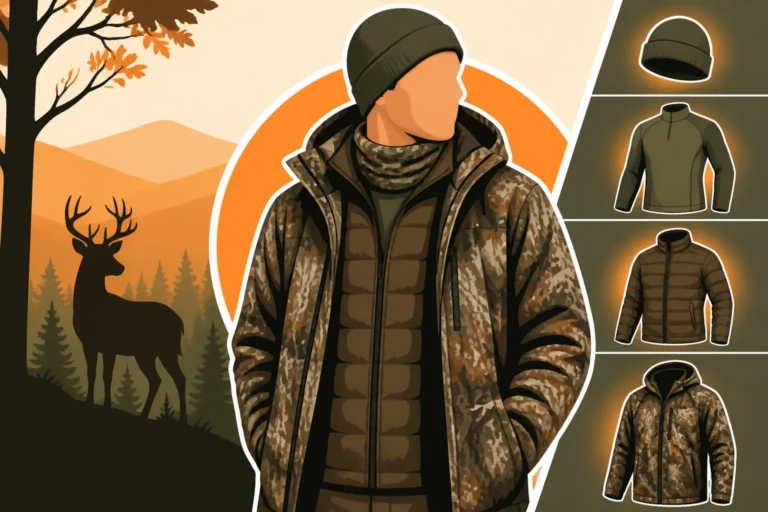
| Layer Type | Recommended Wool Option | Key Benefit for NY Hunting |
|---|---|---|
| Base Layer | Lightweight or Mid-weight Merino long johns and crew-neck top | Wicks moisture, regulates temp, odor control, comfortable next-to-skin |
| Mid-Layer | Mid-weight Merino fleece jacket or traditional wool sweater | Adds critical insulation, traps body heat, flexible warmth |
| Outer Layer | Heavy traditional wool jacket and pants, or wool-blend softshell | Silent movement, durable, wind resistance, camouflage |
| Rain Shell | (Optional) Quiet, lightweight waterproof/breathable shell | Provides rain/heavy wet snow protection over wool |
This system allows for easy adjustments. Feeling warm on the hike in? Unzip your mid-layer or shed your outer shell briefly. Sitting still and getting cold? Zip up, pull on a warm wool hat and gloves, and trust your layers to do their job. Don't forget wool socks for happy feet, especially inside those Boots for New York Swamps and Snow!
Keeping Your Wool in Top Hunting Shape
Wool gear is an investment, and like any good hunting tool, it deserves proper care to ensure it lasts for seasons to come. Neglecting your wool can lead to shrinking, pilling, or diminished performance.
Washing and Drying Your Wool Garments
The biggest fear with wool is shrinking, and rightly so. High heat and agitation are wool's enemies. Here’s how to keep your wool looking and performing its best:
- Read the Label: Always, always check the care tag. Merino garments often allow machine washing on a delicate cycle, while thicker traditional wool might require hand washing or professional dry cleaning.
- Use Cold Water: Whether machine or hand washing, always use cold water.
- Gentle Detergent: Use a wool-specific detergent or a mild, pH-neutral soap. Avoid harsh detergents, bleach, or fabric softeners, as these can damage wool fibers and reduce their natural properties.
- Delicate Cycle/Hand Wash: If machine washing merino, use the wool or delicate cycle. For traditional wool, hand washing in a tub or large sink is often safest. Gently squeeze out excess water; do not wring aggressively.
- Air Dry Flat: This is crucial. Never put wool in a machine dryer, as the heat and tumbling will almost certainly cause shrinkage. Lay garments flat on a clean towel or drying rack. Reshape them gently while damp. Drying flat prevents stretching and maintains the garment's original shape. This also applies to items like your Wool Versus Synthetics in Wet Snow discussion – even if it's a blend, err on the side of caution.
Storing Your Wool Gear Safely
When the season ends, and you're packing away your Clothing for a New York November gear, proper storage is key to protecting your wool from pests and maintaining its integrity.
- Clean Before Storage: Ensure all wool garments are thoroughly clean and dry before putting them away. Any residual sweat or food particles can attract moths and other insects.
- Moth Protection: Moths love wool. Use cedar blocks, lavender sachets, or mothballs (in a separate, sealed container to prevent odor transfer) in your storage area. Airtight bins or vacuum-sealed bags are excellent for long-term storage, providing a physical barrier against pests.
- Cool, Dry Place: Store your wool in a cool, dry place, away from direct sunlight. Humidity can encourage mildew, and sunlight can cause fading and fiber degradation.
- Fold, Don't Hang: For heavy wool garments, fold them rather than hanging them on hangers. Hanging heavy wool can cause stretching and distortion, especially in the shoulders.
By following these care instructions, your wool hunting gear will not only serve you well through wet snow and quiet stalks for many seasons, but it will also maintain its quality and comfort, proving that sometimes, the old ways are still the best ways.
Disclaimer
This article is for general informational purposes only and does not constitute professional advice. Laws, prices and regulations vary by location and change over time. Consult a qualified professional for guidance on your specific situation.