Climber Stands on Straight Trunks
We all know the frustration of scouting a perfect patch of New York woods – maybe a deer sign explosion, a promising rub line, or a well-used trail – only to find the trees aren't quite right for your typical hang-on stand setup. You're looking for that perfect, quiet perch, and a good climber stand can be an absolute game-changer, especially when you encounter those ideal, straight-trunked trees New York's diverse forests are known for. This guide will walk you through everything you need to know about making the most of climber stands on straight trunks, ensuring comfort, safety, and silent mobility.
The Appeal of Climber Stands in New York's Diverse Forests
New York is a state of contrasts when it comes to hunting terrain. From the rolling farmlands of the Southern Tier to the steep, timbered slopes of the Catskills and the vast, dense forests of the Adirondacks, finding the right treestand for the job can feel like a constant puzzle. That's where a good climber stand, used on the right kind of tree, really shines. It offers a level of mobility and adaptability that fixed stands just can't match, allowing you to react to changing deer patterns or simply find the most strategic ambush point on the fly.
Why Climbers Shine on Straight Trees
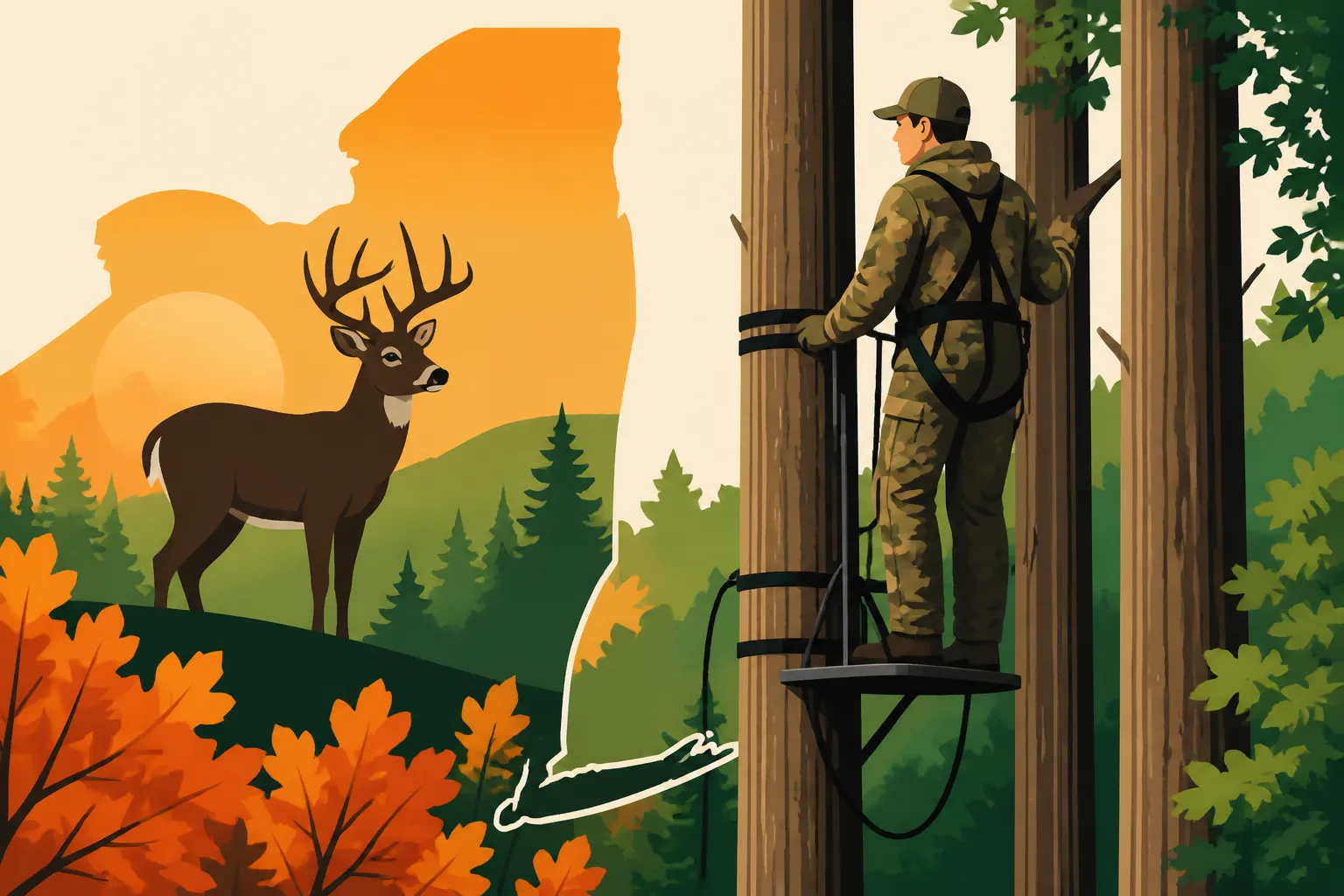
The beauty of a climber stand lies in its simplicity and inherent mobility, but its effectiveness hinges entirely on the tree itself. When you find a relatively straight tree with minimal branches extending into your climbing path, it unlocks a world of possibilities. Imagine slipping into a big oak flat in the Catskills or a stand of mature pines on state land. A climber allows you to quietly ascend, often with less commotion than hanging sticks and a fixed stand, placing you precisely where you need to be.
These stands are designed to grip the trunk and leverage your body weight for a controlled ascent. This means less gear to carry into the woods – no bulky climbing sticks, no heavy platform to hoist up. You simply carry the two pieces of your climber, often strapped together, much like a backpack. The quiet ascent is a huge advantage, especially when trying to sneak into an area before Legal Shooting Hours or when you're hunting an active feed or travel corridor. Species like red oaks, white oaks, mature maples, and many pines found across New York offer up those ideal, branch-free, straight sections of trunk that climbers absolutely love.
Navigating the Varied New York Woods
Let's be real, New York's woods aren't always a stand hunter's dream. We've all encountered those frustrating spots with perfectly placed deer sign, but every tree is either too crooked, too small, or too branchy for any stand. This is where the specific strategy of using a climber stand for straight trunks becomes incredibly valuable. Instead of forcing a hang-on into a less-than-ideal tree or settling for a ground blind when you prefer elevation, you can focus your scouting efforts on finding those perfect climber trees.
Think about hunting the edges of large timber blocks in the Southern Tier, where old growth might have more straight-trunked options, or targeting specific pine groves in the Adirondacks. While a hang-on with climbing sticks offers ultimate versatility for crooked trees, a climber means faster setup and takedown, which can be critical for run-and-gun tactics or when you're covering a lot of ground in areas with varying tree cover. The ability to quickly relocate based on fresh sign or changing wind conditions, provided you have suitable straight trees, makes climber stands a powerful tool in your New York hunting arsenal. It's about efficiency and capitalizing on those specific ideal timber conditions.
Essential Considerations for Choosing a Climber Stand
Picking the right climber isn't just about grabbing the first one you see. There are crucial factors that directly impact your hunting experience, safety, and how effectively you can utilize the stand in New York's often rugged and demanding environment. Investing a little time in research and comparison can save you a lot of discomfort and even danger down the line.
Weight, Portability, and Packability
When you're hiking into a remote area of a state forest or pushing deep into public land like in the Adirondack Forest Preserve, every ounce matters. Climber stands vary significantly in weight, largely due to the materials used. Aluminum stands are generally lighter than steel versions, making them much more comfortable for longer treks. However, steel often comes with a lower price point and can sometimes offer a slightly more rigid feel.
Consider how the stand packs up. Does it nest together securely? Are there integrated straps for quiet carry, or will you need to add your own bungee cords to prevent clanking? A stand that rattles with every step is a surefire way to alert every deer within a quarter-mile. Some models offer backpack straps that are actually comfortable, a feature often overlooked until you're a mile into your hunt with a heavy, awkward load. Look for features like padded shoulder straps and a waist belt to distribute weight properly. The ability to carry your stand comfortably means you're more likely to go further, explore more ground, and ultimately increase your chances. For planning those longer treks and identifying potential stand locations, tools like the GoHunt mapping platform can be invaluable for pinpointing specific timber types and access points that might favor a climber.
Platform Size and Comfort for Long Sits
Let's face it, hunting often involves long hours perched quietly in a tree, especially during the colder months when you might be trying Cold-Weather Sitting Strategy in New York. A cramped platform or an uncomfortable seat can quickly turn an exciting hunt into a miserable ordeal. Consider how much room you need to stand, turn, and maneuver silently, especially if you plan on bowhunting. A larger platform offers more foot room, which can be crucial for shifting weight or turning for a shot.
Seat design is also critical. Some climbers feature a sling-style seat, while others have a padded bar that acts as a backrest. Think about how you prefer to sit and how long you can comfortably remain still. For all-day sits, a seat that allows you to occasionally stretch your legs or shift position without making noise is a blessing. Don't forget a footrest; it can significantly reduce fatigue in your legs and lower back. If you're bundling up in heavy layers for Base Layers for a New York November, remember that you'll take up more space on the platform, so account for that when assessing size.
Safety Features and Harness Integration
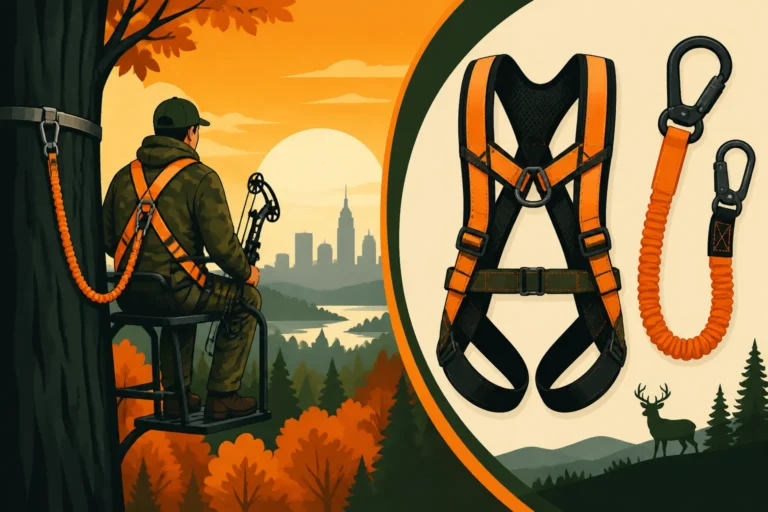
This is non-negotiable. Treestand safety is paramount, and a climber stand is no exception. Every time you leave the ground, you must be connected to the tree with a full-body harness. Most modern climber stands come with a basic harness, but it's often worth upgrading to a more comfortable, higher-quality harness that you'll actually wear consistently. The key is to be tethered from the moment your feet leave the ground until they touch back down.
Look for stands with sturdy, non-slip platforms and reliable climbing mechanisms. Check the cables or chains regularly for wear and tear. Many stands incorporate a safety strap or rope that connects the top and bottom sections of the stand, preventing the lower section from falling if you accidentally kick it loose during the climb. Always read and understand the manufacturer's instructions for your specific stand. Practice climbing with your safety harness in a safe, open area at a low height before you ever take it into the woods for a hunt. Remember, your life depends on these safety features, and understanding them is part of being a responsible hunter. This ties directly into understanding Treestand Safety Gear for Steep Ground in any setup.
Mastering the Climb: Technique and Best Practices
Using a climber stand effectively isn't just about owning one; it's about mastering the technique. There's a learning curve, and practicing beforehand will make your actual hunts safer, quieter, and more successful.
Choosing the Right Tree
Selecting the perfect tree for your climber is half the battle. You're looking for a specific set of characteristics:
- Straightness: This is obvious, but often underestimated. Even a slight curve or twist can make climbing difficult or dangerous. The straighter, the better.
- Diameter: Most climbers have a specified range of tree diameters they can accommodate. Too small, and the stand might not grip securely. Too large, and the cables or chains might not wrap around the trunk properly. Always check your stand's specifications.
- Absence of Lower Limbs: You need a clear path for the climbing arms to move up the trunk. Small nubs might be manageable, but anything substantial will impede your ascent and can even damage your stand.
- Bark Texture: Smooth bark, like on some mature maples or beech trees, can be slick, especially when wet or icy. Rougher bark, such as on oaks or shagbark hickory (though shagbark can be too shaggy!), often provides a better grip. Be aware of moss or lichen, which can also reduce grip.
- Healthy Tree: Never climb a dead or dying tree. Inspect the trunk for rot, insect damage, or cracks. Your safety depends on a strong, living tree. A good map, perhaps from GoHunt, can help you scout and identify areas known for optimal timber types, aiding in your selection even before you set foot in the woods.
The Setup and Ascent Process
Once you've identified your ideal tree, the setup begins.
- Clear the Base: Remove any small branches, rocks, or debris from around the base of the tree. You want a clear area to work.
- Attach the Bottom Section: Place the foot platform around the tree trunk at ground level, ensuring it's level and secure. Make sure the cables or chains are properly engaged and locked.
- Attach the Top Section: Position the climbing section (the seat) just above the foot platform, again ensuring it's level and secure. This is also when you should attach your full-body harness to the tree via a climbing rope or safety line, ensuring you are always connected.
- Connect the Sections: Use the manufacturer-provided straps or ropes to connect the top and bottom sections of the stand. This prevents the bottom section from falling if you accidentally dislodge it during the climb.
- The Climb: This is where the "climber" name comes from. You'll typically sit on the top section, push the bottom section up with your feet, then stand on the bottom section and pull the top section up. It's a rhythmic, push-and-pull motion. Keep your weight centered and move smoothly and quietly. Practice this motion several times at low heights to build confidence and technique. Avoid sudden jerks or movements that could cause the stand to slip or make unnecessary noise. Aim for quiet, controlled movements, especially when you are nearing your desired height.
Situational Awareness and Safety Above Ground
Reaching your desired height is only part of the equation. Maintaining safety and situational awareness once you're in position is just as critical.
- Remain Connected: Your full-body harness must remain connected to the tree at all times. Use a tree strap that allows for slight movement but prevents a freefall.
- Check Connections: Periodically check that all straps, cables, and bolts on your stand are secure. Wind, temperature changes, and even your own movements can sometimes affect these connections.
- Wind and Sway: Understand how wind affects trees, especially taller ones. A slight sway is normal, but strong winds can make a tree stand feel unstable. If conditions become too windy, it might be safer to descend. Consider the prevailing Wind and Thermals on a Catskill Ridge if you're hunting steep terrain.
- Gear Management: Keep all your gear organized and easily accessible. Use gear hangers or hooks to keep your bow, backpack, and other items within reach without having to lean out or make excessive movements. Dropping gear from a stand can be not only noisy but also a safety hazard.
- Silent Adjustments: If you need to adjust your position, do so slowly and quietly. Small, controlled movements are less likely to spook deer than sudden shifts.
- Descent: The descent is essentially the reverse of the climb. Take your time, maintain your balance, and keep your safety harness attached until you are safely on the ground. Never rush, especially if you're tired or it's getting dark.
Maintenance and Long-Term Care for Your Climber
A quality climber stand is an investment, and like any important piece of hunting gear, it requires proper care and maintenance to ensure its longevity and, most importantly, your safety. Neglecting maintenance can lead to unexpected failures in the field, which nobody wants.
Pre-Season Checks and Post-Season Storage
Your stand should undergo a thorough inspection twice a year: before the season starts and again when you're putting it away for the off-season.
- Cables/Chains: Carefully inspect all cables or chains for fraying, kinks, rust, or any signs of wear. If you see any damage, contact the manufacturer for replacement parts immediately. Do not hunt with compromised cables.
- Straps/Webbing: Check all nylon straps and webbing, including the seat straps, backpack straps, and the tether for your harness. Look for cuts, abrasion, fading (which indicates UV damage), or loose stitching. Replace any damaged straps.
- Bolts/Pins: Ensure all bolts are tight and all pins are present and securely fastened. Loose connections can lead to wobbling or, worse, failure. Apply a small amount of lubricant to moving parts if recommended by the manufacturer.
- Platform/Seat: Inspect the platform and seat for cracks, bends, or other structural damage. Ensure any non-slip coatings are still intact.
- Cleaning: After the season, clean your stand thoroughly to remove dirt, mud, blood, and any debris. A mild soap and water solution followed by a good rinse is usually sufficient.
- Storage: Store your stand in a dry, cool place, away from direct sunlight and extreme temperatures. Excessive heat or cold can degrade materials over time. Hanging it up can help prevent warping or damage to the platform. For organizing your gear and keeping track of maintenance schedules, a digital tool, much like how some hunters use GoHunt for scouting, could be a great way to log your stand's service history.
Field Repairs and Emergency Preparedness
While thorough pre-season checks minimize in-field issues, unexpected things can happen. Being prepared for minor field repairs can save a hunt.
- Spare Parts: Consider carrying a small kit with essential spare parts, such as extra pins, a few zip ties, and perhaps a small multi-tool. These simple items can often fix a minor issue.
- Duct Tape: The hunter's universal fix-all! A roll of duct tape can temporarily secure a loose strap or silence a rattling component.
- Emergency Rope: A short length of rope can be invaluable for hoisting gear, securing a section of your stand, or as a makeshift lifeline in an emergency.
- Know Your Stand: Be intimately familiar with how your stand disassembles and reassembles. The better you know its components, the faster you can diagnose and address any issues.
- Don't Risk It: If a component is severely damaged or you have any doubts about your stand's safety, err on the side of caution. Descend and find an alternative hunting spot, or better yet, return to camp to address the issue properly. Your safety is always worth more than a single hunt.
Maximizing the Lifespan of Your Investment
A well-maintained climber stand can last for many years, providing countless hours of enjoyable hunting. Here are a few final tips for maximizing its lifespan:
- Invest in Quality: Sometimes, paying a bit more upfront for a reputable brand and solid construction can lead to greater longevity and fewer headaches down the road.
- Proper Use: Always use your stand according to the manufacturer's guidelines. Overloading it, forcing it onto an unsuitable tree, or abusing it during transport will significantly reduce its life.
- Transport Carefully: When packing your stand in and out, ensure it's secured to your pack or in your vehicle to prevent unnecessary bumps, scrapes, or bending of components. Using Packs for a Day on Public Land that are designed to carry treestands can make a huge difference.
- Regular Inspections: Beyond the major pre- and post-season checks, give your stand a quick once-over before each hunt, especially the climbing cables and attachment points. It only takes a minute and can prevent serious problems.
- Replacement Parts: Don't hesitate to replace worn parts. Cables, straps, and pins are often available directly from manufacturers and are much cheaper than buying a whole new stand.
By following these guidelines, your climber stand on those perfect straight trunks will serve you well for many seasons to come, providing you with the silent, mobile advantage you need to succeed in the diverse hunting grounds of New York.
Disclaimer
This article is for general informational purposes only and does not constitute professional advice. Laws, prices and regulations vary by location and change over time. Consult a qualified professional for guidance on your specific situation.