Hunting the Lake Champlain Marshes
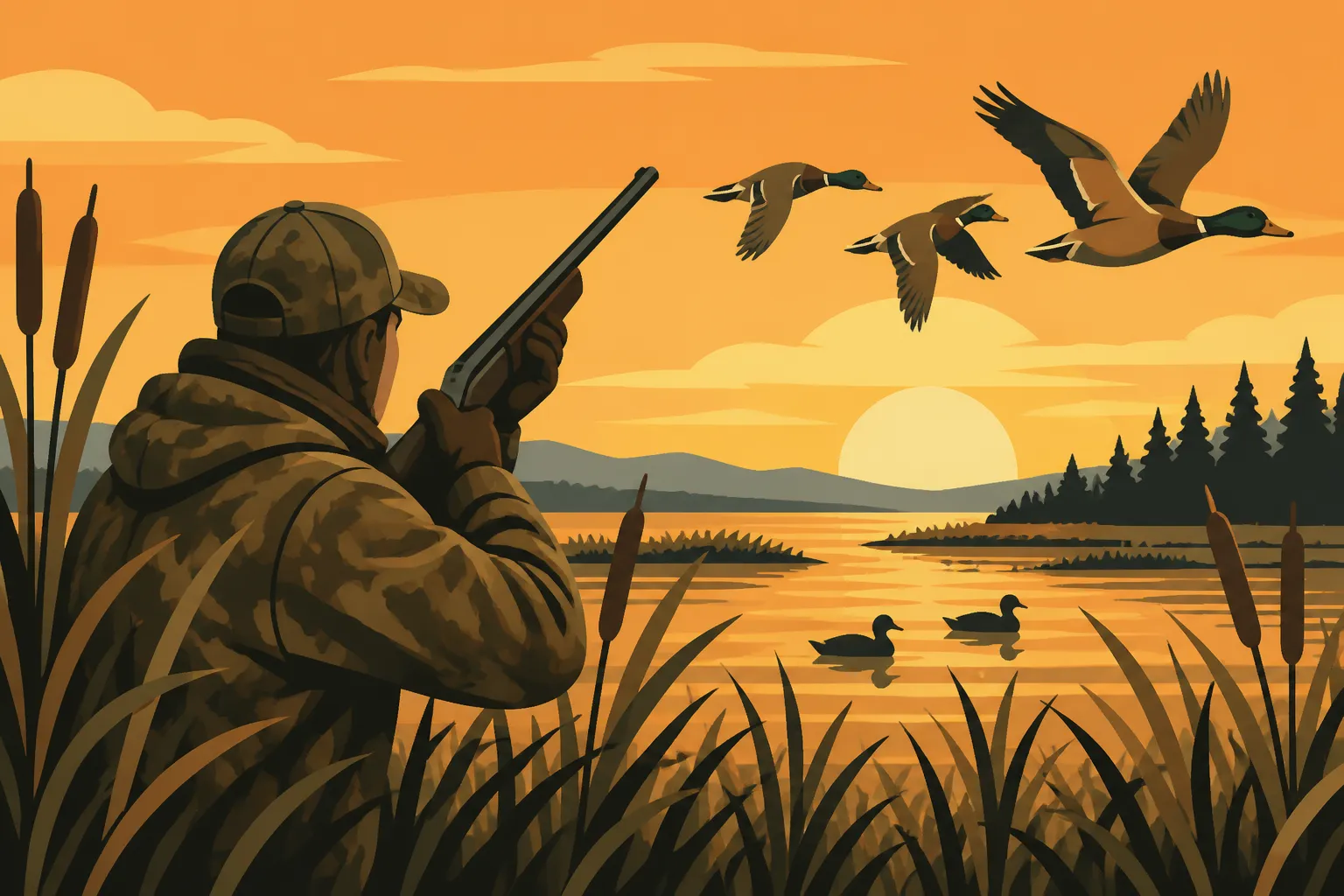
Hunting the expansive, often unpredictable marshes of Lake Champlain for waterfowl can feel like trying to solve a puzzle with half the pieces missing. From the sheer scale of the water to the ever-shifting nature of bird movements and border regulations, it’s a challenge that frustrates even seasoned hunters. This guide aims to break down the complexities, offering real-world advice and tactics to help you navigate these unique hunting grounds and finally bring home some birds.
The Unique Appeal of Lake Champlain's Marshes for Waterfowl Hunters
Lake Champlain isn't just a big body of water; it's a massive, vibrant ecosystem that acts as a superhighway for migratory waterfowl on the Atlantic Flyway. For hunters used to smaller ponds or river stretches, the sheer scale can be daunting, but it also presents opportunities you won't find anywhere else in New York. The frustrations often start with simply understanding where to go and how to approach such a vast and varied landscape.
A Waterfowler's Paradise on the Atlantic Flyway
Think of Lake Champlain as a grand central station for ducks and geese. Its sprawling marshes, fertile bays, and open waters offer a smorgasbord of feeding and resting opportunities that draw in a staggering array of waterfowl. Unlike smaller, more predictable local haunts, Champlain provides consistent action throughout the season because it holds birds, recharges with new migrants, and offers such diverse habitat. You might be frustrated by a lack of birds on smaller, over-hunted waters, but Champlain’s immense size means there’s always somewhere new to explore, always fresh birds arriving, and often, less concentrated pressure if you're willing to work for it. It's truly a critical stopover point for everything from puddle ducks to the toughest divers, making it a dream destination for many dedicated waterfowlers.
The lake’s position means you’re seeing birds that have traveled from far north, often seasoned and wary, but plentiful. It’s a dynamic environment where one day might bring a flood of green-winged teal, and the next, rafts of scaup or goldeneye. This constant influx keeps the hunting exciting and unpredictable, far from the monotonous single-species hunts some smaller areas can offer. If you've ever felt like your local spots were just too quiet, or the same few mallards were getting smart to every trick, Champlain offers a refreshing change of pace and a chance at a truly diverse bag.
Navigating the Dynamics of a Border Water Body
Here's where things get really interesting, and often, really frustrating for hunters. Lake Champlain straddles two states: New York and Vermont. This isn't just an arbitrary line on a map; it means you're dealing with two sets of regulations, two licensing systems, and sometimes, even different season dates. Imagine setting up a perfect spread, seeing birds work, only to realize you've drifted a few yards into a different state with a closed season or different bag limits. It’s enough to make you pull your hair out!
Understanding Why Vermont Sets the Champlain Duck Calendar is crucial because their decisions often dictate the opening and closing dates for sections of the lake that both states share. You absolutely need a valid hunting license and appropriate stamps (like the federal duck stamp and HIP certification) for both New York and Vermont if you plan to hunt the border waters without strict adherence to one side. This dual-state dynamic requires meticulous planning, precise navigation, and constant vigilance to ensure you're always legal. It adds a layer of complexity that some find daunting, but for those who master it, it opens up even more hunting opportunities across a wider area.
Understanding the Marsh Ecosystem
The marshes themselves are the heart of waterfowl hunting on Champlain. These aren't just open stretches of water; they are intricate tapestries of cattails, bulrushes, wild rice, and submerged aquatic vegetation, all interspersed with pockets of open water, mud flats, and winding channels. This diverse plant life provides both abundant food and crucial cover for ducks and geese. Identifying these key features is paramount to success.
During early season, ducks like wood ducks and mallards will feast on wild rice and smartweed seeds found in the shallower, vegetated areas. As the season progresses and colder weather sets in, birds will shift to deeper water, seeking out submerged vegetation or staging on open bays. The mud flats, especially when exposed at lower water levels, become prime feeding grounds for dabblers. Learning to "read" these marshes – identifying areas of dense cover, hidden pockets of open water, and fertile feeding zones – is an art form. It takes time, patience, and often a good mapping app to understand how specific plant communities relate to water depth and bird behavior, making your scouting efforts much more productive.
Prime Waterfowl Species and Other Opportunities
One of the greatest joys of hunting Lake Champlain's marshes is the sheer variety of birds you might encounter. It's not uncommon to come home with a mixed bag of several different duck species, and sometimes a goose or two. This diversity keeps every hunt exciting and unpredictable.
The Diverse Duck and Goose Populations
When you set up in a Champlain marsh, you're not just hoping for mallards. You could see anything from speedy green-winged teal and graceful wood ducks in the early season, to bold black ducks and a host of diving ducks later on. Mallards are, of course, a staple, providing consistent action throughout the season. But keep an eye out for ring-necked ducks, goldeneyes, and scaup, especially as the temperatures drop and they move into larger, deeper water sections of the marsh or adjacent bays. The vibrant colors of a drake wood duck or the sleek profile of a canvasback are prizes every waterfowler cherishes.
Canada geese are also frequent visitors, often using the marsh edges and adjacent agricultural fields for feeding before returning to the lake's open water for security. Having a few goose decoys in your spread and practicing your goose calling can pay off handsomely, turning a duck hunt into a mixed bag extravaganza. This incredible diversity is why many hunters are willing to tackle the challenges of Champlain, offering a truly unique experience with every outing. Knowing the New York Waterfowl Zones and Seasons is critical for understanding when these different species might be most prevalent.
Scouting for Target Species and Concentrations
You can't just show up to Lake Champlain and expect birds to be waiting. This is a vast area, and successful hunting here hinges on diligent scouting. Before the season even opens, take the time to drive the accessible roads along the lake, using binoculars or a spotting scope to identify potential hotspots. Look for concentrations of birds, paying attention to what they're feeding on and where they're resting. Early mornings and late evenings are prime times for observation, as birds move between roosting and feeding areas.
Modern mapping tools are your best friend here. Services like GoHunt provide invaluable satellite imagery, showing you changes in vegetation, hidden channels, and potential open water pockets that aren't visible from the road. You can mark potential access points, identify dense cover for blinds, and pinpoint areas that look like ideal feeding grounds. Don't underestimate the power of knowing exactly where you're going and what the habitat looks like before you even step foot in the marsh. Scouting reduces frustration significantly by helping you find Reading a Champlain Marsh for a Morning Flight and avoid wasting time in unproductive areas.
Beyond Waterfowl: Upland and Small Game Potential
While waterfowl dominates the discussion, the Lake Champlain region offers more than just ducks and geese for the observant hunter. The edges of these vast marshlands often transition into diverse uplands, woodlots, and old fields that can hold surprising opportunities for small game and even upland birds. Think about areas where the cattails give way to stands of alder, brushy hedgerows, or patches of regenerating timber.
These transitional zones are perfect habitat for cottontail rabbits and various squirrel species. A quick walk with a .22 rifle or a small-gauge shotgun along a brushy edge can yield a delicious meal and add another dimension to your hunting trip. While not typically a primary target, it’s a great way to fill some time when the duck flight is slow or to simply enjoy a different kind of hunt. Just remember to check the specific small game seasons and bag limits for the area you're hunting, as they differ from waterfowl regulations.
Proven Tactics for Marsh Success
Hunting the Lake Champlain marshes isn't just about showing up with a shotgun; it's about understanding the subtle nuances of waterfowl behavior and adapting your strategies to the unique environment. Success here often comes down to careful planning and a willingness to learn from every outing.
Decoy Spreads and Calling Strategies
Decoy placement is an art, not a science, but there are some proven principles for marsh hunting. For puddle ducks in shallower water, a "J" hook or "U" shape spread, with the open end facing into the wind where you expect birds to land, works well. Mix in a few feeders to give the impression of contented birds. For diver ducks in more open water or deeper channels, larger, more loosely grouped spreads are often effective, sometimes with a "landing strip" created by two converging lines of decoys. Using a variety of decoy types, including mallards, black ducks, and even a few teal, can make your spread more attractive. Don't forget motion decoys; a spinner or a jerk string can be deadly on a calm day. For deeper dives into strategy, check out Decoy Spreads for New York Divers.
Calling is equally important, but subtle. In the vastness of Champlain, less is often more. Start with soft greeting calls or contented feeding chuckles. Reserve loud hail calls for birds flying at a distance, and quickly switch to softer, more reassuring quacks as they get closer. For geese, a combination of clucks, moans, and double clucks can bring them in. The key is to listen to the birds and respond appropriately; sometimes, silence is the best call. Many hunters find that a simple mallard call and a goose call are sufficient, but having a teal whistle or a pintail call can sometimes coax in those wary specific species.
Setting Up Blinds and Concealment in the Reeds
Concealment is non-negotiable in the open environment of a marsh. Birds have an incredible ability to spot anything out of place. Your options range from completely natural setups to highly specialized blinds. If you're hunting from a boat, a well-camouflaged boat blind, brushed in with local vegetation like cattails or phragmites, is essential. Make sure your boat and blind material blend seamlessly with the surrounding environment.
For hunting from shore or a small island within the marsh, a portable panel blind or a layout blind can work wonders. The trick is to "brush it in" completely. Don't just set it up; cut fresh cattails, reeds, or whatever local vegetation is abundant, and weave it into your blind. The goal is to make your setup look like just another natural clump of cover. Pay particular attention to overhead concealment, as incoming birds will often look down on your position. An old hand once told me, "If you think you have enough brush, add more." This applies perfectly here. When in doubt, more natural cover is always better for Brushing In a Blind on a Field Edge, even if that field edge is actually a marsh edge.
Understanding Wind, Weather, and Water Levels
The elements dictate everything in marsh hunting. Wind direction is paramount, as ducks and geese almost always land and take off into the wind. This means you need to position your blind and decoys so that incoming birds will finish directly in front of you, heading into the wind. If the wind shifts during your hunt, you may need to quickly adjust your spread or even relocate your blind.
Weather fronts, especially cold snaps, can trigger major migrations, bringing in fresh birds. Keep a close eye on the forecast, especially for severe weather or strong winds, as these can make hunting both incredibly productive and incredibly dangerous. Water levels are another critical factor. Heavy rains can raise water levels, opening up new areas for birds and making previously inaccessible spots reachable by boat. Conversely, dry spells can lower water, concentrating birds in deeper channels or exposing mud flats for feeding. Regularly checking water levels, whether through local reports or by scouting, is vital for adapting your tactics.
Accessing and Navigating the Vast Marshlands
The sheer size of Lake Champlain means access can be a puzzle in itself. Knowing where to launch, what kind of watercraft you'll need, and how to stay within the bounds of the law for two different states is crucial. It’s a place where even experienced hunters can get turned around.
Public Access Points and Boat Launches
Thankfully, Lake Champlain offers numerous public access points and boat launches along both the New York and Vermont sides. On the New York side, popular options include the launches at Port Henry, Dresden Station, Willsboro Bay, and various points around Plattsburgh Bay. These ramps provide access to different sections of the lake and its associated marsh systems. While these are great starting points, be prepared for company, especially on opening day or prime weekends.
To find more detailed information on launches and public lands, the Using the New York HuntFishNY Map Tool or a reliable mapping app like GoHunt is invaluable. GoHunt allows you to overlay public and private land boundaries, pinpoint launch sites, and even scout out remote marsh sections that might see less pressure. Learning to use these resources effectively before you even leave home will save you countless hours of frustration and dramatically increase your chances of finding a quiet, productive spot away from the crowds.
Essential Watercraft and Navigation Tools
Hunting Lake Champlain's marshes almost always requires a boat. The type of boat depends on the specific marsh you're targeting and the conditions. A shallow-draft jon boat is a common choice, allowing you to motor through skinny water and thick vegetation. Smaller options like canoes or kayaks are great for stealth and reaching truly remote spots, but they require more physical effort. For those venturing into larger, more open bays, a larger, more stable boat might be necessary. Whatever you choose, ensure it's reliable and properly maintained.
Navigation on such a large, often featureless marsh can be incredibly challenging, especially in fog or low light. A reliable GPS unit, either standalone or a robust app on your phone (like GoHunt's GPS features), is an absolute must. Pre-load your waypoints for launch points, potential blind locations, and known hazards. A paper map and compass should always be carried as a backup. Don't forget essential marsh tools like a push pole for maneuvering through thick weeds where an outboard might get tangled or stuck. These items are critical, as getting lost or stuck in a vast marsh far from shore is a serious safety concern. For more detailed boat info, check out Marsh Boats and Push Poles.
Understanding New York and Vermont Regulations
This is where many hunters get tripped up. As mentioned earlier, Lake Champlain is shared by New York and Vermont, and the regulations can differ significantly. For example, while the season dates for some species might be harmonized, bag limits, shooting hours, or even specific restrictions on certain marsh areas can vary. You must possess a valid hunting license and state duck stamps (and the federal duck stamp) for the state you are actively hunting in. If you plan to float or cross between jurisdictions, it's safest to have licenses for both.
Always consult the most current regulations for both the New York State Department of Environmental Conservation (DEC) and the Vermont Fish & Wildlife Department. Pay close attention to the specific boundary descriptions for shared waters. Ignorance of the law is not an excuse, and a violation on one side could lead to penalties that impact your ability to hunt on the other. This dual regulatory system is a prime example of the frustrations hunters face, but diligent research and careful boundary awareness are your best defenses against accidental violations.
Essential Gear and Preparation for Marsh Hunting
Successful marsh hunting isn't just about tactics; it's about being properly equipped for the challenging environment. The conditions on Lake Champlain can be brutal, ranging from mild early-season mornings to freezing, wind-whipped late-season days. Having the right gear isn't just about comfort; it's about safety and endurance.
Waders, Layering, and Cold-Weather Protection
Your waders are perhaps the most critical piece of clothing for marsh hunting. Chest waders made of durable, breathable material are preferred. Look for reinforced knees and seats, as you'll be kneeling, sitting, and pushing through thick cover. While neoprene offers warmth, breathable waders allow for better layering underneath, which is key to adapting to changing temperatures. Remember, staying dry is paramount; a leak can quickly turn a hunt miserable and dangerous. For specifics, Waders for New York Marsh Hunting can offer more insights.
Layering underneath your waders and outer shell is essential. Start with a moisture-wicking base layer against your skin. Add insulating layers like fleece or wool for warmth, adjusting based on the forecast. Your outer shell should be waterproof and windproof. A good quality, insulated hunting jacket is crucial for staying warm during long sits in the blind. Don't forget headwear – a warm hat is critical for retaining body heat, and a face mask or neck gaiter can protect against biting winds. Quality waterproof gloves or mittens with finger dexterity are also a must.
Shotguns, Ammunition, and Dog Gear
A reliable 12-gauge shotgun is the workhorse of waterfowl hunting. Many hunters prefer a semi-automatic for quick follow-up shots, but pump-action shotguns are equally effective and often more durable in harsh conditions. Make sure your shotgun is cleaned and oiled regularly, as saltwater or muddy conditions can quickly cause malfunctions. Non-toxic shot is legally required for all waterfowl hunting, so stock up on steel, bismuth, or tungsten loads. Shot size depends on the species you're targeting: BB or 2s for geese and larger ducks, 3s or 4s for mallards and teal. Pattern your shotgun with your chosen loads before the season to understand its effective range.
If you hunt with a dog, ensure they are also properly equipped. A dog vest provides warmth and protection from cold water, sharp ice, and abrasive vegetation. Ensure it fits well and doesn't restrict movement. A well-trained retrieving dog is an invaluable asset in the marsh, helping to recover birds quickly and efficiently, especially in dense cover or open water where wading might be impossible. This also contributes to ethical hunting by minimizing unrecovered game. For a broader overview of gear, consider reading Waterfowl Gear for New York Marsh and Lake.
Safety First: Navigation, First Aid, and Emergency Prep
Marsh hunting, especially on a large body like Lake Champlain, carries inherent risks. Safety should always be your top priority. Always wear a U.S. Coast Guard-approved personal flotation device (PFD) when in a boat. Carry a fully charged cell phone in a waterproof case, but also have a backup communication device like a satellite messenger or two-way radio, especially in areas with poor cell service.
A comprehensive first-aid kit, tailored for wilderness use, is essential. Include items for cuts, sprains, hypothermia, and allergic reactions. Pack a dry bag with extra warm clothes, high-energy food, water, a fire starter, and a headlamp with spare batteries. Always inform someone of your hunting plans, including your location and expected return time. Be aware of changing weather conditions and know when to call it a day. Getting caught in a sudden storm or developing thick fog can turn a fun outing into a life-threatening situation very quickly. Never take unnecessary risks, especially when dealing with cold water and remote locations.
Seasonal Considerations and Adapting to Conditions
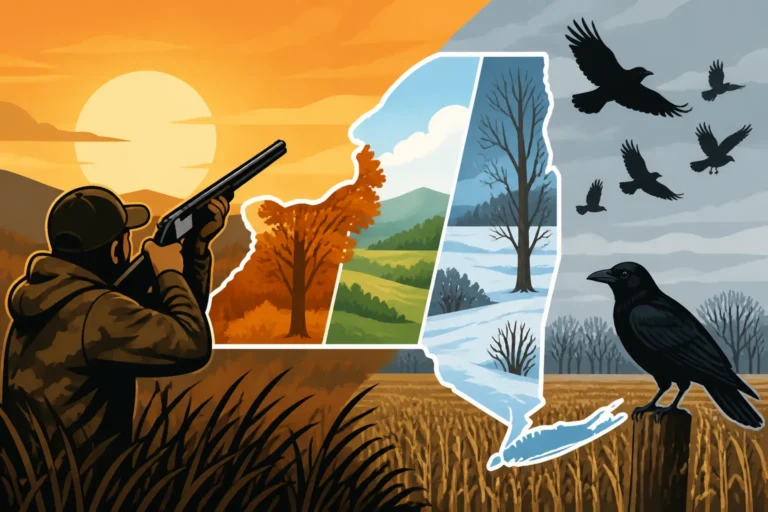
The Lake Champlain marshes are a dynamic environment that changes dramatically throughout the hunting season. What works in early October might be completely ineffective by late November. Adapting your strategy to these seasonal shifts is the mark of a truly successful marsh hunter.
Early Season Opportunities and Challenges
The early season on Lake Champlain (typically late September through October) is often characterized by warmer weather, lush vegetation, and a focus on resident birds and early migrants like teal and wood ducks. The challenges include dealing with thick, standing cover that hasn't died back yet, which can make boat navigation difficult and hide birds effectively. Bugs can also be a significant nuisance.
Tactics during this period often involve targeting smaller, isolated pockets of open water within dense cattails where birds feel secure. Jump-shooting is also a viable option on smaller sloughs or creek mouths, especially for species like wood ducks. Focus on areas with abundant natural food sources like wild rice, smartweed, or submerged aquatic plants. Scouting for these specific food sources is key, as birds will be actively feeding before the main cold fronts push south. Don't overlook the challenge of high water levels that can spread birds out, making them harder to concentrate.
Mid-Season Strategies for Migratory Birds
November is often the peak of the migratory season on Lake Champlain, bringing in a surge of new birds, including large numbers of mallards, black ducks, and divers. The weather generally gets colder, vegetation starts to die back, and birds begin to raft up in larger groups. This is often the most exciting but also the most competitive time to hunt.
During mid-season, you'll need to adapt to increased hunting pressure. This often means getting to your spot extra early, hunting farther from popular access points, or targeting areas that require more effort to reach. Birds will be warier, so decoy spreads might need to be larger and more realistic. Focus on major flight paths between roosting and feeding areas. Look for larger concentrations of open water as shallow areas start to freeze. This is also when targeting New York Resident Population Goose Zone Rules becomes more practical, as larger flocks of geese begin to move through. Remember, persistence pays off, especially when facing pressured birds.
Late Season Grinds and Ice Challenges
The late season, typically December and into January (if the season runs that long and conditions allow), is a true test of a hunter's dedication. Temperatures plummet, ice begins to form, and open water becomes scarce. Only the hardiest ducks and geese remain, and they are incredibly wary. This is when you'll often encounter divers like goldeneyes and buffleheads, along with large concentrations of Canada geese, often found in the remaining open water pockets or river mouths that stay ice-free due to current.
Safety becomes paramount during the late season due to the dangers of thin ice and extreme cold. Only hunt open water you can safely access. Ice can form rapidly, trapping boats or making wading treacherous. Your gear must be top-notch for insulation and weather protection. Strategies involve finding those precious pockets of open water, often near current or springs, and using large, realistic decoy spreads. Long, cold sits are the norm, so mental fortitude is as important as physical endurance. While this period can be a "grind," the rewards of a late-season trophy duck or goose, earned against harsh conditions, are truly unforgettable. For insights on dealing with extreme cold, even if for deer, the principles in Cold-Weather Sitting Strategy in New York are surprisingly applicable.
Disclaimer
Always consult the official New York State Department of Environmental Conservation (DEC) hunting regulations and the Vermont Fish & Wildlife Department regulations for the most current and specific information regarding seasons, bag limits, licensing requirements, and any special restrictions on Lake Champlain. Hunting regulations can change, and it is the hunter's responsibility to stay informed and comply with all applicable laws.