Hunting New York’s Muzzleloader-Only Weeks
Hunting New York's muzzleloader-only weeks can feel like a completely different ballgame compared to the frenzy of the regular firearm season. The woods are often quieter, the air is colder, and deer behavior has shifted dramatically. Many hunters find themselves frustrated, wondering how to adapt their tactics to these unique conditions and the specific rules that apply only to muzzleloaders, which is exactly what this comprehensive guide aims to help you master.
Understanding New York's Muzzleloader Seasons
The allure of New York's muzzleloader-only seasons lies in their timing and the challenge they present. These aren't just an extension of the firearm season; they're a dedicated period with specific rules and opportunities that demand a tailored approach. For many, it's a chance to extend their hunting experience into the crisp, often snow-covered late season.
Key Dates and Zones for Muzzleloader Hunting
New York State is divided into two primary deer hunting zones: the Northern Zone and the Southern Zone, each with its own distinct calendar for muzzleloader hunting. It’s crucial to understand these distinctions because they dictate when and where you can pursue deer with your smoke pole.
In the Southern Zone, the muzzleloader season typically follows the regular New York's Southern Zone Firearm Season, usually running for about seven to nine days in mid-December. This period often coincides with the onset of truly cold weather and, quite frequently, the first significant snowfalls of the year. This later timing means deer have been pressured for weeks, and their patterns are much more refined, focusing heavily on survival. The hunting pressure from rifle hunters has generally subsided, leaving a quieter woods, but deer are also warier.
The Northern Zone, on the other hand, usually has its muzzleloader season earlier, often bridging the gap between the archery season and the regular firearm season, typically in mid-October. This earlier timing means hunters might encounter conditions closer to fall foliage than winter snow, and deer are still actively feeding to build up fat reserves before the harsh Adirondack winter truly sets in. After the regular firearm season concludes, the Northern Zone may also have a short muzzleloader period, though the primary focus for muzzleloader hunters often remains the earlier window. You'll want to consult the DEC's official regulations for the precise dates each year, as they can shift slightly. Understanding the overall New York Deer Seasons by Zone is the first step to planning your hunt.
Legal Muzzleloader Requirements and Ammunition
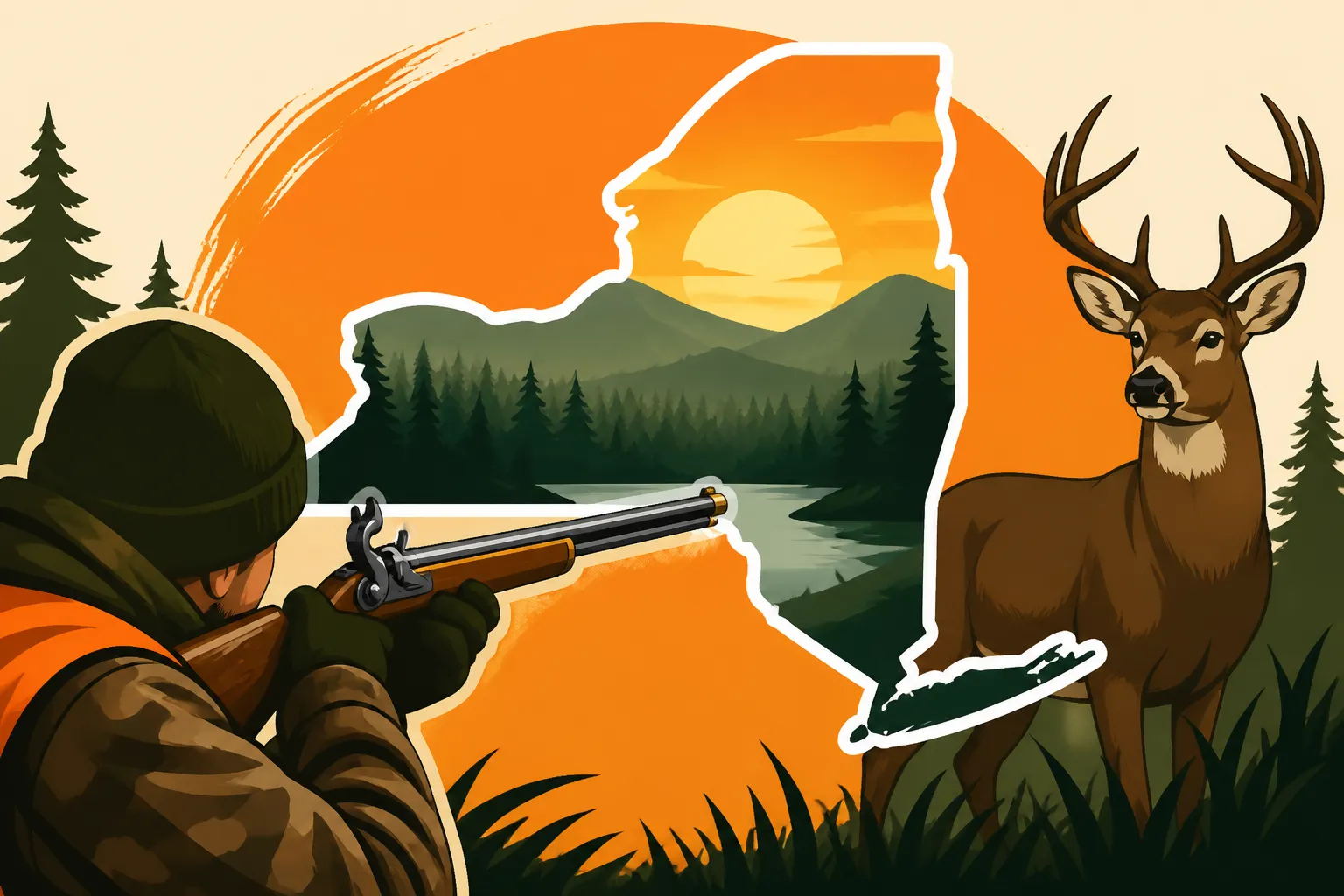
New York State has specific regulations regarding what constitutes a legal muzzleloader for hunting deer and bear. It's not just about using a "black powder gun"; there are clear technical specifications you must adhere to. Generally, legal muzzleloaders must be at least .44 caliber for single-projectile firearms. You can use either a flintlock, percussion cap, or inline ignition system. Many hunters opt for modern inline muzzleloaders due to their accuracy and ease of cleaning, while others prefer the traditional challenge and aesthetic of a flintlock.
The law permits the use of scopes on muzzleloaders during these special seasons, which is a significant advantage, especially in low-light conditions or for those longer shots in open country. However, electronic ignition systems are typically not permitted. When it comes to ammunition, you're restricted to single projectiles, meaning you can't use buckshot. Both saboted bullets and traditional patched round balls are allowed, provided they meet the minimum caliber requirement. Propellants are restricted to black powder or approved black powder substitutes like Pyrodex or Triple Seven. Smokeless powder, which burns hotter and can damage firearms not designed for it, is strictly prohibited in muzzleloaders used for hunting. Before heading out, make sure your specific setup complies with all current Muzzleloaders Under New York Rules, and remember that purchasing a New York Muzzleloader Privilege Cost is typically required in addition to your big game license.
Here’s a quick overview of legal muzzleloader components in New York:
| Component | Legal Requirements in New York Muzzleloader Seasons | Notes |
|---|---|---|
| Caliber | .44 caliber or larger | For single-projectile hunting |
| Ignition System | Flintlock, percussion cap, or inline | Electronic ignition typically prohibited |
| Optics | Scopes are permitted | No magnification limits specified, but check local rules |
| Projectiles | Single projectile (sabot, round ball, conical) | Buckshot is not allowed |
| Propellant | Black powder or approved substitutes (e.g., Pyrodex) | Smokeless powder is strictly forbidden |
| Loading | Muzzleloading only | Must be loaded from the muzzle |
Always double-check the current year's DEC regulations, as rules can sometimes change. Knowing these specifics will save you a headache and ensure you’re hunting legally and ethically.
Tactics for Late-Season Muzzleloader Success
The late muzzleloader season, especially in the Southern Zone, often coincides with colder temperatures and the real beginning of winter. This dramatic shift in weather dictates a complete change in deer behavior and, consequently, your hunting tactics. Gone are the days of the rut-crazed bucks; now, it's all about survival.
Finding Deer in Winter Food Sources
As temperatures plummet and snow blankets the landscape, deer become incredibly focused on food. Their primary drive shifts from breeding to simply finding enough calories to survive. This means your best bet for locating deer during the muzzleloader-only weeks is to concentrate on available food sources. Think about what's left after weeks of hunting pressure and what provides the most energy.
Agricultural fields that still have residual corn, soybeans, or even winter wheat can be absolute magnets for deer. These high-energy food sources are critical for building up fat reserves. Spend time glassing these fields from a distance during the golden hours of dawn and dusk. But don't just look at the fields; pay close attention to the edges, pinch points, and cover leading to and from them. Deer will often stage in thickets or small woodlots bordering these fields, waiting for last light to emerge. Even if the fields are picked clean, they’ll often paw through the snow to find dropped kernels or beans.
Beyond agriculture, natural food sources become vital. Acorns, especially white oaks, can still be a draw if there’s snow cover protecting them from early season scavengers. However, browse becomes increasingly important. Look for areas with young saplings, briar patches, or clear-cuts where tender shoots and woody browse are accessible. Hemlock thickets or other dense evergreens often provide thermal cover and a limited food source. Focusing on Late-Season Food Sources for New York Whitetails is paramount. Deer will often travel further to access these prime feeding areas, creating distinct travel corridors that you can identify with careful scouting.
Adapting to Cold Weather and Snow Conditions
Hunting during the muzzleloader-only weeks means embracing the cold. Being prepared for freezing temperatures and potential snowfall is non-negotiable for both comfort and safety. This isn't just about bundling up; it's about smart layering. Start with good moisture-wicking base layers, add insulating mid-layers like fleece or wool, and top it off with a windproof and waterproof outer shell. Insulated boots are crucial, as are heavy gloves, a warm hat, and even hand warmers. Your Cold-Weather Sitting Strategy in New York will be key to enduring long hours on stand.
Snow, while cold, can be a hunter's best friend. Fresh snow not only highlights deer tracks, revealing travel patterns, but also dampens sound, allowing for quieter movement. If there’s fresh snow on the ground, don't hesitate to try still-hunting or even tracking. Identifying a fresh track and slowly following it can lead you to a bedding area or feeding location. Pay attention to how deer move through the snow; they’ll often take the path of least resistance, following old trails, logging roads, or contours that offer easier travel. A good pair of gaiters can keep snow out of your boots and prevent your pants from getting soaked. Hunting in deep snow, particularly in areas like the Tug Hill Plateau, as covered in Hunting Deer in Deep Tug Hill Snow, requires even more specialized gear and tactics to move efficiently and stay warm.
Gear and Preparation for Muzzleloader-Only Weeks
Successfully navigating New York’s muzzleloader-only weeks isn't just about knowing where the deer are; it's equally about having the right gear and ensuring your equipment is meticulously prepared for the challenging conditions. The cold, wet, and sometimes snowy environment can wreak havoc on unprepared gear.
Essential Clothing and Cold-Weather Comfort
Layering is the golden rule for cold-weather hunting, especially when you might be sitting still for hours. Forget cotton; it holds moisture and loses its insulating properties when wet. Opt for wool or synthetic base layers that wick moisture away from your skin. On top of that, build with insulating layers. Good quality fleece or Merino wool sweaters are excellent choices. For an outer layer, a waterproof and windproof shell is critical. Think about a high-quality insulated jacket and pants specifically designed for hunting.
Don't underestimate the importance of your extremities. A warm hat that covers your ears is essential, as a significant amount of body heat is lost through your head. Insulated, waterproof gloves or mittens are a must, perhaps with a thinner shooting glove underneath for better dexterity with your muzzleloader. For your feet, invest in high-quality, insulated, waterproof boots with thick wool socks. Many experienced hunters bring an extra pair of socks to change into halfway through the day if their feet start to get damp. Chemical hand warmers and toe warmers can be a lifesaver, providing continuous warmth during long, static sits. A comfortable, insulated seat pad can also make a world of difference, preventing cold from seeping up from the ground.
Muzzleloader Maintenance and Field Essentials
Your muzzleloader is your primary tool, and it needs to be in tip-top shape for late-season hunting. The cold, moisture, and potential snow can cause misfires or damage if not properly prepared. Before heading out, ensure your bore is meticulously clean and lightly oiled to prevent rust. Consider using a synthetic breech plug grease or anti-seize compound on threaded components to prevent them from seizing in the cold.
Perhaps the most critical aspect of muzzleloader preparation for these weeks is keeping your powder dry. Humidity, rain, and snow are notorious for rendering black powder useless. Store your pre-measured powder charges in sealed, waterproof containers or vials. Carry extra primers in a waterproof dispenser. A small, sealed tin of Bore Butter or similar sealant applied around the percussion cap or flint pan can offer an extra layer of protection from moisture. For inline muzzleloaders, ensuring your breech plug is clear and well-maintained is paramount. If you're dealing with challenging conditions like those found in Lake-Effect snow regions, understanding Keeping a Muzzleloader Dry in Lake-Effect Snow becomes critical for preventing a misfire.
In your pack, always carry a small cleaning kit that includes a short cleaning rod, patches, and a bore swab, in case you need to clear a fouled barrel or if you have a misfire. Don't forget extra bullets, primers, and powder. A good quality hunting pack that keeps your gear dry and organized is a huge asset. Finally, always have a reliable navigation tool. While many hunters rely on their smartphones, a dedicated GPS unit or a mapping app like GoHunt, downloaded with offline maps, can be invaluable, especially in remote public land areas where cell service is unreliable. Being able to mark your stand, track your movement, and easily find your way back to your vehicle is crucial for safety.
Navigating Public and Private Land Challenges
Hunting during New York's muzzleloader-only weeks presents a unique set of challenges and opportunities when it comes to land access. Whether you're hitting state forests or seeking permission on private parcels, understanding the landscape and managing hunter presence is key.
Public Land Considerations for Late Season
New York boasts a significant amount of public hunting land, including vast State Forests, Wildlife Management Areas (WMAs), and portions of the Adirondack and Catskill Forest Preserves. During the late muzzleloader season, the crowds that often characterize opening weekend of the regular firearm season have typically thinned out considerably. This can mean a more solitary hunting experience, but it also means deer have been pressured for weeks and are acutely aware of human presence.
On public land, deer will often retreat to the thickest, nastiest cover they can find – dense swamps, laurel thickets, or steep ravines – especially those areas that offer both sanctuary and accessible food. Your best strategy is to put in the effort to find these overlooked pockets. Use aerial maps and topo maps (apps like GoHunt are excellent for this) to identify remote benches, forgotten logging roads, or points where different cover types meet. Deer will often use these transitions as travel corridors.
Another strategy is to focus on areas that are difficult to access. If it's a long walk, or requires crossing tricky terrain, fewer hunters will venture there. This often pays dividends in finding less pressured deer. Remember that while pressure might be lower overall, concentrations of deer around prime food sources can still attract attention. You can learn a lot about how deer use public land by really focusing on Scouting New York Public Land Before Season, identifying these key funnels and feeding areas before the snow flies. Be prepared for varied terrain, from the rolling hills of the Southern Tier to the rugged mountains of the Catskills.
Seeking Permission and Respecting Private Property
While public land offers open access, some of the best late-season hunting, especially for those highly sought-after food sources, can be found on private agricultural land. After the regular firearm season, many landowners might be more open to granting permission for muzzleloader hunting, particularly if deer have been causing crop damage or if they haven't met their antlerless quotas.
The key to gaining access to private land is always respect and courtesy. Start by approaching landowners well in advance of the season, if possible. Dress neatly, introduce yourself, and clearly state your intentions. Offer to share venison, help with chores around the farm, or simply offer to remove any deer you harvest. Many farmers appreciate hunters who are willing to help manage deer populations. Be prepared for rejection, but also be persistent and polite. Even if you don't get permission for this year, building a relationship might open doors in future seasons.
Once you have permission, uphold your end of the bargain. Always park where you're asked, close gates, avoid driving on wet fields, and respect all boundaries. Never leave trash behind. Leave the property better than you found it. Communication is key; let the landowner know when you'll be hunting and when you've harvested a deer. This positive interaction not only benefits you but helps foster a better relationship between hunters and landowners throughout the state. Remember, even if you have permission, certain regulations may still apply, such as the need to tag and report your harvest promptly.
Disclaimer
Please note: Hunting regulations and seasons can change annually. It is your responsibility to review the most current New York State Department of Environmental Conservation (DEC) hunting regulations before heading afield. This guide provides general information and recommendations but should not be considered a substitute for official legal guidance.