Setting Decoys on a Frozen Pothole
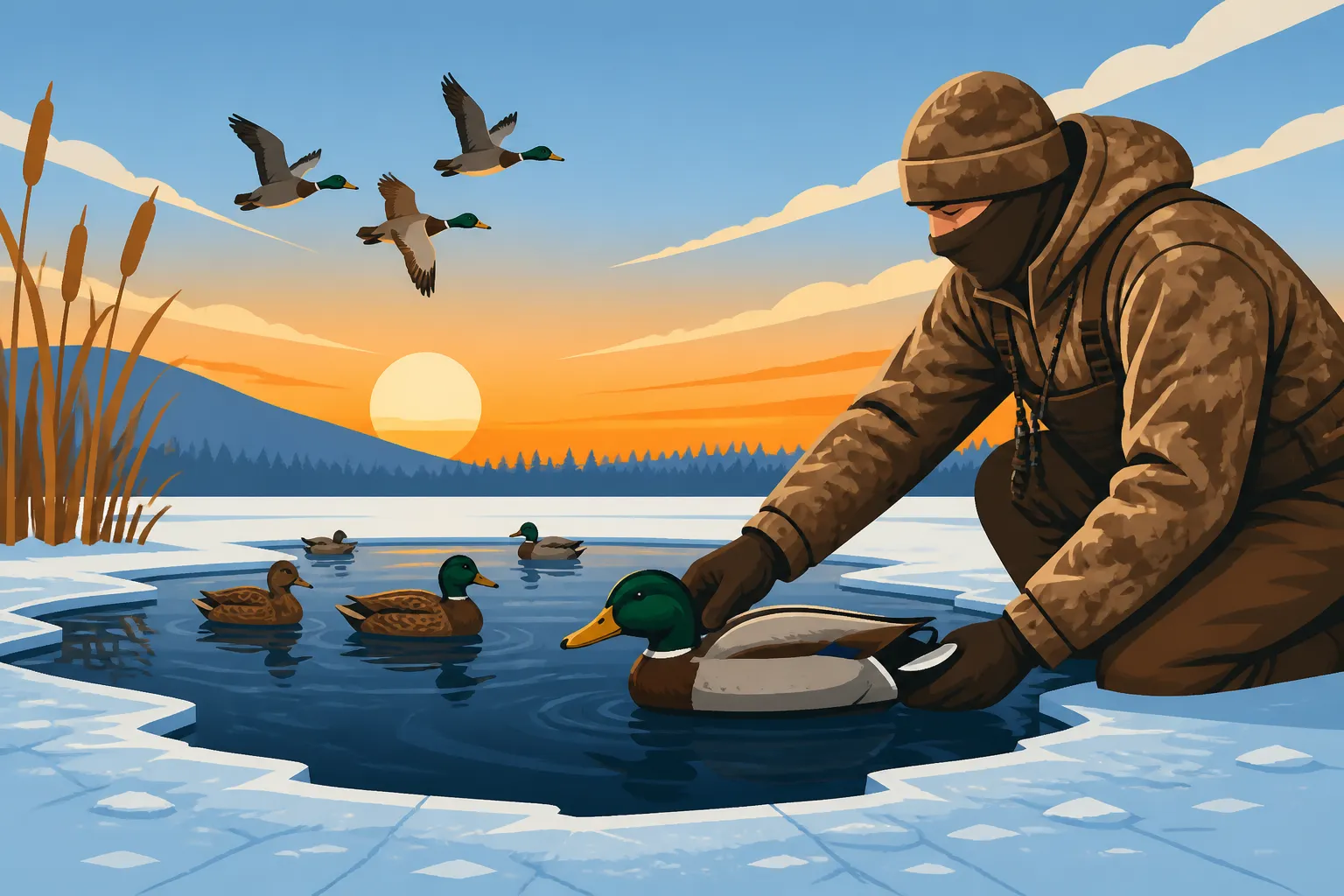
The late season in New York can be brutal for waterfowl hunters. Just when you think you've got a pattern down, a cold snap rolls through, and all your favorite big water spots, the sprawling marshes, or even larger ponds, lock up solid. It’s incredibly frustrating to know birds are still around but have nowhere to go. This guide is all about turning that frustration into success by focusing on a often-overlooked goldmine: the small, frozen pothole, and how to effectively set your decoys to capitalize on these challenging conditions.
Understanding the Frozen Pothole Dynamic
When winter truly digs its heels in across New York, open water becomes a precious commodity. This isn't just about big lakes or rivers; it's also about those smaller, sheltered pockets of water, often tucked away in fields or woodlots, that attract ducks like magnets when other options disappear.
Why Frozen Potholes Attract Ducks
Ducks, especially dabblers like mallards and black ducks, are constantly on the move, searching for food and, most importantly, open water where they can rest and feel safe. When the mercury drops and a sheet of ice claims the larger bodies of water, these birds become desperate. That seemingly insignificant pothole, fed by a small spring or just naturally resistant to freezing due to its depth or location, suddenly becomes prime real estate.
Think about it: most hunters are either giving up or heading to the few remaining stretches of open river, often facing heavy competition. The ducks know this. They've been pressured all season. These small, out-of-the-way potholes offer a haven. They're often overlooked by other hunters precisely because they're small, require more effort to access, or just don't look like much on a fair-weather map. But when a cold front moves in and everything else freezes solid, a pothole with even a small patch of open water is like a five-star hotel for weary, hungry ducks. They'll drop in quickly, often without the circling and scrutinizing they might do over a larger, more exposed spread. This vulnerability is exactly what we're looking to exploit.
Reading Ice and Open Water
Successfully hunting frozen potholes isn't just about finding any open water; it's about understanding why that water is open and assessing the ice conditions around it. Safety is paramount when dealing with ice, especially on smaller, less predictable bodies of water.
First, identify potential hotspots. Look for areas known to have natural springs, as these will constantly feed warmer water, delaying or even preventing freezing in a localized area. Shallow areas within a larger pond can also freeze later or thaw quicker, creating small windows of opportunity. Sometimes, even the wind or natural water movement in a ditch or small creek can keep a small stretch open. A great way to scout these spots before the season even turns truly cold is to use aerial photos on mapping apps. While it's great for Reading Aerial Photos for Southern Tier Deer, it's also invaluable for identifying small ponds, wet spots, and potential springs that could become open water havens.
Once you’ve identified a potential spot, you need to "read" the ice. Is it uniformly thick? Are there visible cracks or pressure ridges? The edges of open water on a frozen pothole are often the most dangerous, as the ice can be thinner due to the warmer water underneath. A spud bar is your best friend here. Don't venture out without one to test the ice ahead of you. Pay close attention to changes in ice color – darker ice can indicate thinner spots or areas where water is flowing beneath. Generally, you want at least 4 inches of clear, hard ice for walking alone, and more if you’re carrying heavy gear or hunting with a partner. Remember, conditions can change rapidly with temperature fluctuations and snowfall, so always re-evaluate on each trip.
Choosing the Right Decoys and Spread
The right decoy spread for a frozen pothole is often counterintuitive to what you might use on larger, open water. Less can often be more, and realism trumps sheer numbers.
Decoy Selection for Cold Conditions
When hunting small, frozen potholes, your decoy selection should be strategic and focused. Don't drag out your entire flock of mallards and divers; think about what ducks are truly looking for in these conditions.
- Species-Specific Realism: In New York, late-season dabblers like mallards and black ducks are often the primary targets on these smaller waters. These birds are wary and have seen it all. Invest in highly realistic, lifelike decoys. Flocked heads, detailed paint schemes, and natural postures can make a huge difference. While Hunting Western Zone Diver Ducks might call for a different spread, here you're aiming for a relaxed, feeding scenario.
- Minimalist Approach: You don't need dozens of decoys. A spread of 6 to 12 high-quality mallard and black duck decoys is often more than sufficient, especially in a small open hole. Overcrowding a small open patch of water with too many decoys can look unnatural and deter wary birds.
- Durability and Ice Resistance: Your decoys will be exposed to ice, cold, and potentially slush. Choose decoys made from durable plastic that can withstand being frozen in or bumped against ice without cracking or losing paint. Decoys with robust keels that sit naturally in the water, even when jostled by slight currents or wind, are ideal. If you're planning to create open water by breaking ice, expect some scuffs, so don't bring your pristine show decoys.
- Subtle Motion: Even in frigid temperatures, motion can be a powerful attractant. While large spinning-wing decoys might be too much for a small pothole and can freeze up, subtle motion can be key. A simple jerk string that allows you to subtly move a few decoys can make your spread come alive. Even a slight breeze can make floating decoys bob gently, creating ripples on the water that mimic live birds.
Effective Spreads for Small Openings
Designing a decoy spread for a small, frozen pothole is about maximizing the illusion of safety and drawing ducks into a tight landing zone.
- Tight Cluster with a Landing Zone: Ducks approaching a small opening on an otherwise frozen landscape are looking for quick, easy access. A tight cluster of decoys, mimicking a small flock of birds huddled together for warmth and safety, is highly effective. Create a clear, inviting landing zone directly in front of your blind or concealment. This zone should be free of decoys and large enough for birds to comfortably drop into. Often, an "L" shape or a "J" hook spread works well, with the bend creating the landing pocket.
- Wind and Natural Leads: Always consider the wind direction. Ducks almost always land into the wind. Position your decoys so that your landing zone is upwind of your primary decoy cluster, allowing birds to approach and land directly into the pocket. If there's a natural lead or a small open channel, use it to your advantage, positioning decoys along its edges to funnel birds in.
- Confidence Decoys (Sparingly): While not always necessary, a few confidence decoys can sometimes help. A single coot or a pair of resting geese on the ice near your open water can signal to approaching ducks that the area is safe. However, don't overdo it – the goal is a natural, unassuming look. For instance, if you're hunting in an area where Early Goose Season Tactics in New York might suggest a larger goose spread, remember these potholes are about ducks feeling safe, not about attracting a mixed flock.
- Decoys on the Ice Edge: Don't be afraid to place a few decoys directly on the ice, just at the edge of your open water. These can represent birds that have hopped out to preen or rest, adding to the realism. Just make sure they are stable and don't look like they're falling over. This subtle detail can really sell the scene to incoming birds.
Here’s a quick overview of decoy types and their purpose in frozen pothole spreads:
| Decoy Type | Quantity (Typical) | Placement | Purpose |
|---|---|---|---|
| Mallard Drakes/Hens | 4-6 | In the open water, tight group | Primary attractant, realism |
| Black Ducks | 2-4 | Mixed with mallards, or slightly outside | Adds variety, often found together in NY |
| Sleeper/Resting Ducks | 1-2 | On the ice edge, near open water | Adds confidence, portrays safety |
| Motion Decoy (subtle) | 1 (jerk string) | Center of spread, pulled from blind | Creates ripples, vital for attracting attention |
| Coot/Goose (Optional) | 1-2 | On the ice, slightly away | Confidence, signals safety |
Practical Setup Techniques for Ice
Setting up on a frozen pothole requires more than just tossing out decoys. It's about physically creating and maintaining the hunting environment, and being prepared for the unique challenges of ice.
Creating and Maintaining Open Water
This is often the most labor-intensive part of the hunt, but absolutely crucial. Ducks need open water to land, and in freezing conditions, that means you might have to make it yourself.
- Breaking Ice: If the pothole has a thin layer of ice, a sturdy axe, a long-handled spud bar, or even a heavy piece of wood can be used to break open a landing zone. Start at the edges and work your way in. For thicker ice, a dedicated ice chisel or spud bar is essential. Be mindful of making too much noise; ducks can hear it from a distance. The goal is to create a patch of open water roughly 10-15 feet in diameter, or whatever the natural size of the pothole allows, directly in front of your concealment. This takes effort, and you'll often need to remove the broken ice chunks to the shoreline or push them under the solid ice, out of sight.
- Keeping it Open: Once you've created your open water, the battle against freezing immediately begins. This is where subtle agitation can help. A jerk string attached to a few decoys can create enough movement to slow down freezing. Some hunters even use specialized battery-operated ice eaters or bubblers, though these are more common for permanent setups and might not be practical for a spontaneous pothole hunt on public land. For a quick fix, a small amount of dark-colored rock salt (not table salt, which is harmful to the environment) can sometimes depress the freezing point of the water slightly, especially around decoy lines, but use this sparingly and with caution regarding environmental impact. The best method is consistent movement from your jerk string, creating ripples that deter new ice from forming.
- Leveraging Natural Features: Look for natural channels or springs that might keep water open without your intervention. These are gold. If you find one, focus your efforts on enlarging that natural opening rather than fighting thick ice elsewhere. Scout these locations beforehand using tools like the GoHunt app, which can help you identify subtle changes in terrain or vegetation that might indicate spring-fed areas. This kind of detailed scouting, similar to what you'd do when Scouting New York Public Land Before Season, can save you a lot of effort on hunt day.
Decoy Placement on and Around the Ice
Once your open water is established, strategic decoy placement is key to drawing ducks in.
- Anchoring Decoys: In frozen conditions, traditional decoy weights can still work, but consider using heavier weights or even tying decoys off to something on the bank if possible, to prevent them from drifting into newly forming ice or being pushed out of your kill hole. Ice anchors, which screw into the ice and provide a solid tie-off point, can be incredibly useful for holding perimeter decoys in place or for securing your jerk string line.
- Utilizing the Ice Edge: Don't just place decoys in the water. Position some on the solid ice itself, right at the edge of your open water. These birds appear to be resting or preening, further enhancing the illusion of a safe haven. Make sure they’re stable and appear natural. This is particularly effective for sleeper or resting decoys, conveying a sense of calm.
- Motion is Magnetic: As mentioned, even subtle motion is vital. A simple jerk string is your best friend. Rig it to 2-3 of your floating decoys. When ducks are approaching, a few gentle tugs can make your spread come alive, creating ripples that mimic live birds. This movement, even small, is often the final piece of the puzzle that convinces wary birds to commit.
- Concealment and Camouflage: Your concealment needs to be impeccable. Ducks will be looking for any signs of danger. If you're on a field edge, a Layout Blind Hunting a Cut Cornfield is excellent, but for small potholes often surrounded by brush, a well-built natural blind or a portable pop-up blind brushed in heavily is critical. Utilize the ice and snow around you to break up your outline. Remember that on these small, often forgotten spots, ducks aren't expecting hunters, but they're still incredibly wary.
Safety Considerations and Cold Weather Gear
Hunting on frozen potholes demands extra vigilance, both for physical safety on the ice and for protecting yourself against the harsh New York winter elements.
Ice Safety Protocols
Never underestimate the dangers of ice. A misstep can quickly turn a memorable hunt into a life-threatening situation.
- Never Hunt Alone: This is rule number one. Always have a hunting partner when venturing onto ice. In an emergency, two people are far safer than one. If you can't go with a partner, inform someone of your exact location and expected return time.
- Essential Safety Gear: Before stepping foot on the ice, ensure you have essential safety tools. A spud bar is non-negotiable for testing ice thickness as you go. Ice picks worn around your neck are crucial for pulling yourself out if you break through. A throw rope (at least 50 feet) is vital for rescuing a partner or for being rescued. Consider wearing a life vest or an inflatable PFD, even under your hunting clothes, as it can be a lifesaver.
- Knowing Ice Thickness Requirements: While conditions vary, a general guideline from the New York State Department of Environmental Conservation (DEC) recommends at least 4 inches of clear, solid ice for safe walking, 5 inches for snowmobiles or ATVs, and 8-12 inches for cars or small trucks. Always assume ice near moving water, springs, or shorelines is thinner. Small potholes, especially if spring-fed, can have wildly inconsistent ice thickness. Even if most of the surface is solid, a small patch might be dangerously thin.
- Hypothetical Scenario: Imagine you're walking across a seemingly solid pothole and suddenly a partner breaks through. Without hesitation, you need to react. First, do not run towards them; you could also fall in. Extend the throw rope, or if closer, a long branch or even your gun. Stay low, distribute your weight, and verbally guide them. Having rehearsed this scenario mentally, and having the gear ready, can make all the difference. Always be aware of Tracking a Deer in Fresh New York Snow or any other activity on ice, as new snow can mask thin spots.
Essential Cold Weather Hunting Gear
The cold can be relentless in New York during late season, especially when you're static in a blind or standing on ice. Dressing appropriately isn't just about comfort; it's about survival.
- Layering is King: Forget bulky, single-layer coats. The key to staying warm is proper layering. Start with a moisture-wicking base layer (merino wool or synthetic, never cotton) to pull sweat away from your skin. Add insulating mid-layers, such as fleece or down, to trap heat. Your outer layer should be waterproof and windproof, protecting you from the elements. This system allows you to adapt to changing temperatures and activity levels. For a comprehensive overview, look into Layering for a New York Deer Stand, as many of the principles apply directly to waterfowl.
- Insulated Waders and Boots: If you anticipate breaking ice or wading into shallow water to set decoys or retrieve birds, insulated chest waders are non-negotiable. Look for models with thick Thinsulate or neoprene insulation. Pair these with high-quality, insulated, waterproof boots. Your feet are particularly vulnerable to the cold, and nothing ruins a hunt faster than numb toes. Make sure your boots are rated for extreme cold. Check out options specifically designed for Insulated Boots for All-Day Sits to ensure maximum warmth and comfort.
- Hand and Head Protection: A significant amount of body heat is lost through your head and hands. A warm, windproof hat (like a beanie or bomber hat) is essential. For your hands, consider a layering system: thin, sensitive gloves for setting decoys and shooting, and thick, insulated mittens that you can slip on over them when you're waiting. Hand warmers are your best friend here, providing continuous heat inside your mittens or pockets.
- Warm Liquids and Emergency Kit: Bring a thermos filled with hot coffee, tea, or soup. Warm liquids help raise your core body temperature and boost morale. Always carry a small emergency kit including a first-aid kit, fire-starting materials (waterproof matches, lighter, tinder), a knife, a flashlight or headlamp, and a fully charged cell phone (with a portable charger). Even on small potholes close to a road, things can go wrong quickly in cold conditions. When you’re out in these challenging conditions, whether it's Muzzleloader Tactics in December Cold or breaking ice, being prepared is paramount.
- Nontoxic Shot: Don't forget the legal requirement for waterfowl hunting in New York: you must use nontoxic shot. This is critical not just for legal compliance, but for protecting the environment. Ensure you have the correct ammunition before heading out. For more details on this, refer to Where Nontoxic Shot Is Required in New York.
Disclaimer
Hunting is an inherently dangerous activity. This guide provides general information and recommendations, but it is not a substitute for professional training, adherence to local regulations, or personal judgment. Always prioritize safety, understand and follow all New York State hunting laws and regulations, and respect private property. The author and publisher are not responsible for any accidents, injuries, or legal issues that may arise from the use of this information. Always check the current New York State DEC hunting regulations before heading afield, as rules and conditions can change.