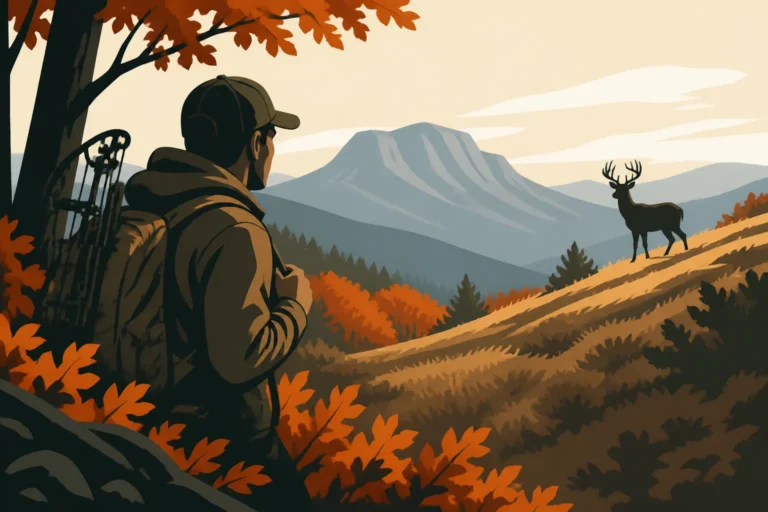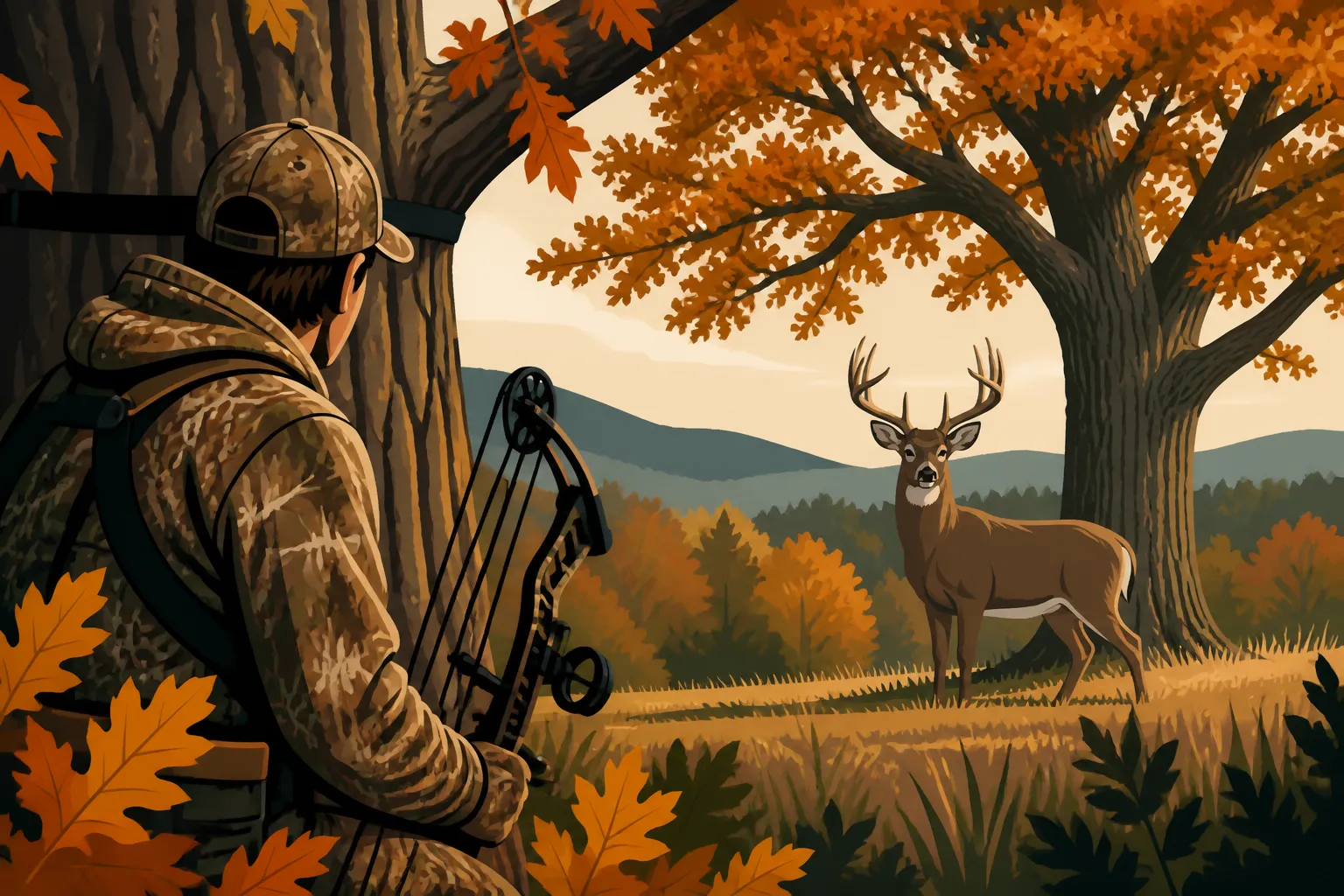
Setting Up Against a Big Oak
Finding the perfect spot to set up your deer or turkey stand in New York can often feel like trying to solve a puzzle, especially when you're looking to capitalize on a prime food source. There’s nothing quite as frustrating as knowing game is in the area but not being able to intercept them because your setup isn’t quite right. This guide will dive deep into how to scout, position, and ultimately maximize your hunting efforts by strategically setting up against a prominent oak tree in the diverse landscapes of New York State.
Why the Big Oak is a Game Magnet in New York
The venerable oak tree stands as a true beacon for wildlife across New York, especially for white-tailed deer and wild turkeys. It's not just a tree; it's a bustling natural buffet when its acorns start to drop. Understanding why these trees are so important to game is the first step in successfully hunting around them. Acorns are a powerhouse of nutrition, rich in carbohydrates and fats, providing a critical energy boost for deer packing on weight before winter and for turkeys bulking up for the colder months.
In many parts of New York, from the rolling hills of the Southern Tier to the mixed hardwoods of the Catskills, oaks dominate the landscape. White oaks, for instance, typically drop their acorns earlier in the fall, often from late September into October. These acorns are usually less bitter than red oak acorns, making them highly palatable to deer and turkeys, who will often seek them out first. You'll often find deer literally gorging themselves under a productive white oak, sometimes to the exclusion of other food sources. Red oaks, on the other hand, tend to drop their acorns later, from late October through November, and even into early winter. While these acorns contain more tannins and are thus more bitter, they also boast a higher fat content and can remain viable on the forest floor, or even on the tree, much longer into the colder months, making them a crucial food source when other options have dwindled. Knowing these subtle differences is key to anticipating deer movement. For more on how game adapts to changing food sources, check out this piece on Late-Season Food Sources for New York Whitetails.
Beyond just nutrition, big oaks often provide excellent cover, especially when situated in mature timber. Their wide canopies and sturdy trunks offer natural concealment and a sense of security for feeding animals. Deer and turkeys naturally gravitate towards areas where they can feed openly but still quickly melt into dense cover if alarmed. A single, large oak tree, particularly one that consistently produces a good crop of acorns, can become a primary feeding hub, drawing animals from a wide radius. These trees are not just feeding stations; they are social centers, places where deer and turkeys congregate, offering opportunities for hunters who understand how to approach them without spooking the resident wildlife. The presence of numerous acorns on the ground, or even the tell-tale sign of squirrels and chipmunks diligently working, provides a clear indicator of a productive tree.
Scouting Your Oak Tree Setup for Success
Effective scouting is the bedrock of any successful hunting strategy, and hunting around a big oak is no exception. It’s not enough to simply find an oak; you need to find the right oak, and understand exactly how deer and turkeys are using it. Start your scouting long before the season opens, ideally in late summer or early fall, as acorns begin to develop and drop. This allows you to identify which trees are producing and which are duds. A good pair of binoculars can help you spot developing acorns high in the canopy, giving you an early indication of a promising year for certain trees.
When on the ground, look for definitive signs of feeding. Fresh droppings, overturned leaves, and distinct tracks converging on the base of the tree are all strong indicators. Pay particular attention to what we call "cuttings" – small pieces of acorn shells left by squirrels and chipmunks. These show you that acorns are indeed hitting the ground and, more importantly, are being consumed. If you find a pile of white oak cuttings, you know you’re in a prime spot. Learn more about Reading Cuttings Under an Oak. As you scout, think about the bigger picture. Where are the nearest bedding areas? What are the most likely travel corridors leading to and from the oak? Are there any natural funnels, like saddles or creek crossings, that concentrate deer movement as they approach the feeding area? Utilize mapping tools, like those offered by GoHunt, to analyze terrain, identify potential bedding cover, and mark key travel routes, helping you piece together the puzzle of deer movement on public or private land. This digital reconnaissance can save you countless hours of unproductive walking.
Observe the immediate surroundings for other deer sign like rubs and scrapes. While an oak is a food source, deer activity around it can intensify, especially during the rut. A well-used scrape line nearby could indicate bucks are checking the area for does, adding another layer to your strategy. Understanding Scrape Lines Along a Logging Road can provide additional insights into how deer communicate and move. Also, consider the prevailing wind directions and how they might affect your approach and scent dispersal. A big oak in a high-traffic area is useless if your scent continually blows into the feeding zone. Plan multiple access and exit routes that minimize disturbance, keeping in mind wind direction for each approach. For example, if you anticipate a north wind, you need an entry path that keeps you downwind of the oak and any expected deer movement.
Strategic Stand Placement Near the Oak
Once you've identified a promising oak, the next critical step is positioning your stand for maximum effectiveness and minimal detection. This isn't just about getting high in a tree; it's about making yourself invisible and scent-free. Your primary considerations should be wind, sun, shot angles, and concealment. The wind is paramount; you must be consistently downwind of where you expect deer to approach and feed. This often means having multiple stand locations for different wind directions, or accepting that you can only hunt a particular oak on specific days. Don't compromise on wind; deer rely heavily on their sense of smell, and even the slightest whiff of human odor will send them packing. Understanding Wind and Thermals on a Catskill Ridge is crucial for effective stand placement, especially in hilly terrain.
Concealment is equally vital. While you might be high in a treestand, the stark outline of a hunter against the sky or a patch of open woods can quickly catch a deer's eye. Look for natural breaks in the canopy, thick branches, or other trees that can help break up your silhouette. Consider using a quality treestand, like those from popular brands such as Summit or Lone Wolf, that allows for quiet adjustments and offers a comfortable sit for extended periods. For specific tactics, consider the advice in Treestand Setups in Adirondack Hardwoods. If you're on public land, remember that some regulations may dictate how long a stand can remain in place or if it needs to be removed daily. Alternatively, a ground blind can be incredibly effective, especially if you're hunting shy turkeys or if the terrain doesn't offer suitable stand trees. Brushing in a quality blind from brands like Primos or Ameristep can make you virtually undetectable. For tips on utilizing ground blinds, refer to Using a Ground Blind on New York Public Land.
When setting up your stand, consider the sun's position throughout the day. Early morning or late afternoon sun in your eyes will impair your vision and make spotting deer difficult. Aim for a setup where the sun is at your back, or at least not directly in your face, during prime hunting hours. Also, think about your shot angles. You want clear shooting lanes to the areas where deer are most likely to feed under the oak. Trim small branches carefully and minimally to avoid alerting deer to your presence. Remember, deer might approach from any direction, so practice drawing your bow or shouldering your rifle in all potential shooting windows. Your entry and exit routes should be planned with the same meticulous detail, aiming to avoid disturbing the area around the oak before or after your hunt.
Hunting Tactics to Employ Around Your Oak
Now that your stand is set and you've meticulously scouted, it's time to put boots on the ground. Hunting a big oak requires patience and timing. The best time to hunt an oak is often during the morning or late afternoon, when deer are actively moving from bedding areas to feed, and then back again. However, deer will often hit prime food sources throughout the day, especially during the peak of the rut or when acorns are falling heavily. Be prepared for long sits, especially during the colder parts of the season when deer need more calories to sustain themselves.
Keep an eye on weather patterns. A sudden drop in temperature or the approach of a storm can trigger increased feeding activity as deer instinctively try to fuel up. Likewise, a fresh layer of snow can make tracks and cuttings much easier to spot, confirming current deer usage. If you're hunting during the rut, combining your oak setup with calling tactics can be deadly. A few well-placed grunts or rattling sequences can draw a curious buck in, especially if he thinks a rival buck is tending to a hot doe near a desirable food source. For more detailed strategies on this, explore Rattling and Grunting in New York or specific techniques for Grunt Calls in Mature New York Timber. The oak provides the natural attraction; calling can often be the trigger that brings a buck into range.
Patience is truly a virtue when hunting an oak. It's not uncommon to sit for hours without seeing anything, only to have a group of deer or a flock of turkeys appear as if from nowhere. Avoid fidgeting or making unnecessary movements. Your scent control measures, whether it's wearing activated carbon clothing or showering with scent-free soap, are vital. A deer’s nose is incredibly sensitive, and they will bust you long before you ever see them if your scent cone drifts into their path. Always stay vigilant, constantly scanning the woods, not just directly under the oak, but also the paths leading to it. Often, you'll spot deer far off, slowly working their way towards the prime feeding area. This early detection gives you time to prepare for a shot and minimizes the chance of being surprised.
New York Oak Species and Acorn Drop Times
To help you plan your hunts, here's a quick reference for common oak species in New York and their typical acorn characteristics and drop times. Remember, these are general guidelines, and actual timing can vary based on weather and specific location.
| Oak Species | Acorn Characteristics | Typical Drop Time (New York) | Palatability to Deer/Turkey | Notes |
|---|---|---|---|---|
| White Oak | Smaller, sweet, less bitter | Late September – Mid-October | High | Preferred by game, often sought first. Fast germination. |
| Red Oak | Larger, more bitter (higher tannin) | Late October – Mid-November (later) | Medium-High (especially late season) | Higher fat content, can persist on ground longer, critical winter food. |
| Black Oak | Medium size, bitter (high tannin) | Late October – Early November | Medium | Similar to red oak in bitterness, often utilized when white oaks are depleted. |
| Pin Oak | Small, somewhat bitter | Late October – November | Medium | Often found in wetter soils, good for ducks too. |
| Chestnut Oak | Large, less bitter than red/black oaks | Late September – Early October | High | Favored in rocky, upland areas. |
Keep this table in mind when you're out scouting, and it will help you prioritize which oaks to focus on throughout the hunting season. Knowing which acorns are dropping and when will allow you to tailor your hunts to the most abundant and appealing food sources, increasing your chances of success. By understanding the timing of acorn drops, you can predict deer movement more accurately, and ensure you're in the right place at the right time. For specific information on New York’s distinct deer zones and how they impact hunting calendars, check out How New York's Two Deer Zones Split the Calendar.
Disclaimer
Hunting is an activity that carries inherent risks. Always prioritize safety, adhere to all New York State hunting regulations, and ensure you have the proper licenses and permits before heading afield. The information provided here is for educational and informational purposes only and should not replace professional guidance or official DEC regulations.