Dragging a Deer Off a Catskill Ridge
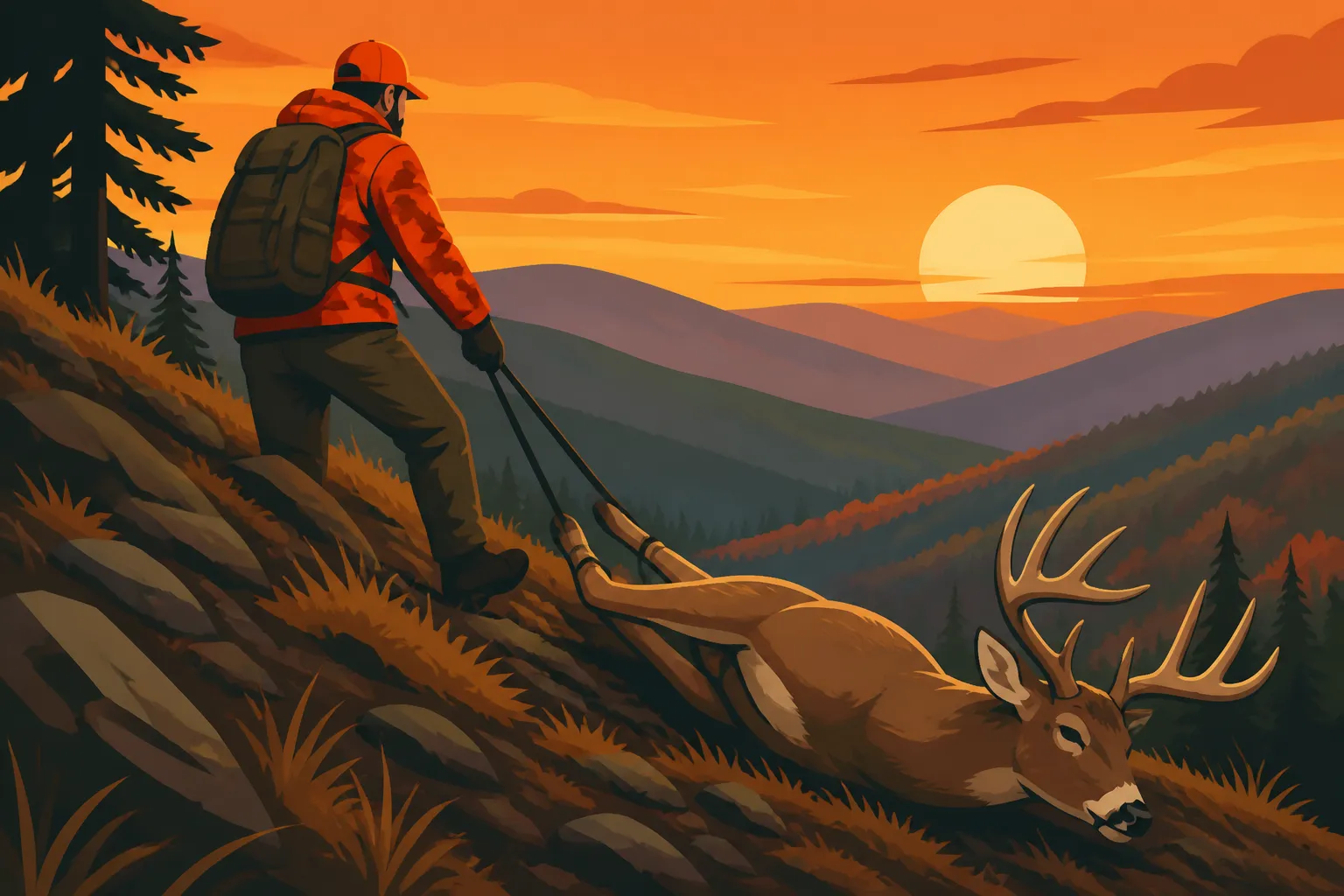
So, you’ve put in the time, navigated those steep slopes, outwitted a cagey Catskill buck, and finally punched your tag. That feeling of accomplishment is second to none, but let’s be honest, it’s often immediately followed by a wave of dread: "How am I going to get this deer out of here?" Dragging a deer off a Catskill ridge is a rite of passage, a grueling test of will, and a challenge that can quickly turn triumph into pure exhaustion. This guide is all about making that Herculean task a little less daunting, focusing on preparation, smart strategies, and the right gear to ensure your venison makes it home.
Preparing for the Inevitable: Pre-Hunt Planning for Extraction
The time to think about dragging a deer isn’t after you’ve shot one. It’s during your scouting trips, when you’re studying maps and planning your hunting routes. A little foresight can save you hours of back-breaking labor and potential injury. The Catskills are unforgiving, with their steep ravines, rocky outcroppings, and dense thickets, so being proactive is crucial.
Scouting Smart: Identifying Potential Extraction Routes
When you're out scouting, don’t just look for deer sign; look for paths of least resistance. Imagine yourself hauling a full-grown whitetail. Are there old logging roads, ATV trails (where legal), or even gentler slopes that might make a better egress point? Sometimes, a slightly longer route that avoids a vertical climb or a rocky creek bed is a far better choice than a "shortcut" that turns into an obstacle course. Use tools like the New York HuntFishNY Map Tool or other robust mapping applications like GoHunt to identify contours, trails, and potential access points from afar. These apps, with their topographic and satellite layers, can give you an invaluable bird's-eye view of the landscape, helping you pinpoint those less brutal paths.
Walk these potential routes if possible. Feel the grade, notice obstacles like fallen trees or wet areas. Pay attention to how the Entry Routes on Steep Catskill Ground might also serve as exit routes. Sometimes, the best way in isn't always the best way out, especially with a heavy load. You might notice a subtle bench or a less severe drainage that could make all the difference. Remember, the goal is to work with the terrain, not against it. Trying to drag a deer straight up a 45-degree incline is a recipe for exhaustion and maybe even an emergency.
Essential Gear for the Drag: Don't Leave Home Without It
The right gear won't eliminate the effort, but it will certainly mitigate it. Thinking through what you might need before you even hit the woods is a game-changer. It’s easy to get caught up in the latest bow or rifle, but the humble dragging rope might be the most valuable piece of equipment you carry on a successful hunt in the Catskills.
- Dragging Aids: A sturdy dragging rope (at least 15-20 feet long) is non-negotiable. Look for one with a comfortable handle or, better yet, a shoulder harness system that distributes the weight across your back and shoulders, saving your hands and arms. Deer sleds, especially rigid plastic ones, are incredible assets when there's snow or even just wet leaves to reduce friction. Even a heavy-duty tarp can work in a pinch for lighter deer or shorter distances.
- Field Dressing Tools: A sharp knife is paramount for efficient field dressing. Consider a gut hook for ease and speed. Gloves are also a must for hygiene and to maintain a grip. A small, lightweight bone saw can be invaluable if you plan to remove the lower legs or skull plate in the field.
- Navigation & Lighting: Even if you think you know the woods like the back of your hand, a GPS unit or a reliable mapping app like GoHunt on your phone is critical. Marking your kill site and your planned extraction route is essential, especially if you're coming out after dark. A powerful headlamp with fresh batteries is absolutely non-negotiable for safety; it’s never fun to be stumbling through the woods in the dark with a deer in tow. Don't forget an extra battery pack or spare batteries for both your headlamp and phone.
- First Aid Kit: Accidents happen, especially when you're tired and navigating rough terrain. A compact First Aid Kits for Remote Adirondack Ground is a must-have for any hunt, but particularly when you're deep in the Catskills far from immediate help.
- Water and Snacks: This is a physical endeavor. Stay hydrated and keep your energy up. Pack more water and high-energy snacks than you think you'll need.
The Moment of Truth: From Field Dressing to the First Pull
The deer is down. The initial surge of adrenaline gives way to the monumental task ahead. How you approach the immediate aftermath of the shot can significantly impact the ease (or difficulty) of the drag. Don't rush, but be efficient.
Field Dressing Considerations for a Steep Drag
Field dressing isn’t just about getting the meat cooled down; it’s about reducing weight and making the deer easier to handle. In the steep, broken terrain of the Catskills, every pound removed helps. After ensuring the animal is expired and tagging it appropriately, get to work. Remove all the internal organs. If allowed in your Wildlife Management Unit (WMU) and you’re short on help, consider quartering the animal if the drag is truly extreme and you have the right gear, like game bags and a good pack (check local regulations first, as carcass transport rules can apply, especially if coming from a CWD area). While this guide primarily focuses on dragging a whole animal, knowing your options is part of being prepared.
When field dressing on a slope, try to position the deer so gravity works with you. If possible, orient the deer head-uphill. This allows fluids to drain away from the chest cavity more effectively and can make rolling the deer slightly easier if you need to access both sides. Be mindful of your footing; slippery leaves, blood, and steep angles can make this a precarious task. Take your time, be thorough, and remember that careful field dressing helps ensure the meat quality and makes the drag more manageable. For more detailed tips, check out this guide on Field Dressing a Deer in Cold Weather.
Initial Moves and Setting Up the Drag
Once field dressed, give the deer a few minutes to cool down if temperatures allow, and then assess your immediate surroundings. Is there a clearer path just a few yards away? Can you pivot the deer to start it on a downhill trajectory?
- Attach Your Dragging Aid: Secure your rope or harness firmly to the deer's antlers (if present) or around its neck/head. Ensure it's a knot that won't slip under tension. If you have a dragging harness, fit it to yourself, making sure the straps are adjusted for maximum comfort and leverage.
- Evaluate the First Section: The first 50-100 yards are often the toughest, as you're breaking the deer free from where it fell and getting it onto your chosen path. Look for rocks, downed timber, or thick brush that could snag the carcass. Try to lift the deer slightly over these obstacles rather than dragging it directly through them.
- Use Gravity: If you're on a slope, even a gentle one, try to get the deer pointed downhill first. Let gravity do some of the work. If you have a partner, one person can manage the rope from the front while the other helps guide the deer from the hindquarters, lifting over obstacles or preventing it from rolling off course. This is particularly important when dealing with challenging features like those found when Recovering a Deer From a Steep Ravine.
Strategies for a Successful, Less Painful Drag
Getting a deer out of the Catskills isn't about brute force alone; it's about strategy, efficiency, and knowing when to take a break. The terrain dictates much of your approach, but smart tactics can lighten the load considerably.
Navigating Steep Slopes and Obstacles
The Catskills are famous for their steep, rocky terrain, dense laurel thickets, and deep ravines. Each presents its own challenge when dragging a deer.
- Downhill Drags: These are usually the easiest, but still require control. If the slope is very steep, you might need to "tree" the deer—looping your rope around a sturdy tree to slowly lower the deer down, preventing it from careening out of control. This is especially true if you are on a very severe pitch where uncontrolled sliding could be dangerous. Don’t just let it go; a deer picking up speed downhill can be impossible to stop and could easily injure you if it pins you against an obstacle.
- Uphill Drags: These are the real leg burners. Break the drag into short segments. Pull for 20-30 feet, then stop, rest, and repeat. If you have a partner, face each other, use two ropes, and pull in unison. Sometimes, one person can even push from the rear while the other pulls. Utilize natural features: a fallen log can act as a temporary rest stop, preventing the deer from sliding back down. Consider using a small block and tackle system for extremely steep, short sections, though this adds significant bulk and complexity to your gear.
- Sideways Slopes: These can be tricky. The deer will constantly want to slide downhill. Try to keep the deer's body perpendicular to the slope's fall line as much as possible, effectively creating more friction. If the slope is too severe, you might need to traverse very slowly, using trees or rocks to brace yourself and the deer.
- Dense Brush and Timber: Laurel thickets and dense saplings are notorious for snagging antlers and legs. Try to drag the deer over downed logs or brush whenever possible, rather than trying to pull it through. If antlers are a significant issue, and regulations allow, you might consider removing them in the field.
When to Use Specialized Dragging Aids
While a simple rope is good, certain aids truly shine in challenging terrain:
- Deer Sleds/Game Sleds: These are fantastic for reducing friction, especially over snow, wet leaves, or even relatively smooth ground. Brands like GoHunt often highlight gear, and while they might feature more specialized Western hunting equipment, the principle of using a durable, low-friction sled applies universally. A good sled can turn a 4-hour drag into a 2-hour drag. They protect the carcass from dirt and debris and keep it from snagging on small branches. Make sure the sled is robust enough for the sharp rocks and abrasive ground of the Catskills. Consider a sled like the Shappell Jet Sled for an affordable and effective option. For more tips on this, check out Deer Sleds for Snow Country.
- Deer Carts: On gentler slopes or old logging roads, a deer cart can be a lifesaver. However, for genuinely steep, rocky Catskill terrain, they are often more of a hindrance than a help, constantly tipping over or getting stuck. They really excel on relatively flat, firm ground. If your planned extraction route involves an old Forest Roads or ATV trail for a significant portion, a cart might be worth the investment.
- Backpack Frame/Game Bags: If the terrain is truly impassable for dragging, or if you simply prefer not to drag, boning out a deer and packing it out in game bags on a sturdy frame pack is an option. This is a much more involved process, requiring specific knowledge of butchering, quality game bags, and a pack designed to carry heavy, awkward loads. It's often reserved for backcountry hunts or extremely remote kills, but it's a viable strategy for the steepest parts of the Catskills. This method ensures the meat stays clean and can be far less physically taxing on your joints and muscles than dragging. Just remember that it takes time to bone out an animal properly in the field, and you need to be confident in your abilities. You can learn more about suitable gear in Packs for a Day on Public Land.
| Dragging Aid | Best Use Cases | Pros | Cons |
|---|---|---|---|
| Dragging Rope | All-around, essential for any drag. | Lightweight, compact, versatile. | Puts strain on hands/arms, high friction. |
| Shoulder Harness | Paired with rope, distributes weight. | Reduces strain on arms, more comfortable for long distances. | Can be bulky, still high friction. |
| Deer Sled/Tarp | Snow, wet leaves, relatively smooth ground. | Significantly reduces friction, protects carcass. | Can be cumbersome to carry in, struggles with very rocky/steep terrain. |
| Deer Cart | Old logging roads, ATV trails, gentle slopes. | Ideal for flat, firm ground; saves energy. | Impractical for steep, rocky, or heavily timbered Catskill terrain. |
| Backpack Frame + Game Bags | Extremely steep, remote, or impassable terrain. | Easiest on the body, keeps meat clean, efficient over long distances. | Requires butchering skills, takes time, specialized gear. |
Safety First: Preventing Injury and Exhaustion
Hunting in the Catskills is physically demanding, and dragging a deer only amplifies that. Pushing yourself too hard can lead to injury, poor decision-making, or even a dangerous situation. Prioritizing safety is paramount.
Listen to Your Body and Take Breaks
It sounds simple, but it’s easy to forget when you’re focused on the task at hand. Dragging a deer is an endurance sport. Stop frequently. Take a few deep breaths, drink some water, and stretch. If you feel dizzy, lightheaded, or experience muscle cramps, stop. Don't push through pain. Find a safe spot to sit, rehydrate, and fuel your body.
The Catskills are vast, and help might be hours away. A pulled muscle or sprained ankle can turn a difficult drag into a full-blown emergency. It's far better to take an extra hour and arrive home safely than to rush and suffer an injury that impacts your health or future hunting seasons. This goes back to Hunting Pressure on New York Public Land – you might encounter other hunters, but don't count on them for help.
Teamwork Makes the Dream Work (If You Have It)
Hunting solo has its rewards, but when it comes to dragging a deer, a partner (or two) can make an immense difference. If you're hunting with friends or family, establish a clear plan for what happens after a deer is down.
- Rotating Positions: If there are two of you, take turns pulling. One person pulls from the front, the other can push from the rear or guide the deer, especially over obstacles. Swap positions regularly to give different muscle groups a rest.
- Communicating: Constant communication is key. "Stop," "Lift," "Watch that log," "Steep drop ahead!" – these simple calls can prevent accidents and ensure you’re working as a cohesive unit.
- Emergency Plan: Always have a plan for what to do if someone gets injured or if you can't get the deer out before dark. Let someone back home know your general hunting area and your expected return time. This is especially important when you’re hunting solo or in very remote areas of the Catskills. Even a simple text to a loved one saying "Deer down, might be late" can make a difference.
The Mental Game: Staying Positive and Realistic
Dragging a deer, especially from a deep Catskill valley or off a steep ridge, can be mentally taxing. It's cold, it's dark, you're tired, and that deer suddenly feels twice as heavy.
- Break It Down: Don't think about the entire mile-long drag. Think about getting to the next fallen tree, the next bend in the trail, or just 50 more yards. Celebrate those small victories.
- Focus on the Reward: Remind yourself of the delicious venison, the stories you'll tell, and the accomplishment of overcoming a significant challenge. This is part of the Catskill hunting experience!
- Know When to Call It: Sometimes, despite your best efforts, you might be facing an impossible situation, especially if you're solo and it’s a very large deer. If you genuinely feel unsafe or are risking injury, it's okay to make the hard call to go get help or even quarter the animal and pack it out over multiple trips (again, checking local regulations). Your health and safety are more important than any deer. Use your GoHunt app or a handheld GPS to mark the location precisely, cover the deer to protect it from scavengers, and return with a fresh perspective or extra hands.
Dragging a deer off a Catskill ridge is never easy, but with careful planning, the right gear, smart strategies, and a healthy dose of realistic expectations, it's a manageable part of the hunting adventure. The struggle is real, but so is the satisfaction of seeing that deer loaded into your truck, knowing you earned every single pound of that hard-won venison.
Disclaimer
The information provided in this article is for educational and informational purposes only. Hunting regulations, safety guidelines, and best practices can change. Always consult the most current New York State Department of Environmental Conservation (DEC) regulations and local laws before engaging in any hunting activities. Adhere to all safety protocols and consider taking a hunter education course. Hunting involves inherent risks, and personal safety is the responsibility of the individual hunter.