New York Deer Seasons by Zone
Navigating the maze of New York's deer seasons can feel like a full-time job, especially with different zones, weapon types, and special opportunities. It's easy to get lost in the regulations, leaving you scratching your head about when you can actually be in the woods. This comprehensive guide is designed to cut through the confusion, offering a clear, empathetic breakdown of New York's deer hunting calendar by zone, ensuring you know exactly when and where to pursue whitetails across our beautiful state.
Demystifying New York's Deer Zones
For many new hunters, or even seasoned veterans crossing over from other states, the concept of New York's distinct deer hunting zones can be a bit perplexing. It's not just a general split; these zones dictate everything from season length to weapon restrictions and even how many deer you might be able to harvest. Understanding this fundamental division is the first crucial step to planning any successful New York deer hunt.
Southern Zone vs. Northern Zone Boundaries
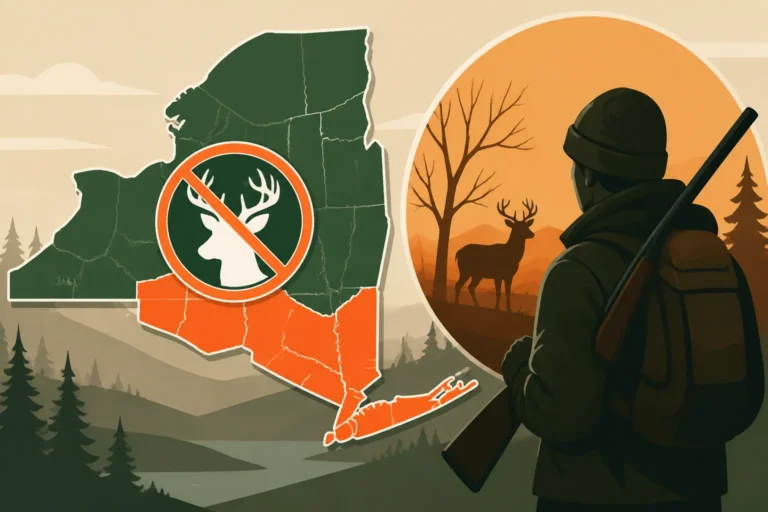
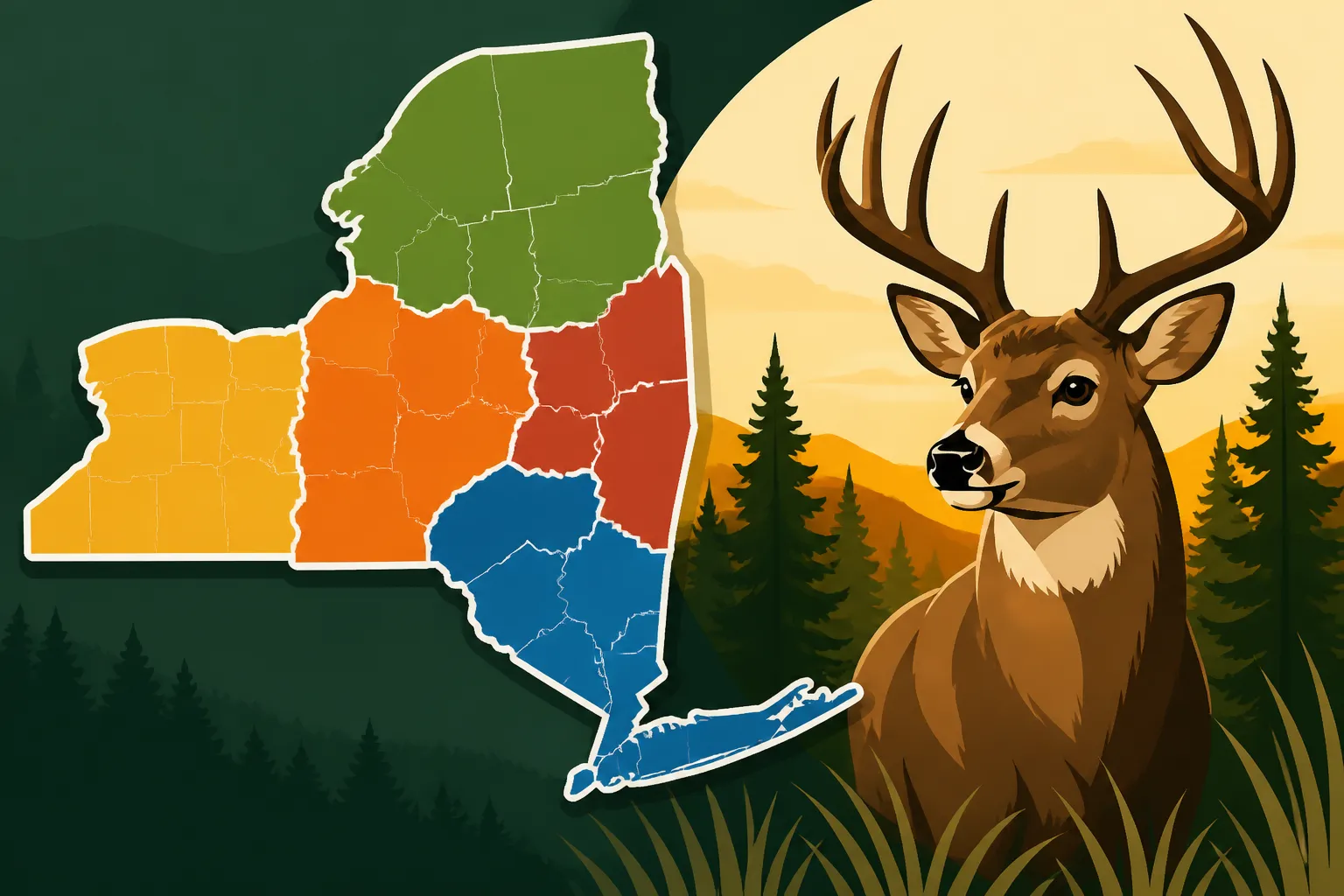
New York State is primarily divided into two major deer hunting zones: the Southern Zone and the Northern Zone. The delineation isn't just arbitrary; it's based largely on geographic features, climate, deer densities, and historical harvest data. The Northern Zone encompasses the vast, rugged expanses of the Adirondack Mountains, the Tug Hill Plateau, and surrounding areas. This region is characterized by harsher winters, more extensive forest cover, and generally lower deer densities. Conversely, the Southern Zone covers the majority of the rest of the state, including the Catskill Mountains, the fertile farmlands of the Finger Lakes and Southern Tier, and the suburban fringes of the Hudson Valley and Long Island. Here, winters are typically milder, habitat is more fragmented with a mix of agriculture and woodlands, and deer populations are generally much higher. You can dive deeper into how this split impacts your hunting by understanding How New York's Two Deer Zones Split the Calendar.
The specific boundary line runs roughly along a series of roadways and natural features, creating a clear, albeit sometimes winding, divide. For instance, the boundary generally follows routes like State Route 12, then cuts east and west along various county lines and smaller roads. It's absolutely critical to know precisely which side of this line your hunting property or chosen public land falls on, because misinterpreting the zone can lead to serious regulatory infractions. Many hunters use mapping apps, like the DEC's own HuntFishNY or popular platforms such as GoHunt, to precisely identify the zone boundaries when scouting. This level of detail is paramount, especially if you're hunting near the transition lines, which can sometimes be just a few miles apart.
Why the Zones Matter for Your Hunt
The difference in zones isn't just a bureaucratic formality; it has very real, practical implications for every hunter. The primary reason for the zonal split is to manage deer populations effectively based on varying ecological conditions and human impacts. In the Northern Zone, where deer face tougher winters and predation pressure, seasons are generally shorter and more conservative. This aims to protect the herd and ensure sustainability. As a hunter here, you're often targeting a smaller, more spread-out population, meaning your tactics might lean more towards tracking or covering vast amounts of ground.
In the Southern Zone, with its milder climate and richer food sources, deer populations thrive, often leading to longer seasons, more varied weapon opportunities, and a greater emphasis on antlerless harvest through Deer Management Permits (DMPs). This helps to keep the herd in balance with the habitat and minimize deer-human conflicts. For you, this translates to more days afield, more flexibility in hunting methods, and often more opportunities to fill your freezer, especially with antlerless tags. Understanding these underlying management philosophies helps to make sense of the regulations and allows you to tailor your hunting strategy to the specific conditions of your chosen zone.
Understanding Wildlife Management Units (WMUs)
Beyond the broad Northern and Southern Zones, New York further subdivides the state into smaller regions known as Wildlife Management Units, or WMUs. Think of WMUs as micro-zones within the larger picture, each with its own specific regulations that can sometimes override or add to the general zone rules. While the overall season dates are set by zone, WMUs are where the nitty-gritty of antler restrictions, DMP quotas, and even special local hunts are determined.
For instance, a particular WMU in the Southern Zone might have antler restrictions that require a buck to have at least three points on one side, while an adjacent WMU might have no such restriction. Similarly, the availability and odds of drawing a DMP for antlerless deer can vary wildly from one WMU to another, depending on local deer population objectives. Using the DEC's official resources or a reliable mapping tool like GoHunt can help you zero in on these WMU-specific details, ensuring you're always hunting legally and effectively. Ignoring WMU boundaries and their unique rules is a common pitfall for hunters, so always double-check the regulations for the exact unit you plan to hunt, not just the general zone.
Archery Season: The Early Challenge and Extended Opportunity
Ah, archery season. For many of us, it’s the eagerly anticipated crack of September, signaling the true beginning of fall hunting. There's something uniquely satisfying about drawing a bow on a whitetail, a quiet challenge that forces you to get closer and become intimately familiar with deer movement. New York offers a robust archery season, giving bowhunters ample opportunity, but just like everything else, the specific dates and rules vary significantly between the Southern and Northern Zones.
Early Archery in the Southern Zone
The Southern Zone kicks off its archery season in mid-September, usually around the 15th. This early start offers a fantastic chance to hunt deer that are still on a fairly consistent summer pattern, often predictable in their movements between bedding areas and food sources. You're typically dealing with warm temperatures, abundant green browse, and deer that haven't yet felt significant hunting pressure. This is a time for careful scouting, identifying those specific oak stands dropping acorns or the alfalfa fields where deer are consistently feeding. Many hunters find success by setting up near these food sources or along major travel corridors connecting them to thick cover.
However, hunting during these warm, early weeks also presents its challenges. Managing scent becomes paramount, as a deer's nose is incredibly sensitive. You'll also need to consider proper meat care, as warm temperatures can quickly spoil a harvested animal if not handled swiftly and correctly. Despite these hurdles, the early Southern Zone archery season is a cherished time for many, allowing for a long, unhurried pursuit of deer before the woods fill with more hunters during the later firearm seasons. For comprehensive tips, check out Bowhunting New York's Long Archery Season.
Northern Zone Bowhunting Specifics
Over in the Northern Zone, the archery season often starts a bit later than its southern counterpart, typically around September 27th or October 1st, and generally runs for a shorter duration, often closing before the main firearm season begins. This adjustment reflects the realities of the Adirondack and Tug Hill environments. Deer densities are lower, and the harsh winters mean herd management is more conservative. Northern Zone bowhunters are often facing different conditions – more rugged terrain, denser conifer stands, and potentially colder weather even in early fall.
Success in the Northern Zone during bow season often requires a more wilderness-oriented approach. Instead of hunting specific food plots, you might be focusing on natural funnels, identifying traditional deer crossings along ridges, or keying into areas with abundant natural mast crops like beechnuts. The deer here are wilder, less accustomed to human presence, and generally require more effort to locate. For the dedicated Northern Zone bowhunter, it's a test of woodsmanship and patience, a truly rewarding experience when a big woods buck finally steps into range.
Crossbow Rules and Regulations
Crossbows have become an increasingly popular option for many New York hunters, offering a bridge between traditional archery and firearm hunting. They provide an extended season similar to vertical bows, while offering different shooting dynamics. In New York, crossbows are generally allowed statewide during the regular archery season for big game. This means if you possess a valid hunting license with bowhunting privileges, you can use a crossbow during the specified archery dates.
However, it's crucial to understand the specifics. There are often minimum limb width and draw weight requirements for crossbows to be considered legal for deer hunting. These regulations are designed to ensure ethical and humane kills. Additionally, while crossbows can be used during the regular archery season, they sometimes have different rules regarding their use during the special youth hunts or during certain special permit hunts. Always consult the most current DEC hunting regulations guide for the precise legalities of crossbow use, including any special conditions or restrictions. Staying informed on Crossbow Rules During New York Archery Season will help ensure a compliant and enjoyable hunt.
Muzzleloader Season: Old School, New Opportunities
Muzzleloader season in New York offers a unique hunting experience, bridging the gap between the quiet challenge of archery and the more widespread participation of the regular firearm season. It harkens back to a simpler time, forcing hunters to slow down, focus on a single shot, and appreciate the tradition of black powder hunting. Many find the muzzleloader to be a fantastic tool for filling the freezer, especially during the colder, later segments of the season.
Pre-Firearm Muzzleloader Season in Both Zones
Both the Southern and Northern Zones typically have a muzzleloader-only season that precedes the regular firearm season. This strategically placed season provides an exclusive opportunity for black powder enthusiasts to hunt deer when hunting pressure from other firearm hunters is absent. In the Southern Zone, this usually means a week or two in mid-October, right after archery and before the general opener. In the Northern Zone, it often aligns with a similar window, sometimes overlapping slightly with the late archery season.
This pre-firearm period is a prime time to target bucks that are just starting to show increased activity as the rut approaches. Deer are less wary than they will be once the woods are full of rifle hunters. You might encounter bucks starting to rub and scrape, making them a bit more predictable as they check their signposts. The conditions during this time can vary greatly, from crisp fall days to the first hints of winter weather, so being prepared for changing conditions is key. Remember, during this exclusive season, only muzzleloading firearms are permitted, so leave the centerfires at home. You can learn more about this by reading Muzzleloader Deer Hunting in New York.
Late Muzzleloader Hunt in the Southern Zone
One of the most valuable opportunities for Southern Zone hunters is the late muzzleloader season, often referred to as the "holiday hunt" when combined with the late archery reopener. This season typically runs from late December through early January, after the regular firearm season has closed. It's a fantastic chance to extend your deer hunting, often in colder weather and sometimes with snow on the ground, which can make tracking and spotting deer much easier.
During this late-season hunt, deer are heavily focused on remaining food sources. Standing cornfields, unpicked soybeans, or any remaining mast crops become high-value areas. Deer will also congregate in thermal cover, such as thick conifer stands, to escape the cold. Hunting these late-season patterns requires different tactics than early fall. Focus on bedding areas near food, identify pinch points deer use to travel between them, and don't be afraid to sit all day if the weather is cold enough. The late muzzleloader season, especially with the potential for snow, provides a truly magical and productive hunting experience for those willing to brave the elements.
Gear Considerations for Muzzleloader Hunting
Muzzleloader hunting, while traditional, still benefits from modern advancements in gear. Keeping your powder dry is paramount; a good quality, waterproof muzzleloader can make all the difference when hunting in New York's often damp or snowy late seasons. Consider using sealed primer systems, like those offered by Traditions or CVA, to protect against moisture. Beyond the firearm itself, reliable optics are crucial. Since muzzleloader shots are typically within 150-200 yards, a fixed 4x or low-power variable scope is often ideal, prioritizing light gathering and a wide field of view in dim woods.
Don't forget the essentials: plenty of powder, primers, and bullets, all stored securely and waterproofed. A speed loader can be a lifesaver for quick follow-up shots (though in New York, you generally get one chance). And of course, dressing in layers is critical for battling the cold and damp conditions often associated with late muzzleloader season. High-quality wool or synthetic base layers, insulated outer garments, and waterproof boots are non-negotiable. Being comfortable allows you to stay on stand longer, increasing your odds of success.
Regular Firearm Season: New York's Traditional Hunt
The regular firearm season is, for many, the quintessential New York deer hunt. It's when camps fill up, traditions are upheld, and the woods hum with the anticipation of the chase. While it draws the most hunters, it also offers some of the best opportunities, especially for those seeking to fill their tags efficiently. However, the season structure, legal firearms, and overall hunting experience differ notably between the two major zones.
Southern Zone Firearm Season Dynamics
The Southern Zone's regular firearm season typically opens on the third Saturday of November and runs for three full weeks, ending in early December. This is the busiest time in the woods, with hunters often employing a variety of tactics, from sitting on established food plots and travel corridors to organized deer drives on public and private lands. The timing of this season usually coincides with the peak of the rut, offering exciting opportunities to intercept bucks actively searching for does. This is often when the biggest, most aggressive bucks are on their feet during daylight hours. To get a detailed understanding of the timeline, refer to New York's Southern Zone Firearm Season.
With the increased hunter numbers, especially during opening week, understanding deer behavior under pressure becomes vital. Deer will quickly adapt, becoming more nocturnal or seeking refuge in the thickest cover available. Successful Southern Zone firearm hunting often involves scouting thoroughly before the season to identify untouched pockets of cover or unique travel routes that deer might use to escape pressure. Additionally, hunters often take advantage of the generous DMP opportunities in many Southern Zone WMUs, allowing them to harvest antlerless deer and contribute to herd management while waiting for a buck.
Northern Zone Firearm Season Challenges
The Northern Zone firearm season is a different beast entirely. It typically opens in late October and runs for a shorter duration, often just two weeks, closing in mid-November before the Southern Zone even opens. This compressed season, combined with the vast, wilder terrain and lower deer densities, presents a significant challenge. Winters here are often brutal, and the shorter season is a crucial part of managing the herd to ensure its survival through the colder months. Get more insights into these unique challenges by checking out New York's Northern Zone Firearm Season.
Hunting the Northern Zone with a firearm often demands a more physically demanding approach. Still-hunting vast tracts of timber, tracking deer in fresh snow (if you're lucky enough to get it), or carefully navigating thick spruce and cedar swamps are common tactics. The rut here can also be slightly earlier than in the Southern Zone, influenced by the earlier onset of winter. Success often hinges on deep woodsmanship, patience, and a willingness to explore remote areas where deer are less disturbed. It's a hunt that truly tests a hunter's skills and rewards perseverance.
Legal Firearms and Ammunition
New York State has specific regulations regarding the types of firearms and ammunition legal for deer hunting, and these can vary slightly by zone or even by local municipality (though generally, statewide rules apply for weapon types). For the most part, centerfire rifles are legal for deer hunting in the Northern Zone and many parts of the Southern Zone. Common calibers like .270, .30-06, .308, and 6.5 Creedmoor are popular choices, providing enough power for humane kills while maintaining manageable recoil.
However, in certain densely populated parts of the Southern Zone, particularly in regions like Long Island and parts of the Hudson Valley, only shotguns (with slugs) or muzzleloaders are permitted. This is a safety measure to prevent long-range projectiles from traveling into populated areas. It's absolutely imperative to know the specific regulations for the WMU you intend to hunt regarding legal firearms. Always use expanding bullets, as required by New York law, and practice extensively with your chosen firearm and ammunition to ensure accuracy and confidence in the field. Double-checking these details in the current hunting regulations or using a tool like GoHunt to verify local rules is always a wise move.
Special Deer Hunting Opportunities
Beyond the main archery, muzzleloader, and regular firearm seasons, New York offers several special hunting opportunities designed to engage specific demographics or address particular management needs. These seasons, while often shorter or geographically limited, provide unique experiences and additional chances to harvest deer.
The Youth Deer Hunt Weekend
One of the most heartwarming and important special seasons is the annual Youth Deer Hunt Weekend. Typically held in early October, often coinciding with the Columbus Day holiday weekend, this is a dedicated time for young hunters (ages 12-15) to get afield with an experienced adult mentor. The youth hunt usually allows the taking of one deer (either antlered or antlerless) using a firearm or bow, often with specific regulations tailored to their age group.
This initiative is crucial for fostering the next generation of hunters, teaching them safe firearm handling, ethical hunting practices, and an appreciation for wildlife. For many youth, it's their first real opportunity to participate in a big game hunt, creating lifelong memories. The adult mentor cannot carry a firearm or bow during this hunt, focusing solely on guiding and supervising the youth hunter. It's a fantastic program, and you can find more details on Hunting the New York Youth Deer Weekend. It's a testament to New York's commitment to ensuring the future of hunting.
Southern Zone Holiday Deer Hunt
A relatively newer addition to the New York hunting calendar is the Southern Zone Holiday Deer Hunt. This special season runs from late December into early January, overlapping with the late muzzleloader and archery reopener. It's essentially an extension of the antlerless deer season in many Southern Zone WMUs, allowing hunters to use bows, crossbows, and muzzleloaders. This season was implemented to provide additional opportunities for antlerless harvest in areas with high deer populations, and also to give hunters a chance to extend their time in the woods during the holiday break.
The Holiday Hunt is a prime opportunity for filling additional DMPs, especially if you have an unlimited WMU tag. By this time, deer are often concentrated in specific late-season food sources and thick cover, making patterning them a bit more predictable. It's also a great way to introduce new hunters to deer hunting, as the pressure is generally lower than during the regular firearm season. However, not all Southern Zone WMUs participate, so always verify the specific regulations for your hunting location. This season offers a fantastic way to stretch your season and put more venison in the freezer. Get detailed rules in Hunting the Southern Zone Holiday Hunt.
Deer Management Assistance Program (DMAP) Tags
The Deer Management Assistance Program (DMAP) offers another layer of special opportunity, though it's typically tied to specific properties rather than broad seasons. DMAP tags are additional antlerless deer permits allocated to landowners or hunting clubs who have demonstrated a need for increased antlerless harvest to meet specific deer management objectives on their property. This might be due to agricultural damage, excessive deer browsing, or other localized population issues.
If you hunt on private land, especially larger parcels or farms, your landowner might participate in DMAP. These tags allow hunters to take additional antlerless deer beyond their regular DMPs, further assisting in local herd management. While you won't apply for DMAP tags directly as an individual hunter, if you're part of a hunting group or have permission on a property enrolled in the program, you might be assigned one. It's an excellent way to contribute directly to localized deer management efforts while adding to your harvest opportunities.
Navigating Deer Management Permits (DMPs)
Deer Management Permits, or DMPs, are a cornerstone of New York's deer management strategy, designed to allow for the targeted harvest of antlerless deer to control population growth and balance herd numbers with available habitat. For hunters, understanding DMPs is absolutely essential, as they significantly expand your harvest potential beyond the single antlered deer typically allowed on your big game tag.
Understanding Limited Versus Unlimited WMUs
The availability and ease of obtaining DMPs vary dramatically based on the specific Wildlife Management Unit (WMU) you intend to hunt. New York's WMUs are categorized as either "limited" or "unlimited" for DMP purposes. In "limited" WMUs, the DEC has determined that the antlerless deer population needs to be carefully managed, so only a set number of DMPs are issued, often through a lottery system. Drawing a DMP in a limited WMU can be challenging, with odds varying from year to year depending on applicant numbers and management goals.
Conversely, "unlimited" WMUs are areas where the DEC seeks a higher antlerless harvest due to robust deer populations or specific management needs. In these WMUs, DMPs are typically available over the counter or can be applied for with very high success rates, often allowing hunters to obtain multiple antlerless tags. Knowing whether your target WMU is limited or unlimited is crucial for planning your season. The GoHunt app, for example, often provides quick access to this information, helping you identify high-opportunity areas. This detailed approach to management is thoroughly explained in New York Deer Management Permits Explained.
Applying for DMPs and Instant Lottery
Applying for DMPs usually begins in mid-summer, typically in July, and has a specific deadline, usually in August. Hunters apply by selecting up to two WMUs where they'd like to hunt antlerless deer. If you apply for a limited WMU, you'll be entered into a lottery. The results of this lottery are usually announced in early September. If you're successful, your DMP will be linked to your hunting license.
For those who don't draw a DMP in a limited WMU, or for hunters in unlimited WMUs, New York often has an "instant lottery" or "first-come, first-served" period that opens shortly after the initial lottery results. During this time, hunters can apply for remaining DMPs in specific WMUs where quotas haven't been met or where unlimited tags are available. This provides additional chances to acquire antlerless tags throughout the season, sometimes even into December. It's always a good idea to check the DEC website frequently for updates on DMP availability, as opportunities can change rapidly, especially in high-demand areas.
The Role of DMPs in Deer Population Management
DMPs are not just about giving hunters more opportunities; they are a critical tool for scientific deer management. By controlling the harvest of antlerless deer, the DEC can directly influence the growth rate and overall size of regional deer populations. Without effective antlerless harvest, deer herds can quickly grow beyond the carrying capacity of their habitat, leading to widespread browsing damage, increased deer-vehicle collisions, and poorer health within the herd due to competition for food.
In areas with high deer populations, like many parts of the Southern Tier and Hudson Valley, DMPs are essential for mitigating these issues. They allow hunters to act as crucial partners in conservation, helping to maintain healthy, balanced ecosystems. Understanding this vital role can make your DMP harvest feel even more impactful, knowing you're contributing to the long-term health of New York's whitetail population.
Essential Tools and Regulations for Every Hunter
Beyond knowing the season dates and zones, successful and responsible deer hunting in New York requires familiarity with key regulations and leveraging modern tools. These elements ensure safety, compliance, and ultimately, a more enjoyable and efficient hunting experience.
Mandatory Deer Harvest Reporting
This is non-negotiable: if you harvest a deer in New York, you must report it. It's not just a suggestion; it's a legal requirement and a critical component of the DEC's deer management program. Harvest data, including the date, location (WMU), and sex of the deer, provides invaluable information for assessing population trends, setting future season structures, and evaluating the effectiveness of management strategies like DMPs. This crucial step is outlined in New York Deer Reporting Requirements.
The good news is that reporting is easier than ever. You can typically report your harvest online through the DEC's HuntFishNY website or app, or by calling a toll-free number. The deadline for reporting is usually within seven days of the harvest, so don't procrastinate. Failing to report a harvest can result in fines and penalties, but more importantly, it compromises the data that helps manage our deer herds effectively. Make it a habit to report your deer as soon as possible after recovery.
Using Digital Tools Like HuntFishNY and GoHunt
In today's hunting world, digital tools have become indispensable, and New York offers some excellent resources. The New York State DEC's official HuntFishNY app is a game-changer. It allows you to carry your license and permits electronically, eliminating the need for physical paper copies. More importantly, it provides direct access to the mandatory harvest reporting system, making compliance seamless right from the field. It also offers mapping features, though these can be basic in comparison to dedicated hunting apps.
For more advanced mapping and scouting, platforms like GoHunt are invaluable. These apps layer property boundaries, public land designations, topographic maps, and satellite imagery, helping you understand the landscape, identify potential deer sign, and ensure you're always on legal hunting ground. GoHunt also often integrates data on WMU regulations, providing a quick reference for things like antler restrictions or DMP availability. Leveraging these tools, whether it's the official DEC app or a third-party mapping solution, will significantly enhance your scouting, navigation, and overall hunting strategy. Consider checking out Scouting With the New York HuntFishNY App for practical tips.
Safety, Blaze Orange, and General Regulations
Safety should always be your top priority in the deer woods. New York has clear regulations designed to ensure hunter safety, the most prominent being the requirement for blaze orange (or blaze pink). During any firearm season, or during the special archery/muzzleloader seasons when a firearm season is concurrently open in that zone, hunters are required to wear a minimum amount of solid or patterned blaze orange or blaze pink material visible from all directions. This requirement is crucial for preventing accidents and ensuring you're easily seen by other hunters. Details can be found at Blaze Orange Requirements.
Beyond blaze orange, general regulations cover everything from shooting hours (typically sunrise to sunset for deer) to landowner permission requirements. Always respect private property boundaries and obtain explicit permission before hunting on private land. Understand safe firearm handling practices, including proper storage and transportation. Taking a New York Hunter Education course isn't just a requirement for new hunters; it's an excellent refresher for anyone, covering ethics, safety, and responsible hunting practices. Adhering to these regulations isn't just about avoiding penalties; it's about fostering a safe, ethical, and respected hunting culture in New York.
| Season Type | Southern Zone (Approximate Dates) | Northern Zone (Approximate Dates) | Notes |
|---|---|---|---|
| Archery | Mid-Sept – Mid-Nov | Late Sept/Early Oct – Mid-Oct | Crossbows allowed with bowhunting privilege. |
| Muzzleloader (Pre-Firearm) | Mid-Oct | Early/Mid-Oct | Muzzleloader-only; precedes regular firearm season. |
| Regular Firearm | Mid-Nov – Early Dec (3 weeks) | Late Oct – Mid-Nov (2 weeks) | Most popular, highest pressure. Check legal firearms by WMU. |
| Youth Hunt | Early Oct (Columbus Day Weekend) | Early Oct (Columbus Day Weekend) | Special weekend for hunters aged 12-15 with mentor. |
| Holiday Hunt (Archery/Muzzleloader) | Late Dec – Early Jan | N/A | Southern Zone only; antlerless focus; check participating WMUs. |
Disclaimer
The information provided in this guide is for general informational purposes only and is not a substitute for the official New York State Department of Environmental Conservation (DEC) hunting regulations. Hunters are responsible for consulting the most current DEC regulations guide for specific dates, rules, and any last-minute changes before going afield. Local regulations and WMU-specific rules can vary significantly.