Extra DMPs Issued Inside the Containment Area
Navigating the world of deer hunting in New York can sometimes feel like trying to decipher an ancient scroll, especially when you throw in specialized regulations for areas facing unique challenges. One such challenge is Chronic Wasting Disease (CWD), and if you hunt in or near the designated containment area, understanding the rules for extra Deer Management Permits (DMPs) isn't just helpful—it's absolutely essential. This guide will help you unpack exactly why these additional DMPs are issued and how they impact your hunting opportunities and responsibilities.
Understanding New York's CWD Containment Area
The phrase "CWD Containment Area" can raise a lot of questions and, let's be honest, a fair bit of anxiety among hunters. It's a serious topic, but one we need to face head-on to protect our deer herd and hunting heritage.
What is the CWD Containment Area?
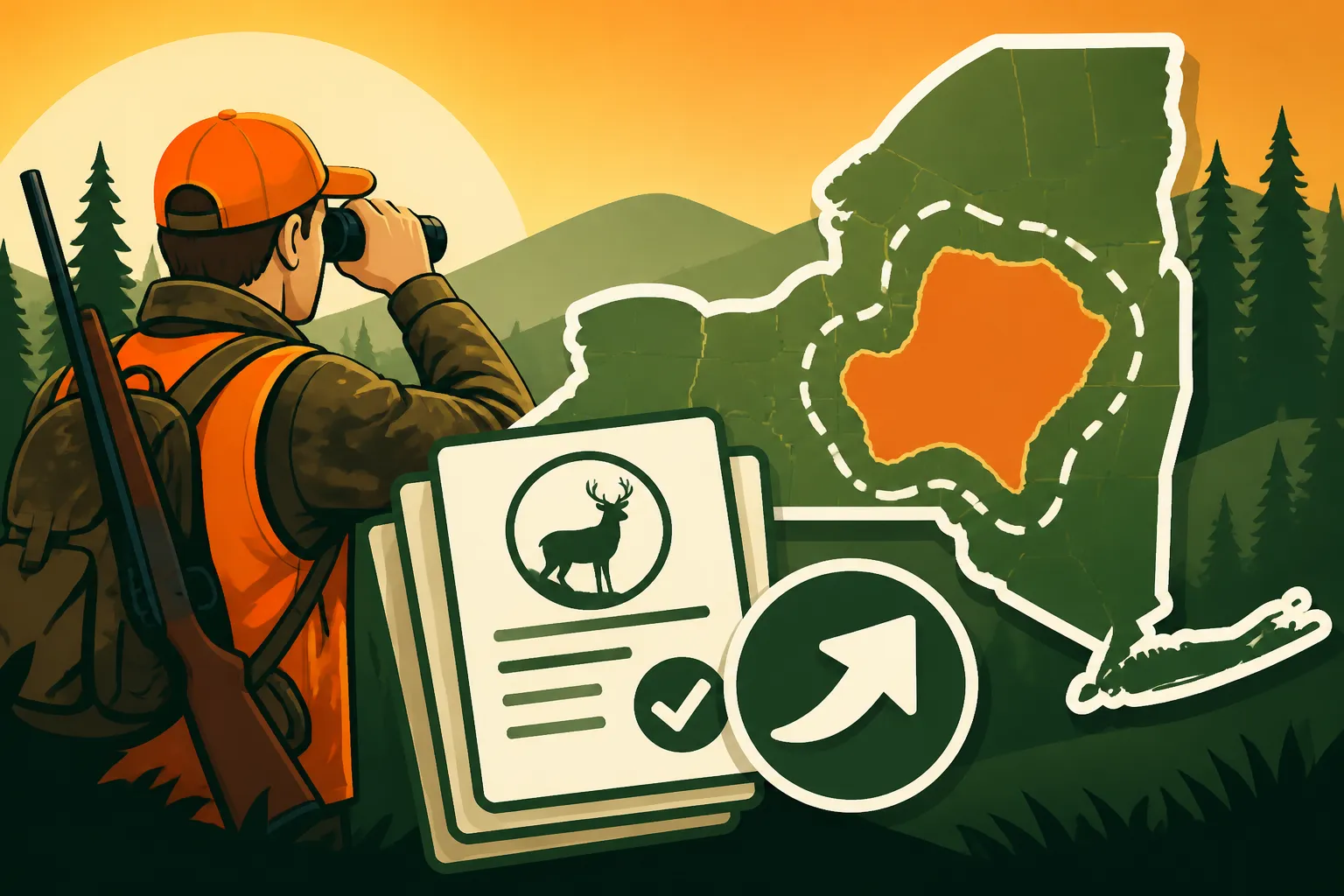
First off, let's talk about CWD itself. Chronic Wasting Disease is a fatal neurological disease that affects cervids, which include deer, elk, and moose. It's caused by abnormal proteins called prions and leads to progressive brain damage, ultimately resulting in death. While there have been no confirmed cases of CWD in wild deer in New York, the state is proactive in its management and monitoring. The specific area we're focusing on, the CWD Containment Area, was established in Herkimer County. This was a direct response to a confirmed case of CWD in a captive deer facility within the county, specifically impacting towns like Salisbury, Fairfield, Norway, Newport, Schuyler, Ohio, and Russia. It's a localized, targeted approach to prevent the potential spread of this devastating disease from captive animals into the wild population.
When a situation like this arises, the New York State Department of Environmental Conservation (DEC) moves quickly to implement stringent measures. The designation of a containment area means that the land and the deer within it are subject to different rules than the rest of the state. It's not about singling out hunters or making things harder; it's about creating a buffer and intensifying monitoring efforts where the risk is highest. Think of it as a protective bubble designed to keep CWD from establishing itself in our beloved wild deer. Hunters who often venture into different parts of the state might find these localized rules a bit of a curveball, but understanding the rationale is key to compliance.
The Rationale Behind Special Regulations
So, why can't we just treat the Herkimer County area like any other hunting zone? The simple answer lies in disease management and population control, which are critical strategies when dealing with a potential CWD threat. Research has shown that CWD spreads most effectively through direct animal-to-animal contact or indirectly through environmental contamination, such as contaminated soil or water. Higher deer densities can increase the chances of disease transmission, making population control a vital tool in preventing an outbreak.
The special regulations, including the issuance of extra DMPs, are designed to aggressively reduce deer numbers within the containment area. By lowering the overall population, the DEC aims to decrease the likelihood of deer interacting closely and potentially spreading any undetected prions. This isn't just a shot in the dark; it's a science-backed approach used in other states that have faced CWD challenges. These regulations also allow for more intensive sampling of harvested deer, giving wildlife biologists a clearer picture of the disease status in the area. It’s an investment in the long-term health of the New York deer herd, and every hunter participating becomes a crucial part of that vital effort. You can learn more about New York's Chronic Wasting Disease Containment Area and why these rules are so important.
How Extra DMPs Help in CWD Management
The concept of "extra" DMPs might sound exciting to some hunters – more tags, more opportunities! But in a CWD Containment Area, these permits carry a much deeper significance than just increasing your chances of filling the freezer.
Increasing Harvest Opportunities
Within the CWD Containment Area, the DEC deliberately increases the availability of Deer Management Permits, primarily for antlerless deer. This isn't just a random act of generosity; it's a calculated move to specifically target the female segment of the deer population. Why antlerless? Because harvesting does and fawns has the most significant and immediate impact on reducing overall deer density. A fewer number of breeding does means fewer fawns are born, leading to a noticeable decline in the population over time.
These additional DMPs provide hunters with a clear incentive and opportunity to contribute directly to the disease management strategy. For many, it means they can harvest multiple deer in an area where they might typically be limited. This increase in harvest opportunity isn't just about hunter satisfaction; it's about harnessing the power of the hunting community to achieve a critical wildlife management goal. It allows for a higher removal rate of deer, which in turn helps to break potential chains of disease transmission. For hunters accustomed to the standard New York Deer Management Permits Explained, these extra DMPs represent a unique call to action, blending recreational hunting with crucial conservation work.
Impact on Deer Population and Monitoring
The higher antlerless harvest enabled by these extra DMPs directly impacts the deer population by working to keep numbers in check, ideally at a lower, more manageable density. This reduction in density is critical for slowing down any potential spread of CWD. Imagine a crowded party versus a sparsely attended gathering – the chances of passing something around are much higher in the more crowded environment. The same principle applies to deer and disease transmission. Fewer deer per square mile mean less direct contact and less environmental contamination from infected individuals.
Beyond population control, every deer harvested under these DMPs provides an invaluable opportunity for monitoring. Hunters are often required, or at least strongly encouraged, to submit samples from their harvested deer for CWD testing. This is where your efforts on the ground become vital scientific data. By testing a higher number of deer from the containment zone, wildlife biologists can get a more accurate and comprehensive understanding of whether CWD is present and, if so, how prevalent it might be. This surveillance is the backbone of long-term disease management, allowing the DEC to detect any issues early and respond appropriately. Knowing New York CWD Testing for Hunters and participating actively is one of the most important things you can do as a responsible hunter in these areas.
Navigating the Extra DMP Process
While the idea of extra DMPs is straightforward, the actual process comes with specific requirements that hunters need to follow closely. This isn't just about getting an extra tag; it's about adhering to protocols designed for public and wildlife health.
Applying for and Using These Special Permits
Applying for DMPs in the CWD Containment Area generally follows the standard New York State DEC procedure, but with some crucial differences designed to make permits more accessible. Typically, these DMPs are considered "unlimited" or have very high quotas for the specific Wildlife Management Units (WMUs) that fall within the containment zone, making them much easier to obtain than DMPs in other, more regulated WMUs. This accessibility is intentional, as the goal is to maximize hunter participation in reducing the deer population.
Hunters can usually apply for these DMPs through the official NYS DEC system, either online via the DECALS licensing portal, at a license issuing agent, or sometimes even by phone. When you're looking at your options, pay close attention to the WMUs listed, and make sure you select the ones that encompass the CWD Containment Area. For example, knowing the specific towns involved, as we discussed earlier, can help you cross-reference with WMU maps. Tools like GoHunt's mapping features can sometimes assist in visualizing these WMU boundaries, though always confirm with official DEC resources. The key here is to confirm the specific WMUs that are part of the containment effort and apply for the additional antlerless DMPs available for those areas. Remember, while these tags offer more opportunities, they come with the added responsibility of following all CWD-related regulations to the letter. You might find more general information on how the Limited Versus Unlimited DMP Wildlife Units system works across the state, but understand the containment area has its own special provisions.
Carcass Transport and CWD Testing Requirements
This is arguably the most critical aspect of hunting in a CWD Containment Area. The rules around carcass transport are designed to prevent the physical movement of potentially infected deer parts from the containment zone to other areas where CWD might not be present. This means you absolutely cannot just throw an entire deer carcass in the back of your truck and drive it out of Herkimer County. The regulations typically stipulate that only certain parts can leave the area, such as deboned meat, cleaned skull plates, antlers, and hides. The brain and spinal cord, which are high-risk tissues for CWD prions, must remain within the containment zone.
Hunters harvesting deer in the CWD Containment Area are often required, or at least strongly urged, to have their deer tested for CWD. The good news is that the DEC typically provides free CWD testing for hunters in this specific area, making it easy and accessible to participate in this crucial monitoring program. There will be designated drop-off locations or procedures to follow for submitting your samples. Not only is it your legal obligation to comply with these rules, but it's also your ethical responsibility as a hunter to protect the wider deer population. Always consult the most current DEC regulations for specific details on New York Carcass Transport Restrictions and how to submit your samples.
Hunter Experience and Community Involvement
Hunting in a CWD Containment Area isn't just about applying for permits and following rules; it's about being an active participant in a larger conservation effort. This involvement brings both opportunities and significant responsibilities.
Balancing Opportunity with Responsibility
For many hunters, the prospect of "extra" DMPs can be a mixed bag. On one hand, it’s exciting to have more chances to harvest deer, especially for those looking to fill their freezers or simply enjoy more time afield. This increased opportunity allows for greater participation in deer management and can be a boon for local hunters. However, this opportunity comes with a weighty responsibility. Every hunter who obtains one of these special DMPs becomes a front-line defender against CWD. It means understanding that your actions, from where you hunt to how you handle your harvest, have a direct impact on the health of the entire state's deer population.
This isn't just about compliance; it's about stewardship. Hunters are often the first to notice changes in wildlife populations or behavior, and in the case of CWD, that vigilance is priceless. It's about taking the extra steps, even if they're inconvenient, to ensure the disease doesn't spread. This balance requires a thoughtful approach, where the excitement of the hunt is tempered by a deep commitment to conservation and an understanding of the gravity of the CWD threat. The hunting community has always been at the forefront of wildlife conservation, and this situation in Herkimer County is another crucial chapter in that legacy.
Resources and Information for Hunters
Staying informed is paramount when hunting in or around a CWD Containment Area. Regulations can change, and new information about the disease or its management might emerge. The absolute best place to find the most accurate and up-to-date information is always the official New York State Department of Environmental Conservation (DEC) website. They provide detailed maps, regulatory updates, and specific instructions for hunters in these zones. Look for press releases, special CWD advisories, and the annual hunting and trapping guide, which will have sections dedicated to CWD management.
Beyond official channels, community involvement plays a huge role. Local sporting clubs, wildlife groups, and even reputable hunting forums can be valuable places to share experiences and ask questions, though always cross-reference information with the DEC. Remember, you can use digital tools like the Scouting With the New York HuntFishNY App to help understand property boundaries and WMA locations, but for CWD-specific rules, the DEC website is your bible. Don't hesitate to call your regional DEC office if you have any doubts. They are there to help, and ensuring hunters are educated is key to successful disease containment.
| Regulation Aspect | General New York Deer Hunting | CWD Containment Area (Herkimer County) |
|---|---|---|
| Deer Management Permits (DMPs) | Varying quotas per WMU; lottery system for limited WMUs | Often "unlimited" or high quotas for antlerless deer to reduce population |
| Primary Objective of DMPs | Population control, balanced herd health | Intensive population reduction to minimize CWD risk |
| Carcass Transport Rules | Generally unrestricted within NYS (unless CWD area) | Strict restrictions: Only deboned meat, cleaned skull/antlers, hide allowed to leave the zone |
| CWD Testing | Voluntary in most areas; mandatory in specific cases (e.g., EHD) | Strongly encouraged or required, with free testing available |
| Hunter Role | Recreational harvest, conservation through license fees | Critical partner in disease surveillance and population control |
Disclaimer
The information provided in this guide is intended for general informational purposes only and is subject to change. Hunting regulations, especially those related to disease management, are complex and frequently updated. Always consult the official New York State Department of Environmental Conservation (DEC) website and current hunting and trapping guide for the most accurate and up-to-date regulations before heading afield. It is the hunter's responsibility to know and obey all applicable laws.