New York Grouse Daily Bag Limit
Hunting ruffed grouse in New York is a truly unique experience, but honestly, it can feel like you need a law degree just to figure out the rules sometimes. It's frustrating to just want to get out there and enjoy a crisp autumn day with your shotgun, only to be bogged down by questions about limits and seasons. This comprehensive guide is here to clear up any confusion about the New York ruffed grouse daily bag limit, helping you understand the regulations so you can focus on finding those explosive flushes.
Understanding New York's Ruffed Grouse Seasons
Before we dive into the nitty-gritty of daily bag limits, it’s essential to grasp the overarching season structure for ruffed grouse in New York. Unlike deer, which have distinct Southern and Northern Zones with varying dates for archery, firearm, and muzzleloader, grouse seasons are generally more straightforward, though still split by zone. This division is crucial because it dictates when you can even be in the woods pursuing these birds, which in turn impacts your ability to harvest any.
New York's approach to small game, including ruffed grouse, is designed to balance hunting opportunity with species conservation. The season dates are set by the New York State Department of Environmental Conservation (DEC) based on biological data, population health, and hunter harvest reports. For grouse, the goal is often to provide ample opportunity in the fall when young birds are abundant and before the harshest winter weather sets in. It’s always a good idea to check the current year’s official DEC hunting regulations guide, as dates can sometimes see minor adjustments. You can find general details about these broader hunting opportunities in our guide to New York Small Game and Upland Bird Seasons.
For ruffed grouse, the season typically opens in October and runs into February, but the exact start and end dates differ between the Northern Zone and the Southern Zone. The Northern Zone usually kicks off earlier and often closes earlier as well, largely due to the more severe winter conditions that impact grouse populations and hunter access. The Southern Zone, with its generally milder climate, might see its season extend a bit longer. Knowing which zone your hunting grounds fall into is your absolute first step. A great resource like the GoHunt app or their online mapping tools can quickly show you these zone boundaries if you're ever unsure about a specific parcel of land.
The Specifics of the Daily Bag Limit for Ruffed Grouse
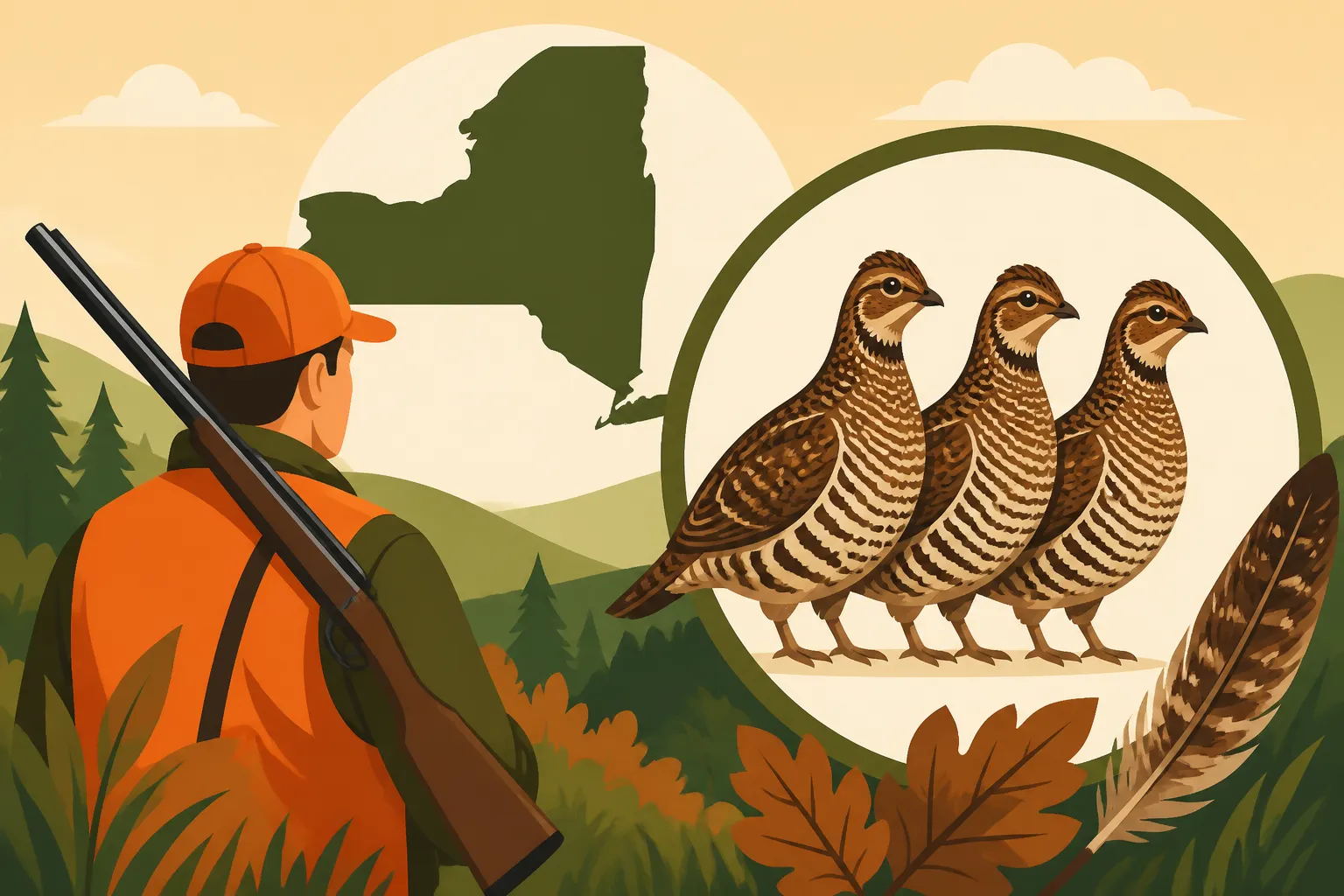
Now, let's get to the core of your question: the daily bag limit for ruffed grouse in New York. For most of the state, for both the Northern and Southern Zones, the daily bag limit for ruffed grouse is three birds per hunter per day. This means that once you or anyone in your hunting party (if you’re hunting together and sharing a bag limit) has harvested three ruffed grouse, you must cease hunting for ruffed grouse for the remainder of that calendar day. This limit applies across the board, regardless of where you're hunting within the legal seasons or if you're Grouse Hunting New York Aspen Cover or any other type of habitat.
It's important to understand that this limit is per hunter, not per hunting trip or per household. If you hunt solo, you can take three grouse. If you're out with a buddy, each of you can take three, for a combined total of six, assuming you both have valid licenses and stamps. However, this is also where things can get a little tricky if you're not careful. If one hunter quickly bags their three birds, they can no longer participate in actively hunting grouse for the day, even if their partner hasn't filled their limit yet. They can certainly continue to walk and enjoy the outing, perhaps even flush birds for their partner, but they cannot carry a gun and shoot at grouse.
The rationale behind a daily bag limit is rooted deeply in wildlife management and conservation science. It's a tool used by wildlife agencies to regulate harvest pressure, ensuring that enough birds survive to reproduce and maintain a healthy population. While ruffed grouse are generally considered resilient, their populations, like those of many other species, can fluctuate due to habitat changes, predation, and disease. This limit acts as a safeguard. When you adhere to this limit, you’re not just following the law; you’re directly contributing to the long-term health and sustainability of the ruffed grouse resource for future generations of hunters.
Why Bag Limits Matter for Grouse Conservation in New York
The daily bag limit for ruffed grouse isn't just an arbitrary number plucked from the air; it's a critical component of New York's overall wildlife management strategy. Ruffed grouse populations in New York, and indeed across much of their range, have faced significant challenges over recent decades. This is a topic we delve into more deeply in New York Ruffed Grouse Decline. While they remain a huntable species, their numbers are certainly not what they once were, especially in certain areas.
The DEC sets bag limits based on careful monitoring of grouse populations. This monitoring involves brood surveys, drumming counts, and harvest data collected from hunters. When population trends indicate a decline or vulnerability, bag limits, season lengths, or even specific hunting methods might be adjusted. Conversely, if populations are robust, limits might be more generous, though for ruffed grouse, the three-bird daily limit has remained relatively consistent for quite some time, reflecting a cautious approach to management.
Habitat loss and degradation are major factors contributing to grouse population struggles. Young, regenerating forests, often created by timber harvesting or natural disturbances like fires, are crucial for grouse. They provide the dense cover needed for nesting, rearing broods, and escaping predators. As forests mature, this critical habitat diminishes, impacting grouse numbers. Therefore, a conservative bag limit, alongside habitat management efforts (like promoting aspen cuts discussed in How Old a Cut Should Be for Grouse), plays a vital role in ensuring that hunting doesn't become an additional stressor on a population already dealing with other pressures. Every hunter who respects these limits helps reinforce these conservation efforts.
Practical Tips for Adhering to Daily Bag Limits
Staying within the daily bag limit for ruffed grouse is straightforward, but it requires a bit of awareness and discipline, especially if you're having one of those banner days. Here are some practical tips to ensure you always remain within the legal bounds and enjoy a responsible hunting experience.
1. Keep a Mental or Physical Tally:
It sounds simple, but in the excitement of a fast-paced grouse hunt, especially if you're Flushing Grouse Without a Dog and doing a lot of walking, it's easy to lose track. Make it a habit to count each bird you harvest. Some hunters prefer a mental count, while others might use a small clicker or even make a note in their hunting app on their phone. If you're using a tool like the GoHunt app, you can often log your harvests right there, providing an accurate, real-time count. This is particularly useful if you're hunting with multiple people, as everyone should be aware of the collective harvest if you're sharing a bag.
2. Stop Hunting for Grouse Once the Limit is Reached:
This is non-negotiable. The moment you or your group (if hunting collectively under shared limits) hits three birds, your grouse hunting for that day is over. You can continue to walk the woods, enjoy nature, scout for future hunts, or even pursue other small game if their seasons are open and you have the appropriate licenses. However, your shotgun should be unloaded and cased if you are no longer actively hunting, or you should switch to a different legal activity. Don't be tempted to take "just one more" – it's not worth the potential legal consequences or the ethical breach.
3. Be Prepared for Field Care:
Early season grouse hunting can sometimes be on warmer days. Having a game bag or vest with good ventilation, or even a small cooler with ice back at the vehicle, will help preserve the quality of your birds. This isn't directly related to the bag limit, but being prepared to properly care for your harvest reinforces the respect you have for the game and ensures no bird goes to waste. Upland vests like those discussed in Upland Vests With Water Capacity often include game pockets designed for this.
4. Educate Yourself and Others:
If you're hunting with new partners or introducing someone to grouse hunting, take the time to explain the bag limit and the rationale behind it. Sharing knowledge about New York Grouse Season Dates and the importance of conservation fosters a culture of responsible hunting. The more informed hunters there are, the better for everyone and for the resource itself. Being able to explain why we limit our take contributes significantly to the public perception of hunting as a conservation tool.
Here's a quick summary of key grouse hunting regulations in New York:
| Regulation Aspect | Northern Zone | Southern Zone | Notes |
|---|---|---|---|
| Daily Bag Limit | 3 Ruffed Grouse | 3 Ruffed Grouse | Applies statewide for Ruffed Grouse |
| Season Opening | Typically Mid-September/Early October | Typically Mid-October | Always check current year's DEC guide for exact dates |
| Season Closing | Typically Late November/Early December | Typically Late February | Varies annually; consult DEC regulations |
| Possession Limit | N/A (implied by daily limit) | N/A (implied by daily limit) | Focus is on daily harvest; typically allows transport of daily limit |
| Hunting Hours | Sunrise to Sunset | Sunrise to Sunset | Standard for small game in New York |
| Mandatory Stamp/Permit | Small Game Hunting License + Habitat & Access Stamp | Small Game Hunting License + Habitat & Access Stamp | Required for small game hunting |
Remember that while the daily bag limit is a constant, season dates can shift. Always consult the most current New York State DEC Hunting and Trapping Regulations Guide before heading afield. You can usually find the most up-to-date information on the DEC website, or check specific county or regional regulations through tools like GoHunt that integrate state data.
The pursuit of ruffed grouse is about more than just filling a bag. It’s about the challenge, the dogs (if you have them), the beautiful fall woods, and the explosive flush that makes your heart pound. Knowing and respecting the daily bag limit is a fundamental part of this tradition, ensuring that these incredible birds continue to thrive in New York for generations to come. Whether you're focused on Best Shotgun Gauge for New York Grouse or mastering Shot Size for Grouse and Woodcock, never forget the importance of ethical and legal harvesting.
Disclaimer
The information provided in this guide is intended for educational and informational purposes only and is not a substitute for official legal advice or current regulations. Hunting laws and regulations in New York State are subject to change. Always consult the most recent New York State Department of Environmental Conservation (DEC) Hunting and Trapping Regulations Guide or contact the DEC directly for the most accurate and up-to-date information before engaging in any hunting activities. Failure to do so could result in fines or penalties.