When New York’s Woodcock Season Opens
The anticipation for woodcock season in New York can feel like an eternity, especially when you're itching to get out into those damp, alders and catch the distinctive twitter of a flushing timberdoodle. Many hunters find themselves constantly checking the DEC website, wondering if the season will ever align perfectly with the migration or if they’ll miss that prime window. This guide is here to cut through the confusion, clearly laying out when New York's woodcock season opens and equipping you with the knowledge to make the most of your time in the field.
Understanding New York's Woodcock Season Opening Dates
Unlike some resident game species with fixed statewide openers, woodcock, being migratory birds, have seasons that can sometimes shift slightly or vary by zone, aligning with federal frameworks. It’s crucial to remember that the New York Department of Environmental Conservation (DEC) sets these dates annually, always operating within the guidelines established by the U.S. Fish and Wildlife Service, which manages migratory bird populations across the continent. This means while there's typically a familiar pattern, a quick check of the current year's regulations is always a smart move.
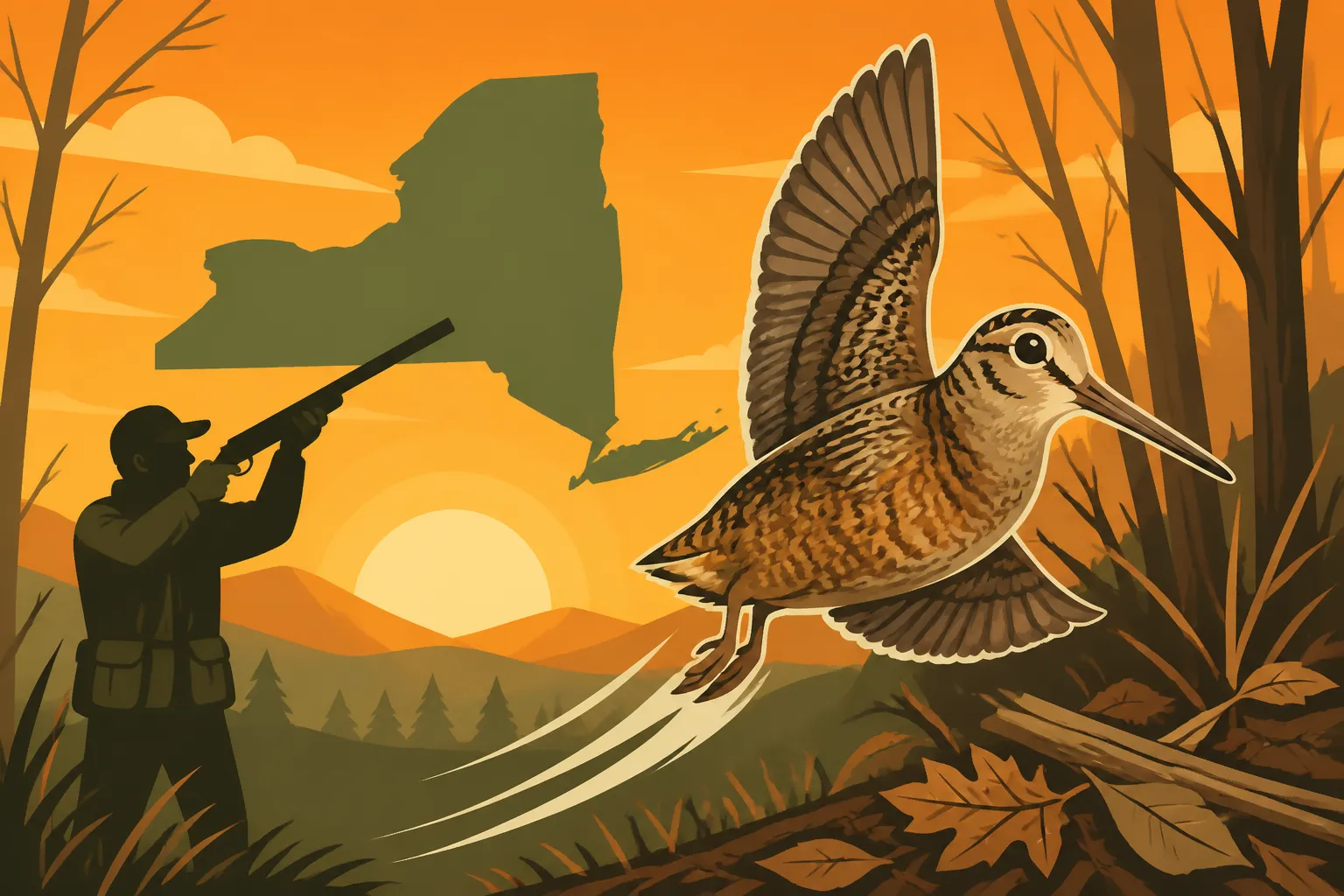
The good news for most New York upland enthusiasts is that the woodcock season tends to be quite consistent. Generally, you can expect New York's woodcock season to open in early to mid-October, usually around the second or third Saturday of the month. This timing is critical because it aims to coincide with the peak of the fall migration through the state. If you’re a serious upland hunter, you’re probably already marking your calendar for a window of about 45 days of hunting opportunity, give or take. This allows hunters to pursue these fascinating birds through much of the fall, often overlapping with early pheasant and grouse seasons, creating a fantastic mixed-bag opportunity. Keeping an eye on the official DEC announcements, perhaps through their website or the GoHunt app, is always the best practice to get the exact dates each year, but this general window provides a reliable starting point for planning your autumn adventures. For a broader overview of when other upland birds are fair game, you might want to read our guide on New York Small Game and Upland Bird Seasons.
How Migratory Bird Seasons are Determined
The process behind setting migratory bird seasons, including for species like woodcock, is quite a bit more complex than for resident game. It’s a collaborative effort, starting with federal agencies. The U.S. Fish and Wildlife Service, or USFWS, conducts extensive population surveys across North America for all migratory game birds. Based on these surveys, they establish frameworks that dictate the earliest and latest possible opening and closing dates, as well as maximum season lengths and bag limits, for different flyways. New York falls within the Atlantic Flyway, one of four major migratory bird corridors on the continent.
Once the federal frameworks are in place, the individual states, like New York, then decide where their specific seasons will fall within those federal parameters. The DEC takes into account local factors such as historical hunting pressure, hunter preferences, and specific woodcock migration timing through New York. They try to balance providing ample hunting opportunity with ensuring sustainable populations. This is why you’ll often see a consistent opening around mid-October; it’s when a good number of local birds are still present, and the influx of migratory birds from further north begins to really pick up. This careful planning ensures that the resource is managed responsibly for future generations of hunters.
Expected Opening Dates and Season Length
While the exact date can shift a day or two year-to-year, the general pattern for New York's woodcock season opening is remarkably stable. Most years, the season kicks off in the second or third week of October, typically a Saturday. For instance, in many recent years, it has opened around October 10th to October 15th. The season then generally runs for approximately 45 days, often closing sometime in late November or early December, depending on the specific calendar year and how the 45-day window aligns.
It's important to understand that woodcock seasons in New York are generally statewide for convenience, meaning you won't typically see different opening dates for the Southern Zone versus the Northern Zone, as you might for deer. This simplifies planning for hunters who might pursue woodcock across various parts of the state. However, conditions can vary widely across New York, so while the season might be open, the actual presence of birds can depend heavily on local habitat conditions and whether the main migration has pushed through your area yet. Knowing this consistent opening window allows you to get your gear ready and start scouting, so you’re prepared when the formal announcement is made. For specific dates that combine both woodcock and grouse, check out our detailed guide on New York Grouse and Woodcock Seasons.
Prime Habitat and Gear for Opening Day Success
Finding woodcock on opening day isn't just about showing up; it's about understanding where these unique birds prefer to hang out, especially when the leaves are still clinging to the branches and the weather hasn't turned truly cold. Woodcock are creatures of moist, young forest habitat, and focusing your efforts on these specific cover types will dramatically increase your chances of success. They love areas with soft, probe-able soil where they can easily insert their long bills to extract earthworms, their primary food source.
Early season hunting also requires particular gear choices. Unlike later in the fall when deep snow and frigid temperatures dictate much of your setup, October woodcock hunting means navigating slightly milder conditions, but still often wet and dense cover. Being properly equipped not only makes the hunt more enjoyable but also more productive and safe. From your shotgun to your footwear, every piece of gear plays a role in a successful early season woodcock outing.
Identifying Prime Woodcock Habitat Around Opening Day
Woodcock are often referred to as "timberdoodles" for a reason – they are found in timber, specifically young, regenerating forests with a dense understory. Around opening day in mid-October, when many leaves are still on the trees, focus on areas that provide this thick cover combined with moist, rich soil. Look for alder thickets, young aspen stands, and abandoned apple orchards that are starting to revert to brush. These areas often have an open understory that provides crucial escape cover from predators and dense overhead canopy to conceal them from raptors.
A key factor is the soil. Woodcock eat earthworms, so they need moist, soft ground to probe with their long bills. Low-lying areas near streams, beaver ponds, or swamps are prime candidates. Don't overlook old logging roads or clear-cuts that are 5-15 years old, as these areas often produce ideal conditions for woodcock to thrive. You’ll be looking for saplings, brush, and small trees that are close together, creating a "tunnel" effect. One effective strategy is to identify transition zones, where a mature hardwood forest meets one of these younger, brushier habitats. Woodcock will often use the edges, especially during low light conditions, before retreating to the thicker cover. The GoHunt app can be incredibly useful for pinpointing these habitat types on public lands, using satellite imagery to identify alder runs and young clear-cuts. If you're looking for even more specific details on where to find these birds, our article on Finding Woodcock in Alder Runs offers some excellent tips.
Essential Gear for Early Season Woodcock Hunting
When gearing up for early season woodcock in New York, practicality and comfort are your best friends. You’ll be walking through thick, often wet, brush, so durable, waterproof boots are non-negotiable. Look for boots with good ankle support, like a Danner or Irish Setter model, to navigate uneven terrain. Clothing should be tear-resistant, briar-proof, and allow for layering. Brush pants or chaps are a lifesaver, protecting your legs from thorns and wet vegetation. A lightweight upland vest with plenty of game bag space and shell loops is ideal for carrying calls, water, and your harvested birds.
For firearms, a fast-handling, open-choked shotgun is paramount. Woodcock flush quickly and erratically in tight cover, offering fleeting shots. A 20-gauge or 28-gauge over/under or semi-automatic with an Improved Cylinder or Skeet choke is a popular choice, allowing for wide patterns at close range. As for ammunition, light target loads or upland loads with 7.5 or 8 shot size are typically sufficient. You're not looking for long-range knockdown power; you need dense patterns for close-quarters flushes. A good pair of shooting glasses and hearing protection are also crucial, even in the excitement of a flush. Having a reliable GPS unit, or using a mapping app like GoHunt on your phone, can also be invaluable for navigating dense cover and marking prime spots or downed birds. For more on shotgun choices, consider checking out Upland Guns for Aspen and Alder and Shot Size for Grouse and Woodcock.
Navigating Regulations and Permitting for Woodcock
Hunting woodcock in New York isn't just about knowing when the season opens and where to find them; it also involves understanding the specific regulatory requirements. As migratory game birds, woodcock fall under a slightly different set of rules compared to resident game like deer or turkeys. This includes federal certifications in addition to your state hunting license. Overlooking these details can quickly turn a promising hunt into a frustrating, or even illegal, experience.
It’s crucial to be aware of what permits you need, what the daily and seasonal bag limits are, and the legal shooting hours. These rules are designed to ensure responsible hunting practices and the long-term health of the woodcock population. Staying informed and compliant means you can enjoy your hunt with peace of mind, knowing you’re contributing to sustainable wildlife management.
Licensing and Federal Requirements for Woodcock
Before you even think about stepping into the New York woods for woodcock, you need to ensure all your paperwork is in order. First and foremost, you must possess a valid New York State hunting license. This is your baseline requirement for hunting any game in the state. However, because woodcock are migratory birds, there are additional federal requirements that hunters must meet.
The most critical federal requirement is the Harvest Information Program (HIP) certification. This is a federal program that collects data on migratory bird hunters to better manage populations. It's not a separate stamp you purchase, but rather a certification process you complete when you buy your state hunting license, usually by answering a few questions about your previous year's migratory bird hunting activity. Without HIP certification, you cannot legally hunt woodcock or any other migratory game bird in New York. You also do not need a Federal Duck Stamp to hunt woodcock, as that specific stamp is required only for waterfowl (ducks, geese). Always carry proof of your current New York hunting license and HIP certification while in the field. The GoHunt app can often display digital copies of your licenses, but it’s always wise to have a physical copy or screenshot as backup, especially in areas with no cell service. Our detailed article on New York HIP Certification for Bird Hunters goes into more depth on this requirement.
Bag Limits and Legal Shooting Hours
Once your licenses and certifications are squared away, understanding the specific bag limits and legal shooting hours for woodcock in New York is the next crucial step. These regulations ensure fair chase and sustainable harvest.
For woodcock in New York, the daily bag limit is typically 3 birds. This means you can harvest no more than three woodcock in a single day. The possession limit, which is the maximum number of birds you can have in your possession (including those from previous hunts), is usually three times the daily bag limit, so 9 birds. These limits are fairly consistent across the Atlantic Flyway and are designed to prevent overharvesting of a species that can be vulnerable during migration.
Regarding legal shooting hours, woodcock, like most migratory game birds, can typically be hunted from one-half hour before sunrise until sunset. This generous window allows hunters to take advantage of both early morning and late evening flushes, which can be productive times as birds move to and from feeding areas. Always consult the official DEC regulations guide for the current year to confirm these times, as they can occasionally be adjusted. You can often find a table of sunrise/sunset times adjusted for your specific region in the annual hunting guide. Always double-check your local sunrise/sunset tables to ensure you are within the legal window, as it changes daily. For a general overview of legal shooting hours for various game, you can refer to our guide on New York Legal Shooting Hours.
| Aspect | Detail |
|---|---|
| Typical Opening | Early to Mid-October (Second or Third Saturday) |
| Season Length | Approximately 45 days |
| Daily Bag Limit | 3 woodcock |
| Possession Limit | 9 woodcock |
| Shooting Hours | One-half hour before sunrise to sunset |
| Required License | New York State Hunting License + HIP Certification |
| Federal Stamp | Not required (Federal Duck Stamp is for waterfowl only) |
Maximizing Your Early Season Hunt
Opening day of woodcock season, especially in New York, presents a unique set of challenges and opportunities. The weather can be fickle, migration patterns are constantly shifting, and the dense cover can make finding these camouflaged birds a true test of skill. To truly maximize your early season hunt, you need to be adaptable and understand the subtle cues that indicate where woodcock might be holding. It's about more than just walking through the woods; it's about anticipating bird movement and employing tactics that are effective in the often-thick cover characteristic of woodcock habitat.
From reading weather fronts that push new birds into the state to knowing how to effectively work dense alder thickets, a thoughtful approach can turn a slow morning into a memorable hunt. Whether you hunt with a dog or prefer to walk up birds, having a strategy tailored to early season conditions will significantly improve your chances of putting a few timberdoodles in the bag.
Reading Weather and Migration Patterns
Woodcock are highly susceptible to weather changes, which directly influence their migration patterns and, consequently, their presence in New York. Around the mid-October opening, you'll want to pay close attention to cold fronts sweeping down from Canada. These fronts often bring cooler temperatures and northerly winds, which act as a powerful trigger for birds to move south. A few days after a significant cold front passes through, especially one that brings freezing temperatures further north, you can often find a fresh influx of migratory woodcock in New York.
Conversely, extended periods of warm, stable weather can delay the migration, meaning fewer birds might be present early in the season, or they might be more scattered. Heavy rain, particularly preceding a cold snap, can make the ground saturated and perfect for probing, drawing birds into specific areas. Keep an eye on regional weather forecasts, not just for your hunting location, but for areas north of New York. Understanding these large-scale weather patterns can give you a significant advantage, helping you decide when and where to focus your efforts for the best chance at encountering a "flight" of new birds. Scouting tools on the GoHunt app can also help you identify habitat types that would be ideal holding spots after a weather change.
Tactics for Flushing Birds in Dense Cover
Hunting woodcock in New York, particularly early in the season, often means navigating incredibly dense cover. These birds are masters of camouflage and will hold tight, relying on their drab plumage to blend in with fallen leaves and undergrowth. Whether you hunt with a dog or prefer to still-hunt, specific tactics will boost your success.
If you have a pointing dog, this is where they truly shine. A good woodcock dog will systematically work through thickets, lock up on point, and allow you to get into a shooting position before the bird flushes. Encourage your dog to work slowly and thoroughly, particularly in alder bottoms and young aspen stands. If you’re hunting without a dog, a slower, more deliberate approach is key. Don’t rush. Walk in a zig-zag pattern, pausing frequently. These pauses often make a bird nervous and cause it to flush, giving you a shot. Focus on breaking through the densest patches of cover; don't just walk the edges. Woodcock often prefer the deepest, most tangled spots. When a bird flushes, remember it will often fly straight up initially before leveling off. Be prepared for a quick, overhead shot. Keeping your shotgun mounted and ready to swing is paramount. You might also find it beneficial to explore tactics for Hunting Grouse and Woodcock Together, as they often share similar cover.
Disclaimer
The information provided in this article is for general guidance and informational purposes only. Hunting regulations, season dates, and licensing requirements are subject to change by the New York State Department of Environmental Conservation (DEC) and federal authorities. Always consult the most current official New York State Hunting and Trapping Regulations Guide, available through the DEC website or authorized vendors, before planning and engaging in any hunting activities. It is the hunter's responsibility to know and obey all applicable laws and regulations.