New York Special Youth Hunt Windows
It can feel like a real challenge to introduce young people to the world of hunting. The regular seasons are often crowded, and the sheer volume of regulations can be intimidating for both new hunters and their mentors. That's why New York's special youth hunt windows are such a gift – they provide dedicated, less-pressured opportunities for the next generation to learn and experience the outdoors. This guide will walk you through these crucial youth seasons, helping you understand the rules, the timing, and how to make the most of these invaluable experiences.
Understanding the Purpose of New York's Youth Hunts
Let's be honest, getting kids excited about hunting and keeping them engaged can be tough in today's fast-paced world. Between school, sports, and all the digital distractions, finding dedicated time for the woods often falls by the wayside. That's exactly where New York's special youth hunt windows shine. These seasons aren't just arbitrary dates on a calendar; they're strategically designed to foster a love for hunting in the next generation by reducing pressure and maximizing the learning experience.
Why Special Seasons Exist for Young Hunters
The primary goal behind these youth-specific hunting opportunities is to recruit, retain, and reactivate (R3) hunters. The Department of Environmental Conservation (DEC) understands that the future of conservation, funding, and hunting traditions rests squarely on the shoulders of today's youth. By offering seasons that precede the general opener, they create an environment where young hunters can enjoy the woods with fewer competitors, making for a more relaxed and often more successful outing. It's a chance for kids to focus on the hunt, the wildlife, and the mentorship without the added stress of a crowded landscape or the intensity of a regular season's opening day.
The Invaluable Role of Mentorship
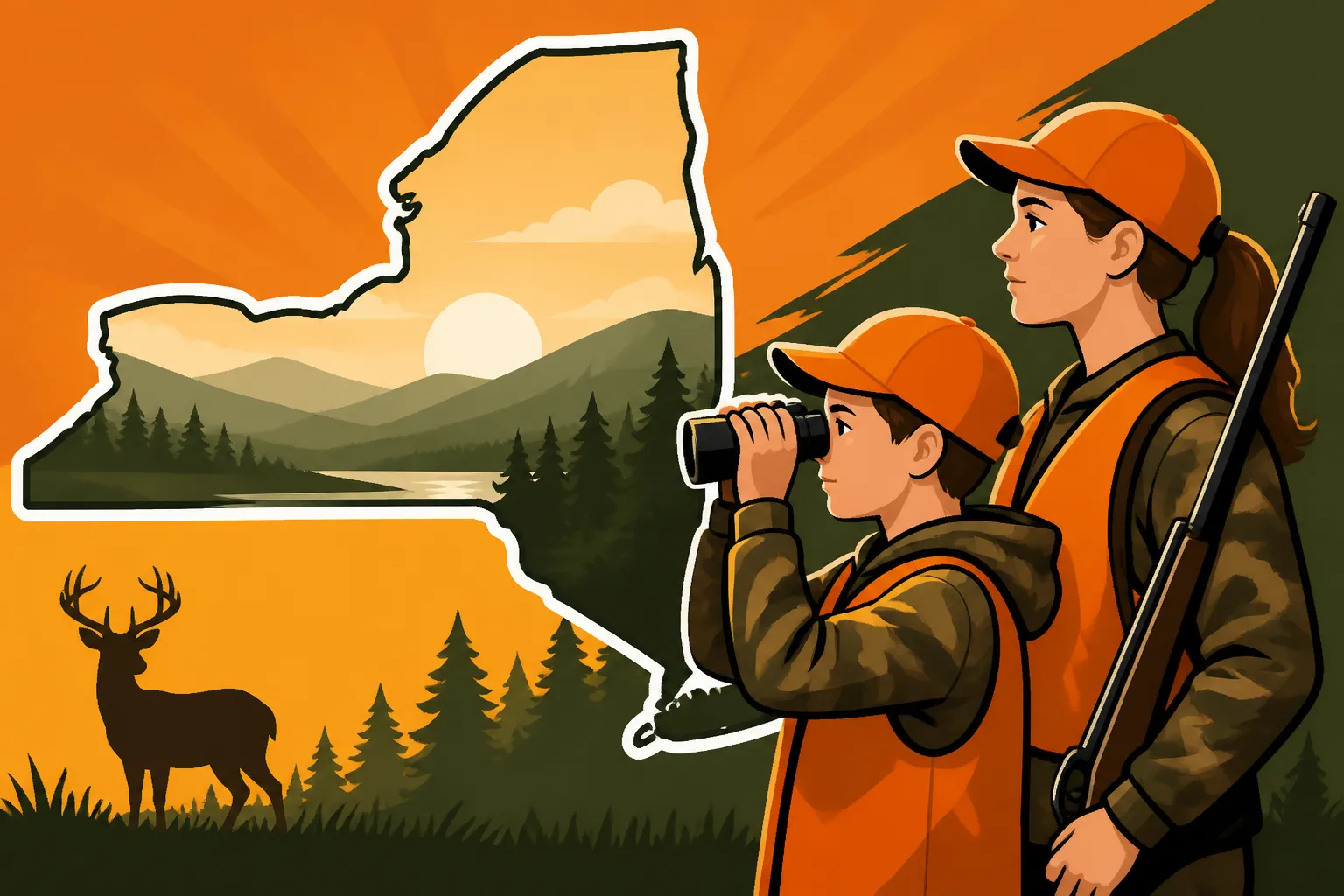
These youth hunts are fundamentally built around the concept of mentorship. It's not just about an adult accompanying a child; it's about active teaching, guidance, and sharing wisdom. A mentor during a youth hunt is an unarmed, licensed adult hunter who is responsible for the safety, ethical conduct, and education of the young hunter. This means more than just walking alongside them. It means patiently explaining deer sign, demonstrating proper gun handling, teaching shot placement, and instilling a deep respect for wildlife and the land.
Imagine sitting in a blind with a young hunter during the youth deer weekend. You're not just waiting for a deer; you're whispering about the wind direction, identifying bird calls, pointing out subtle rubs on trees, and discussing why a deer might choose one travel corridor over another. The harvest is a bonus; the real prize is the shared experience and the knowledge transferred. This direct, hands-on teaching is paramount for developing responsible, skilled hunters, and these special seasons provide the perfect, low-stress environment for it.
New York's Youth Deer Hunting Weekend Specifics
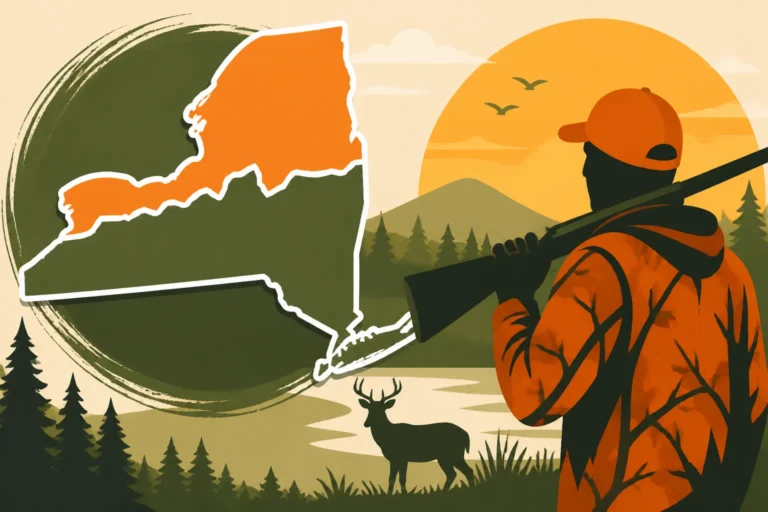
The special youth deer hunt weekend is often one of the most anticipated events for young hunters and their mentors in New York. It’s a dedicated time, usually in mid-October, when only eligible youth hunters, accompanied by their adult mentors, can pursue deer. This unique window provides an invaluable opportunity, especially in the Southern Zone, to introduce new hunters to deer hunting before the larger crowds descend during the regular firearm season.
Timing and Eligibility for the Youth Deer Hunt
Typically, New York designates a specific Saturday and Sunday in October for this youth-only deer season. For instance, in recent years, it has fallen around the Columbus Day weekend, offering a beautiful autumn backdrop for the hunt. This special weekend is primarily for the Southern Zone, where deer populations are robust and antlerless opportunities are often plentiful. The Northern Zone usually does not have a separate youth deer hunt, as its regular season calendar is structured differently. To ensure you have the most up-to-date dates, always consult the current New York State Hunting and Trapping Regulations Guide.
Eligibility is key here. Generally, youth hunters aged 12 to 15 are allowed to participate, provided they possess a valid junior hunting license and the necessary deer tags. The specific age range can sometimes vary slightly depending on the implement used and any recent regulatory changes, so confirming with the DEC regulations is crucial. For example, some younger hunters might be restricted to specific implements or require more direct supervision than slightly older youth.
Rules for Mentors, Implements, and Bag Limits
The mentor’s role is strictly defined: an adult, New York State licensed hunter (21 years or older) must accompany the youth. This mentor must be unarmed and remain in proximity to the young hunter, typically within a specified distance, ensuring direct supervision and guidance. The idea is for the youth to be the primary hunter, making decisions and taking the shot under careful observation. This allows the mentor to focus entirely on safety and instruction. You can find more details on these guidelines in the New York Mentored Youth Hunting Rules.
During the youth deer hunt, eligible implements generally include shotguns, muzzleloaders, and bows or crossbows, aligning with the general firearm and archery rules for deer in the Southern Zone. Rifles, however, are typically not permitted during the youth hunt weekend, as they are restricted in many parts of the Southern Zone even during the regular season. For specific rules regarding crossbows, you might want to check out information on Crossbow Rules During New York Archery Season. As for ammunition, standard shotgun slugs or broadheads for archery are the norm.
The bag limit for the youth deer hunt is usually one deer, which can be either antlered or antlerless. This is a fantastic opportunity for a young hunter to harvest their first deer without the pressure of antler restrictions. While many of the state's Wildlife Management Units (WMUs) have antler point restrictions for adult hunters, these typically do not apply during the youth deer hunt, making it simpler for a young hunter to fill their tag. However, it's always wise to check the specific WMU you plan to hunt within the official regulations, especially if you're exploring options with resources like GoHunt to scout potential locations and verify local rules. Knowing the New York Antler Restriction Wildlife Units can help you understand where these rules normally apply, even if not for the youth hunt.
Spring Turkey Youth Hunt Weekend Specifics
Just like with deer, New York offers a fantastic opportunity for young hunters to get out for spring turkeys before the general season officially opens. This special youth turkey hunt is a treasured tradition that allows kids to experience the thrill of calling in a gobbler in a less competitive environment, setting the stage for a lifetime of spring turkey hunting.
When and Where Young Turkey Hunters Can Shine
The youth turkey hunt typically takes place the weekend immediately preceding the statewide regular spring turkey season opener. This means young hunters get a two-day head start, usually the last weekend of April, giving them first crack at gobblers that haven't yet been pressured by a multitude of hunters. This early window provides an unparalleled opportunity to encounter vocal, less wary birds.
This youth hunt is generally statewide, meaning it applies across both the Northern and Southern Zones where spring turkey hunting is permitted. However, it's crucial to consult the current DEC regulations for any specific area closures or modifications, as rules can sometimes change or be localized. Public lands, from state forests to Wildlife Management Areas, offer excellent opportunities, but scouting beforehand is key. Tools like GoHunt can be incredibly useful for analyzing terrain, identifying potential roosting sites, and understanding access points on public ground before the hunt begins.
Rules for Mentors, Equipment, and Bag Limits
Similar to the youth deer hunt, strict mentorship rules apply. An adult (21 years or older) who holds a valid New York State hunting license and a current turkey permit must accompany the youth. The adult mentor must be unarmed, meaning they cannot carry a firearm or bow while mentoring. Their role is purely supervisory and instructional, focusing on the youth's safety and success. They must remain close enough to the youth to provide direct supervision and effective communication, ensuring that the young hunter understands and follows all safety protocols and hunting regulations. For a refresher on general turkey rules, you can consult the New York Spring Turkey Season Rules.
When it comes to equipment, youth hunters can use shotguns or bows for spring turkeys. For shotguns, the legal shot sizes are typically limited to No. 2, No. 4, No. 5, No. 6, or No. 7½ shot. Modern turkey loads, often featuring dense tungsten shot, are highly effective within these parameters. It's always a good idea to pattern the youth's shotgun well in advance with their chosen load to understand its effective range. If using a bow, standard archery equipment and broadheads are permitted.
The bag limit for the youth turkey hunt is one bearded bird. This means the young hunter can harvest a gobbler or a jake, but hens are protected during the spring season. This one-bird limit applies to the youth hunt weekend and counts towards the overall statewide spring limit. Harvesting a bird on this special weekend is an incredible accomplishment for a young hunter, often creating a memory that lasts a lifetime. The excitement of hearing a gobbler thunder on the roost, then working it in with calls, is an experience that truly connects kids to the wild. You might find some useful tactics by exploring resources on Calling a New York Gobbler Off the Roost.
General Rules and Best Practices for Successful Youth Hunts
Participating in New York's special youth hunt windows is about much more than just the opportunity to harvest an animal; it's about building foundational skills, instilling ethical values, and creating cherished memories in the outdoors. To make these experiences as positive and safe as possible, there are several key rules and best practices that every mentor and young hunter should embrace.
Essential Licensing, Education, and Safety Requirements
First and foremost, every young hunter in New York needs to complete a mandatory hunter education course. This is a non-negotiable step for obtaining their first hunting license. The course covers critical aspects of firearm safety, ethics, wildlife identification, and conservation principles. You can find comprehensive information on the New York Hunter Education Requirements to ensure your young hunter is properly certified. Once certified, they will need to purchase a junior hunting license and the appropriate tags (deer or turkey permit). These are often available at a reduced cost compared to adult licenses, making it more accessible for families.
Safety is paramount, especially when introducing firearms or archery equipment to young hands. New York law requires specific blaze orange or blaze pink requirements during certain firearm seasons, including the youth deer hunt. While turkey hunting often has different guidelines regarding orange, it's always wise to incorporate some form of highly visible clothing when walking in or out, especially on public land. Refer to the New York Blaze Orange Requirements for full details. Mentors must constantly reinforce safe gun handling, responsible shot placement, and adherence to legal shooting hours, which you can look up in New York Legal Shooting Hours.
Strategic Scouting, Patience, and Post-Harvest Duties
Success in youth hunting, like all hunting, often boils down to preparation. This means scouting! Taking the young hunter out before the season to identify potential feeding areas, travel corridors, or turkey roosts can dramatically increase their chances and build excitement. Using tools like GoHunt or the state's New York HuntFishNY Map Tool to study aerial photos, topography, and public land boundaries can be a fun and educational pre-hunt activity. It teaches them to read the landscape and anticipate animal movement, rather than just wandering aimlessly.
Patience is a virtue, especially when hunting with kids. The goal isn't just a kill; it's the experience. Let them ask questions, point out things they see, and even get bored for a bit. Bring snacks, drinks, and be ready to adapt. If the weather turns, or the deer aren't moving, don't push it. Making it a positive experience will ensure they want to go again next year. Focus on the learning, the quiet moments, and the connection with nature. Remember, you're building a foundation for a lifelong passion.
After a successful harvest, the learning continues. This includes teaching the young hunter how to properly field dress the animal, track it if necessary, and report the harvest to the DEC. Reporting is a legal requirement and provides vital data for wildlife management. You can learn more about this process via Reporting a New York Deer Harvest Online. This entire process, from scouting to reporting, provides a comprehensive lesson in responsible hunting and wildlife stewardship. It's about teaching them to respect the animal, understand its biology, and appreciate the sustenance it provides.
Table: New York Special Youth Hunt Window Overview
| Hunt Type | Typical Dates | Eligible Youth Age | Mentor Requirement | Bag Limit | Legal Implements |
|---|---|---|---|---|---|
| Youth Deer Weekend | Mid-October (Southern Zone) | 12-15 | 21+ Licensed Hunter, Unarmed, Direct Supervision | 1 Deer (Antlered/Antlerless) | Shotgun, Muzzleloader, Bow, Crossbow |
| Youth Turkey Weekend | Last Weekend of April | 12-15 | 21+ Licensed Hunter (with Turkey Permit), Unarmed, Direct Supervision | 1 Bearded Bird | Shotgun (No. 2, 4, 5, 6, 7.5), Bow |
Remember, this table provides a general overview. Always check the official New York State Hunting and Trapping Regulations Guide for the most current dates and rules, as they can be subject to change each season.
Disclaimer
The information provided in this guide is intended for general informational purposes only and does not constitute legal advice. Hunting regulations in New York State can be complex and are subject to change. Always consult the most current official New York State Hunting and Trapping Regulations Guide published by the Department of Environmental Conservation (DEC) or contact the DEC directly for definitive rules, dates, and requirements before planning any hunting activity. Failure to comply with regulations can result in fines, penalties, and loss of hunting privileges.