New York Antler Restriction Wildlife Units
Hunting deer in New York can sometimes feel like navigating a dense thicket of regulations, especially when it comes to antler restrictions. It's frustrating to dedicate time and effort to scouting and hunting, only to be unsure if the buck you're looking at is even legal to harvest. This comprehensive guide will untangle the complexities of New York's Antler Restriction Wildlife Units (WMUs), clarifying where these rules apply, what they mean for your hunt, and how to confidently pursue deer within these specialized management areas.
Understanding New York's Antler Restriction Rules
Antler restrictions are a topic that often sparks lively debate around New York hunting camps, and for good reason. They represent a significant shift in deer management strategy, moving beyond simply controlling population numbers to actively shaping the age structure of the buck herd.
What Are Antler Restrictions and Why Do We Have Them?
At its core, an antler restriction (AR) is a specific regulation that requires an antlered deer to possess a minimum number of points on at least one side of its rack to be legally harvested. This isn't just about growing bigger antlers for bragging rights, though that can be a welcome side effect. Instead, ARs are primarily a tool used in Quality Deer Management (QDM) to foster a healthier, more balanced deer herd. The main goal is to allow a higher proportion of younger bucks, specifically yearling (1.5-year-old) bucks, to survive another year or two and reach an older age class.
Think about it: in many areas without ARs, yearling bucks are often the first to be harvested because they're less experienced and easier to encounter. This can lead to a buck population heavily skewed towards these younger age classes, resulting in a less natural breeding cycle and a potential imbalance in the buck-to-doe ratio. By implementing ARs, the New York State Department of Environmental Conservation (NYSDEC) aims to shift this dynamic, allowing more bucks to mature into 2.5, 3.5, and even 4.5-year-olds. This contributes to a more natural breeding season, where older, more dominant bucks are present to participate, and can lead to a healthier overall herd with improved genetic expression. It’s a strategy focused on long-term ecological benefits and, hopefully, enhanced hunting experiences.
General Antler Regulations in New York
Before we dive into the specifics of AR units, it’s helpful to understand New York’s general antlered deer regulations. Statewide, outside of designated AR units, an antlered deer is typically defined as any deer with at least one antler three inches or longer. This means that if you’re hunting in a non-AR WMU, a buck with just one short spike, as long as it measures three inches or more, is considered a legal deer. This is the baseline rule that many hunters are familiar with, and it’s a stark contrast to the more stringent requirements found in antler-restricted areas.
The definition of a "point" is also critical to understand, especially when you're trying to count them in the field. In New York, a point is generally defined as any projection on an antler that is at least one inch long, measured from the base of the projection to its tip. The main beam itself is counted as a point, and then any tines that branch off that main beam, meeting the one-inch length requirement, are also counted. This definition is crucial for hunters in AR units, as accurately assessing the number of points on a buck is the difference between a legal harvest and a potential violation. It forces a more careful, deliberate assessment before pulling the trigger or releasing an arrow, making positive identification paramount.
Identifying Antler Restriction Wildlife Management Units (WMUs)
Antler restrictions are not applied uniformly across the entire state of New York. Instead, they are specific to certain Wildlife Management Units, often implemented in regions where deer populations are robust and the DEC aims to improve age structure. Knowing which WMUs have these rules is the first step to hunting responsibly.
The Current List of Antler Restriction WMUs
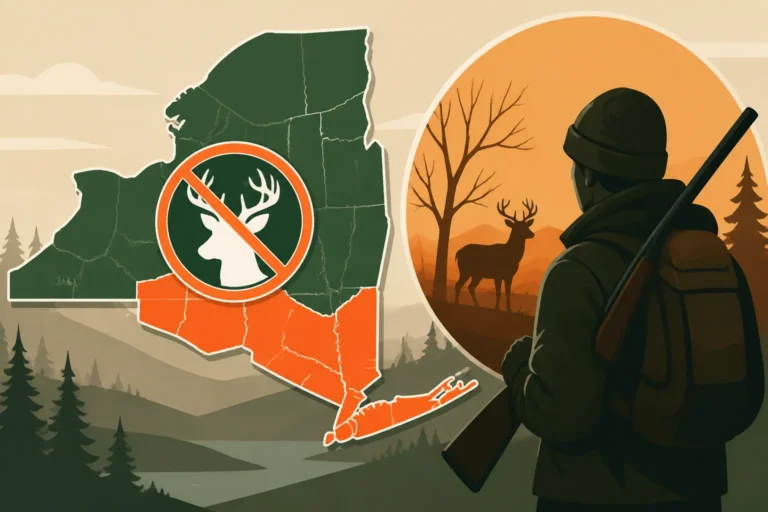
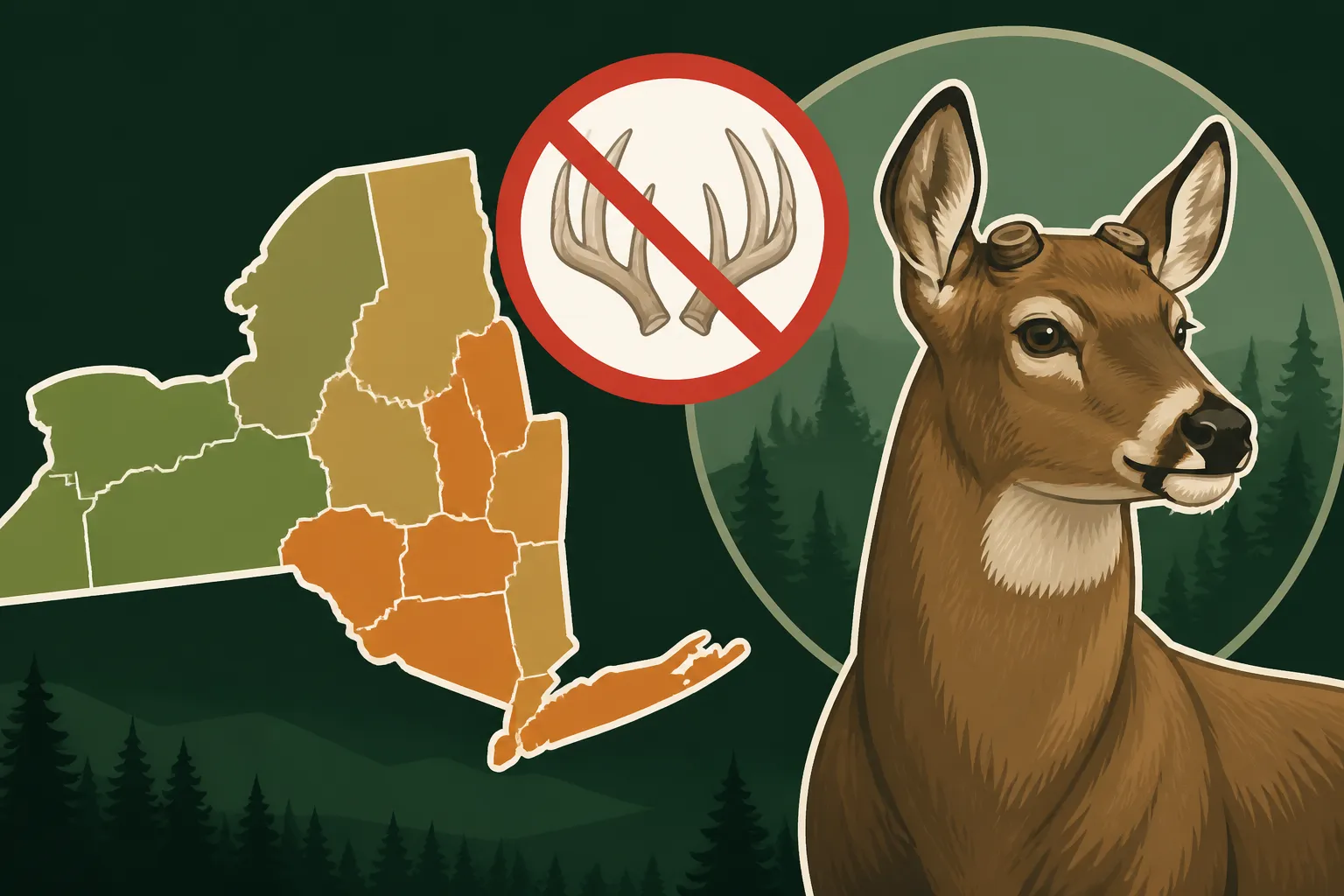
The NYSDEC has designated specific WMUs where antler restrictions are in effect for all regular season deer hunting, which includes bow, muzzleloader, and regular firearms seasons. These are primarily concentrated in the central and western parts of the state, particularly within the Southern Zone, where deer populations are dense and agricultural landscapes provide ample habitat. The currently designated Antler Restriction WMUs include: 3A, 4G, 4O, 4P, 4R, 4S, 5R, 6A, 6F, 6K, 7A, 7F, 7H, 7J, 8A, 8F, 8G, 8H, 8J, 8M, 8N, 8P, 8R, 9A, 9F, 9G, 9H, 9J, 9K, and 9P.
As you can see, this covers a significant portion of New York's prime deer hunting grounds. These units were often chosen based on deer population metrics, hunter density, and the DEC's assessment of where QDM strategies would be most effective. Many of these WMUs are characterized by a mix of woodlots, fields, and suburban fringe, areas where antlerless harvest is often also encouraged through abundant New York Deer Management Permits Explained. Understanding the geographical spread helps hunters plan their season, whether they're targeting a specific region or just happen to live within an AR zone.
How to Confirm ARs for Your Hunting Area
Given that regulations can change from year to year, it is absolutely critical to confirm the specific rules for your intended hunting area before you head out. Relying on outdated information or hearsay is a surefire way to run into trouble. Always make it a habit to double-check the current regulations annually, even if you’ve hunted the same WMU for years.
The most reliable source for up-to-date information is the official NYSDEC Hunting & Trapping Regulations Guide. This guide is available as a free PDF download on the DEC website and is also printed and distributed through license vendors. Pay close attention to the maps and text outlining the specific WMUs and their associated rules. Additionally, the New York HuntFishNY app is an excellent digital resource that provides direct access to regulations and often includes interactive maps showing WMU boundaries. For hunters who rely on mapping technology, platforms like GoHunt can be invaluable. These tools often allow you to overlay WMU boundaries and can sometimes even highlight areas with specific regulations, helping you visualize where the antler restrictions apply on the landscape. Make sure to cross-reference multiple sources if you have any doubt, and remember that Scouting New York Public Land Before Season isn't just about finding deer sign, but also confirming your understanding of the local rules.
Navigating the Specifics of ARs in New York
Once you know you're hunting in an antler-restricted WMU, the real challenge begins: understanding what exactly constitutes a legal buck and how these rules should influence your hunting tactics. This requires patience, a keen eye, and a solid grasp of the regulations.
Defining a Legal Buck in AR Units
For most antler-restricted WMUs in New York, a legal antlered deer must have at least three points on one side of its antlers, with each point measuring at least one inch in length. This is the golden rule you need to commit to memory. This means a buck with a 3×3 rack (three points on each side), a 3×4, a 4×3, or a 4×4 would all be legal, as long as one side has at least three distinct, one-inch points. A spike buck, or a buck with only two points on each side, would be illegal if it doesn't meet the three-point minimum on at least one beam. It's a precise definition that demands careful observation, especially during the fast-paced action of a deer encounter.
There are, however, important exceptions to these rules. Most notably, junior hunters (ages 12-16) are typically exempt from antler restrictions statewide. This exemption is designed to encourage youth participation in hunting by reducing some of the complexity and pressure associated with precise antler identification. Additionally, hunters holding a Deer Management Assistance Program (DMAP) tag specifically for antlered deer may also be exempt from ARs, as these tags are issued for targeted management purposes. Always confirm these exceptions in the annual regulations. It's also vital to clarify the status of "button bucks." While generally considered antlerless deer in many contexts, if a "button buck" possesses antlers that exceed the definition of an antlerless deer but fail to meet the AR point minimum, it could technically be considered an illegal buck if harvested in an AR unit. When in doubt, let it walk, or be absolutely certain of your target's antler configuration. If you're a new hunter, make sure to take New York Hunter Education Requirements seriously, as they cover these critical identification skills.
Impact on Hunter Harvest and Strategy
Antler restrictions inevitably change how hunters approach their season. The most immediate impact is the need for greater patience and target identification skills. Instead of simply looking for "horns," hunters in AR units must now carefully count points, often under less-than-ideal conditions. This leads to many hunters consciously passing on younger bucks that would have been legal in non-AR areas. This deliberate restraint is precisely what the DEC aims for, allowing those younger bucks to contribute to a more balanced herd age structure.
This shift in mindset can also influence broader hunting strategies. For instance, during a deer drive on New York Public Hunting Land in New York, hunters posting on stands need to be even more vigilant about quickly and accurately assessing antler configurations as deer move through the woods. Similarly, still-hunting tactics might become more focused on observing deer for longer periods to ensure legality before making a move. Many hunters report that ARs make them more observant of the entire deer herd, not just the bucks, leading to a deeper appreciation for deer behavior and habitat use. The added challenge encourages hunters to develop their skills and can ultimately lead to more rewarding encounters with older, more mature deer, especially during times like Hunting the New York Rut in November.
The Goals and Debates Surrounding Antler Restrictions
Antler restrictions are a prominent feature of modern deer management, born from a desire to improve more than just deer numbers. However, like any significant regulation, they come with both strong scientific backing and passionate debate among the hunting community.
DEC's Rationale for Implementing ARs
The primary driver behind the DEC's implementation of antler restrictions is a commitment to quality deer management, specifically aiming to improve the age structure of the buck population. In many areas, traditional hunting practices often led to a high harvest rate of young, yearling bucks, leaving a skewed population dominated by females and very young males. By requiring bucks to have a minimum number of points, the DEC effectively gives those younger bucks a "pass" to survive another year or two. This results in a higher proportion of 2.5-year-old and older bucks in the herd. These older bucks are typically larger, more robust, and contribute to a more natural and effective breeding cycle.
Beyond just age, a healthier age structure can also lead to more balanced buck-to-doe ratios, particularly if hunters, by passing on young bucks, shift some of their harvest effort towards antlerless deer. A more balanced ratio can lead to a more condensed and competitive rut, which has biological benefits for the herd. From a hunter satisfaction perspective, while initially controversial, many hunters in AR units eventually report seeing more mature deer, exhibiting more natural rutting behaviors, and experiencing a different, often more challenging and rewarding, style of hunting. The DEC uses extensive data on New York Deer Population Estimate and harvest trends to justify and monitor the effectiveness of these regulations.
Common Criticisms and Hunter Perspectives
Despite the scientific basis and positive outcomes reported in some areas, antler restrictions are not without their critics and provoke considerable discussion among New York hunters. One common frustration revolves around the perceived difficulty of accurately counting points in the field, especially under low light conditions, through thick brush, or when a deer is moving quickly. The fear of making an illegal harvest is a genuine concern, and a mistake can lead to significant penalties. This can cause undue stress and anxiety for hunters who simply want to comply with the law.
Another point of contention is the "accidental antlerless kill" scenario. Imagine you're hunting in an AR unit, focus on what you believe to be a doe, only to discover after the shot that it's a small-antlered buck that doesn't meet the point requirements. While these situations are typically handled on a case-by-case basis by the DEC, they highlight the challenge of positive identification and the pressure hunters face. Some hunters also feel that ARs promote a "trophy hunting" mentality, even if the DEC's stated goals are broader. For new or less experienced hunters, the added layer of complexity can be intimidating, potentially creating a barrier to entry into the sport. It's a balancing act for wildlife managers to implement regulations that serve biological goals while also considering the practical realities and diverse perspectives of the hunting community.
How ARs Affect Deer Management Beyond the Harvest
Antler restrictions don't operate in a vacuum; their effects ripple through the entire deer management framework, influencing everything from population dynamics to future regulatory decisions. Understanding these broader implications helps shed light on the DEC's long-term vision.
Influence on Deer Population Dynamics
While the most direct effect of antler restrictions is on the age structure of the buck population, these regulations also have indirect but significant impacts on overall deer population dynamics. When hunters in AR units pass on younger bucks, many will naturally shift their harvest pressure towards antlerless deer, often utilizing additional New York Deer Management Permits Explained to fill their freezers. This can be a beneficial outcome, as effective doe harvest is critical for managing overall deer density and preventing overpopulation in many areas. By encouraging the harvest of more does, ARs can indirectly help to balance the sex ratio of the herd and ensure that the population remains within the carrying capacity of the habitat.
Furthermore, allowing bucks to reach older age classes can lead to physical improvements in the deer themselves. Older bucks tend to be larger-bodied, more robust, and better equipped to handle the rigors of the rut and winter. While ARs don't directly select for "superior" genetics (antler quality is influenced by age, nutrition, and genetics), they do ensure that more bucks have the opportunity to express their full genetic potential for antler growth simply by surviving longer. This contributes to a healthier, more resilient deer population, which can be seen in improved Deer Density by New York Wildlife Unit in some regions.
Future Outlook for New York's Antler Restrictions
The New York State DEC continuously monitors the effectiveness of antler restrictions, just as they do with all wildlife management strategies. These regulations are not immutable; they are based on ongoing research, harvest data, population surveys, and crucially, hunter feedback. If current AR units show positive trends in buck age structure, herd health, and hunter satisfaction, there's always the possibility of the DEC considering expanding ARs to additional WMUs. Conversely, if data indicates unforeseen negative consequences or widespread, sustained hunter dissatisfaction, the DEC may consider modifying or even removing ARs in certain areas. Organizations like GoHunt can provide valuable data insights from hunters on the ground, contributing to these ongoing evaluations.
Ultimately, the future of antler restrictions in New York will depend on their continued success in meeting biological objectives and maintaining acceptable levels of hunter support. Accurate and timely Reporting a New York Deer Harvest Online is paramount for this process, as harvest data is a primary tool the DEC uses to assess the health and structure of the deer herd. Hunters play a vital role not only in adhering to the regulations but also in providing the data necessary for informed future decisions. As wildlife management evolves, so too might the specifics of antler restrictions, always with the goal of ensuring a healthy deer population and a sustainable hunting heritage in New York.
| WMU (Example) | Antler Restriction Rule | General Description | Target Deer Age (Bucks) |
|---|---|---|---|
| 3A, 4G, 8A | At least 3 points on one side | Southern Zone WMUs with established ARs | 2.5 years and older |
| 5R, 6K, 9P | At least 3 points on one side | Central/Western New York WMUs with ARs | 2.5 years and older |
| 4F, 8S (No AR) | At least 1 antler 3" long | Standard statewide regulation | Any legal buck |
| 5C, 9K (No AR) | At least 1 antler 3" long | Standard statewide regulation | Any legal buck |
Disclaimer
The information provided in this guide is for general informational purposes only and is not a substitute for the official New York State Department of Environmental Conservation (NYSDEC) hunting regulations. Hunters are responsible for knowing and adhering to all current laws and regulations. Always consult the official NYSDEC Hunting & Trapping Regulations Guide for the most up-to-date and complete information before hunting. Regulations can change, and it is your responsibility to verify them.