New York CWD Prevalence in Wild Deer
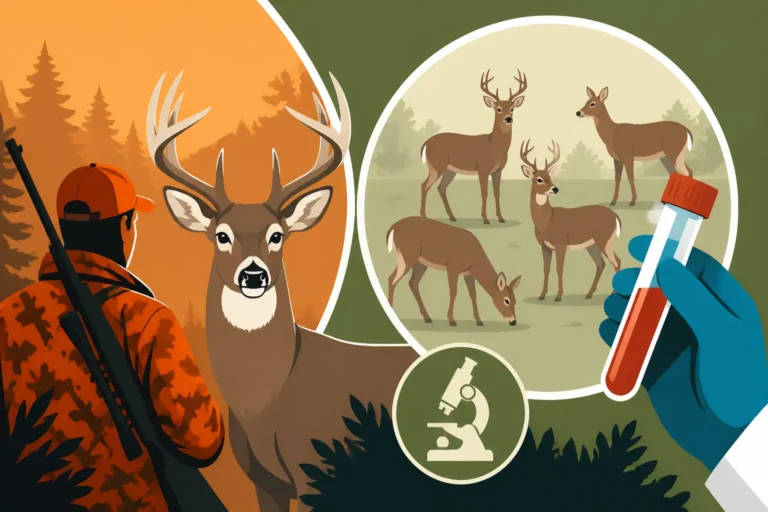
For New York hunters, few topics spark as much anxiety and serious discussion as Chronic Wasting Disease (CWD). The thought of this devastating neurological disease impacting our wild deer herd is a heavy one, and it's completely understandable to feel concerned about its potential spread and what it means for the future of hunting. This guide will delve into New York's current CWD situation, explaining its prevalence in wild deer, the extensive monitoring efforts in place, and what every hunter needs to know to protect our cherished resources.
Understanding Chronic Wasting Disease
Chronic Wasting Disease (CWD) is a neurological illness affecting deer, elk, and moose. It's caused by abnormal proteins called prions, and unfortunately, once an animal contracts CWD, it is always fatal. There’s no known cure, and the prions can persist in the environment for a very long time, making it a particularly challenging disease to manage. As hunters, we all have a vested interest in keeping our deer herd healthy, and CWD represents one of the most significant long-term threats to that health.
How CWD Spreads and Its Impact
CWD is transmitted through direct animal-to-animal contact, or indirectly through contact with saliva, urine, feces, and carcasses of infected animals. The prions can contaminate soil, plants, and even feed and water sources, creating a persistent environmental reservoir. This is why it's such a nightmare for wildlife managers; once established in a wild population, it's incredibly difficult to eradicate. Imagine hunting your favorite spot, only to know that CWD prions might be lingering in the soil, potentially infecting the next generation of deer. It's a sobering thought.
The disease slowly degrades the animal's brain, leading to a host of debilitating symptoms over months or even years. Infected deer often display noticeable changes in behavior, including severe weight loss (hence "wasting"), stumbling, drooling, excessive thirst, and a lack of fear of humans. These symptoms can be distressing to witness, and for the overall herd, the long-term impact on population health and hunter opportunity could be severe if the disease were to become widespread.
Why New York Takes CWD So Seriously
New York has a robust deer herd and a proud hunting tradition, which means protecting it from threats like CWD is paramount. The state has invested heavily in surveillance, testing, and public education to prevent CWD from taking root in its wild populations. The vigilance stems from understanding the catastrophic impacts CWD has had in other states where it became established, leading to drastic herd reductions, complex management strategies, and significant changes to hunting regulations. For us here in New York, the goal is always proactive prevention rather than reactive damage control.
New York's Vigilance and Containment Efforts
New York has maintained an incredibly strong defense against CWD in its wild deer. For years, the state has performed widespread surveillance, testing thousands of deer annually across various regions to ensure the disease isn't silently spreading. This isn't just a casual check; it's a meticulously planned and executed operation involving wildlife biologists, veterinarians, and, crucially, hunters like us who provide samples. This commitment to monitoring is a testament to how seriously the state views the threat.
The Herkimer County Incident and the Containment Area
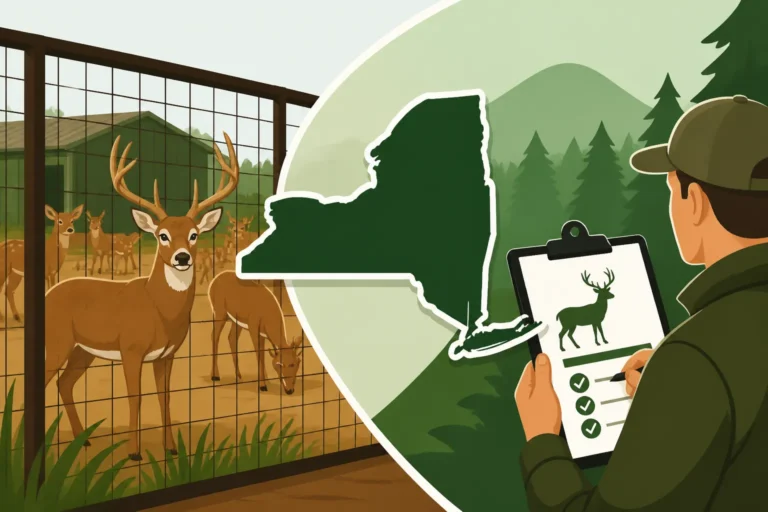
While the state has largely remained CWD-free in its wild deer, there was a pivotal moment that truly sharpened New York's focus. In a contained situation several years ago, CWD was detected in captive deer in Herkimer County. This was a wake-up call, demonstrating just how close the threat could come to our wild populations.
In response, the state immediately established New York's Chronic Wasting Disease Containment Area in parts of Oneida and Herkimer counties. This area isn't just a boundary on a map; it comes with stringent regulations designed to prevent any potential spread from the captive cervid facility into the wild. Understanding the specific rules within this zone is critical for any hunter who might pursue deer there. This proactive measure, while inconvenient for some, is vital for the long-term health of our entire deer herd. You can read more details about The Herkimer County Captive CWD Case for a complete picture of the incident.
Intensive Surveillance and Testing
Outside of the immediate containment area, New York’s surveillance program for wild deer has been extensive for decades. Each year, thousands of deer across the state are sampled, with particular emphasis on high-risk areas or regions adjacent to CWD-positive states. This isn't just random sampling; it's a strategic effort to detect even the slightest hint of the disease. Hunters play an indispensable role in this. By submitting heads from harvested deer, especially within priority management units, we directly contribute to the comprehensive data collection that informs the state's understanding of CWD prevalence in wild deer. Information on New York CWD Testing for Hunters is readily available and encourages participation.
What Wild Deer Surveillance Reveals
After decades of rigorous monitoring and testing thousands upon thousands of deer, New York has maintained a remarkable record: there has been no confirmed case of CWD in wild deer within the state. This is a massive victory, not just for wildlife managers, but for every hunter who cherishes the tradition of pursuing healthy game in New York. This isn't to say we can ever let our guard down, but it speaks volumes about the effectiveness of the state's proactive measures and the cooperation of the hunting community.
The Numbers: How Many Deer Are Tested?
Each year, New York's Department of Environmental Conservation (DEC) tests a significant number of deer for CWD. While specific numbers can fluctuate based on priorities and resources, the scale of this effort is consistently in the thousands. These samples are collected through hunter submissions, roadkills, and deer exhibiting signs of illness. Every single sample is a data point, helping to build a comprehensive picture of the state's CWD status. Think of it as an early warning system, constantly scanning for any signs of trouble in the herd. The commitment to these large-scale testing efforts is why we can confidently say that wild CWD prevalence in New York is currently undetectable. This long-term data collection is critical for understanding the overall New York Deer Population Estimate and its health.
| Aspect of CWD Surveillance | Description | Hunter's Role |
|---|---|---|
| Monitoring Strategy | Targeted sampling in high-risk areas, CWD Management Zone, and general statewide surveillance. | Submit deer heads for testing, especially if hunting in or near the CWD Containment Area. Report unusual deer behavior. |
| Annual Sample Volume | Thousands of deer heads are tested each year to ensure comprehensive coverage and detect potential outbreaks early. | Participate in voluntary submission programs at check stations or designated drop-off locations. |
| Testing Results | All wild deer tested to date outside of the captive facility incident have returned negative for CWD. | Continue to support surveillance efforts and adhere to regulations to maintain this status. |
| Goals | Early detection, preventing establishment of CWD in the wild, protecting the health of the White-Tailed Deer Across New York. | Stay informed about regulations, particularly New York Carcass Transport Restrictions, and practice responsible hunting ethics. |
The "All Clear" (for now)
It’s easy to get complacent when things seem good, but the "all clear" for New York's wild deer herd is a testament to ongoing vigilance. While it's fantastic news that CWD hasn't been found in wild populations, it doesn't mean the threat has disappeared. CWD continues to be a problem in neighboring states, and the constant movement of wildlife means we must remain hyper-aware. This hard-won status is something we should all be incredibly proud of and work tirelessly to maintain. This includes understanding Why New York Has Stayed Free of Wild CWD and what measures are critical to maintaining it.
Your Role as a New York Hunter
As hunters, we are often the first line of defense for wildlife. Our time in the field, our observations, and our adherence to regulations are absolutely critical in maintaining New York’s CWD-free status in wild deer. This isn't just about following rules; it's about being a responsible steward of the land and the animals we pursue.
Reporting Suspect Animals
One of the most important things you can do is to be observant. If you see a deer acting strangely – perhaps extremely thin, stumbling, drooling excessively, or showing an unusual lack of fear – do not harvest it. Instead, you should immediately report your observations to the DEC. This isn't just about CWD; it’s good practice for any unusual wildlife behavior. Early detection of a sick animal, whatever the cause, is crucial. This is how we protect our herds. Learning how to identify and report a potentially Reporting a Sick Animal in New York is a valuable skill.
Carcass Management and Transport Restrictions
This is an area where specific regulations are absolutely non-negotiable, particularly if you're hunting in the CWD Containment Area or bringing a deer back into New York from another state. The rules around carcass transport are designed to prevent the physical movement of CWD prions. This means understanding which parts of a deer can and cannot be moved, and where. It’s a pain, no doubt, especially after a long hunt, but it’s a necessary one. Make sure you check the latest regulations before you head out, and if you’re using a mapping app like GoHunt, ensure you understand how it can help you delineate management zones. You can find detailed information on New York Carcass Transport Restrictions to ensure you're always compliant.
For hunters who harvest a deer within the CWD Containment Area, there are specific guidelines for processing and disposal. This might involve leaving certain parts of the carcass in the woods where the deer was taken or using designated disposal sites. The key is to prevent any CWD prions that might be present from being moved out of that localized area.
Responsible Hunting Practices
Beyond specific CWD regulations, general responsible hunting practices always contribute to herd health. This includes minimizing unnecessary stress on deer, respecting private land boundaries, and ensuring ethical shot placement. When scouting for deer, especially on public land, using tools like GoHunt can help you understand boundaries and regulations specific to a Wildlife Management Unit (WMU) or State Forest, ensuring you are always operating legally and ethically. Before heading into the woods, take some time for Scouting New York Public Land Before Season to familiarize yourself with the area and any special rules.
Always remember that as hunters, we are the frontline conservationists. We care deeply about the health of the game we pursue, and by staying informed, acting responsibly, and cooperating with wildlife agencies, we can continue to enjoy healthy deer herds and rich hunting traditions in New York for generations to come.
Disclaimer
This article is for general informational purposes only and does not constitute professional advice. Laws, prices and regulations vary by location and change over time. Consult a qualified professional for guidance on your specific situation.