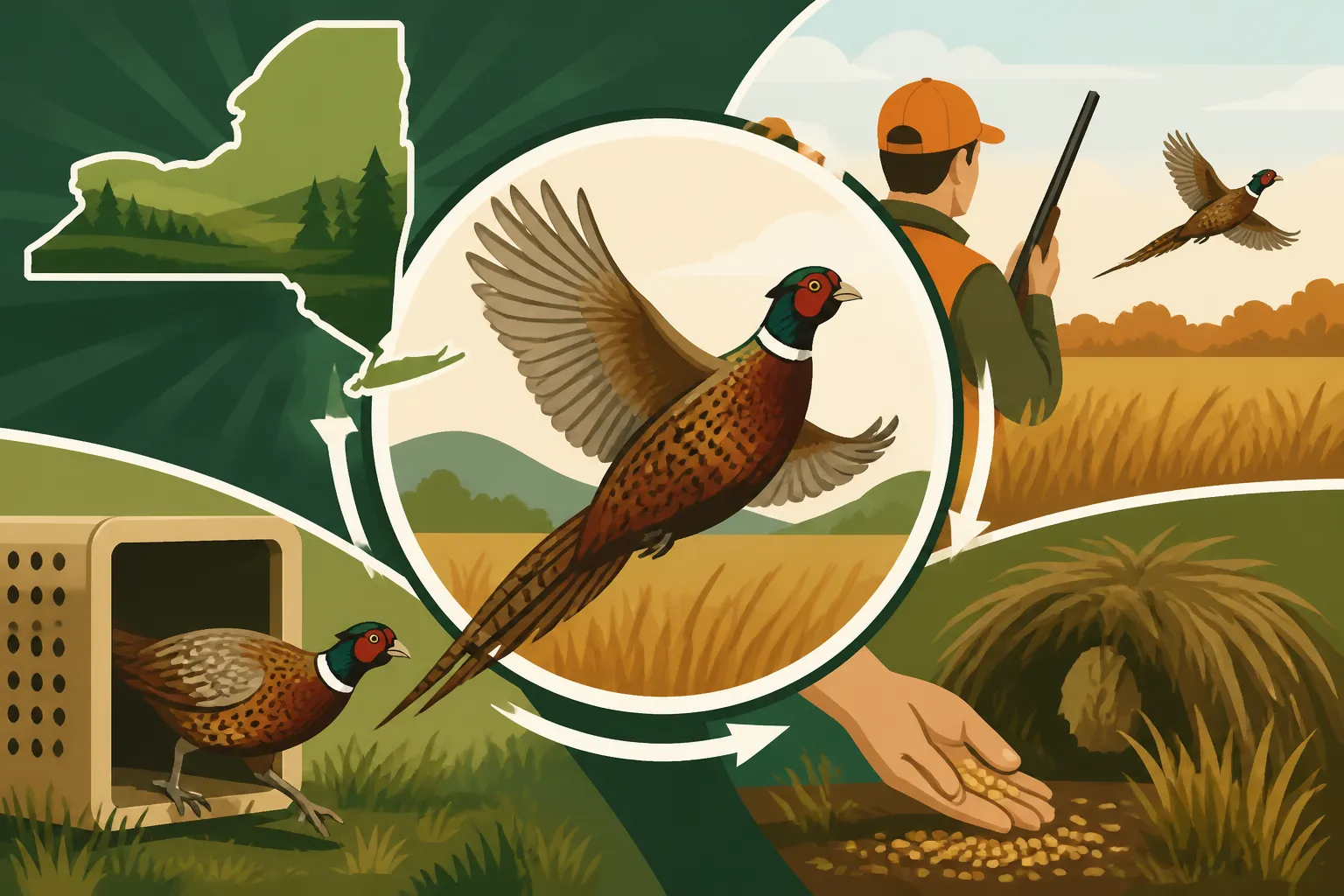
How New York’s Pheasant Program Works
Finding a good pheasant hunt in New York can sometimes feel like chasing a ghost, especially if you remember the days when wild birds seemed a lot more common. It's frustrating to invest time and effort only to come up short. This guide is here to shed some light on the reality of pheasant hunting in the Empire State, focusing specifically on how New York's dedicated pheasant stocking program works to provide opportunities for bird hunters and keep the tradition alive.
The Why Behind New York's Pheasant Program
For many hunters, the image of a gaudy rooster bursting from thick cover is the epitome of upland hunting. But the truth is, reliable pheasant populations, particularly wild, self-sustaining ones, are a rarity in many parts of New York today. This isn't just a hunch or a feeling; it's a reality driven by significant ecological shifts over decades.
The Decline of Wild Pheasants
Let's be honest, those of us who grew up hunting pheasants in New York probably heard tales from our grandfathers about fields brimming with wild birds. There's a certain nostalgia, and frankly, a sadness, for those days. The decline of wild pheasants isn't a uniquely New York problem; it's a story told across much of the Northeast. The primary culprit? Habitat loss. Farmland practices have changed dramatically over the last 50-70 years. Gone are many of the small, diverse farms with hedgerows, fallow fields, and undisturbed brushy corners that pheasants need to thrive.
Modern agriculture often means larger fields, monoculture crops, and efficient machinery that leaves little room for nesting cover, winter shelter, or escape routes. Pesticide use can also reduce insect populations, which are a vital food source for pheasant chicks. Couple that with increased development pressure and the fragmentation of remaining suitable habitats, and you have a recipe for wild pheasant populations to dwindle. It's a tough pill to swallow for hunters who yearn for the challenge of truly wild birds, and it's completely understandable to feel that frustration when the birds just aren't there like they used to be.
The Need for Stocking
So, if wild birds are largely gone from many areas, how do we still get to chase pheasants? This is where the New York pheasant program steps in, primarily through an intensive stocking initiative. The reality is that without this program, pheasant hunting in much of the state would simply cease to exist. The purpose of stocking isn't to re-establish wild populations—that's a much more complex and often impossible task in today's landscape. Instead, it's about providing put-and-take hunting opportunities, ensuring that hunters can still experience the thrill of a pheasant flush.
The program serves a crucial recreational role, introducing new hunters to upland bird hunting, providing opportunities for dog training, and allowing seasoned hunters to enjoy a day afield. While it's different from hunting truly wild birds, it's a vital compromise that keeps the tradition alive for many, especially in regions where wild birds are essentially non-existent. Without these efforts, a whole generation of hunters might never know the excitement of chasing ringnecks.
How the Stocking Program Operates
Understanding the nuts and bolts of how New York's pheasant program operates can greatly improve your chances of success. It's not just about releasing birds; there's a significant amount of planning and effort involved to ensure there are birds available for hunters each season.
Raising Birds for Release
The journey for a New York pheasant often begins long before hunting season even starts. The state operates several game farms, primarily the Richard E. Reynolds Game Farm in Ithaca, which is dedicated to raising pheasants for release. These facilities are designed to hatch and rear thousands of pheasant chicks each year, protecting them from predators and disease in a controlled environment. The birds are raised with the goal of being healthy and robust enough to provide a challenging hunt upon release.
Beyond state-run facilities, a network of private cooperators also plays a critical role. Many sportsmen's clubs, private landowners, and even individual enthusiasts participate in the Day-Old Pheasant Chick Program. These cooperators receive young chicks from the state, raise them to maturity (typically 18-20 weeks), and then release them on lands open to public hunting or on their own properties. This partnership significantly expands the program's reach and the total number of birds available for release, demonstrating a real community effort to preserve hunting opportunities. If you're looking to find areas where these birds might be released, using a mapping tool like GoHunt can help you identify public access points near potential release zones.
Identifying Release Sites
Choosing where to release these pheasants is a strategic decision, not a random one. The primary goal is to maximize hunter access and opportunity. The vast majority of stocked pheasants are released on designated New York Wildlife Management Areas (WMAs) and Cooperative Hunting Areas. These locations are selected because they typically offer:
- Public Access: Ensuring that licensed hunters have legal entry to pursue birds.
- Suitable Habitat: While not always ideal for long-term survival, these areas often have enough cover (tall grasses, brushy areas, hedgerows) to give the birds a place to hide and offer a fair hunt.
- Hunter Safety: Sites are often chosen with topography and cover that lend themselves to safer hunting conditions, reducing the risk of accidental encounters between hunting parties.
- Managed Pressure: WMAs often have specific regulations or designated parking areas to help manage hunting pressure, though on opening day, expect crowds.
The Department of Environmental Conservation (DEC) provides maps and lists of these release sites, usually updated annually. This information is invaluable for planning your hunts. You can often find specific units or sections of WMAs that are routinely stocked. Looking at a tool like GoHunt or other mapping apps can help you pinpoint these specific areas and understand the access points and terrain before you even leave home.
Here's a general overview of common release sites:
| Type of Release Site | Description | Hunting Implications |
|---|---|---|
| Wildlife Management Areas | Public lands specifically managed for wildlife habitat and public recreation, often with dedicated pheasant stocking programs. | Heavily hunted, especially early in the season. Good access but can be crowded. Check specific WMA regulations. |
| Cooperative Hunting Areas | Private lands where landowners allow public hunting, often for specific species like pheasants, in exchange for wildlife management support. | Offers access to private land. Varies widely in habitat quality and hunter pressure. Always respect landowner rules. |
| State Forests / Other Public Lands | Less common for direct stocking, but some larger parcels with suitable fringe habitat might occasionally see releases or hold incidental birds. | Often require more scouting to find birds if not a primary stocking site. Less pressure but also less consistent bird numbers. |
| Day-Old Chick Program (Private Land) | Birds raised by cooperators and released on private property open to hunting, sometimes by permission or through club membership. | Access depends on specific agreements. Can offer less pressured hunting if you have a connection or join a participating club. |
Timing and Frequency of Releases
The timing of pheasant releases is crucial for maximizing hunting opportunities. Most birds are released shortly before or during the regular New York Small Game and Upland Bird Seasons, particularly leading up to opening day and for a few weeks into the season. The idea is to have fresh birds in the field when hunters are most active. You’ll find some releases happen prior to the season opener to allow birds to acclimate slightly, while others are "in-season" drops to replenish populations in heavily hunted areas.
Some areas might see multiple releases throughout the fall, especially during peak hunting weekends. It's smart to check the DEC's official announcements or local WMA schedules, as these details can change slightly year-to-year. Knowing when and where birds are released is a critical piece of the puzzle for planning a successful hunt. This information can often be found on the DEC website, or sometimes disseminated by local conservation groups.
Hunting Stocked Pheasants in New York
Hunting stocked pheasants is a distinct experience from chasing wild birds, with its own set of challenges and rewards. The success often hinges on understanding how these birds behave after release and adapting your tactics accordingly.
Tactics for Recently Stocked Birds
When birds are first released, they're often a bit disoriented and less "wild" than birds that have been in the field for a while. This means your tactics can be more direct. Freshly stocked pheasants tend to hold tighter, offering excellent opportunities for pointing dogs. If you're Running Pointing Dogs on New York Pheasants, these first few days after a release are prime time. You'll want to focus on:
- Walking Cover Thoroughly: Don't just skirt the edges. Walk through tall grass, switchgrass, corn stubble, and brushy draws. Stocked birds aren't always looking to run immediately; they often hunker down.
- Hunting in Pairs or Groups: More hunters mean more ground covered, and you can effectively block off escape routes. Walk in a line, pushing birds towards the end of the cover. This is a classic pheasant drive tactic that works well on WMAs.
- Being Ready for the Flush: These birds can explode from underfoot with surprising force. Stay alert, gun ready, and be prepared for quick, challenging shots.
- Early Morning: Freshly released birds are often less pressured and more active in the early morning. Get there at first light, especially on opening days or after a new stocking.
Keep in mind that these early-season flushes can be intense, and it's easy to get caught up in the excitement. Using a tool like GoHunt to mark your progress or the location of flushed birds can be really helpful, especially if you're working a large WMA with varying cover types. Remember, these birds are often released on public land, so expect company, especially on weekends.
The Challenge of "Leftover" Birds
After a week or two, or certainly by late season, the remaining stocked pheasants become much harder to hunt. These are the "leftover" birds, and they quickly learn about hunting pressure. They become warier, run more, and flush further out, often pushing the limits of shotgun range. It's a completely different game from hunting recently released birds, and it can be a source of frustration for hunters expecting easy limits.
To target these smarter, more educated pheasants, you'll need to adjust your approach:
- Focus on Thicker, Nastier Cover: These birds will seek out the densest briar patches, the thickest cattails, and the most impenetrable multi-flora rose hedges. These are the places other hunters avoid, and where smart birds know they're safe.
- Work Edges and Funnels: Look for areas where thick cover meets open fields, or natural funnels that birds might use to move between different types of cover. This is where you might ambush a runner.
- Slow Down: Instead of fast-paced pushes, slow down your pace, allowing dogs to work thoroughly and giving you more time to react to a sudden flush.
- Consider Midweek Hunts: The pressure on WMAs often drops significantly during weekdays. This can provide a more relaxed and productive hunt for these wary birds.
- Dog Power is Key: A good, disciplined flushing or pointing dog becomes almost essential for finding and holding these birds that are intent on running or hiding deep.
These birds provide a much more rewarding, albeit more difficult, challenge, mimicking some of the experiences of truly wild bird hunting. It's a testament to their survival instincts, even if they started life on a game farm.
The Role of Hunter Participation
New York's pheasant program, and indeed all its game management efforts, rely heavily on hunter participation. When you purchase your New York Resident Hunting License Options and any required permits, like the New York Pheasant Permit Requirement, you're directly contributing to the funding that makes these programs possible. Your license fees pay for the raising and releasing of these birds, as well as habitat management on public lands.
It's a user-pay, user-benefit system, and every hunter who buys a license is essentially investing in the future of hunting opportunities in the state. Beyond just buying licenses, reporting your harvest, participating in surveys, and joining local sportsmen's clubs also plays a vital role. These actions help the DEC understand harvest rates, hunter effort, and the overall success of their programs, allowing them to make informed decisions for future seasons. It’s a collective effort, and your involvement truly matters.
Beyond Stocking: Habitat and Future Efforts
While stocking is the cornerstone of New York's pheasant program, the conversation doesn't end there. Efforts to maintain and improve habitat, as well as broader wildlife management strategies, play a role in supporting not just pheasants, but a range of other game species.
Landowner Cooperator Program
The success of New York's pheasant stocking program also leans heavily on private landowners. The state maintains a Landowner Cooperator Program, where private landowners agree to open their property to public hunting, often in specific seasons or for specific species, in exchange for wildlife management assistance or other benefits. This is especially vital for Hunting Western New York Farmland where a lot of the suitable pheasant habitat exists on private property.
These agreements expand the footprint of publicly accessible hunting grounds significantly beyond just the WMAs. It's a win-win: landowners get assistance with habitat, and hunters gain access to areas that might otherwise be off-limits. For hunters, respecting these landowners and their property is paramount to ensuring these programs continue. Always be sure to know the specific rules for a given cooperator property, and consider offering to help with tasks if possible.
Other Species and Habitat Initiatives
While directly focused on pheasants, many of the habitat management efforts associated with these programs benefit a wider array of wildlife. For instance, creating or maintaining grassy fields and brushy edges for pheasants also provides crucial nesting and escape cover for cottontail rabbits, various songbirds, and even deer fawns. Management plans on WMAs, which might include prescribed burns or strategic mowing to improve pheasant cover, also contribute to overall ecosystem health.
Furthermore, New York's conservation efforts aren't siloed. Insights gained from pheasant management can inform strategies for other upland birds. For example, understanding how habitat fragmentation impacts pheasants can shed light on the challenges facing New York Grouse and Woodcock Seasons. It's all part of a larger, interconnected web of wildlife management. It’s also worth noting that hunters should always be aware of all regulations, including information on specific zones like New York's Chronic Wasting Disease Containment Area, as these affect all hunting activities in the region, regardless of the species you're pursuing. Even when focused on pheasants, a responsible hunter stays informed about broader wildlife health and management concerns.
Disclaimer
This article is for general informational purposes only and does not constitute professional advice. Laws, prices and regulations vary by location and change over time. Consult a qualified professional for guidance on your specific situation.