New York Bobwhite Quail Status
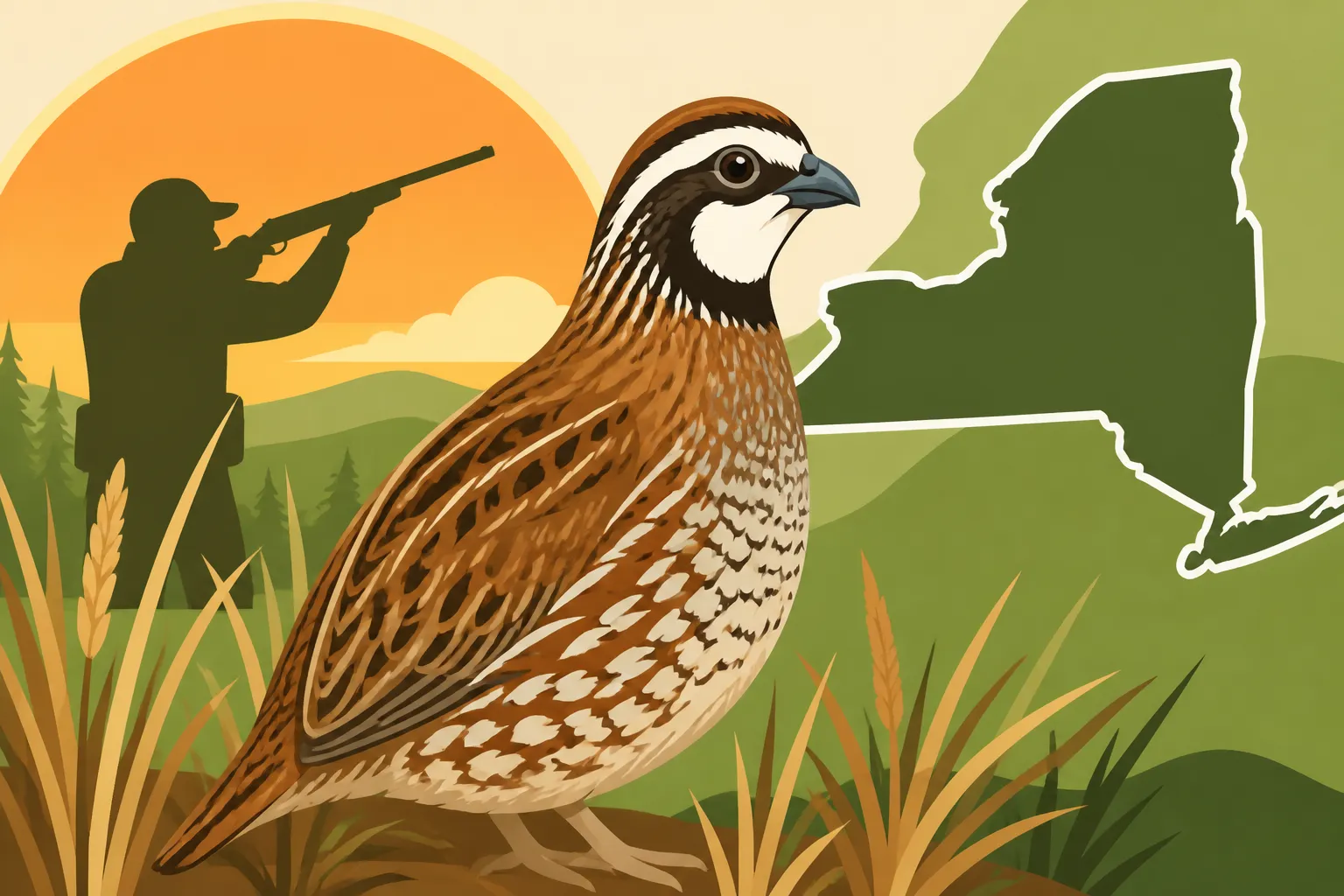
It's a common question, especially among new upland hunters or those nostalgic for older times: "Are there bobwhite quail to hunt in New York?" The truth is, the dream of flushing wild coveys of bobwhite quail across New York fields is, for the most part, just that – a dream. This guide is here to shed light on the real status of bobwhite quail in the Empire State, explaining their historical presence, why they're largely gone, and what options exist if you're hoping for a quail hunting experience.
The Historical Presence of Bobwhite Quail in New York
There was a time, not so long ago in the grand scheme of things, when the whirring flush of a bobwhite quail covey was a familiar sound across the agricultural landscapes of New York. It's easy to look back at old hunting stories or photos and wonder what happened to those days. For many, that mental image is the starting point of their curiosity.
A Legacy of Abundance and Decline
Back in the late 19th and early 20th centuries, New York actually supported a pretty robust population of northern bobwhite quail. They weren't everywhere, certainly, but in the southern counties, particularly those with a mix of small farms, hedgerows, and brushy edges, they thrived. Think of the landscape then: smaller, less intense farming operations, plenty of fallow fields, and abundant edge habitat where field met forest. These conditions were absolutely perfect for bobwhites, which rely heavily on diverse cover for nesting, rearing young, and escaping predators. They'd huddle together in tight coveys during the colder months, bursting into the air when disturbed, a truly exhilarating sound and sight for any upland hunter.
However, as the decades passed, a combination of factors began to erode these populations. The changes weren't sudden, but rather a slow, relentless grinding down of what made New York suitable for these birds. It's tough to see a game bird disappear from a landscape where it once flourished, and it speaks to the significant changes our natural world has undergone.
Factors Leading to Their Vanishing Act
The primary culprits behind the bobwhite's disappearance are quite clear when you look at how New York's landscape evolved. Firstly, there was habitat loss and fragmentation. As farms grew larger and more industrialized, hedgerows were torn out, fallow fields were put into intensive production, and the diverse mosaic of cover that quail need was replaced by monocultures. Suburbia also crept outward, further eroding suitable areas. These small birds need very specific types of early successional habitat – a mix of grass, brush, and small trees – that simply isn't prevalent enough anymore. Think of a patchwork quilt of cover, all connected, versus isolated, dwindling patches.
Secondly, harsh winters played a significant role. New York sits on the northern edge of the bobwhite's natural range. Even with good habitat, a severe winter with deep, persistent snow and ice can be devastating to quail. They struggle to find food when the ground is locked up, and exposure can quickly lead to mortality. While populations could historically bounce back after a tough winter thanks to abundant habitat and good breeding success, the compromised habitat meant less cover to weather the storms and fewer places to recover. It's a double whammy: less ideal living space and tougher conditions to survive in.
Current Status: A Glimpse, Not a Population
So, what's the picture today? If you're hoping to stumble upon a wild covey of bobwhites while Hunting the New York Rut in November or out for a walk in a state forest, you'll likely be disappointed. While isolated reports or small, struggling groups might pop up now and then, they don't represent a sustainable, huntable wild population.
Isolated Pockets and Released Birds
Any "wild" bobwhite quail you might hear about or even encounter in New York today are almost certainly either remnants of extremely isolated, tiny pockets (often on private lands with intensive habitat management) or, far more commonly, descendants of birds released for dog training or private hunting preserve operations. These birds, while technically "wild" once released, often lack the genetic diversity or survival instincts of truly native, self-sustaining populations. They're like guests at a party who don't really know how to navigate the house.
These released birds might survive for a while, even breed for a season or two, but without consistent, high-quality, interconnected habitat, their numbers inevitably dwindle. It's a harsh reality, but simply dropping birds into an environment that can't support them long-term is a temporary fix at best. You might get a flush, but it's not indicative of a robust, natural population that can sustain hunting pressure.
The Role of Stocking and Private Efforts
For those who do want a quail hunting experience in New York, their best bet is almost exclusively on private shooting preserves or through private land stocking efforts. Many preserves throughout the state release pen-raised bobwhite quail specifically for hunting opportunities. These operations allow hunters and their dogs to experience the thrill of a quail flush, albeit with birds that are not truly wild. This is a crucial distinction for many upland enthusiasts.
These private efforts, while not contributing to a wild, self-sustaining population, do provide an avenue for folks to enjoy the sport. It also gives dog owners a chance to work their pointers and flushers on live birds. Some dedicated private landowners also engage in small-scale stocking, often alongside habitat improvements, to try and maintain a huntable population on their own property. They're essentially creating micro-habitats, but these are isolated efforts and don't change the statewide picture for wild birds. If you're looking to plan a trip, services like GoHunt can sometimes help you identify areas with private land opportunities, though for quail, you'd typically be looking specifically for preserve information rather than general public access.
Why Hunting Wild Bobwhites in New York Isn't a Reality
It’s important to understand why, despite the occasional sighting or the longing of hunters, there is no open season for wild bobwhite quail in New York. This isn't just about a lack of birds; it's about the bigger picture of conservation and the biological needs of the species.
Regulatory Framework and Conservation Focus
The New York State Department of Environmental Conservation (DEC) manages game populations based on scientific data, population health, and sustainable harvest principles. When it comes to bobwhite quail, the numbers simply aren't there to justify an open hunting season. There's no statewide, self-sustaining wild population that could withstand any hunting pressure, however light. Instead, the focus is purely on monitoring and, if possible, supporting any tiny, isolated remnants rather than facilitating a harvest. You won't find bobwhites listed in the official New York Small Game and Upland Bird Seasons for wild birds, and that's a direct reflection of their critically low status.
This approach is consistent with how the state manages other species that are struggling. The goal is to ensure the long-term survival of the species, not to provide recreational hunting opportunities when populations are at such a precarious level. It's a stark contrast to species like wild turkeys, which have seen a tremendous recovery and now offer excellent hunting seasons across the state, as detailed in Wild Turkeys in New York.
Habitat Challenges and Climate
Beyond the regulatory aspect, the fundamental environmental challenges that led to the bobwhite's decline persist. Even if the DEC were to attempt a reintroduction program, the lack of suitable, interconnected habitat remains a massive hurdle. Bobwhites are creatures of the edge, needing a diverse mix of cover, food, and nesting sites that modern agriculture and development often eliminate. Planting a small food plot here or there isn't enough; they need vast tracts of specific habitat to thrive and expand their numbers.
Furthermore, climate continues to be a limiting factor. New York winters, particularly those with deep and prolonged snow cover, are naturally tough on bobwhites. While some areas might experience milder winters, the overall trend doesn't favor a species that's already on the edge of its northern range. Until widespread, suitable habitat can be restored and maintained, and perhaps if climate patterns shifted significantly, any reintroduction would be an uphill battle, often leaving enthusiasts with a longing for what once was.
Where to Find Quail-Like Experiences in New York
While the dream of hunting wild bobwhite quail across New York might be largely out of reach, that doesn't mean you can't enjoy similar upland bird hunting experiences. New York offers plenty for the passionate bird hunter, even if the primary quarry isn't the bobwhite.
Preserves and Stocked Bird Opportunities
As mentioned, private shooting preserves are your best bet for a true "quail hunting" experience in New York. These facilities actively manage habitat and release pen-raised birds to ensure a successful hunt. You'll find a number of these operations scattered throughout the state, particularly in regions that historically had agricultural land. It's an excellent way to train a new bird dog or get some wingshooting practice in a controlled environment. These preserves usually have their own rules regarding season dates and bag limits, which differ from state regulations for wild game. They often require reservations and have specific fees for birds released. While it's not the same as a wild covey, it scratches that itch for many. GoHunt can be a helpful resource for identifying private land features or understanding general land classifications, though for specific preserve details, direct contact with the preserves themselves is always best.
Looking to Other Upland Birds
If you're after a truly wild upland bird hunting experience in New York, you'll want to shift your focus to species that do thrive here and have robust, huntable populations. Our state is still a fantastic place for other feathered quarry.
Take a look at ruffed grouse, for instance. While their numbers have seen some decline in certain areas, particularly discussed in New York Ruffed Grouse Decline, they are still very much a target species, especially in the more northern and central parts of the state. These birds offer an incredibly challenging and rewarding hunt, often found in aspen thickets and dense cover, as explored in Grouse Hunting New York Aspen Cover.
Pheasants are another excellent option, especially in the agricultural regions of Western and Central New York. While wild pheasants are much rarer, the DEC runs a robust pheasant stocking program, ensuring that hunters have opportunities throughout the season. You can learn more about this in New York Pheasant Season and Stocking. These stocked birds provide a fun, fast-flying challenge, often flushed from field edges and dense cover.
Woodcock also migrate through New York, offering a unique and often overlooked upland experience. These secretive birds can be found in damp, alder-filled bottoms and brushy areas, and are a delight to hunt with a close-working dog. Learning about Woodcock Hunting New York Alder Runs can open up a whole new world for the upland enthusiast. For all these species, having the right gear, like Shotguns for New York Grouse Cover, makes a real difference.
While the bobwhite quail of yesteryear may be a ghost in New York's hunting landscape, the spirit of upland hunting certainly lives on through other fantastic opportunities.
Disclaimer
This article is for general informational purposes only and does not constitute professional advice. Laws, prices and regulations vary by location and change over time. Consult a qualified professional for guidance on your specific situation.