Feral Swine Sightings in New York
It's a genuine worry for New York hunters and landowners to hear whispers of a new, potentially invasive species setting foot in our woods and fields. The thought of feral swine running rampant brings up serious concerns about everything from crop damage to disease, and many folks are wondering just how real this threat is in our home state. This guide will dive deep into what we know about feral swine sightings in New York, why they're such a problem, and what you can do if you ever come across them.
Understanding Feral Swine: More Than Just Wild Pigs
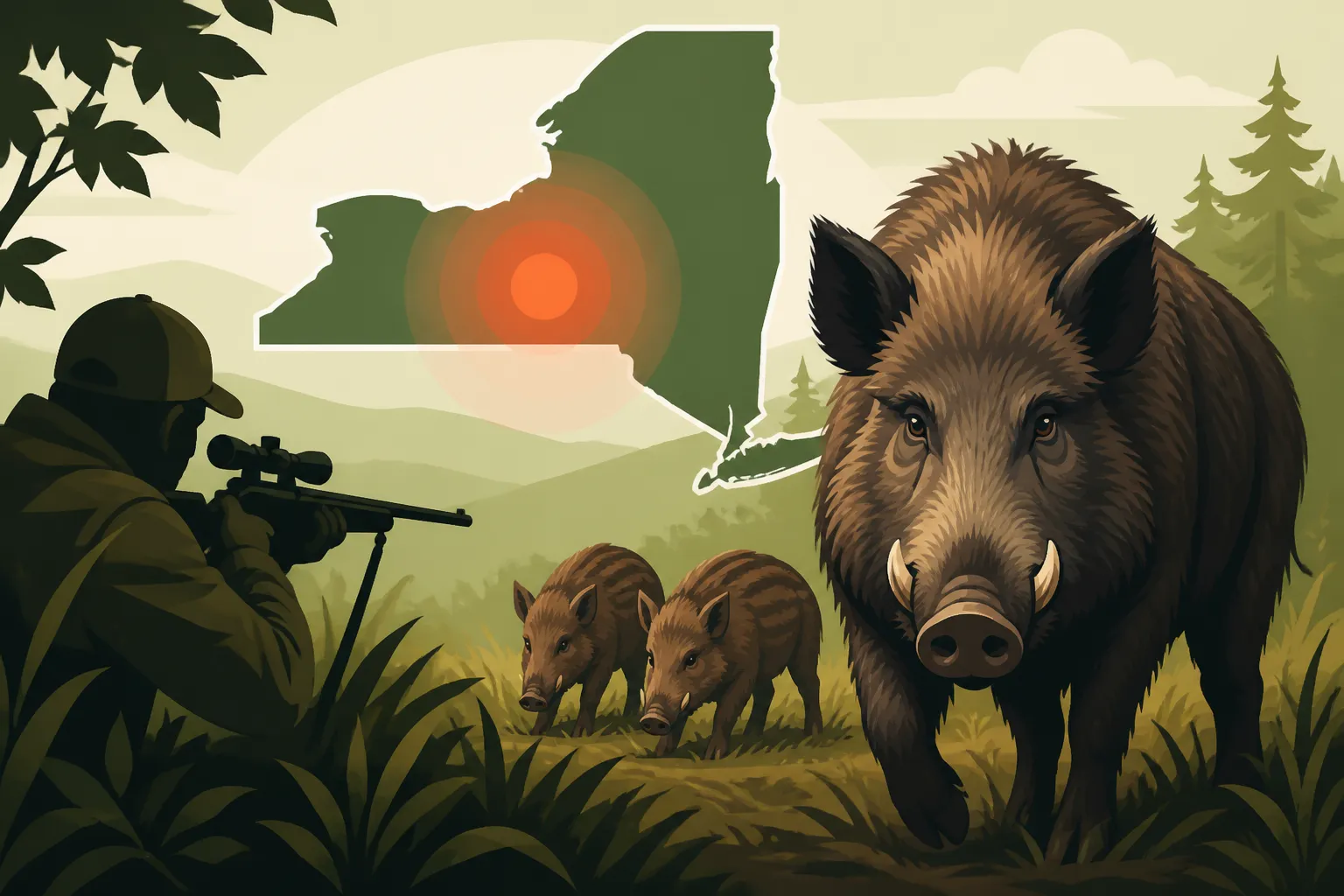
When we talk about "feral swine," we're not just talking about a pig that got out of its pen. These are domestic pigs that have either escaped or been intentionally released into the wild and have adapted to survive and reproduce independently. Over generations, they become truly wild, developing thicker coats, longer snouts, and tusks that can grow impressively large. They often revert to a darker coloration and become incredibly wary of humans, making them difficult to track and even harder to eradicate once established.
The problem is, these aren't native animals. They don't have natural predators in many of our ecosystems that can keep their numbers in check, especially with their incredibly high reproductive rates. A sow can have two litters a year, with each litter averaging 4-8 piglets, and those piglets can be ready to reproduce themselves in just a few months. You can see how quickly a small escape can turn into a major problem. It’s a stark contrast to how our native game like New York Deer Herd Size are naturally managed by season and predator populations.
Feral swine are an amalgamation of domestic pigs, European wild boars, and hybrids of the two. This genetic mix often gives them the worst of both worlds: the large litter sizes of domestic pigs and the robust, evasive characteristics of wild boars. They are incredibly adaptable, able to thrive in diverse habitats from dense forests to agricultural lands. This adaptability is precisely what makes them such a formidable invasive species, capable of causing widespread ecological and economic damage wherever they go.
Where Have Feral Swine Been Sighted in New York?
While New York has been fortunate enough to largely avoid the widespread feral swine problems seen in states further south and west, isolated sightings and small populations have indeed occurred. These aren't widespread herds roaming across entire counties, but rather localized incidents that underscore the constant vigilance required to prevent establishment. The good news is that swift action has generally been taken to contain these occurrences.
Historically, most sightings have been tied to either escapes from small farm operations or illegal releases. These events tend to be sporadic and often quickly addressed by state wildlife officials who understand the severe risks. For instance, you might hear of a handful of pigs spotted near a particular agricultural area or state forest after a fence was compromised, rather than reports of a well-established, breeding population deep in the backcountry. Think of it less like an established resident population of New York's Black Bear Population and more like isolated, opportunistic wanderers.
The geographical pattern of these sightings often corresponds to areas with a mix of agricultural activity and accessible wildlands. Places like portions of the Southern Tier, which feature a patchwork of farms, woodlots, and state lands, might be more susceptible to escapees simply due to the presence of domestic pigs. It's crucial for hunters and outdoor enthusiasts to be aware of their surroundings, even in areas where the threat might seem low. Using tools like Scouting New York Public Land Before Season can help you understand the landscape, but it’s really about staying observant for anything out of the ordinary. Keep your eyes peeled for signs like rooting, wallows, or tracks that don't quite fit our native wildlife.
The Grave Risks Feral Swine Pose to New York's Ecosystem and Agriculture
The potential harm feral swine can inflict on New York is immense, touching every aspect of our natural environment and agricultural industry. This isn't just about a few escaped pigs; it's about a highly destructive force that can utterly transform landscapes and decimate livelihoods. It’s why agencies take even isolated sightings so seriously.
One of the most immediate and visible impacts is their destructive feeding habits. Feral swine are omnivores with powerful snouts, constantly "rooting" through the soil in search of tubers, insects, and small animals. This rooting behavior uproots native vegetation, disturbs sensitive habitats, and causes significant soil erosion, especially along streambanks and in wetlands. Imagine seeing a newly planted cornfield or a vibrant forest understory completely torn up overnight – that’s the kind of devastation they can wreak. This level of habitat destruction can severely impact ground-nesting birds and other small game, much like what concerns us about the decline of New York Ruffed Grouse Decline.
Beyond physical damage, feral swine are notorious vectors for diseases that can jump to livestock, wildlife, and even humans. They can carry diseases like brucellosis, leptospirosis, and, most alarmingly, African Swine Fever (ASF). While ASF isn't currently in North America, its presence in other parts of the world demonstrates the devastating economic impact it can have on the pork industry. Even without ASF, other diseases can decimate domestic pig herds and be transmitted to native wildlife, potentially impacting deer, bear, and New York Small Game and Furbearers. This is a far cry from localized concerns like New York's Chronic Wasting Disease Containment Area, as swine diseases can spread rapidly and affect a much broader range of species and industries.
Furthermore, these animals directly compete with native wildlife for crucial food sources, especially acorns, other mast crops, and soft fruits. They also prey on young fawns, turkey poults, and the nests of ground-dwelling birds, adding another layer of pressure to populations already facing challenges. For farmers, the financial burden can be catastrophic, with widespread damage to crops like corn, soybeans, and potatoes, as well as fences and irrigation systems. The costs associated with repairs, replanting, and disease mitigation can quickly run into the tens of thousands of dollars for even a single landowner.
What New York Hunters and Landowners Should Do About Feral Swine
Encountering a feral pig in New York can be a surprising and unsettling experience, but knowing how to react is key to helping state wildlife agencies prevent their establishment. The most important thing to remember is that this isn't a game animal to be casually pursued; it's an invasive species that poses a serious threat, and your swift and accurate reporting is crucial.
First and foremost, if you see what you suspect is a feral pig, do not attempt to capture or hunt it on your own. New York has strict regulations regarding feral swine, and unauthorized hunting or handling can complicate efforts by trained professionals. The state's strategy focuses on rapid response and eradication, often involving specialized trapping and removal methods. Your role as a responsible hunter or landowner is to report the sighting immediately.
When you make a report, provide as much detail as possible. This includes the exact location (GPS coordinates if you have them, or a precise description of landmarks), the date and time of the sighting, the number of animals seen, their size, and any observable behavior or signs of damage (like rooting). Photos or videos, if safely obtained, are incredibly helpful. The New York Department of Environmental Conservation (DEC) is the primary agency responsible for managing feral swine, and they have protocols in place for handling these reports. You can usually find the most up-to-date reporting methods on the DEC's official website, or through resources like the New York Wildlife Disease Monitoring page.
For landowners, if you have private property and suspect feral swine, you might also consider proactively reaching out to the DEC for advice on securing your property or what steps to take if an actual problem develops. Obtaining Getting Private Land Permission in New York might be a different type of interaction than dealing with a nuisance animal like a raccoon, but the principle of responsible land stewardship applies. You might also want to consult mapping tools like those offered by GoHunt to keep an eye on unusual activity, especially if you're trying to track potential sign on your property or adjacent lands. GoHunt's detailed satellite imagery and property line overlays can be invaluable for pinpointing specific areas of concern.
Remember, the goal is eradication. Unlike our sustainable management of species like deer or turkey, feral swine are unwelcome guests. If you're out scouting for other game and notice signs of rooting that seem out of place, or if you capture an image on a trail camera that looks like a feral pig, don't hesitate to report it. Using an app like GoHunt to mark the exact location on a map can streamline your report and help wildlife officials investigate quickly and efficiently. Prompt action by vigilant citizens is our best defense against these destructive animals taking root in New York. If you spot something, don't just wonder if it's important; make the call. Reporting it is just as critical as Reporting a Sick Animal in New York.
| Characteristic | Feral Swine | White-Tailed Deer | Black Bear |
|---|---|---|---|
| Appearance | Varies, often dark, coarse hair; tusks; short, erect ears; straight tail. | Brown to grayish-brown, white belly; antlers (males); long ears; bushy tail. | Dark brown to black, glossy fur; smaller ears; bobtail. |
| Primary Diet | Omnivore (roots, tubers, insects, crops, acorns, fawns, eggs) | Herbivore (browsing leaves, twigs, acorns, agricultural crops) | Omnivore (berries, nuts, insects, carrion, some small animals) |
| Behavior | Highly destructive rooting, wallowing; often nocturnal; wary of humans. | Browsing, grazing; generally crepuscular; can be wary but also curious. | Foraging, denning; often solitary; generally reclusive. |
| Reproduction Rate | High (2 litters/year, 4-8 piglets/litter) | Moderate (1-2 fawns/year) | Low (2-3 cubs every 2-3 years) |
| Sign | Rooting, wallows, rubs on trees, distinct hoof prints, strong odor. | Browsing marks, rubs on trees, scat, tracks (cloven hoof). | Scat, claw marks on trees, tracks (five toes, heel pad). |
| Threat to NY | Invasive, destructive, disease vector, competitor with native wildlife. | Overpopulation can lead to agricultural damage, vehicle collisions. | Nuisance issues near human development, some agricultural damage. |
Disclaimer
This article is for general informational purposes only and does not constitute professional advice. Laws, prices and regulations vary by location and change over time. Consult a qualified professional for guidance on your specific situation.