Moose Sightings Near the Vermont Border
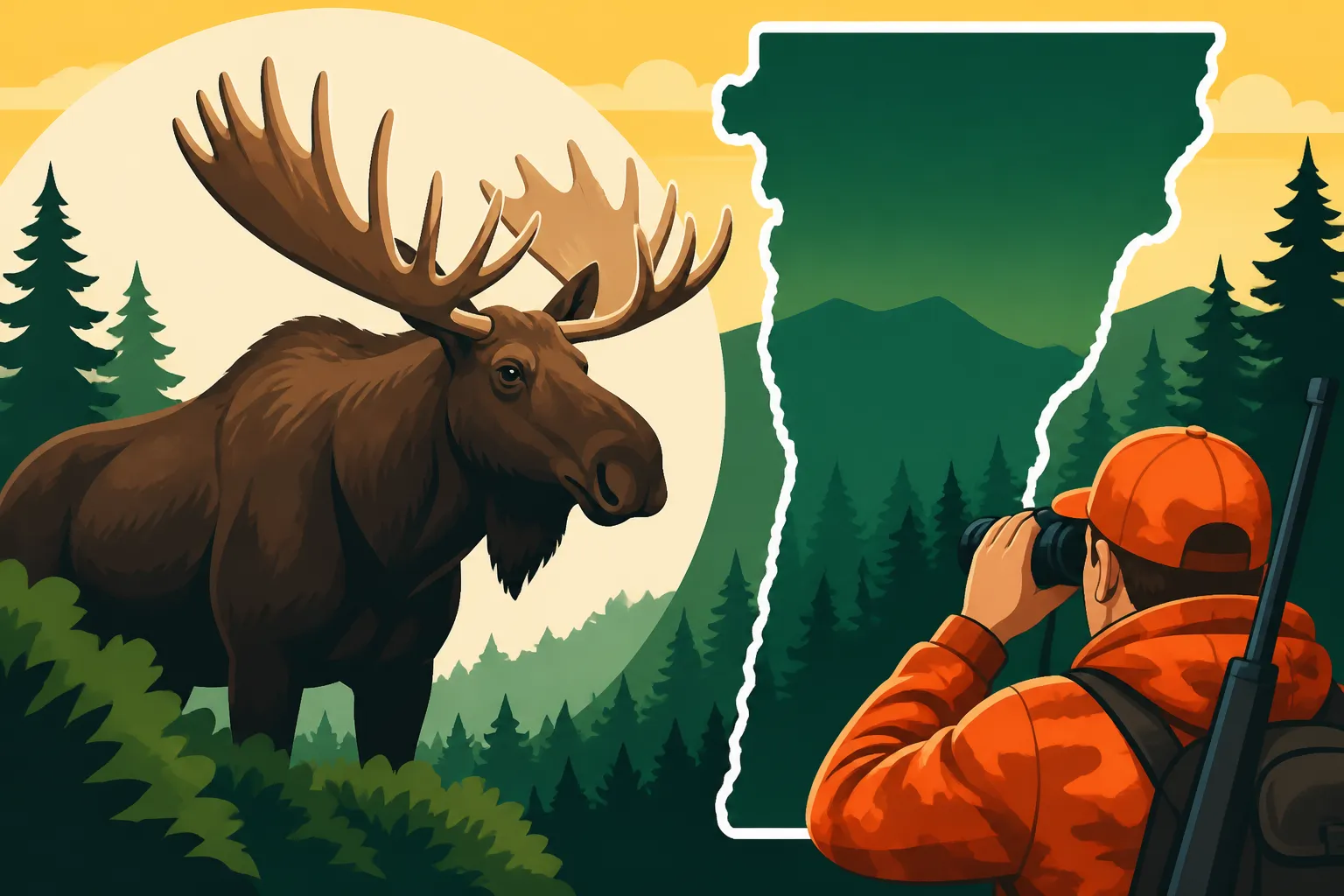
There's nothing quite like that jolt of surprise and wonder when you're out in the New York woods and catch a glimpse of an animal you didn't expect – especially when it’s a creature as magnificent and rare as a moose. For many hunters and outdoor enthusiasts, spotting a moose near the Vermont border feels like finding a true wild gem, a sign of a recovering wilderness. This guide will dive deep into why these sightings are becoming more common in certain areas, what it means for New York's wildlife, and what to keep in mind when you encounter one of these giants.
The Quiet Return: Moose Population Expansion in New York
For a long time, the sight of a moose in New York was relegated to old photos or stories from the deepest corners of the Adirondacks. It wasn't always this way; moose were once plentiful throughout the state before unchecked hunting and habitat destruction led to their disappearance in the late 1800s. Their return has been a slow, deliberate process, driven by natural expansion from neighboring states and the recovery of suitable habitat within New York's vast wild lands.
A Natural Migration from the East
The moose you might spot near the Vermont border aren't necessarily natives born and raised deep in the Adirondack interior. Many of these animals are pioneers, gradually expanding their range westward from robust populations in Vermont, Massachusetts, and even Maine. As these eastern states have seen their moose populations thrive, particularly in areas with good food sources and less human encroachment, younger moose are pushed to seek new territories. It's a natural phenomenon: when a population is healthy and growing, individuals will disperse to find their own space, and for a species like the moose, that often means pushing into adjacent suitable habitats.
This natural dispersal across state lines means that areas of New York closest to Vermont are often the first to see an increase in sightings. Think of it as a ripple effect, with the Adirondacks acting as a welcoming frontier for these migrating animals. This slow, steady recolonization is a testament to conservation efforts both in New York and its neighboring states. It's a truly exciting development for anyone who cherishes the wildness of our state, offering a glimpse into what our forests once held and what they could become again. New York's Emerging Moose Population is truly a story of natural resilience.
Reclaiming Historical Habitats
Beyond just migration, New York's own landscape has become more accommodating for moose. Many of the factors that led to their original extirpation, such as widespread logging and unregulated hunting, have been mitigated. The regrowth of vast tracts of forests, especially in areas like the Adirondack Forest Preserve, provides the dense cover and varied forage that moose need to survive and thrive. Young, regenerating forest stands, mixed with mature hardwoods and wetlands, create an ideal mosaic of habitat.
These areas, particularly those with plenty of browse—the twigs and shoots of deciduous trees and shrubs that make up the bulk of a moose's diet—are critical. Willows, aspens, maples, and birch are all on the menu, and the abundance of these species in certain parts of New York makes it an attractive destination for wandering moose. Wetlands and bogs are also crucial, providing aquatic vegetation rich in minerals, which moose absolutely love, especially in the warmer months. These revitalized habitats are critical, offering not just food but also refuge from summer heat and predators. Understanding How Many Moose Live in the Adirondacks gives us a good baseline for appreciating this expansion.
Where to Look: Hotspots Along the Vermont Border
If you're hoping to catch a glimpse of a moose, certain areas along New York's eastern edge, particularly those bordering Vermont, offer your best chances. These aren't just random spots; they share common characteristics that make them ideal moose country.
Northeastern New York: Clinton and Essex Counties
When we talk about moose sightings near the Vermont border, we're largely talking about the northeastern corner of the state, specifically Clinton and Essex counties. These areas are characterized by vast stretches of the Adirondack Forest Preserve, punctuated by wild forests, numerous lakes, and extensive wetlands. The topography includes rolling hills, dense timber, and access to water bodies that often extend right up to the Vermont line.
For example, areas around Lake Champlain and its surrounding marshes and foothills often report sightings. Moose aren't afraid of water; in fact, they're quite at home in it, using it for food and to cool off. Public lands within these counties, such as portions of the Chazy Highlands State Forest or wilderness areas east of Saranac Lake, are prime candidates. Hunters scouting for deer or bear in these regions, perhaps using mapping apps like GoHunt to analyze forest cover and water sources, should keep an eye out for moose tracks and browse sign. Hunting the Adirondack Forest Preserve definitely puts you in moose territory.
Ideal Habitat Characteristics for Moose
Moose aren't just found anywhere; they have specific habitat requirements that dictate their presence. If you're looking for moose, seek out these key features:
- Mixed Forest and Wetland Environments: Look for areas where dense forest transitions into wetlands, bogs, or beaver ponds. These transitions provide both the necessary cover and crucial aquatic vegetation.
- Early Successional Forests: While they use mature timber for cover, moose thrive in areas with young, regenerating forest growth. Clear-cuts, old burns, or natural disturbances that create a mosaic of young trees and shrubs are moose magnets because they offer abundant browse.
- Remote and Undisturbed Areas: Moose are sensitive to human disturbance. The more remote and wild an area is, the more likely you are to find moose. Areas with limited road access or deep within large public land tracts are often best. Finding Sign in Big Adirondack Timber applies to moose just as much as deer or bear.
When you're out Scouting New York Public Land Before Season, look for these indicators. You might not see a moose, but finding evidence like large tracks, stripped saplings, or fresh droppings can confirm their presence. Even when you're focusing on New York's Black Bear Population, remember that these species often share the same wild, remote habitats.
Safety and Ethics: Encountering a Moose in the Wild
Spotting a moose is an incredible experience, but it's important to approach these animals with respect and caution. Despite their seemingly docile appearance, moose are large, powerful wild animals that can be unpredictable, especially if they feel threatened or during certain times of the year.
Keeping a Safe Distance
The number one rule when encountering any wildlife, especially a large animal like a moose, is to maintain a safe distance. Moose can weigh over a thousand pounds and are surprisingly quick. If a moose feels cornered or stressed, it can charge. This is particularly true for cows with calves, who are extremely protective, or during the rut (mating season), when bulls can be aggressive.
A good rule of thumb is to stay at least 50-100 yards away, and if the moose changes its behavior – stops feeding, stares at you, or lays its ears back – you're too close. Avoid making sudden movements, loud noises, or getting between a cow and her calf. Never try to feed a moose. Wild animals should remain wild, and feeding them can lead to habituation, which often ends poorly for the animal. Respecting these boundaries ensures both your safety and the well-being of the moose. Hunters using tools like GoHunt to understand land contours and potential bedding areas should also be mindful of dense cover where an unexpected encounter might occur.
| Comparison Feature | White-tailed Deer | Moose |
|---|---|---|
| Size (Adult) | Typically 100-300 lbs, 3-4 ft shoulder height | Typically 600-1200 lbs, 5-7 ft shoulder height |
| Antlers (Males) | Spikes or branched, grow upwards and slightly outwards | Broad, palmate (paddle-like) with points, massive |
| Snout | Proportionate to head, pointed | Long, pendulous "bell" or dewlap under chin |
| Color | Reddish-brown in summer, grayish-brown in winter | Dark brown to black, lighter legs |
| Ears | Moderately sized, pointed | Large, often floppy |
| Habitat Preference | Mixed forests, open fields, suburban areas | Boreal forests, wetlands, young successional forests, remote areas |
| Diet | Forbs, shoots, acorns, agricultural crops | Woody browse (willows, aspen), aquatic vegetation |
Reporting Sightings and Understanding Why New York Does Not Hunt Moose Yet
If you're fortunate enough to see a moose, particularly outside the known core moose range in the Adirondacks, consider reporting your sighting to the New York State Department of Environmental Conservation (DEC). These reports are incredibly valuable for wildlife biologists tracking moose expansion, population health, and movement patterns. Such data helps the DEC understand the overall health of New York's Emerging Moose Population and informs management decisions. You can usually find a reporting tool or contact information on the DEC's official wildlife pages.
New York's moose population is still considered relatively small and is actively monitored for growth and stability. While moose are hunted in some New England states, New York's approach has been conservative, focusing on allowing the population to fully establish itself before considering any potential hunting seasons. This careful management ensures the long-term viability of moose in the state, making sure these magnificent animals have every chance to thrive and continue to expand their range, offering more opportunities for us all to witness a true piece of wild New York.
The continued presence and expansion of moose along the Vermont border is a really positive sign for New York's wild spaces. It means our ecosystems are healthy enough to support these large, iconic creatures, and it offers a special reward for those who venture into the deeper woods. So next time you're out, whether you're actively hunting, Reading Aerial Photos for Southern Tier Deer or exploring state forests, keep your eyes peeled – you never know what incredible wildlife encounter awaits.
Disclaimer
This article is for general informational purposes only and does not constitute professional advice. Laws, prices and regulations vary by location and change over time. Consult a qualified professional for guidance on your specific situation.