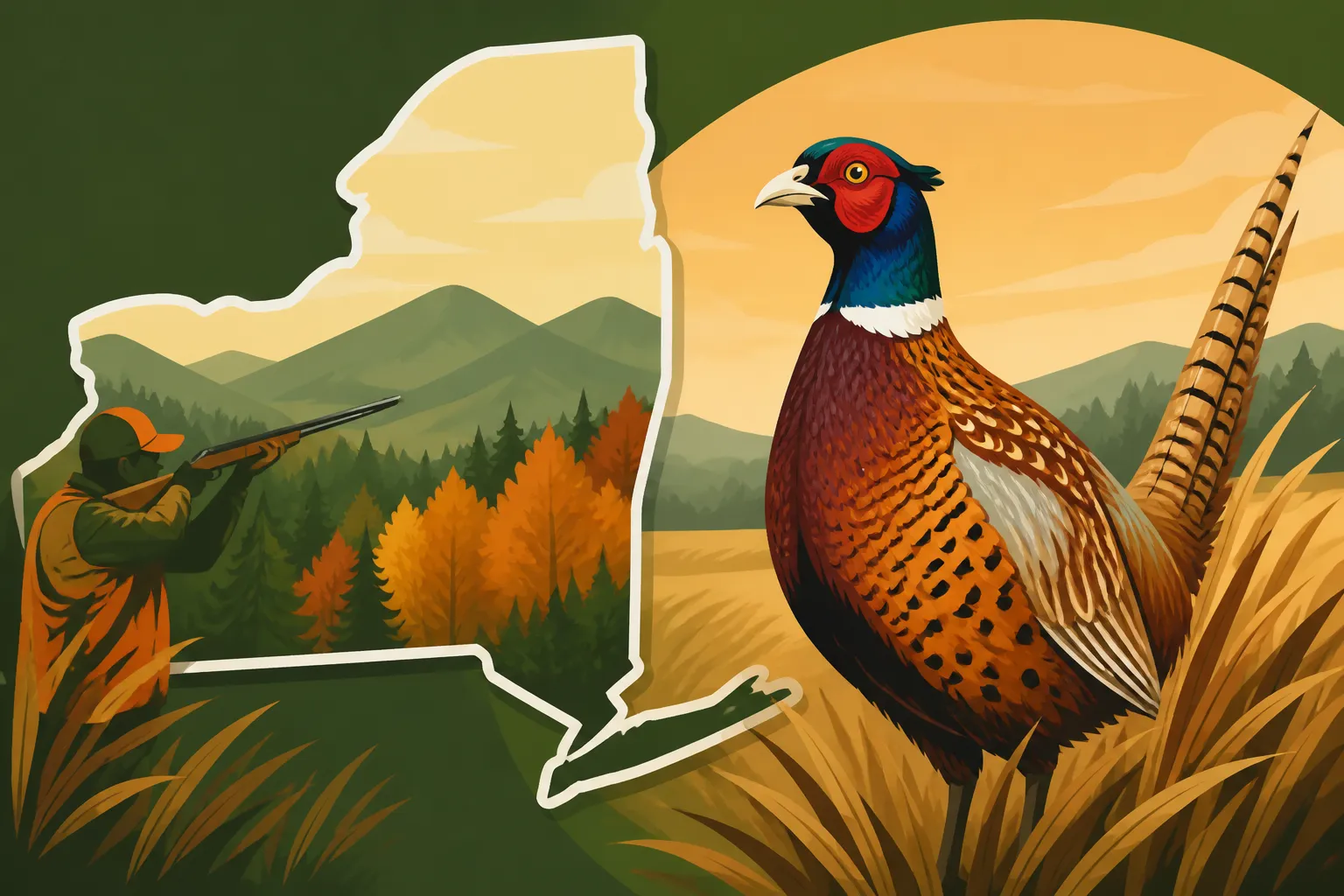
New York Wild Pheasant Numbers Today
It’s a question many New York hunters ponder when they think about chasing pheasants: are there still truly wild birds out there, or is it all about the stocked releases? The truth is, the notion of robust, self-sustaining wild pheasant populations thriving across the Empire State is largely a nostalgic dream for most, but that doesn't mean they've vanished entirely. This guide will explore the reality of wild pheasant numbers in New York today, where they might persist, and what challenges they face.
Understanding "Wild" Pheasants in New York
When we talk about "wild" pheasants, we're really talking about ring-necked pheasants that have hatched, grown, and reproduced successfully in the wild for multiple generations, without any direct intervention or stocking by humans. These birds are hardy, naturally wary, and have adapted to their local environment, showing the instincts that only come from surviving without human assistance. This is a stark contrast to the vast majority of pheasants hunters pursue in New York, which are birds raised in captivity and released shortly before or during the hunting season.
Historically, pheasants were not native to North America. They were introduced from Asia in the late 19th and early 20th centuries, and New York was one of the states that saw great success with early stocking efforts. These birds took to the diverse agricultural landscapes like the Finger Lakes and Western New York, establishing thriving wild populations that flourished for decades. It was a golden era for pheasant hunting, where you could literally jump birds out of every fencerow and cornfield. Those truly wild birds were the backbone of the hunting tradition for generations, showing incredible resilience and adapting to the changing rural scenery.
The success of these early introductions was largely due to the agricultural practices of the time, which provided ideal habitat: small, diverse farms with plenty of hedgerows, unkempt field edges, fallow ground, and small woodlots. These patchwork landscapes offered everything a pheasant needed for survival: dense nesting cover, food-rich fields, and winter thermal protection. The ability of these birds to reproduce and sustain their numbers year after year in the wild is what defined them as "wild" in the truest sense.
The Decline and Current Status of New York's Wild Pheasant Population
Sadly, the glory days of widespread wild pheasants are largely behind us. Over the past several decades, New York, much like many other agricultural states, has witnessed a significant decline in its self-sustaining pheasant populations. This isn't due to one single factor, but rather a complex interplay of environmental and agricultural shifts that have fundamentally altered the landscape these birds need to thrive.
The primary culprit has been, without a doubt, habitat loss and degradation. As farming practices modernized, "clean farming" became the norm. Gone are many of the brushy fencerows, small odd-shaped fields, and fallow corners that provided crucial nesting and escape cover. Modern agriculture often means vast monoculture fields, tilled right to the edge, leaving little room for pheasants to nest safely or find refuge from predators. Early mowing of hayfields, before pheasant chicks have a chance to hatch and grow, also takes a heavy toll on nesting success. Even if birds manage to hatch, survival rates can plummet without adequate cover from both aerial and ground predators.
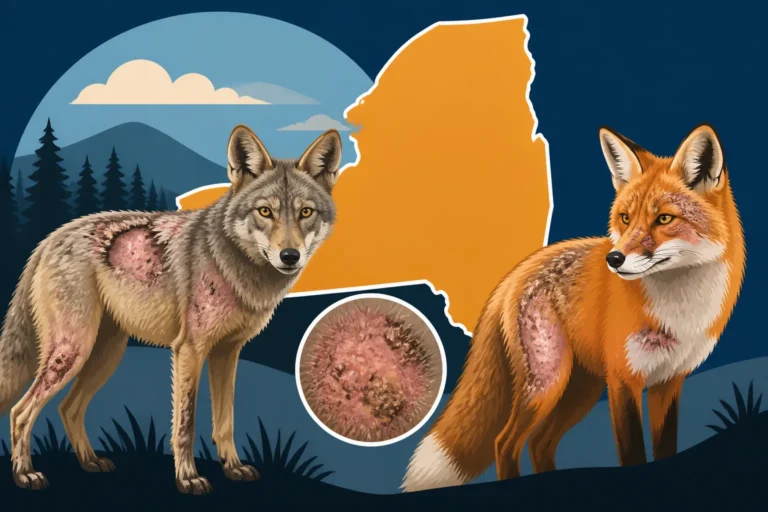
Compounding this, increased predation from species like foxes, coyotes, and various raptors can significantly impact small, struggling pheasant populations. While these predators are a natural part of the ecosystem, their impact becomes more pronounced when pheasant numbers are already low and their protective habitat is fragmented. When there are fewer places to hide and fewer birds to begin with, each loss due to predation stings that much more, making it incredibly difficult for a localized wild population to rebound.
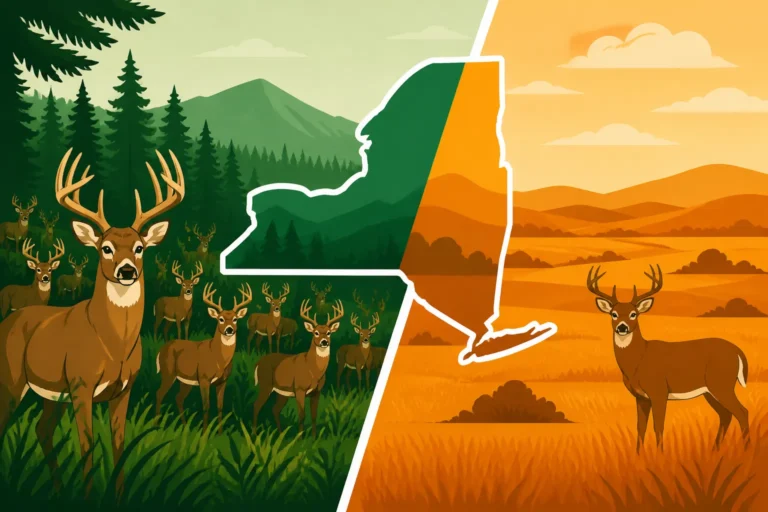
Today, truly wild pheasant populations in New York are incredibly localized and fragile. You won't find them in robust numbers across entire counties as you might have generations ago. Instead, they exist as small, isolated pockets, often clinging to existence in very specific areas where a unique combination of suitable habitat, landowner practices, and perhaps a bit of luck has allowed them to persist. These birds are a testament to their inherent hardiness, but their scarcity makes them a rare and special find for any hunter. The challenge lies in distinguishing these hardy survivors from the many New York's Pheasant Stocking Program birds that get released each season.
Where to Potentially Find Remnant Wild Pheasants (and the Challenges)
If you're determined to find a truly wild pheasant in New York, you'll need to adjust your expectations and your hunting strategy significantly. Forget the well-advertised stocking sites; you're looking for needle-in-a-haystack situations where small, isolated populations might still be hanging on. These areas typically share a few common characteristics: a mosaic of agricultural fields, abundant escape cover, and a general lack of intense hunting pressure on wild birds.
One of the best bets for finding these elusive birds is in certain areas of Pheasant Hunting Western New York Farmland and portions of the Finger Lakes Region. These areas still retain some of the diverse agricultural landscape that pheasants favor. Look for parcels that aren't exclusively vast, clean-tilled fields. Instead, seek out areas with a mix of row crops, hayfields, thick multiflora rose hedgerows, switchgrass plantings, cattail marshes, and un-mowed conservation buffers around water bodies. These are the kinds of places where a wild pheasant hen might feel secure enough to build a nest and raise a clutch.
Scouting these specific habitat types is crucial. Aerial photos can be a tremendous asset here. You'll want to pore over maps, looking for those transition zones, thick field edges, and brushy drainages that stand out as prime cover. Tools like GoHunt can be invaluable for identifying these subtle habitat nuances on various parcels, helping you pinpoint potential hideouts for wild birds. Imagine finding a small cornfield that butts up against a thicket of sumac and goldenrod, or a hayfield bordered by a dense ditch line – these are the kinds of spots that scream "pheasant!"
The biggest challenge, beyond finding the habitat, is gaining access. Most of the remaining wild pheasant habitat is on private land. This means Getting Private Land Permission in New York is paramount. Approach landowners respectfully, explain your interest in hunting pheasants, and perhaps even offer to help with small tasks around the farm. You might be surprised at how willing some landowners are to allow access, especially if you demonstrate responsibility and respect for their property. Remember, a polite knock on the door can open up hunting opportunities that simply don't exist on public land for wild pheasants. Another key challenge is that even if you find good cover, those wild birds are incredibly wary. They've survived by being smart, often flushing far out of range or sneaking away before you even know they're there. This is where a good bird dog, particularly a pointing dog that can hold birds until you get into position, becomes an indispensable asset, as discussed in Running Pointing Dogs on New York Pheasants.
Here's a quick look at the kind of habitat features that can indicate potential wild pheasant presence:
| Habitat Feature | Description | Why it's Important for Wild Pheasants |
|---|---|---|
| Dense Hedgerows | Rows of shrubs, small trees, and tall grasses separating fields. | Excellent travel corridors, escape cover from predators, and winter thermal protection. |
| Unaltered Field Edges | Areas between crops and woods/brush that are not mowed or tilled. | Crucial nesting sites, brooding cover for chicks, and insect foraging. |
| Wetlands/Marshes | Cattail stands, wet meadows, brushy swamp edges. | Prime winter cover, protection from severe weather, and roosting sites. |
| Standing Corn/Grain | Fields left unharvested into winter, or those with heavy stubble. | Vital food source and cover during colder months. Can be great to hunt near a Hunting a Standing Cornfield in Farm Country. |
| Conservation Strips | Buffer strips of native grasses or wildflowers along streams or field borders. | Nesting and brooding habitat, insect production for chicks, and travel lanes. |
| Tall Grass/Brush | Patches of thick switchgrass, goldenrod, sumac, or multiflora rose. | Critical escape cover, loafing areas during the day, and winter thermal cover. |
Conservation Efforts and the Future for Wild Pheasants
While widespread wild pheasant populations might be a thing of the past in New York, that doesn't mean conservation efforts have ceased. On the contrary, various programs and initiatives are working to improve habitat, which in turn benefits all wildlife, including pheasants. These efforts often focus on creating the type of diverse cover and food sources that wild pheasants need to survive and reproduce.
Many state and federal programs offer incentives to private landowners to establish and maintain wildlife habitat on their properties. These might include planting native warm-season grasses, establishing hedgerows, or leaving certain fields fallow. For instance, some of the habitat work done on Habitat Work on New York WMAs or through private land cooperators aims to create ideal conditions that, if sustained, could allow small wild populations to flourish. The challenge is the scale of these efforts compared to the vast changes in agricultural practices across the state.
The role of the hunter in wild pheasant conservation is more critical than ever. It's about being informed, supporting habitat initiatives, and practicing responsible hunting. If you do happen to stumble upon a wild pheasant nest or brood, observing from a distance and allowing them to thrive undisturbed is the best course of action. Supporting organizations that focus on upland bird habitat is also vital. While the thrill of hunting a truly wild bird is unmatched, recognizing the rarity of the opportunity and understanding that most of your pheasant hunting experiences will come from New York Pheasant Season and Stocking is key.
For the vast majority of hunters, the reality is that their pheasant hunting experiences will revolve around stocked birds. This isn't a bad thing; the stocking program provides fantastic recreational opportunities and introduces new hunters to the sport. However, understanding the difference between a stocked bird and a wild bird, and appreciating the efforts to maintain even small pockets of truly wild pheasants, adds a deeper layer to our hunting heritage. It reminds us of a time when the landscape was different, and it inspires us to protect the remaining vestiges of wildness for future generations. For anyone interested in hunting these beautiful birds, regardless of whether they are wild or stocked, understanding the rules outlined in New York Small Game and Upland Bird Seasons is a must.
Disclaimer
This article is for general informational purposes only and does not constitute professional advice. Laws, prices and regulations vary by location and change over time. Consult a qualified professional for guidance on your specific situation.