New York Wildlife Rehabilitation for Injured Game
New York wildlife regulations prohibit unlicensed residents from possessing injured game species to prevent dangerous stress.
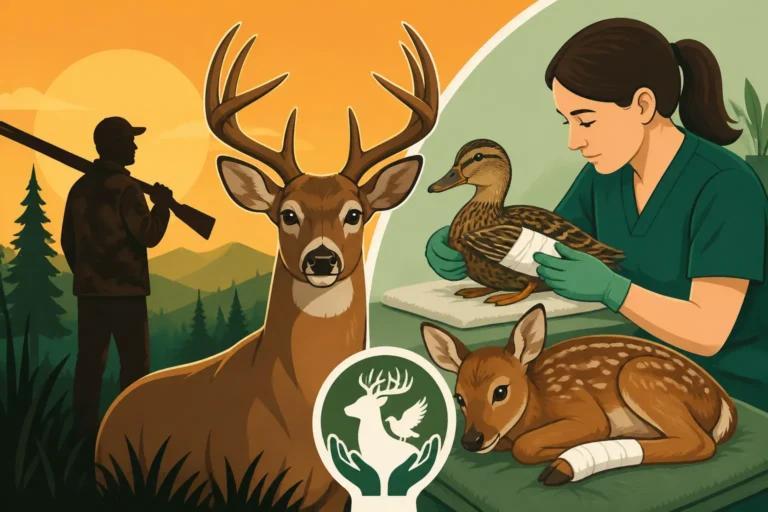
New York wildlife regulations prohibit unlicensed residents from possessing injured game species to prevent dangerous stress.
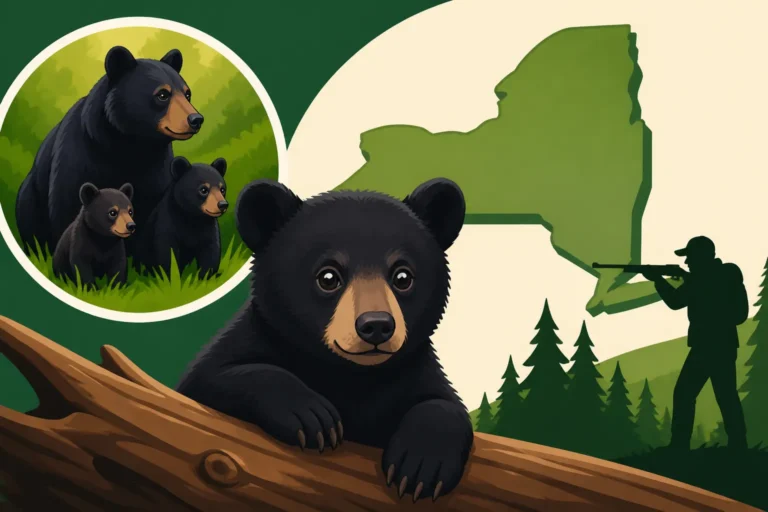
New York black bear cub survival rates depend on winter den conditions, maternal milk production, and environmental food availability.
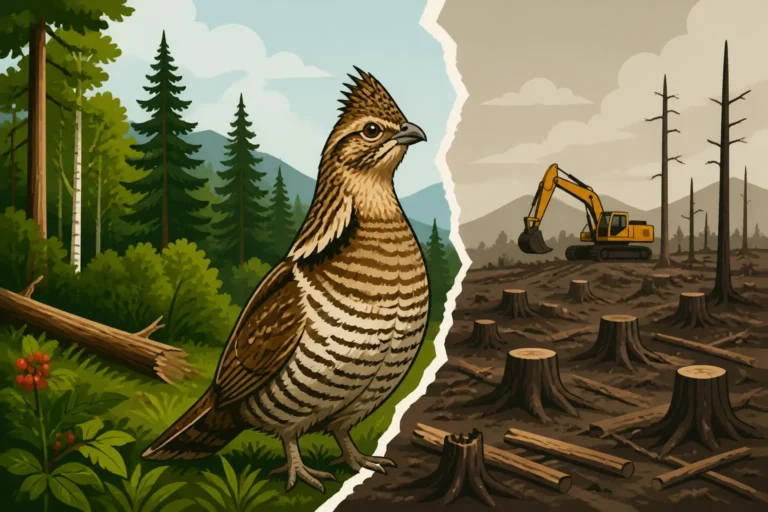
New York ruffed grouse population decline stems from vanishing young forests and suppressed natural disturbances like wildfires.
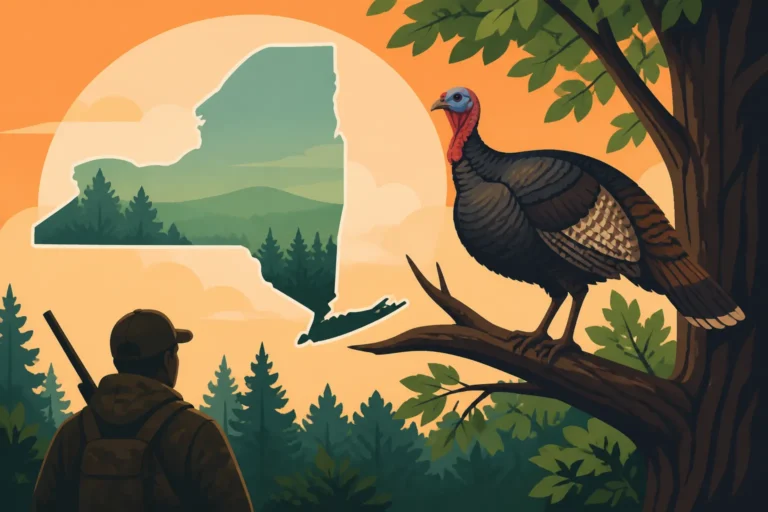
New York wild turkey roost tree preferences include mature oaks, maples, and beeches with strong horizontal limbs and open understories.
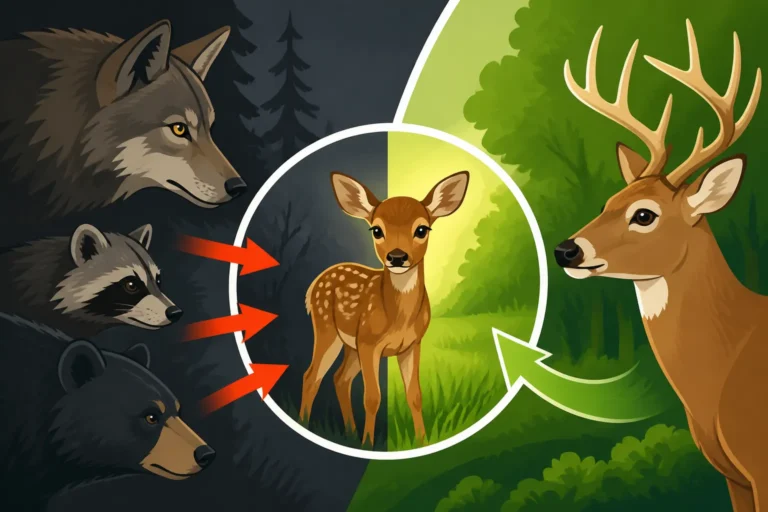
New York predator impacts on fawn survival explain how coyotes and black bears influence local deer herd recruitment and population numbers.
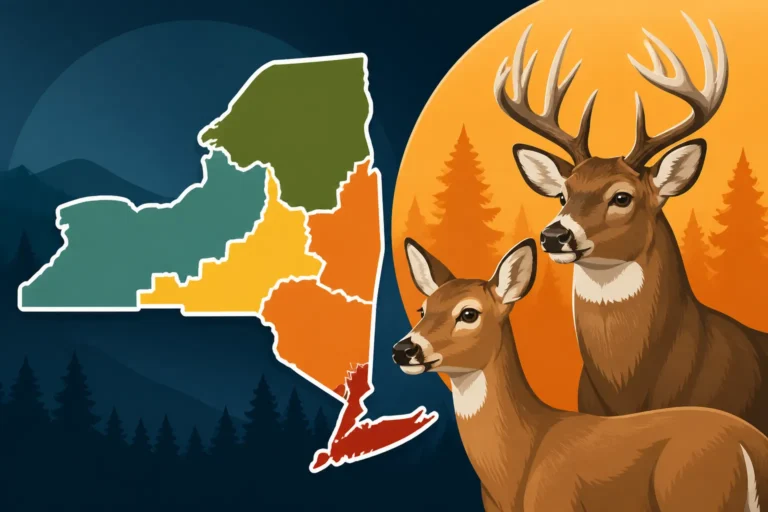
New York buck-to-doe ratios explain deer behavior, rut intensity, and hunting strategies across different regions of the state.
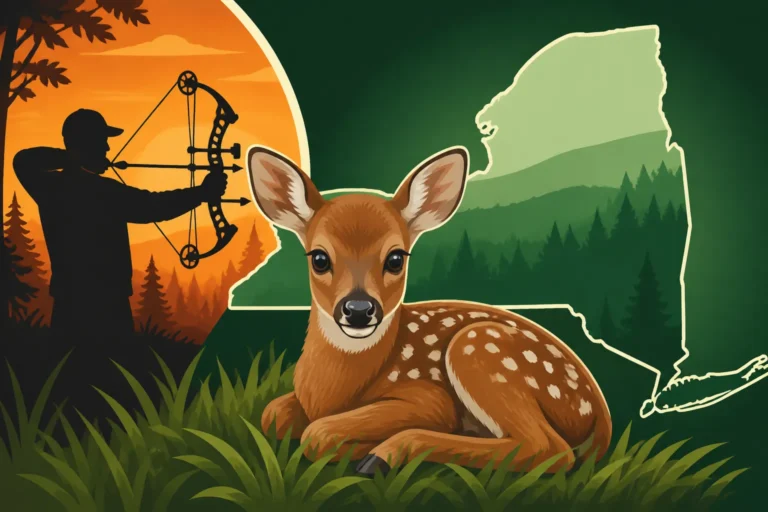
New York fawn survival rates depend on predators, weather, and maternal instincts hiding vulnerable newborns within thick cover.
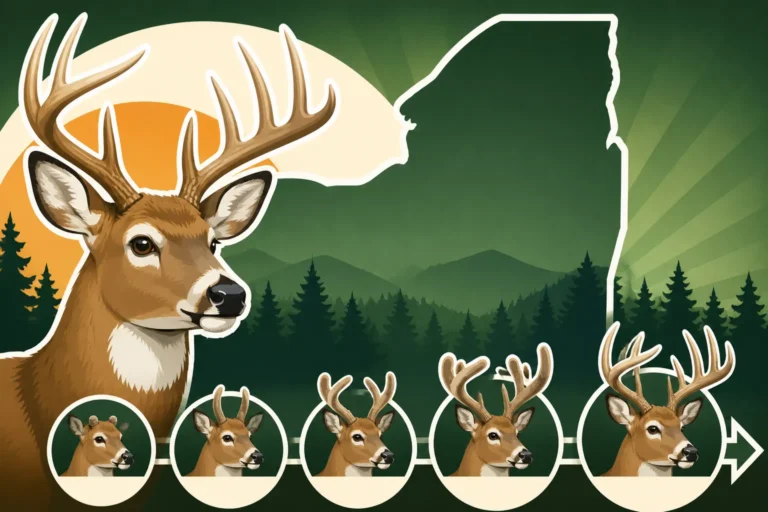
New York whitetail bucks shed antlers from late December through early April before regrowing soft velvet nubs each spring.
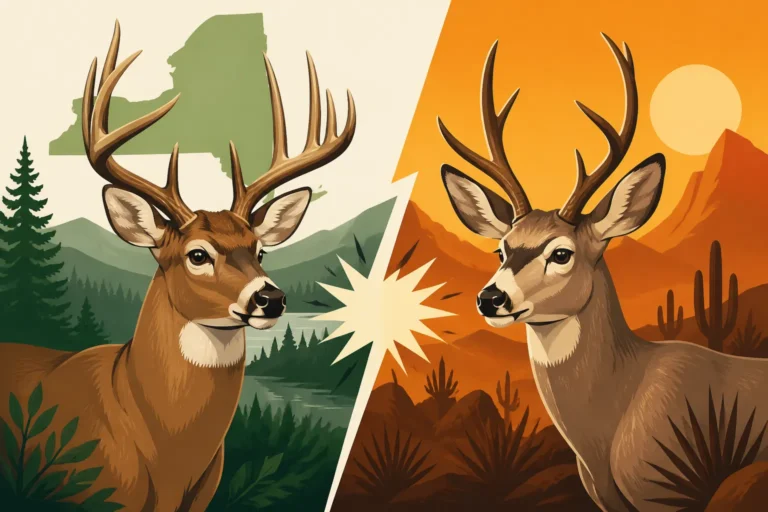
New York white-tailed deer and Coues deer myths are addressed by comparing regional body sizes and habitats across the state.
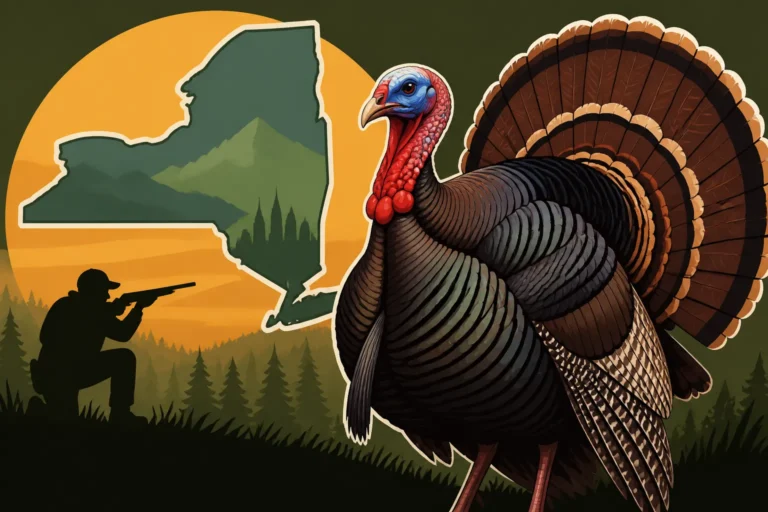
The Eastern Wild Turkey subspecies dominates New York, featuring distinct copper plumage, chestnut tail bands, and heavy body weights.