Fogged Optics in New York Cold
Few things are as frustrating as raising your binoculars for that crucial deer or bear identification, only to find your view obscured by a thick, milky film. Fogged optics in New York's brutal cold can cost you a shot opportunity, spoil a scouting mission, or even obscure your path through dense timber when you're trying to track a deer after dark. This guide will dive deep into why your glass fogs up and, more importantly, how to keep your vision crystal clear when it matters most in the challenging conditions of a New York hunt.
The Science of Fogged Optics in Cold Weather
Understanding why your optics fog up is the first step toward preventing it. It's not just "cold" that does it; it's a specific set of conditions interacting with physics. New York's climate, with its damp, cold air, sudden temperature changes, and often high humidity, creates a perfect storm for fogging issues.
Temperature Differentials and Humidity
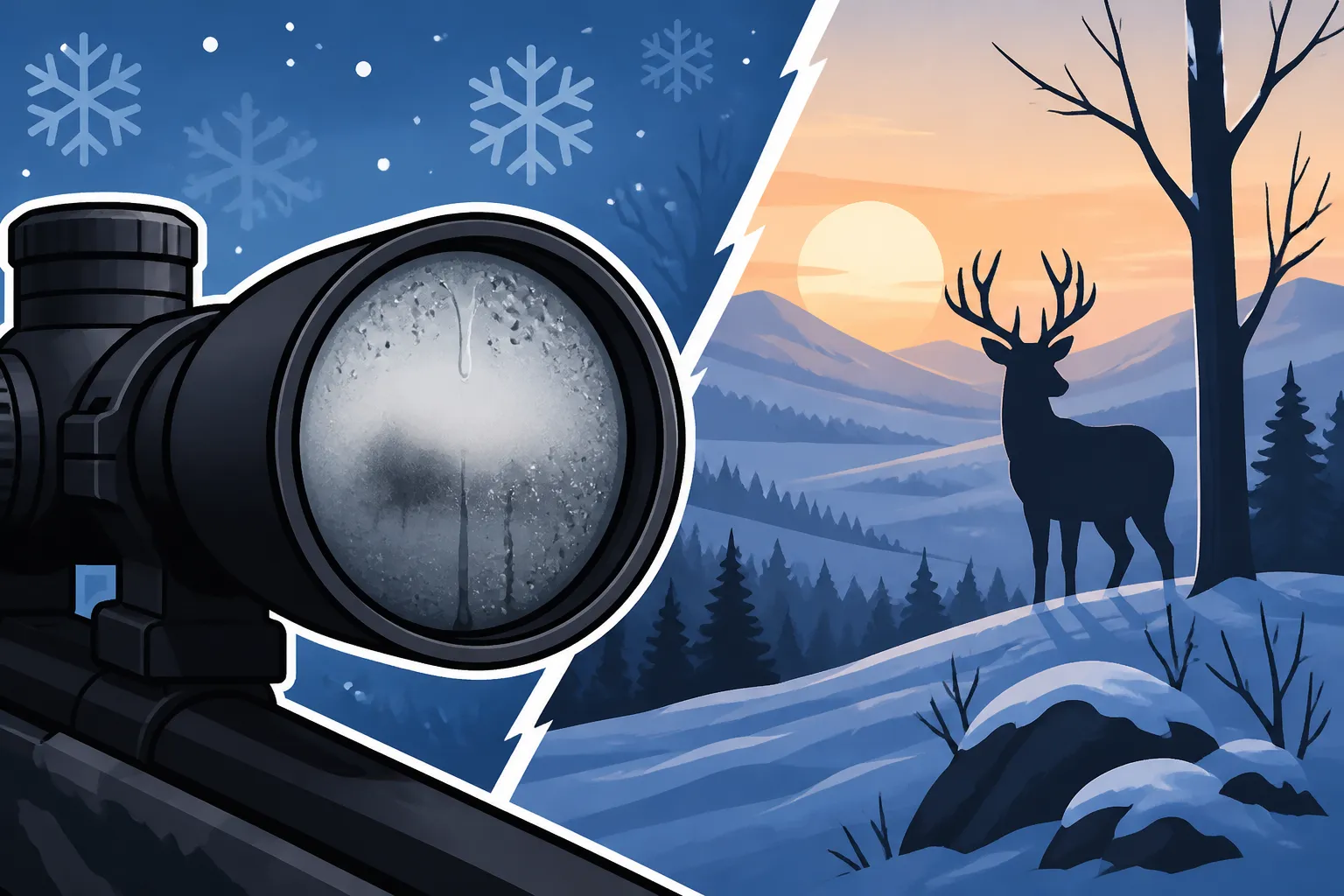
The most common reason for external fogging is a significant temperature difference between the lens surface and the surrounding air, combined with humidity. Imagine walking through the frosty woods of the Southern Tier during rifle season, your binoculars hanging against your warm chest. The glass itself is cold, probably close to the ambient air temperature. Then, you spot movement, quickly raise them to your eyes, and suddenly, the warm, moist air around your face and breath hits that cold glass. Condensation forms instantly, just like the fog on your bathroom mirror after a hot shower.
This isn't just a minor annoyance; it can be a serious problem. If you're hunting in the Adirondacks, where temperatures can plummet and the air holds a lot of moisture, pulling your rifle scope out from under your jacket can lead to instant fogging the moment it hits the biting cold air. The more extreme the temperature difference and the higher the humidity, the faster and thicker the fog will appear. This is especially true when moving from a warm truck or heated blind directly into frigid conditions.
The Problem with Breath and Body Heat
Even if your optics are somewhat acclimated, your own body heat and breath can be major culprits. When you exhale, that warm, moist air directly impacts the cold lens surfaces. It's a localized micro-climate that can fog up even well-treated optics in an instant. This is particularly problematic with rifle scopes, where your eye is close to the ocular lens, and your breath can easily wash over it just as you're trying to make a shot. The same applies to binoculars when you hold them tight to your face.
Sweat can also play a role, especially if you've been hiking hard up a Catskill ridge, causing moisture to evaporate and condense on your lenses when you stop to glass. Even the oil from your skin can create a film that attracts and holds condensation. It's a battle against the elements and your own physiology, making a clear view a hard-won victory.
Strategies for Preventing External Fogging
Luckily, external fogging is often preventable with a few smart techniques and the right products. It's all about managing those temperature differentials and moisture.
Lens Wipes and Anti-Fog Coatings
One of your best friends in the cold New York woods will be a good anti-fog treatment. Many optics manufacturers now apply hydrophobic and oleophobic (water and oil repellent) coatings to their lenses, but these can wear down over time, especially with improper cleaning. You can also purchase aftermarket anti-fog solutions that you apply directly to your lenses. These typically create a microscopic film that prevents water droplets from coalescing into larger, vision-obstructing fog. When you're picking up a new pair of binoculars or a rifle scope, check the manufacturer's specifications for these types of coatings. Many serious hunters, myself included, will apply an additional anti-fog solution, especially for those critical Rifle Scopes for Low-Light Timber hunts where every second of clarity counts.
It's also crucial to carry appropriate lens wipes. Don't just use your shirt tail! Microfiber cloths specifically designed for optics are essential. They remove moisture and grime without scratching delicate coatings. For quick field fixes, pre-moistened lens wipes can be a lifesaver, but be mindful of the chemicals they contain, as some can degrade certain lens coatings over time. Always test in an inconspicuous area if you're unsure.
Acclimatizing Your Gear
This is a simple but highly effective strategy. If you're coming from a warm vehicle or cabin into freezing temperatures, don't just yank your optics out and expect them to perform. Give them time to adjust. Place your binoculars or scope in an outer pocket of your pack, or even hang them outside your tent or truck for a while before your hunt begins. The goal is to let their temperature slowly equalize with the ambient air. This minimizes the shock of a sudden temperature change when you raise them to your eye.
During a long sit in a treestand, especially if you're hunting the New York Southern Zone Firearm Season, consider keeping your binoculars under your outer jacket layer. This keeps them moderately warm but not so hot that they'll instantly fog when exposed. The trick is finding that sweet spot where they're not freezing, but also not steaming hot. A good rule of thumb is to aim for a temperature close to the outside air, but just slightly above freezing if possible, to prevent ice crystal formation.
Protecting Lenses from Moisture
Moisture isn't just about fog; it's about rain, snow, and condensation from other sources. Investing in quality lens caps for both ends of your binoculars and scope is non-negotiable. Always keep them on when not actively glassing. This prevents snow, rain, and even accidental breath from settling directly on the glass. When conditions are particularly nasty, like during a heavy snowfall on the Tug Hill Plateau, using a scope cover or even wrapping your binoculars in a small towel or cloth can provide an extra layer of protection.
Consider also how you carry your optics. A bino harness that keeps your glass tight to your chest helps shield it from falling precipitation and your own breath. Some harnesses even have built-in lens covers. When you're out in a downpour or hunting in deep Tug Hill snow, water can collect on the housing and then drip onto the lenses as you raise them. A little foresight in protecting your optics goes a long way. This is particularly critical for your Optics for Adirondack and Catskill Timber where harsh weather can hit without warning.
Tackling Internal Fogging and Condensation
While external fogging is a common nuisance, internal fogging is a more serious issue that usually indicates a problem with the optics themselves.
Understanding Sealed and Purged Optics
High-quality binoculars and rifle scopes are generally "sealed" and "purged." This means that after assembly, all the air inside the optical housing is removed and replaced with an inert gas, typically nitrogen or argon. This gas is dry and doesn't contain moisture. The housing is then sealed with O-rings to prevent moisture and dust from entering. This process is crucial because it prevents internal condensation and fogging. If moisture can't get in, it can't condense on the internal lens surfaces.
When you're comparing different brands, especially if you're researching on sites like GoHunt, look for terms like "nitrogen purged" or "argon purged" and "O-ring sealed." These are indicators of durable, all-weather optics. They're designed to withstand the extreme temperature fluctuations and humidity common when Hunting the Rut in the Southern Zone or dealing with persistent dampness that might lead to Fogged Optics in New York Cold. A cheap pair of optics that lacks this feature will almost certainly fog internally the first time you take it from a warm environment to a cold one in the woods.
When to Send Them for Service
If your sealed and purged optics begin to fog internally, it's a clear sign that the seal has been compromised. This could happen due to a manufacturing defect, a hard drop, or simply age and wear on the O-rings. Once moisture gets inside, it's very difficult to get out without professional help. Attempting to dry them out yourself with heat can actually cause more damage, as it can expand the internal components and worsen the seal.
At this point, your best course of action is to contact the manufacturer's customer service. Most reputable optics brands offer excellent warranties, often lifetime, that cover internal fogging. They will typically repair or replace the unit. Don't delay, because internal moisture can also lead to mold growth on the lens elements, which can permanently damage your view. While you might try some quick fixes, if it's truly internal fogging, it’s a job for the pros.
Optics Care in Winter Conditions
Beyond active prevention, good habits and proper gear storage are paramount for maintaining optical clarity throughout New York's challenging hunting seasons.
Proper Storage and Transport
How you store and transport your optics can significantly impact their performance in the cold. When you're done hunting for the day, especially if your optics got wet or cold, don't just toss them back into a warm, humid environment or a tight case immediately. Allow them to air dry slowly in a stable, room-temperature environment if possible. This helps prevent any lingering external moisture from condensing when the temperature drops again, and reduces the risk of internal moisture if a seal is slightly compromised. For long-term storage, a dry, cool place is ideal.
When transporting your gear, use padded cases or bags. This not only protects against physical damage but also creates a buffer against rapid temperature changes. If your rifle is riding in a cold truck bed all night, but your scope is protected in a padded case, it will acclimate more slowly and be less prone to fogging when you take it out. Similarly, consider the materials of your carrying cases; some synthetic materials can hold moisture, contributing to problems. Many hunters who meticulously plan their trips, perhaps with tools from GoHunt, also plan their gear care down to the last detail, knowing how quickly New York weather can change.
Field Cleaning and Maintenance
Regular field cleaning is about more than just aesthetics; it's about functionality. Dirt, dust, pollen, and smudges on your lenses provide nucleation sites for condensation, making fogging more likely. Always carry a small lens cleaning kit with you. This should include a soft lens brush to remove loose debris, a lens cleaning solution, and a microfiber cloth.
When cleaning in the field, use the brush first to gently remove any grit that could scratch the lens. Then, apply a small amount of lens cleaning solution to the microfiber cloth (never directly to the lens, especially in cold weather where it could freeze) and gently wipe the lens in a circular motion from the center outwards. Avoid harsh rubbing, especially if the lens is very cold, as this can damage coatings. This routine is essential for maintaining the clarity of your Binocular Power for Timber Hunting throughout a long day on stand.
Choosing the Right Gear for Cold Weather
Not all optics are created equal when it comes to cold-weather performance. When you're in the market for new binoculars or a scope for hunting in New York, prioritize those built for harsh conditions. Look for robust construction, waterproof ratings (measured in meters or atmospheres), and, as mentioned, nitrogen or argon purging. Brands known for their high-quality glass and durable construction often excel in these areas. While price isn't always an indicator, generally, you get what you pay for in terms of cold-weather resilience.
Many hunting resources, including platforms like GoHunt, offer reviews and comparisons that can help you identify optics that stand up to the rigors of a New York winter. Pay attention to user reviews from hunters in cold climates, not just those in fair weather. Think about your layering system too; just as you need to choose appropriate Clothing for a New York November, you need optics that can handle the cold. Consider accessories like objective and ocular lens covers that stay attached and can be flipped open quickly, providing immediate protection when not in use. These small details can make a huge difference in keeping your view clear when it's Muzzleloader Tactics in December Cold.
Ultimately, staying ahead of fogged optics in the cold involves a combination of smart gear choices, diligent care, and understanding the environmental factors at play. By being prepared, you ensure that when that trophy buck steps out, or that bear makes its move, your vision won't be compromised.
| Type of Fogging | Primary Cause | Prevention Strategy | Best Practice |
|---|---|---|---|
| External Fogging | Warm, moist air (breath/humidity) hitting cold glass | Anti-fog treatments, gradual temperature changes | Acclimatize optics slowly, keep lens caps on, apply anti-fog solution before hunt. |
| Internal Fogging | Moisture trapped inside a compromised seal | High-quality, purged (nitrogen/argon) and sealed optics | Invest in reputable brands, handle carefully, utilize warranty for repairs if seal fails. |
| Moisture/Rain | Direct precipitation or humidity settling on lenses | Hydrophobic coatings, protective covers, proper carrying | Use rain covers/flip-up caps, keep optics in a bino harness, wipe gently with microfiber. |
| Dirt/Smudges | Particles/oils on lens surface attracting moisture | Regular cleaning | Use lens brush and microfiber cloth routinely, avoid touching lenses directly. |
Disclaimer
This article is for general informational purposes only and does not constitute professional advice. Laws, prices and regulations vary by location and change over time. Consult a qualified professional for guidance on your specific situation.