New York Suburban Deer Management Permits
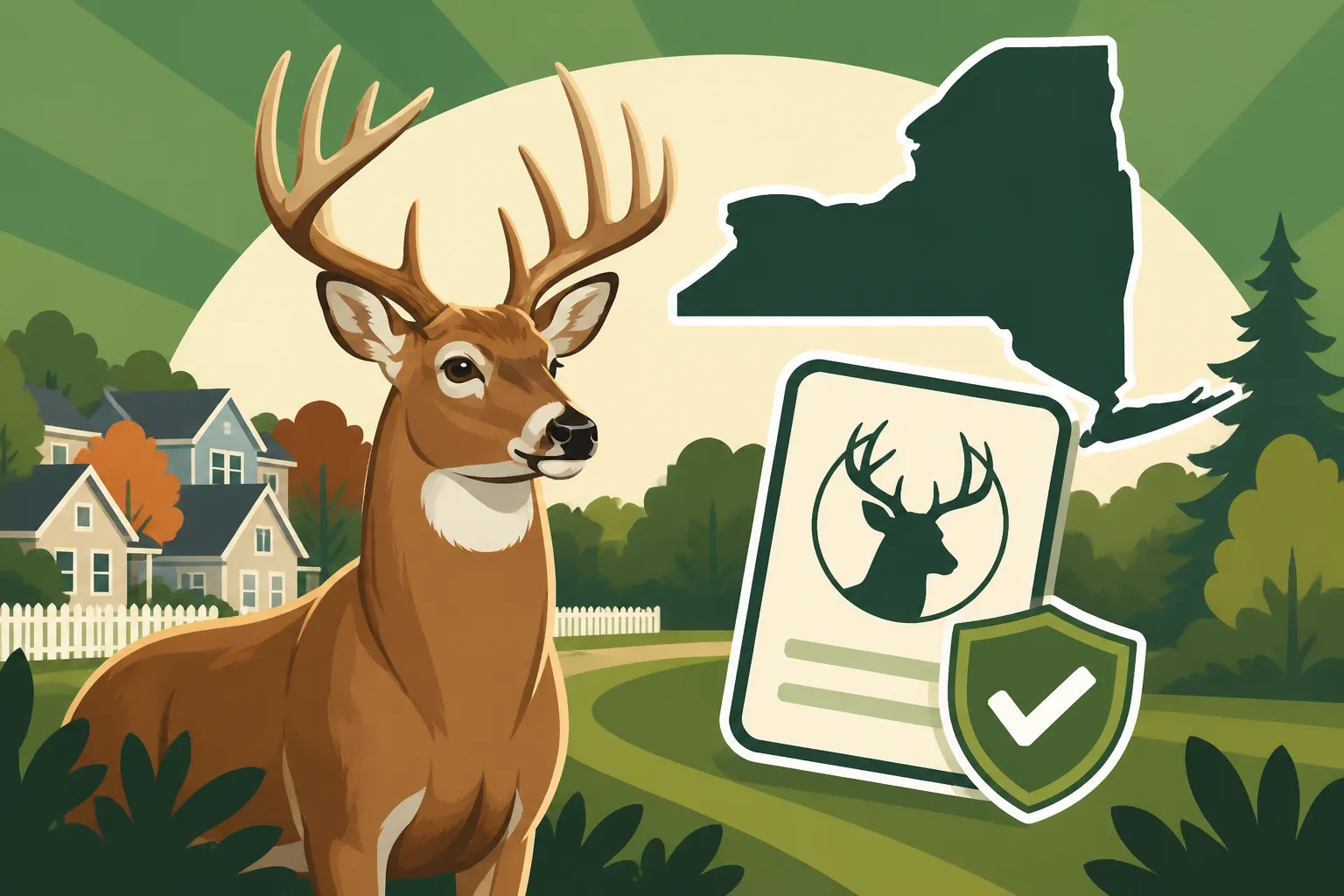
Living in New York, especially around our more developed areas, you know the frustration: deer everywhere. They’re munching on your landscaping, darting across busy roads, and sometimes making you feel like you live in a nature preserve rather than a neighborhood. It's a real headache for homeowners and a safety concern for drivers. This comprehensive guide is all about understanding how New York State addresses this unique challenge through what many hunters refer to as "Suburban Deer Management Permits," giving you the lowdown on how these permits work to balance wildlife with our bustling communities.
Understanding New York's Suburban Deer Challenge
Let’s be honest, seeing a beautiful whitetail in your backyard is charming for about five minutes, right? Then you start noticing the hostas disappearing, the rose bushes looking like they’ve been through a shredder, and maybe even a few close calls with deer on your morning commute. This isn't just an anecdotal problem; it's a significant ecological and public safety issue in many parts of New York State.
In suburban areas, deer populations can explode because they have an abundance of high-quality food (hello, manicured lawns and gardens!) and often fewer natural predators like coyotes. While you might see coyotes even in suburban settings, their impact isn't always enough to keep deer numbers in check. This imbalance leads to overbrowsing, which means deer eat so much vegetation that it harms local ecosystems, impacting other wildlife that relies on those plants. Beyond the ecological damage, the sheer number of deer increases the risk of deer-vehicle collisions, causing property damage, injuries, and even fatalities. Nobody wants to hit a deer on their way home, especially if it means a trip to the body shop or worse. This is precisely why the New York State Department of Environmental Conservation (DEC) has implemented specific strategies to manage deer in these unique environments.
What Are "Suburban Deer Management Permits" and Why the Name?
When hunters talk about "Suburban Deer Management Permits," it’s important to clarify something right away: the New York DEC doesn't actually issue a separate, distinct permit with that exact name. What we're really discussing are the enhanced opportunities and modified rules for taking antlerless deer using standard Deer Management Permits (DMPs) within specific Wildlife Management Units (WMUs) that face significant suburban deer overpopulation issues. The term "Suburban Deer Management Permit" has become a common way for hunters to refer to these targeted efforts.
The DEC has identified several WMUs, particularly in the lower Hudson Valley, Capital Region, Finger Lakes, and Long Island, as "Deer Management Focus Areas" or zones where the deer population simply needs more aggressive management to alleviate conflicts with people. In these designated areas, the DEC often implements special regulations to encourage a higher harvest of antlerless deer. This might include:
- Increased DMP Availability: More DMPs are typically issued, and sometimes they're available without the lottery process seen in other WMUs.
- Extended Seasons: Longer periods where DMPs can be used, often stretching well into the late bow or even early muzzleloader seasons.
- Multiple DMP Opportunities: Hunters might be able to obtain multiple DMPs for these specific WMUs, allowing them to fill several tags.
The goal isn't just to let hunters take more deer; it's a strategic effort to reduce deer densities to a level that minimizes negative impacts on human communities and natural habitats. Think of it as a localized solution to a localized problem, using the existing DMP framework but with an adjusted approach for areas where deer have become a genuine nuisance and danger.
Navigating the Application and Increased Opportunity
So, how do you get in on this action if you live near or want to hunt in one of these high-density suburban WMUs? It starts with understanding which WMUs fall under these special management categories and then following the standard Deer Management Permit (DMP) application process, with a keen eye on the specific regulations for your chosen unit.
First, you'll need a New York State hunting license, which is your gateway to applying for any Deer Management Permits. You can find detailed information on New York Hunting Licenses and What They Cost through the DEC website or by visiting a license vendor. Once you have your hunting license, you can apply for DMPs. The most critical step is identifying the specific WMUs where these "suburban" opportunities exist. While the exact list can shift slightly year to year based on deer population assessments, generally, areas like WMU 1C (Long Island), 3S (Lower Hudson Valley), 4P, 4R, 5R (Capital Region), and several in the Finger Lakes and Central New York often have increased DMP availability. It’s always best to check the current year’s hunting regulations guide, issued by the DEC, for the most up-to-date list and specific rules.
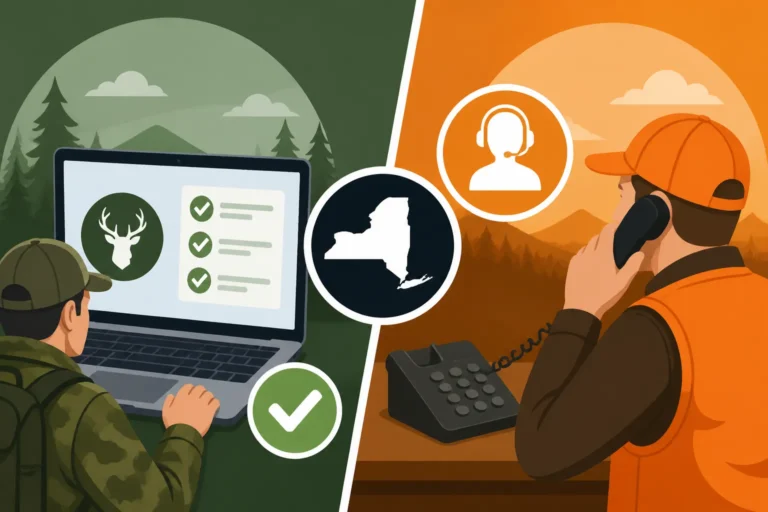
The application process itself for a DMP is usually done online through the NY.gov HuntFishNY system or by phone. Unlike the lottery system in many WMUs where demand often outstrips supply, in these higher-harvest suburban units, DMPs are frequently more readily available, sometimes on an "instant issue" basis after the initial lottery period closes. This means if you're not drawn in the initial lottery for a specific WMU, you might still be able to pick up DMPs for these designated areas later in the season. Some WMUs even allow hunters to apply for a second or even third DMP once the initial allocations are exhausted, greatly increasing your chances of success. Understanding these nuances is crucial, and mapping tools like GoHunt can be really helpful for visualizing the boundaries of these specific WMUs, especially if you're looking at hunting smaller, fragmented parcels. Remember, these DMPs are typically for antlerless deer only, which is the primary driver for population reduction efforts. You can learn more about the broader DMP system by reading our guide on New York Deer Management Permits Explained.
| Feature | Standard DMP (Typical WMU) | DMP (Suburban/Focus WMU) |
|---|---|---|
| Primary Goal | General herd health & balance | Significant population reduction |
| Availability | Often limited, lottery-based | Higher volume, often instant issue |
| Number per Hunter | Typically one, maybe two | Multiple permits often available |
| Season Extensions | Standard zone dates | Frequently extended antlerless seasons |
| Geographic Scope | Any eligible WMU statewide | Specific "Deer Management Focus Areas" |
| Hunter Impact | Minor influence on local population | Direct, measurable impact on local population |
Hunting Smart in New York's Suburban Zones
Hunting in a suburban environment with these specialized DMPs presents a unique set of challenges and opportunities. It's not like still-hunting deep in the Adirondacks or setting up a treestand in remote Southern Tier hardwoods. Here, you're often dealing with smaller tracts of land, closer proximity to residences, and higher non-hunter activity.
One of the biggest hurdles is securing suitable hunting ground. While public land exists, many suburban hunting opportunities are found on private property. This means you’ll need to put in the legwork to obtain landowner permission. It's a skill in itself, requiring respect, clear communication, and often building relationships. Platforms like GoHunt can be invaluable here, allowing you to identify land ownership details and potential areas to approach for permission within your target WMU. Make sure you understand New York Trespass and Permission Law thoroughly before heading out. When seeking permission, always be prepared to explain how you plan to hunt safely, your commitment to ethical hunting practices, and how you're helping manage the local deer population, which might be impacting their property. Many landowners who are tired of deer damage are often receptive to responsible hunters.
Safety is paramount in suburban settings. Your shot placement needs to be precise, and you must always be aware of your surroundings, including homes, roads, and trails. This is why many suburban areas are restricted to archery or shotgun/muzzleloader hunting, with strict New York Firearms Discharge Setback Rules. Knowing your safe shooting lanes and having a solid backstop is non-negotiable. Using a ground blind can be an excellent tactic to stay concealed and manage your shot angles, especially on smaller parcels or near property lines. When hunting these areas, carrying proof of your license and permits, along with written permission if on private land, is always a good practice. After the shot, prompt and efficient game recovery is essential. If you manage to fill your tag, don't forget to Reporting a New York Deer Harvest Online as required by DEC law.
Tactics might also differ. Deer in suburban zones often become quite nocturnal due to human activity during the day. Focusing on early mornings and late evenings, or even mid-day sits if you're targeting areas with less foot traffic, can be effective. Scouting is still key, but it will be different; you're looking for hidden pockets of cover, green spaces, creek bottoms, or thickets that provide refuge close to residential areas. Deer will use these corridors to move between bedding and feeding areas. Using tools like GoHunt or the Scouting With the New York HuntFishNY App to analyze aerial photos can help you identify these overlooked spots, even in seemingly dense development.
Impact and Importance of Suburban Deer Management
The success of these enhanced DMP opportunities, or "Suburban Deer Management Permits," goes far beyond just providing more hunting opportunities. They play a vital role in fostering healthier ecosystems, reducing public safety risks, and promoting a more harmonious coexistence between humans and wildlife in New York's ever-expanding suburban footprint.
By allowing for a more focused and increased harvest of antlerless deer in these specific WMUs, the DEC is directly working to bring deer populations back into balance with their habitat. When deer numbers are too high, they can decimate native plant communities, which in turn impacts other species that rely on those plants for food and shelter. Overbrowsing by deer can change the very composition of a forest understory, leading to a loss of biodiversity. These permits are a crucial tool in mitigating that ecological damage.
From a public safety standpoint, the numbers speak for themselves. Every deer harvested in a high-density suburban area means one less deer potentially running into traffic, reducing the instances of costly and dangerous deer-vehicle collisions. It also helps alleviate the financial burden on homeowners who are constantly trying to protect their landscaping from hungry deer. It's an active way for hunters to contribute directly to the well-being and safety of their communities, often tackling issues that non-hunters might not even realize are tied to deer population dynamics.
While the challenges of hunting in suburban zones are undeniable—from navigating complex property lines to adhering to strict safety rules—the contribution of hunters utilizing these permits is incredibly valuable. They are on the front lines, doing the practical work of wildlife management that benefits everyone, from the motorist to the gardener, and ultimately, the deer herd itself by preventing overpopulation and the associated health issues like disease spread. As New York continues to develop, the strategic use of these targeted deer management efforts will only grow in importance, ensuring our deer populations remain healthy and our communities remain safe.
Disclaimer
The information provided in this guide is for general informational purposes only and does not constitute legal advice. Hunting regulations in New York State can change, and it is the hunter's responsibility to consult the most current New York State Department of Environmental Conservation (DEC) hunting regulations guide, available on their website or from a license vendor, before engaging in any hunting activities. Always prioritize safety and ethical hunting practices.