New York Mallard and Black Duck Numbers
For any New York waterfowl hunter, there's a natural curiosity, perhaps even a deep-seated worry, about the health of our duck populations. We spend countless hours scouting marshes, setting decoys, and braving the elements, and we want to know that our efforts are part of a sustainable tradition, not just chasing ghosts. This guide dives deep into the numbers and trends of two of our most iconic dabbling ducks: the ubiquitous mallard and the often more elusive black duck, offering insight into their current status and what that means for hunters across the Empire State.
The Enduring Presence of Mallard Populations in New York
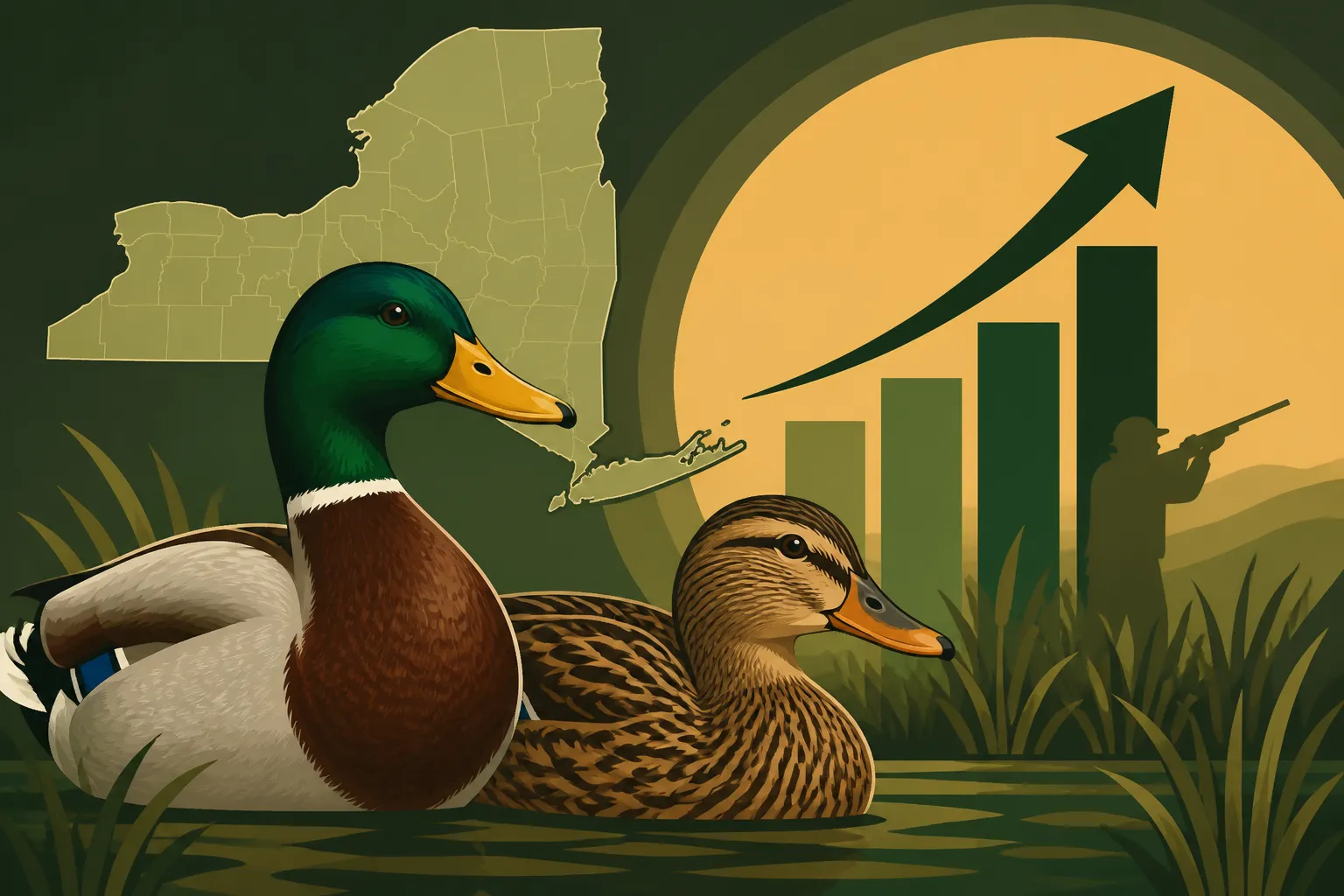
Mallards are, without a doubt, the most recognizable duck in North America, and their presence across New York is nothing short of astounding. From the tiniest farm pond to the vast expanse of the Great Lakes and the Atlantic Coast, these adaptable birds seem to thrive almost everywhere. They're a true success story, often seen dabbling in shallow water, tipping up to feed on submerged vegetation, or even waddling through urban parks, bold as brass.
Think about a typical fall morning in a cattail marsh along the Finger Lakes or a quiet backwater slough off the St. Lawrence River. Chances are, you'll hear the familiar "quack-quack-quack" of a hen mallard long before legal shooting hours. Their robust numbers are a testament to their incredible adaptability. They're not picky eaters, consuming a wide range of seeds, aquatic plants, and invertebrates. They also nest readily in diverse habitats, from dense grasses near water to even suburban flowerbeds if undisturbed. This broad ecological niche has allowed them to maintain strong populations even as landscapes change. For a hunter, this often means consistent opportunities throughout the season, from the early teal opener through the colder, late-season hunts. When you're out there, a tool like GoHunt can sometimes even show you different habitat types to focus on for these versatile birds, whether it's a flooded timber patch or a shallow marsh.
Historically, mallards have benefited from agricultural practices in many ways. Waste grain left in harvested fields provides an abundant food source during migration and through the winter. This, coupled with their ability to tolerate human disturbance better than some other species, has cemented their status as a widespread and numerous duck. However, even with their strong numbers, it’s important to remember that local populations can fluctuate based on breeding success, migration patterns, and habitat availability. They're often the first bird in the bag for many new waterfowl hunters, and their sheer abundance makes them a cornerstone of New York Waterfowl Hunting by Zone across the state.
Black Duck Trends: A Species of Concern
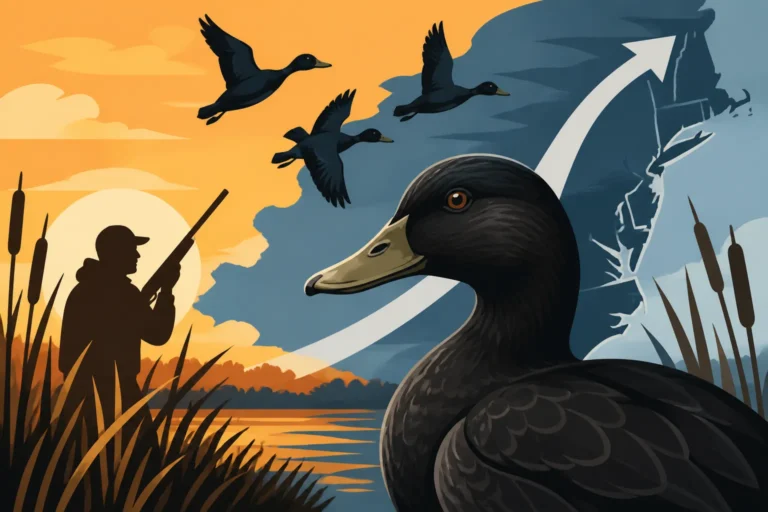
While mallards paint a picture of thriving abundance, the American black duck tells a different, more nuanced story. For many veteran waterfowl hunters in New York, the black duck holds a special place. They're wilder, often warier, and their striking dark plumage against the gray skies of a late fall morning is a sight to behold. But unlike their mallard cousins, black duck populations have been a source of concern for decades, showing a long-term decline across their range, including here in New York.
Black ducks are true creatures of the East Coast, favoring tidal marshes, coastal estuaries, and secluded freshwater wetlands. You're more likely to find them tucked away in the dense cover of a pristine salt marsh on Long Island or a quiet, ice-edged creek in the Adirondacks than you are to spot them in a city park. Their habitat requirements are more specific, making them more vulnerable to habitat loss and degradation. Coastal development, pollution, and the conversion of wetlands for agriculture or other uses have all chipped away at the prime real estate black ducks need to thrive. When you're chasing them, using a reliable mapping application like GoHunt can help you pinpoint those untouched, remote marsh areas where black ducks prefer to congregate, helping you scout more effectively. Understanding Black Ducks on the Atlantic Flyway is crucial for appreciating their unique challenges.
The competition and hybridization with mallards are also significant factors in the black duck's struggle. Mallards are more numerous and adaptable, and where their ranges overlap, they often interbreed with black ducks. Over generations, this can lead to a dilution of the black duck gene pool, gradually eroding their distinct characteristics. Conservation efforts have focused on protecting and restoring critical black duck habitats and monitoring population trends closely. For hunters, bag limits on black ducks are often more restrictive than for mallards, reflecting their conservation status. This isn't about blaming hunters; it's about managing a precious resource thoughtfully. Learning about New York Duck Harvest Numbers over the years can often show the difference in management strategies for these two species.
Factors Influencing Duck Numbers in New York
Both mallard and black duck populations, despite their individual trajectories, are influenced by a complex web of environmental factors, human activities, and climatic changes. Understanding these dynamics is key to appreciating the resilience of some species and the vulnerability of others. It's not just about what happens on the hunting grounds, but what happens thousands of miles away on their breeding grounds and along their migratory routes.
One of the most critical factors is habitat. For mallards, this means agricultural lands, shallow wetlands, and even urban green spaces, all providing food and cover. For black ducks, it's those pristine coastal marshes, tidal flats, and secluded forest wetlands that are increasingly under pressure. Degradation or outright destruction of these habitats, whether through development, pollution, or invasive species, directly impacts their ability to breed, feed, and find refuge. Imagine trying to find Waders for New York Marsh Hunting if all the marshes were gone! Furthermore, water quality plays a huge role; healthy wetlands mean healthy invertebrates and plants for ducks to eat. This is why organizations and hunters contribute to efforts to preserve and restore these vital areas.
Weather and climate patterns also exert immense influence. Droughts on the prairie breeding grounds, for instance, can drastically reduce mallard nesting success, leading to fewer birds migrating south to New York. Conversely, mild winters in New York might mean ducks linger longer, altering traditional migration patterns. Extreme weather events, such as severe storms, can impact coastal black duck habitats. Hunting pressure is another factor, though modern waterfowl management, informed by scientific data, aims to set sustainable harvest levels. Regulations around New York Waterfowl Zones and Seasons and federal requirements like the New York Federal Duck Stamp Requirement are all designed to manage this. Hunters, by participating in these systems and adhering to bag limits, are crucial partners in conservation.
What Hunters Can Do to Support Healthy Populations
As hunters, we have a unique connection to the landscape and a vested interest in the health of waterfowl populations. Our passion for the pursuit naturally extends to a responsibility for conservation. There are tangible steps we can all take to ensure that future generations can enjoy the thrill of calling in mallards and the challenge of pursuing black ducks. It's more than just buying a license; it's about active stewardship.
First and foremost, financial contributions to conservation are paramount. When you buy your New York Federal Duck Stamp Requirement and get your New York HIP Certification for Bird Hunters, that money goes directly to wetland conservation and research. Organizations like Ducks Unlimited, Delta Waterfowl, and local conservation groups are doing incredible work protecting, restoring, and enhancing critical waterfowl habitat. Becoming a member or donating to these groups translates directly into acres saved and improved for ducks. Consider it an investment in your future hunts and the future of the resource. Without these funds, the habitats that sustain our ducks, whether they are Hunting the Lake Champlain Marshes or Diver Hunting on Eastern Lake Ontario, would be far less secure.
Beyond financial support, active participation in habitat projects is invaluable. Many conservation organizations host volunteer days for planting native vegetation, clearing invasive species, or building wood duck boxes. Giving your time to physically improve habitat on public or private lands makes a direct difference. Additionally, being a responsible hunter means knowing your ducks, adhering to all regulations, and accurately reporting your harvest. Reporting your New York Duck Harvest Numbers helps wildlife managers make informed decisions about season lengths and bag limits. Finally, educate yourself and others. Share your knowledge about the importance of wetlands and the challenges faced by species like the black duck. Encourage ethical hunting practices and respect for the resource. By being informed and engaged, we help foster a culture of conservation that benefits all New York Waterfowl Migration Timing.
| Feature | Mallard | American Black Duck |
|---|---|---|
| Appearance | Male: iridescent green head, white neck ring, chestnut breast. Female: mottled brown. | Both sexes: uniformly dark sooty-brown body, pale gray face, dark crown, dark bill. |
| Habitat | Highly adaptable: freshwater marshes, ponds, rivers, lakes, agricultural fields, urban parks, coastal areas. | Primarily coastal saltwater marshes, estuaries, secluded freshwater wetlands, boreal forests. Prefers less disturbed areas. |
| Diet | Omnivorous: seeds, grains, aquatic vegetation, invertebrates, small fish. | Similar, but often more reliant on marine invertebrates in coastal habitats. |
| Status | Abundant and widespread, strong population trends. | Declining populations, species of conservation concern. |
| Behavior | Less wary, more tolerant of human presence, often hybridizes with black ducks. | More wary, elusive, often uses dense cover, less tolerant of human disturbance. |
| Vocalization | Classic "quack" (hen), soft "kweks" (drake). | Hen's "quack" is often coarser and louder than a mallard hen. |
| Range (NY) | Found throughout the state. | More concentrated in coastal and eastern regions, but found in suitable habitat statewide. |
Disclaimer
This article is for general informational purposes only and does not constitute professional advice. Laws, prices and regulations vary by location and change over time. Consult a qualified professional for guidance on your specific situation.