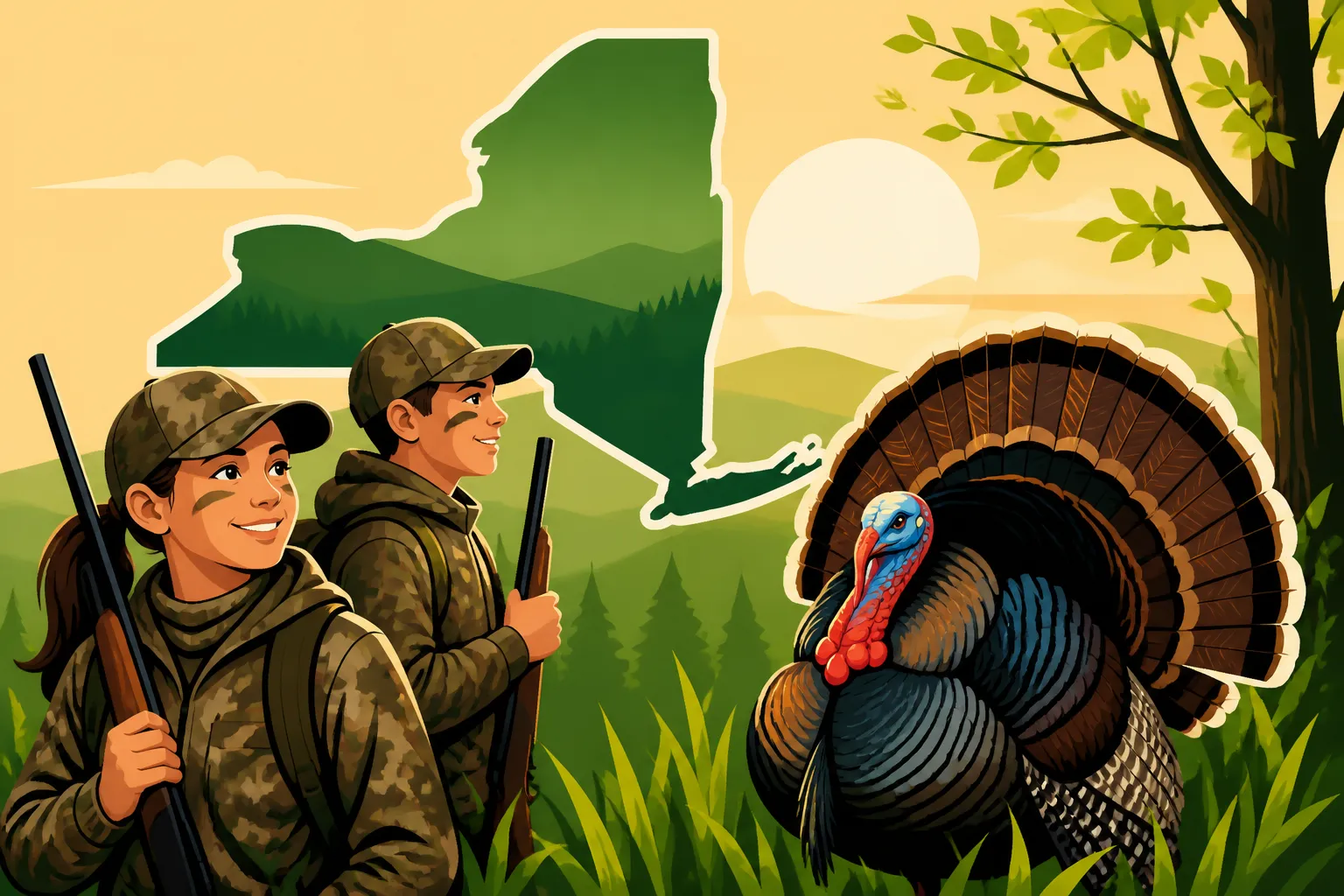
The New York Youth Spring Turkey Weekend
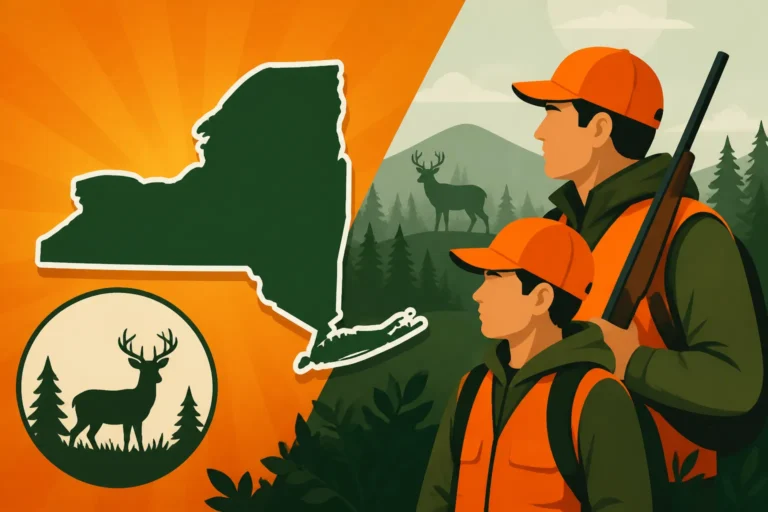
There's nothing quite like sharing the magic of the outdoors with a young person, especially when it involves hunting. But let's be honest, trying to introduce kids to hunting during the chaos of the regular season can be daunting. The pressure, the crowds, the unpredictable nature of game can all make it tough to keep a young hunter engaged and positive. That's precisely why New York State's dedicated Youth Spring Turkey Weekend is such a gift. It's designed to provide a focused, less-pressured environment for junior hunters to gain experience, build confidence, and create those unforgettable memories that last a lifetime. This guide will walk you through all the ins and outs, making sure you're prepared to make this special weekend a roaring success for your young outdoors enthusiast.
Understanding the New York Youth Spring Turkey Weekend
The New York Youth Spring Turkey Weekend isn't just another hunting day; it's a carefully crafted opportunity to give young hunters a head start. It's often the first real chance a junior hunter gets to pursue big game, and the rules are designed to put their success and safety first.
Eligibility and Permit Requirements for Young Hunters
First things first, let's talk about who can actually participate in this special weekend. The New York State Department of Environmental Conservation (DEC) allows youth hunters between the ages of 12 and 15 to participate. This isn't a "mentored youth" situation where they might be able to hunt without a hunter education course; for spring turkey, any participant in this age range must have already completed a hunter education course. This foundational training ensures they understand firearms safety, wildlife identification, and ethical hunting practices before they step into the field with a loaded firearm.
Once that hunter education certificate is in hand, the next step is securing the necessary permits. A young hunter will need a valid junior hunting license. Many parents are often surprised by what a New York Junior Hunting License Cost, but it's typically quite affordable, making it accessible for families. Along with the basic license, they'll also need a Turkey Permit, sometimes referred to as a "Turkey Hunting & Trapping Privilege." Both of these can be purchased through the DEC's licensing system, often online via the HuntFishNY portal, or at a licensed vendor. It's always a good idea to sort this out well in advance of the season, avoiding any last-minute stress. Remember, no permits mean no hunting, so double-check those dates!
Key Dates and Season Structure for the Youth Hunt
The beauty of the Youth Spring Turkey Weekend lies precisely in its timing. It almost always takes place the weekend immediately preceding the statewide regular spring turkey season opener. This means junior hunters get a two-day head start, often enjoying fields and forests with significantly less hunting pressure than what will follow just days later. Imagine having prime turkey habitat largely to yourselves – that's the advantage this weekend offers!
During this special weekend, the bag limit is one bearded bird. This bird counts towards the youth hunter's overall spring season limit. The legal shooting hours typically run from one half-hour before sunrise until noon each day. This earlier end time compared to some other hunting seasons is actually a great feature for youth hunts. It allows for concentrated morning effort when turkeys are most active, and then gives plenty of time for lunch, discussion, and perhaps some mid-day scouting or relaxation before the evening roost. Knowing these specific dates and times well in advance, and making sure your young hunter understands them, is crucial for planning a smooth and compliant hunt. It’s a dedicated window, designed specifically to maximize their chances of success and enjoyment, free from the bustle of the full season.
Essential Rules and Safety for Youth Turkey Hunting
When hunting with youth, safety and adherence to regulations are paramount. The Youth Spring Turkey Weekend comes with specific guidelines designed to protect the young hunter and ensure a positive, ethical experience for everyone involved.
Mentor Responsibilities and Supervision Requirements
This isn't a solo adventure for the kids; strict supervision is required. Any youth hunter participating in the Spring Youth Turkey Weekend must be accompanied by a licensed adult hunter. This adult, acting as the mentor, must be 18 years of age or older and possess a valid New York State hunting license and a current Turkey Permit. They are there to guide, instruct, and ensure safety.
The key phrase here is "direct control and supervision." This means the mentor must be close enough to the youth hunter to have immediate control over their actions, including their firearm. They should be able to communicate effectively and intervene if necessary. A critical rule to remember for the youth-only weekend: the adult mentor cannot carry a firearm or bow. Their role is purely supervisory. This ensures the focus remains entirely on the youth hunter's experience and removes any potential ambiguity about who is legally pursuing game. It’s a direct contrast to situations like the general New York Mentored Youth Hunting Rules which might apply to other species with different age parameters. The mentor's primary job is to teach ethical shot placement, reinforce safe gun handling, and instill a deep respect for wildlife. This direct, undivided attention is what makes the youth weekend such a powerful learning opportunity.
Legal Equipment and Blaze Orange Requirements
Knowing what gear is permissible and what safety precautions to take is critical. For spring turkeys, youth hunters can use shotguns, bows, or crossbows. If using a shotgun, popular gauges include 12, 16, 20, or .410 bore. The shot size is typically limited to #2 or smaller (e.g., #4, #5, #6). Remember that non-toxic shot may be required in certain areas, particularly on federal lands or near sensitive wetlands, so always check local regulations for your hunting spot.
When it comes to blaze orange, there's a common misconception. While blaze orange is mandatory for most firearm hunting in New York, it is not legally required when stationary hunting for turkey. However, that doesn't mean you should ditch it entirely. For the safety of the young hunter, especially when moving through the woods, many mentors still choose to have their youth wear blaze orange (or blaze pink, which is also legal). A vest or hat worn while walking to and from the stand, and then removed once concealed, can add a layer of visibility and peace of mind. It’s always better to be seen by other hunters when you’re not actively calling. Understanding How Much Blaze Orange New York Requires for other seasons can give you a good baseline for general safety practices.
Decoys are perfectly legal and often highly effective in turkey hunting, particularly with youth. They can help draw birds closer and provide a focal point for the young hunter. However, always exercise extreme caution when using decoys, especially in areas where other hunters might be present. Never carry a decoy visibly while walking and always assume any movement you see could be another hunter. Calls of all types – mouth calls, slate calls, box calls – are also legal and encouraged to engage turkeys.
Strategies for a Successful and Enjoyable Youth Turkey Hunt
Success in youth turkey hunting isn't just about bagging a bird; it's about building a positive, memorable experience. Thoughtful preparation and mindful execution are key to achieving both.
Pre-Season Scouting and Roosting Tactics
The work for a successful youth hunt really begins long before the actual weekend. Pre-season scouting is paramount. Turkeys are creatures of habit, and knowing their patterns can be the difference between a frustrating morning and an exciting encounter. Start by identifying potential hunting areas on public land or secured private properties. Look for signs of turkey activity: tracks in mud or soft earth, droppings, scratch marks in leaf litter where they've been feeding, and shed feathers.
One of the most effective tactics is locating roosting trees the evening before the hunt. As dusk approaches, turkeys will fly up into tall trees to spend the night. You can often hear them gobbling as they settle in, or fly up. Using locator calls like an owl hoot or a crow call can often elicit a "shock gobble" from a roosted bird, revealing their position without alerting them to your presence as a turkey. Knowing exactly where a gobbler is roosted makes the next morning's setup infinitely easier. You can then plan your approach to get within calling distance before light. Involving your youth in this scouting process is invaluable. It builds anticipation, teaches them about turkey behavior, and connects them more deeply to the upcoming hunt. The more they're invested in the preparation, the more rewarding the hunt will be. Imagine the thrill of hearing a gobbler sound off after hours of quiet scouting – that's a moment you both won't forget. This detailed approach is far more effective than just hoping for the best.
Setting Up and Calling for Youth Hunters
Once you've located a bird, or simply picked a promising spot, your setup is crucial, especially with a young hunter. The goal is to get as close as possible without being detected, then get comfortable and concealed. Think about the terrain: a slight rise, a logging road bend, or a transition line between woods and field can offer natural advantages. When you pick your spot, prioritize safety first. Make sure you have a clear shooting lane, but also identify your backstop. When setting up against a big tree, as in Setting Up Against a Big Oak, choose one that's wider than your shoulders to protect your back, and make sure you have a good view of the approaching bird.
For youth hunters, comfort is key. A portable chair or cushion can make a long sit much more tolerable. Ground blinds are also excellent options. Using a Ground Blind on New York Public Land provides excellent concealment and comfort, reducing fidgeting and keeping the young hunter focused. Once settled, your calling strategy should be simple and realistic. You're trying to sound like a hen interested in a gobbler. Start with soft tree yelps, then transition to a few clucks and purrs. Don't overcall; let the turkey dictate the pace of the conversation.
Decoy placement can be a game-changer. A single hen decoy placed 15-20 yards in front of your position, facing away, often works wonders. This presents an inviting, non-threatening posture to an incoming gobbler. If you have a jake or submissive gobbler decoy, a jake-and-hen combination can sometimes trigger a dominant gobbler to come in aggressively to challenge the perceived intruder. Above all, patience is paramount. Turkeys operate on their own schedule. Managing expectations and reminding your young hunter that it's okay if a bird doesn't respond or commit can prevent frustration and keep the experience positive.
Post-Harvest Care and Creating Memories
The moment of harvest is just one part of the hunting story. What happens next is equally important for teaching responsibility and respect. If your youth hunter is fortunate enough to harvest a turkey, the first step is teaching them proper field dressing techniques. This not only cools the bird quickly for better meat quality but also connects them directly to the sustenance the animal provides. Walk them through each step, explaining the purpose of cleaning the bird carefully.
Immediately after harvest, you must tag the bird with the appropriate tag from their Turkey Permit. The tag needs to be filled out completely and securely attached to the bird, as per DEC regulations. Then, it's crucial to report the harvest online or by phone. New York State requires all big game and turkey harvests to be reported. While this guide focuses on turkey, understanding a similar process like Reporting a New York Deer Harvest Online can give you an idea of the steps involved for other species. This reporting contributes to important wildlife management data, so it's a vital part of conservation. The GoHunt app, while often used for bigger game, can also be a helpful tool for reviewing regulations and sometimes even logging harvest details quickly from the field if you have service.
Beyond the regulations, focus on creating lasting memories. Take photos, congratulate them heartily, and acknowledge the effort and skill involved. Emphasize that hunting is about the entire experience: the scouting, the early mornings, the patience, the connection to nature, and the ethics of a responsible harvest. It’s not solely about pulling the trigger. This holistic approach fosters a lifelong appreciation for hunting and conservation, making the Youth Spring Turkey Weekend truly unforgettable.
Overcoming Common Challenges and Maximizing the Experience
Even with the best planning, turkey hunting, especially with a young person, can present its share of hurdles. Being prepared for these challenges and knowing how to adapt can turn a potential setback into a valuable learning opportunity.
Dealing with "Quiet" Birds and Weather Challenges
One of the most common frustrations in turkey hunting is encountering "quiet" birds – gobblers that simply won't respond to calls or appear to be tight-lipped. When New York Gobblers Go Quiet, it can be deflating, particularly for a young hunter. If your initial setup yields no response, don't despair. Instead of giving up, try different tactics. Sometimes, changing your call type or volume can make a difference. Perhaps a deeper, coarser box call will get a response where a soft slate call didn't.
If a bird is simply unresponsive, consider a subtle change in your position, or perhaps a slow, careful move to a new area. While intense "run-and-gun" tactics, as detailed in Run-and-Gun Turkey Tactics on Public Land, might be too much for a young hunter, a more measured approach can work. You might pack up quietly, walk a few hundred yards, and set up in a new location, trying a different calling sequence. This teaches adaptability and persistence.
Weather can also throw a wrench in the plans. A sudden downpour, a cold front, or strong winds can make turkeys less active or change their patterns. Dress in layers to stay warm and dry, and bring extra gloves or hand warmers. If it's raining steadily, turkeys might remain on the roost longer or head to more open fields where they can dry off faster. Adapt your strategy: perhaps focus on field edges during a drizzle, or hunker down in a ground blind for comfort during a heavier rain. Remember, even if the birds aren't cooperating, the shared experience of weathering the elements together can forge a powerful bond.
Managing Expectations and Building Confidence
Perhaps the most important aspect of guiding a youth hunter is managing expectations. It's easy for kids (and adults!) to get caught up in the "kill" aspect of hunting, leading to disappointment if a bird isn't harvested. Shift the focus from success measured by a turkey in hand to success measured by the quality of the experience. Emphasize the effort, the learning, and the time spent together in nature.
Use every moment as a teaching opportunity. Point out other wildlife you see – a curious squirrel, a soaring hawk, deer tracks. Talk about the different bird calls you hear. Explain why turkeys do what they do, why your setup is where it is, and the importance of patience. This approach helps build their confidence, not just in hunting skills but in their overall outdoor knowledge.
Encourage questions and let them actively participate in decisions, such as where to set up or which call to use. Even if you ultimately make the final call, discussing options empowers them. Use tools like the GoHunt app to explore maps, understand terrain, and plan hypothetical routes together. This involvement makes them a partner in the hunt, not just a passenger. The goal is for them to walk away from the weekend excited for the next opportunity, whether or not they punched their tag. This foundational experience is about nurturing a passion for the outdoors and ethical hunting, ensuring they carry these values forward for years to come.
Disclaimer
Please remember that hunting regulations, seasons, and licensing requirements can change. Always consult the most current New York State Department of Environmental Conservation (DEC) hunting regulations guide before heading into the field. This article is intended for informational purposes and should not be considered a substitute for official DEC publications or professional guidance. Stay safe, hunt ethically, and enjoy your time outdoors.