Grouse and Woodcock Hunting in New York
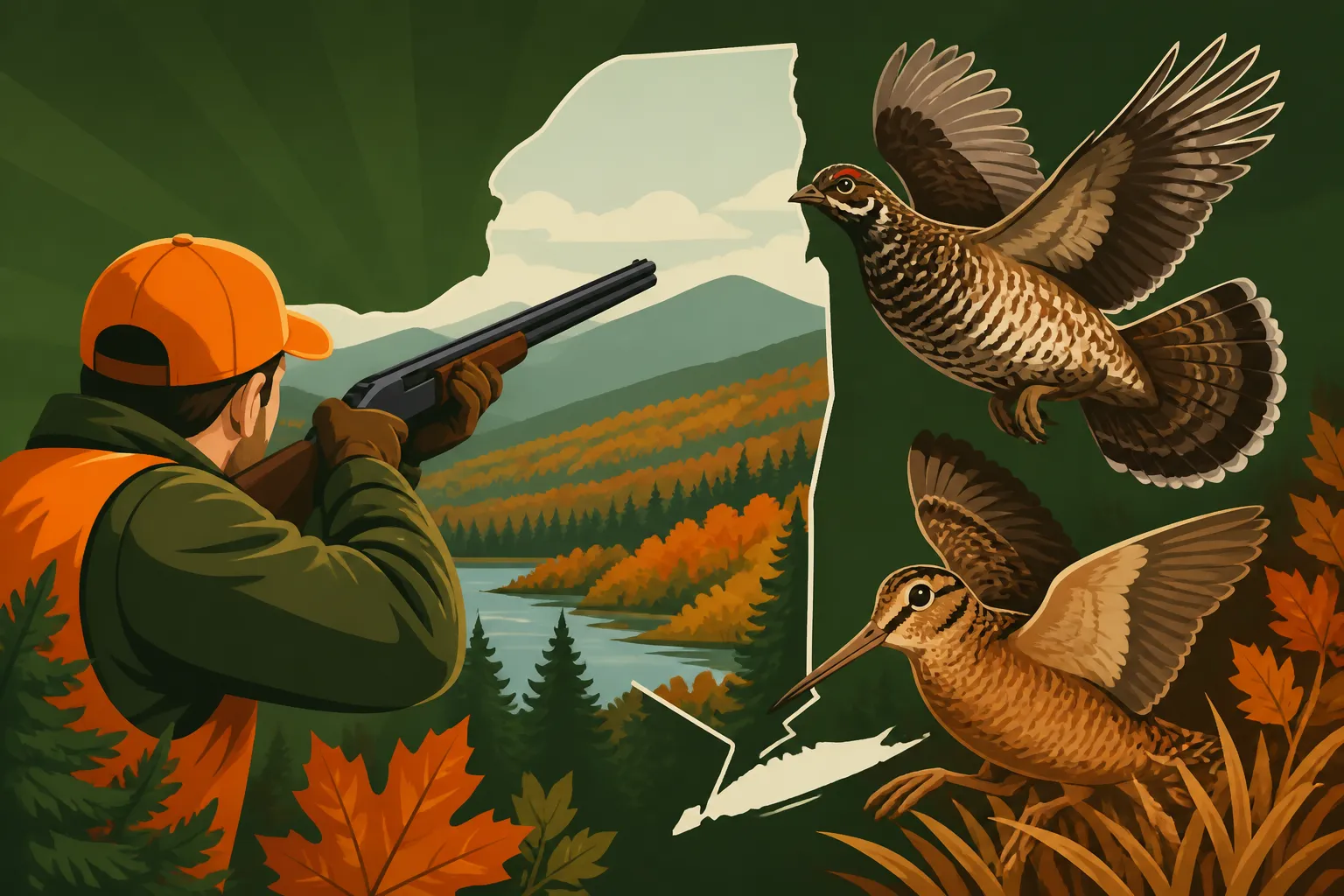
There's nothing quite like the sudden explosion of a ruffed grouse from a thicket or the quirky, erratic flight of a woodcock flushing from a damp alder run. For many New York hunters, these moments are the essence of autumn. But finding these elusive upland birds, especially in a state with such diverse and often challenging terrain, can feel like searching for a needle in a haystack. This guide is dedicated to helping you unravel the mysteries of grouse and woodcock hunting in New York, offering practical advice, habitat insights, and strategic approaches to make your time in the woods more fruitful and enjoyable.
Understanding New York's Upland Bird Seasons and Regulations
Navigating the rules and regulations for upland bird hunting in New York can sometimes feel a bit like wading through thick cover itself. But understanding the legal framework is the first and most crucial step to a safe and successful hunt. It’s not just about knowing when you can hunt, but also how and where you can do it responsibly.
General Seasons and Bag Limits
New York State's ruffed grouse and woodcock seasons offer a generous window, but they aren't uniform across the entire state. For ruffed grouse, the season generally opens earlier in the Northern Zone, often in September, extending into November or even December. The Southern Zone typically sees its grouse season open in October, sometimes running a bit longer than the Northern Zone. This split calendar acknowledges the different ecological conditions and hunting pressures in these vast regions. The bag limit for ruffed grouse is usually a modest number, often set at three birds per day statewide, with a possession limit to match. These limits are designed to provide opportunity while protecting the populations, which have faced challenges in recent decades.
Woodcock, being migratory birds, have their seasons set in conjunction with federal guidelines, as New York is part of the Atlantic Flyway. This means their season framework is often more rigid and less varied by state zone. Woodcock season typically opens in October and runs for a specific number of days, usually around 45, often broken into two segments. The daily bag limit for woodcock is generally three birds, with a possession limit of nine. It's absolutely critical to consult the most current New York DEC hunting regulations guide each year, as dates, limits, and specific zone boundaries can be subject to subtle changes. You can always find these details easily with tools like GoHunt, which compiles current regulations, helping you stay informed and legal. For a broader look at the various opportunities available, explore our comprehensive guide on New York Small Game and Upland Bird Seasons.
Licensing and Certification Requirements
Before you even think about stepping into the woods, you need the proper paperwork. To hunt grouse or woodcock in New York, you'll need a valid New York State hunting license. For residents, this typically means a Resident Hunting License. Non-residents will need a Nonresident Hunting License. Beyond the basic hunting license, migratory bird hunters, which includes woodcock, have an additional federal requirement: the Harvest Information Program (HIP) certification. This free certification registers you with the U.S. Fish and Wildlife Service, allowing them to collect important data on migratory bird harvests to inform conservation efforts. It's a quick process, usually done when you purchase your license.
It’s also important to remember that if you plan to hunt with a bow or crossbow for other species (or if you’re carrying one, even if only targeting upland birds), separate privileges or certifications might apply, though not directly for upland birds. For the most part, a standard hunting license and HIP certification for woodcock will cover your bases. Always carry proof of your licenses and certifications while afield, whether it's the physical copy or an electronic version on your phone via the HuntFishNY app.
Specific Rules for Public and Private Land
Hunting rules can differ significantly depending on whether you're on public or private land. On most New York public hunting land, such as State Forests or Wildlife Management Areas, general state regulations apply. However, some specific WMAs might have additional restrictions, like requiring non-toxic shot for certain species or limiting vehicle access. Always check the specific regulations for the WMA or State Forest you plan to hunt. For example, some areas might have designated hunting zones or specific closure dates for management purposes.
Private land, of course, requires landowner permission. This isn't just a courtesy; it's a legal requirement in New York. While verbal permission is often sufficient, obtaining written permission can save you headaches and prevent misunderstandings, especially if you plan to hunt the same property repeatedly. Respecting posted land is paramount. Even if a spot looks perfect, if it's posted, you need permission. Many landowners are open to granting access, especially for small game hunting, but approaching them respectfully and offering to help with simple tasks can go a long way. Remember, always assume private land is off-limits until you have explicit permission.
Prime Habitat for Ruffed Grouse in New York
Ruffed grouse are often called the "king of game birds," and for good reason. Their explosive flush, challenging flight path, and preference for dense, difficult cover make them a true test for any upland hunter. To consistently find grouse in New York, you need to understand their habitat preferences intimately. They aren't just in "the woods"; they're in very specific types of woods.
Aspen and Young Forest Successional Areas
The single most crucial habitat component for ruffed grouse in New York is young, regenerating forest, particularly stands dominated by aspen, birch, or dense brush. These areas, often referred to as "early successional habitat," are critical for grouse at every stage of their life cycle. Grouse use these dense thickets for protection from predators, especially raptors like goshawks and great horned owls, and terrestrial predators such as coyotes and foxes. The thick understory provides excellent camouflage, making it difficult for predators to spot them.
These young forests typically arise after events like logging, wildfires, or other disturbances that open up the canopy and allow sunlight to reach the forest floor, promoting vigorous regrowth. Aspen stands are particularly valuable because they regenerate rapidly and provide abundant buds (their winter food source) and catkins, which are essential for grouse survival through the colder months. When you're scouting for grouse, look for areas that have been clear-cut or aggressively thinned 5 to 15 years prior. These are the sweet spots, often with a tangle of saplings, downed logs, and thick brambles that make walking challenging but are exactly what a grouse needs. If you’re serious about finding these birds, you need to be where the chain saws were working a decade ago. Our detailed guide on Grouse Hunting New York Aspen Cover offers even more specifics on this crucial habitat.
Identifying Key Cover Features
Within these young forest habitats, grouse aren't just anywhere; they favor specific micro-habitats and features. Look for areas with a high density of small-diameter stems, such as aspen or grey birch, mixed with some conifers like hemlock or spruce. Conifers offer vital thermal cover during harsh winters and escape cover when deciduous trees drop their leaves. Often, you'll find grouse holding tight to the edge where a dense young stand meets a slightly older, more open forest, providing both food and security.
Another key feature is access to water, though grouse don't need standing water. They get sufficient moisture from dew and vegetation. However, brushy stream bottoms or the edges of swamps can be productive, offering a diverse mix of food and cover. Also, pay close attention to old logging roads, stone walls, and other linear features that create slight variations in the canopy and ground cover. These can act as travel corridors or preferred drumming logs for male grouse. Don't overlook old apple orchards or areas with berry bushes – these provide seasonal food sources that will concentrate birds. Understanding the New York Ruffed Grouse Decline highlights the importance of preserving these specific habitat types.
Impact of Forest Management on Grouse Numbers
The health of New York's ruffed grouse population is directly linked to proactive forest management. Historically, natural disturbances and widespread small-scale farming created a mosaic of young forest habitats across the state. Today, with less active logging and changing land use, these crucial habitats are diminishing, leading to a decline in grouse numbers in many areas. The DEC and other conservation organizations are actively working to create and maintain early successional habitats through controlled timber harvests, prescribed burns, and other techniques.
Hunters can play a vital role in supporting these efforts. When you see signs of active timber management on public lands, such as recent clear-cuts or thinnings, view them as potential future grouse hotspots. These areas, while sometimes appearing "messy" to the untrained eye, are ecological goldmines for grouse. Learning about Aspen Management and New York Grouse can give you a deeper appreciation for these efforts. By focusing your hunting efforts on these managed areas, you're not only finding birds but also demonstrating the value of habitat management to wildlife agencies and landowners. It’s a win-win situation for hunters and grouse alike.
Locating Woodcock "Timberdoodles" in the Empire State
While grouse prefer dense, brushy uplands, woodcock, affectionately known as "timberdoodles," are creatures of the wet lowlands. These odd, long-billed migratory birds are a unique and rewarding quarry, offering a completely different hunting experience. Finding woodcock often means getting your feet wet and navigating dense, tangled cover, but the reward of their quirky flight and rich flavor is well worth the effort.
Alder Swales and Wet Bottomlands
Woodcock thrive in moist, damp environments where their primary food source, earthworms, are abundant and easily probed from the soft soil. This means you'll typically find them in alder swales, willow thickets, brushy stream bottoms, and the edges of wet meadows or swamps. These habitats often feature rich, loamy soils that stay consistently damp, even during drier periods. Look for areas where alders, dogwoods, and small maples form a dense overhead canopy, offering shade and protection, while the ground remains relatively open and easy for a woodcock to walk through, probing for worms.
When scouting, keep an eye out for areas with standing water or visible dampness on the ground. The edges of agricultural fields that transition into wooded, wet areas can also be highly productive, especially after a light rain or morning dew. Unlike grouse, woodcock don't need a lot of open perching space; they prefer to stay hidden within the thick cover. So, don't be afraid to push through seemingly impenetrable patches of brush—that's exactly where a timberdoodle wants to be. Our specific guide, Woodcock Hunting New York Alder Runs, delves deeper into these prime locations.
Migratory Habits and Timing the Hunt
As migratory birds, woodcock hunting is heavily influenced by their annual journey south. They breed in New York and other northern states, then migrate to their wintering grounds in the southern U.S. and beyond. This means that hunters in New York will encounter both resident birds and "flight birds" — those migrating through from further north. The peak of the woodcock migration through New York typically occurs from mid-October into early November, coinciding with the first hard frosts up north. This is often the best time to target woodcock, as concentrations of birds can be much higher than earlier in the season.
Monitoring weather patterns is key. A significant cold front pushing down from Canada will often trigger large movements of woodcock, bringing fresh birds into your local covers. After such a front passes, the hunting can be phenomenal for a few days before the birds move on. Keep an eye on online resources and local bird reports, and perhaps check out tools like GoHunt that can help track migratory patterns. Understanding When Woodcock Migrate Through New York is essential for maximizing your chances. Hunting earlier in the season will primarily yield resident birds, which are often more scattered, whereas the peak migration can bring a bounty of transient visitors.
Reading Sign and Identifying Roosting Areas
Woodcock leave distinct signs that can help you pinpoint their locations. The most obvious sign is their "borings" – small, round holes in the soft, damp ground where they've probed for earthworms with their long bills. If you find an area riddled with these holes, you know woodcock have been present and are likely still using the spot. Another common sign is their "splats" or droppings, which are typically small, chalky white, and often coiled. Finding fresh splats under a favored cover often indicates a bird is nearby.
Woodcock also have preferred roosting areas. At night, they tend to move to more open, slightly drier spots, often small clearings or field edges adjacent to their daytime feeding cover. This is where you might catch a glimpse of them at dawn or dusk, though hunting at these times isn't practical. For hunting, focus on their daytime feeding and hiding cover. Walk slowly and deliberately through promising alder runs and wet thickets. If you have a good bird dog, they'll often "foot scent" a woodcock for a good distance before pinning it, as these birds can be hesitant to flush, sometimes preferring to run a short distance. This unique behavior makes them an exciting challenge for both hunter and dog.
Essential Gear and Dog Work for Upland Hunting
Successful grouse and woodcock hunting in New York isn't just about knowing where to go; it's also about having the right tools for the job and, for many, the indispensable companionship of a well-trained bird dog. The thick cover and often rugged terrain demand specific gear choices and a deep understanding of canine partners.
Shotguns, Chokes, and Ammunition
When it comes to shotguns for grouse and woodcock, speed and maneuverability are paramount. These birds flush fast and erratically in dense cover, offering fleeting shot opportunities. Most experienced upland hunters favor lightweight, fast-handling shotguns in 12, 20, or 28 gauge. A 20-gauge is a popular choice for many, offering a good balance of light weight and sufficient payload for quick shots. Over-and-under or side-by-side shotguns are traditional favorites for their classic appeal and quick second shot, but pump actions and semi-automatics are perfectly effective. Our guide on Best Shotgun Gauge for New York Grouse offers more detailed recommendations.
Choke selection is critical for these close-range flushes. An open choke, such as improved cylinder or skeet, is ideal for the first barrel, allowing the shot pattern to spread quickly in the tight cover. If your shotgun has two barrels or interchangeable chokes, a modified choke in the second barrel can provide a bit more reach for a bird that gets through the initial pattern. For ammunition, light target loads or upland bird loads with smaller shot sizes, like 7 ½ or 8, are perfect. These provide a dense pattern without over-penetrating the relatively small birds. Make sure you use non-toxic shot if you're hunting in areas where it's required, particularly near water bodies or certain Wildlife Management Areas. Our guide to Choke Choice for Fast Flushes offers more information.
Clothing, Boots, and Navigation Tools
Your clothing and footwear need to be as rugged as the cover you're hunting. Brush pants or chaps are an absolute must, protecting your legs from thorns, briars, and sharp branches. A durable upland hunting vest, ideally with a game pouch and shell loops, is also essential. Look for vests with a good amount of blaze orange or pink for visibility and safety, especially when hunting with partners or in areas with other hunters. Our piece on Upland Vests With Water Capacity highlights key features. Layering is key for New York's changeable autumn weather, allowing you to adapt to temperature swings and exertion levels.
Good quality, waterproof boots are non-negotiable, especially for woodcock hunting in wet alder runs. Boots with good ankle support are also important for navigating uneven terrain and downed logs. For more insights on this, check out Boots for Walking New York Aspen Cuts. For navigation, a GPS unit or a reliable mapping app on your smartphone (such as GoHunt, which often integrates public land boundaries and topographical maps) is incredibly helpful. It’s easy to get disoriented in dense cover, and knowing your precise location and property lines is vital, particularly on Public Hunting Land in New York. Carry a compass and a physical map as a backup, and always let someone know where you're going and when you expect to return.
Hunting with Dogs: Breeds and Training Considerations
For many, upland bird hunting is synonymous with hunting over a well-trained dog. Pointers, setters, and flushers like English Springer Spaniels or Brittany Spaniels excel at finding and flushing these birds. A good bird dog will dramatically increase your success rate and enhance the entire experience. Pointers and setters will "point" a bird, freezing when they scent it, allowing the hunter to move in for the flush. Flushers will work close, pushing birds out of cover.
Training an upland bird dog requires dedication, patience, and consistency. Start with basic obedience, then introduce bird exposure, retrieving, and working to the gun. Public land in New York, like State Forests and certain WMAs, often allows for dog training outside of hunting seasons, but always check local regulations. For hunting, ensure your dog is conditioned for the strenuous activity, wears a protective vest (especially in thorny cover), and carries a GPS collar for tracking, as they can easily get out of sight in the thick stuff. There's an incredible bond forged between a hunter and their upland dog, and it truly elevates the hunt to another level.
Effective Hunting Strategies for Grouse and Woodcock
Once you have your gear and your understanding of habitat down, the next step is to develop effective hunting strategies. Grouse and woodcock present different challenges, and adapting your approach to each species, as well as the specific terrain and conditions, is key to filling your vest.
Still-Hunting and Flushing Tactics
For hunters without a dog, still-hunting is the primary method for finding grouse and woodcock. This involves moving slowly and deliberately through prime cover, stopping frequently to listen and scan. Grouse will often hold incredibly tight, relying on their camouflage, so you need to be observant and ready. When you pause, let your eyes comb over the ground and through the thickets, looking for any anomaly – a flicker of movement, a patch of feathers, or the tell-tale glint of an eye. Those few seconds of stillness might just be enough to make a nervous bird flush.
Walk in a zigzag pattern through aspen thickets, focusing on transitions where cover changes. Kick at downed logs and dense clumps of brush to encourage birds to flush. Be prepared for a sudden explosion of wings; grouse don't usually give a warning. For woodcock, which often hold even tighter than grouse, move very slowly through alder runs, pausing every few steps. Their erratic flight once airborne can be disorienting, so pick a spot and swing through it, not just at the bird itself. A good flushing tactic for both birds is to work with a partner, walking abreast about 20-30 yards apart, pushing birds towards each other. Always maintain safe shooting lanes and communicate clearly.
Working Cover with a Dog
Hunting with a dog fundamentally changes the strategy. Instead of flushing birds yourself, you're relying on your dog's superior nose and instincts. For pointing breeds, the goal is to let the dog work the cover, find a bird, and then "lock up" on point. Once the dog points, the hunter moves in cautiously, positioning themselves for a shot, then gives the command to flush or walks past the dog to get the bird flying. The beauty of a pointing dog is that it gives you precious seconds to prepare for the shot.
For flushing dogs, the strategy is different. These dogs work close to the hunter, systematically quartering the cover ahead, and actively pushing birds into the air. With a flusher, you need to be constantly ready, as the flush will be more unexpected. Both types of dogs require the hunter to pay close attention to their body language. A tail wagging harder, a sudden change in direction, or an intense sniffing of the ground can all indicate that your dog is "birdy" and a flush is imminent. Knowing your dog and trusting their nose will greatly enhance your success.
Adapting to Weather and Terrain
New York's weather can be highly unpredictable during upland season, and adapting your strategy accordingly is crucial. On warm, sunny days, birds might be more spread out and less inclined to hold tight. They might be found in denser, shadier pockets. On cold, windy, or rainy days, birds will often seek thicker cover, especially conifers, for protection from the elements. A cold, crisp morning after a hard frost can be excellent for woodcock, as the ground becomes softer, making it easier for them to feed.
Terrain also dictates strategy. In the steep, rugged Catskills, you might find yourself hunting along contour lines or focusing on less accessible benches and saddles. In the more gentle, rolling Southern Tier, you can cover more ground, focusing on field edges and river bottoms. The thick, often swampy Tug Hill Plateau requires waterproof gear and careful navigation. For example, when you're Hunting New York's Southern Zone Firearm Season for deer, you might also walk up some grouse. Always assess the conditions and the terrain before you start, and be willing to adjust your plan on the fly. This adaptability is what separates consistently successful upland hunters from those who just wander aimlessly.
Top New York Regions and Public Lands for Upland Birds
New York is a vast state with incredibly diverse landscapes, and this translates into varying opportunities for grouse and woodcock hunting. While both birds can be found statewide in suitable habitats, certain regions and specific public land types are known to offer better prospects than others.
Adirondack and Tug Hill Plateaus
The Adirondack Park, with its massive expanse of "Forever Wild" Forest Preserve land, might seem like a grouse paradise, and in many ways, it is. While vast tracts are mature timber, there are also extensive areas of regenerating forest from past logging, wildfires, or natural disturbances. Look for State Forests and Wild Forest areas within the Adirondack Park where active timber management is permitted, creating that crucial early successional habitat. Counties like St. Lawrence, Franklin, and Hamilton can be productive. The key here is often to get away from heavily trafficked areas, as grouse prefer solitude. You might find some excellent opportunities on the fringes of the Adirondack Forest Preserve where private timber lands or state forests are managed.
The Tug Hill Plateau, straddling portions of Oswego, Lewis, Jefferson, and Oneida counties, is another excellent region. Known for its heavy snows and remote feel, Tug Hill features numerous State Forests with active timber management programs, making for ideal grouse habitat. The plateau’s unique geography and abundant moisture also make for good woodcock cover in the low-lying areas and stream bottoms. Hunting the Tug Hill often means braving colder temperatures and deeper snow later in the season, but the reward can be excellent bird numbers and minimal pressure.
Catskill Mountains and Southern Tier State Forests
The Catskill Forest Preserve, similar to the Adirondacks, offers extensive public land, but much of it is mature, steep hardwood forest. While some grouse can certainly be found, especially in areas with past logging or natural blowdowns, the Catskills are not typically known for high grouse densities compared to other regions. However, within and surrounding the Catskills, particularly in the Southern Tier, there are numerous State Forests that offer excellent hunting. Counties like Delaware, Chenango, Otsego, and Steuben are dotted with actively managed State Forest blocks. These areas often have a better mix of age classes in their timber, providing that critical young forest habitat for grouse.
The Southern Tier also holds excellent woodcock habitat, particularly along the Susquehanna River and its tributaries, where alder runs and wet bottomlands are common. These areas, often adjacent to agricultural fields, can concentrate migratory woodcock during the peak flight. Utilizing mapping tools like those from GoHunt or the official New York DEC HuntFishNY app can help you identify these State Forests and see their boundaries, allowing you to plan your hunt efficiently. You can also dive into the specifics of New York State Forest Hunting to learn more.
Western New York and Lake Plain Habitats
Western New York, including the Finger Lakes region and the Lake Ontario plain, offers a different flavor of upland hunting. While much of it is agricultural land, there are still pockets of excellent grouse and woodcock cover. State Forests in counties like Cattaraugus, Allegany, and Chautauqua can be good for grouse, especially where there has been active timber work. The Finger Lakes National Forest, though smaller, also offers unique opportunities, with diverse habitat that can hold both grouse and woodcock.
For woodcock, the wet areas along the Great Lakes shorelines and the numerous small creeks and drainages that feed into them can be highly productive during migration. These flat, low-lying areas often feature dense, brushy cover and soft, worm-rich soils. While less "wild" than the Adirondacks or Tug Hill, Western New York offers more accessible public land options, including numerous Wildlife Management Areas managed by the DEC. These WMAs are specifically managed for wildlife and can be excellent starting points for upland bird hunters. Knowing New York Wildlife Management Areas will help you target these productive spots. Always remember that hunting pressure can be higher in more accessible areas, so be prepared to walk further to find undisturbed birds.
Conservation Challenges and Future Outlook for Upland Birds
While New York offers incredible opportunities for grouse and woodcock hunting, it’s important for every hunter to understand the significant challenges these species face. Upland bird populations are bellwethers of forest health, and their struggles reflect broader ecological changes that demand our attention and action.
Habitat Loss and Degradation
The primary driver behind the decline in ruffed grouse populations in New York, and across much of the Northeast, is the loss and degradation of early successional habitat. As mentioned earlier, grouse depend on young, dense forests for survival. With less active timber harvesting, changes in agricultural practices, and increased development, New York's forests have largely matured. While mature forests are vital for many species, they don't provide the dense cover and specific food sources that grouse need. This shift in forest age structure means less prime breeding and brooding habitat, leaving grouse vulnerable to predators and the elements.
For woodcock, while their specific habitat needs (wet, brushy areas) are different, they also suffer from habitat loss. Wetland draining for development or agriculture, alterations to stream corridors, and the conversion of brushy bottomlands to other uses directly impact their ability to feed and reproduce. The interconnectedness of these habitats means that both birds are vulnerable to changes in land use practices. Without active management to create and maintain these specific habitats, the decline of these beloved game birds will continue.
Predation and Disease Pressures
Beyond habitat, both grouse and woodcock face significant pressures from predators and diseases. Increased populations of predators like coyotes, bobcats, and various raptors, coupled with less protective cover, can lead to higher predation rates, especially on nests and young birds. While predation is a natural part of the ecosystem, a lack of escape cover exacerbates its impact on grouse and woodcock. The New York Ruffed Grouse Numbers Today paints a stark picture of these challenges.
Diseases also play a role. West Nile Virus, for instance, has been identified as a significant factor in grouse mortality in some regions, impacting adult birds. Avian influenza can also affect migratory birds like woodcock, though its direct impact on wild populations can vary. While individual hunters can't directly control disease outbreaks, supporting healthy, diverse ecosystems through habitat conservation can help build more resilient bird populations. It's a complex web of factors that influences these birds' survival.
Hunter Engagement in Conservation Efforts
Hunters have historically been, and continue to be, the most passionate and effective conservationists. For grouse and woodcock, this means more than just buying a license. It means actively engaging in efforts to restore and create critical habitat. Support organizations like the Ruffed Grouse Society and the American Woodcock Society, which dedicate their resources to habitat management and research. Many local chapters organize volunteer work days on public lands to create brush piles, plant beneficial species, or remove invasive plants.
Furthermore, advocate for sound forest management policies that prioritize early successional habitat. Talk to your elected officials, attend public hearings, and educate others about the needs of these birds. Participating in hunter surveys or submitting wing samples from harvested birds provides invaluable data to wildlife biologists, helping them monitor populations and make informed management decisions. Every piece of information helps us understand the complex lives of these birds. By being proactive and engaged, New York hunters can help ensure that future generations will continue to experience the thrill of a grouse flush and the unique charm of a timberdoodle.
Disclaimer
The information provided in this guide is for general informational purposes only and is not intended as legal advice. Hunting regulations, seasons, and licensing requirements in New York State are subject to change by the New York State Department of Environmental Conservation (DEC) and federal agencies. Always consult the most current official New York State Hunting and Trapping Regulations Guide and federal migratory bird regulations before engaging in any hunting activities. It is the hunter's responsibility to know and obey all applicable laws and regulations.