Why Baiting Bears Is Illegal in New York
It can be a real head-scratcher for many hunters, especially those new to the state or coming from areas where it’s a common practice: why is baiting bears absolutely off-limits in New York? The reality is, what might seem like a simple way to increase your odds is actually prohibited here for a host of reasons, ranging from deeply rooted conservation ethics to practical concerns about wildlife management and public safety. This guide will dive deep into the legal, ethical, and ecological factors behind New York's no-baiting rule for black bears, and offer up some solid alternative strategies to help you find success in the woods.
The Legal Landscape: New York's Stance on Bear Baiting
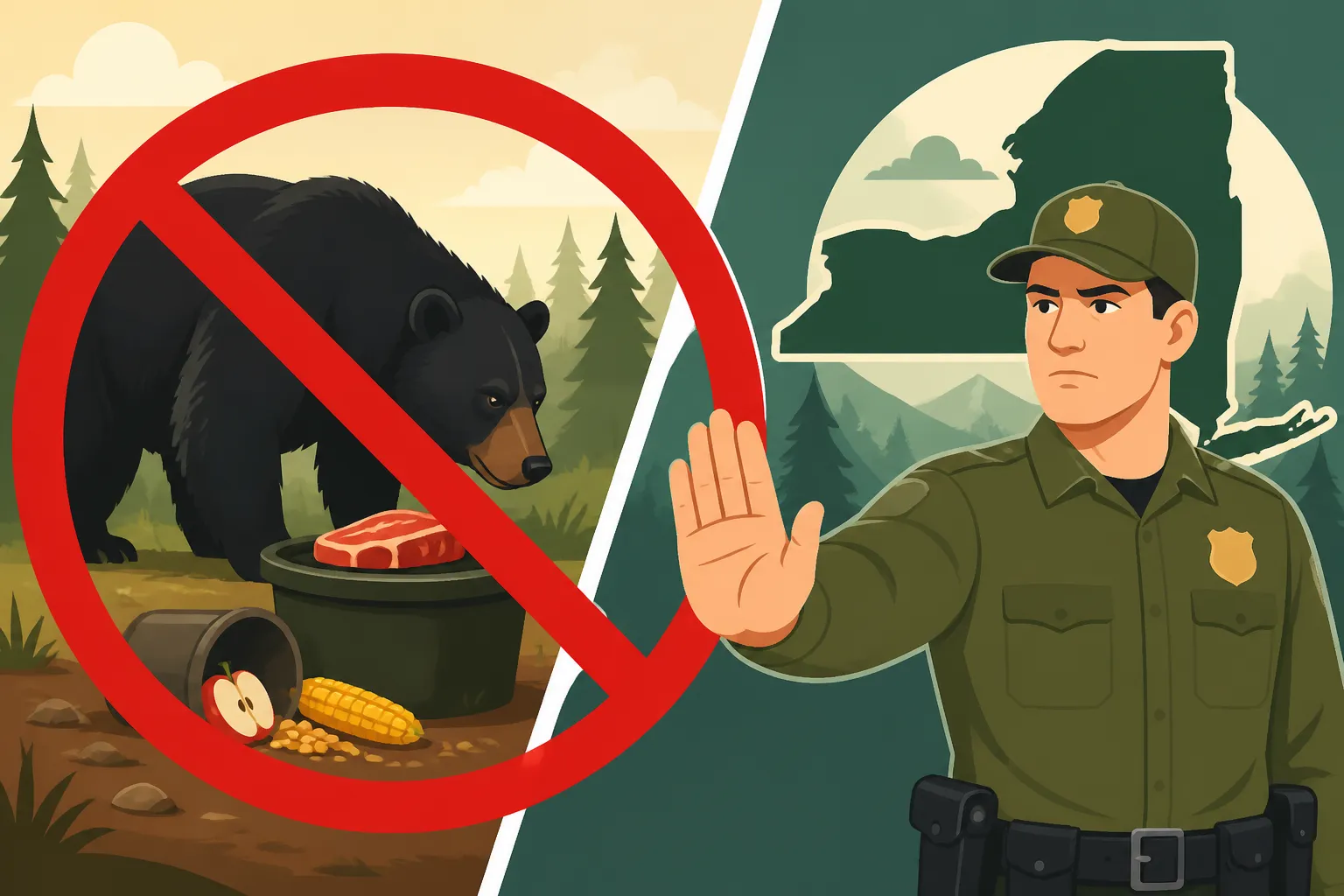
Let's cut right to the chase: if you're planning on bear hunting in New York, leaving out food or any other attractant designed to lure bears to a specific spot is strictly illegal. The New York State Department of Environmental Conservation (DEC) has clear regulations on this, and they're not just suggestions; they carry real penalties. This can be a tough pill to swallow for hunters accustomed to using bait, especially in states where it's a long-standing tradition. But understanding the specific wording and intent behind the law is crucial for staying on the right side of the regulations.
Defining "Baiting" Under New York Law
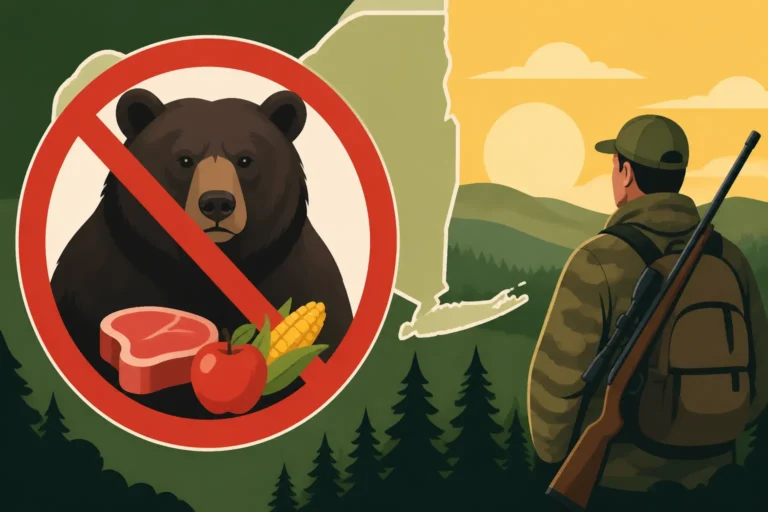
The DEC defines baiting as placing, exposing, depositing, distributing, or scattering food or other edible attractants to lure wild animals to a feeding site. This isn't just about dumping a pile of donuts or corn in the woods. It also includes liquid scents or powders that are primarily food-based, or any non-natural substance whose primary purpose is to draw an animal in for consumption. The key here is consumption. While some hunters might wonder about using non-edible scent lures, the spirit of the law targets anything that could habituate bears to human-provided food sources.
For example, a hunter setting up a stand near a natural apple orchard in the Catskills is perfectly legal and a great strategy for Hunting Bears Over Natural Food Sources. The apples are a naturally occurring food source, not something placed there by a hunter. However, bringing in a bucket of apples from your backyard and dumping them under that same tree to concentrate bear activity? That's crossing the line into illegal baiting. The distinction hinges on whether the attractant is natural and already present or if it has been introduced by a human. This distinction is vital, and ignorance of the law is no excuse when a DEC Environmental Conservation Officer (ECO) is investigating.
Penalties for Violations
The consequences of violating New York's baiting laws can be severe. Hunters found guilty of baiting bears can face significant fines, revocation of their hunting license, and even seizure of their equipment. These aren't minor slaps on the wrist; they're designed to deter practices that the state deems harmful to wildlife and hunter ethics. Imagine having your entire season ruined, your gear confiscated, and your ability to hunt in New York stripped away—all for trying to gain an illegal advantage. It's a stark reminder that responsible hunting means adhering strictly to the law, even when you might not fully agree with every single regulation. Understanding the specifics, like those outlined in New York's No-Bait Bear Rule, is your first line of defense against unwitting violations.
Ethical Considerations: Why Baiting Raises Concerns
Beyond the letter of the law, there are profound ethical debates surrounding bear baiting that contribute to New York's prohibition. For many, fair chase is the cornerstone of ethical hunting, and practices like baiting are seen as undermining this principle. It's about respecting the animal and the challenge of the hunt itself.
The Principle of Fair Chase
The concept of "fair chase" dictates that hunters should not have an undue advantage over the game they pursue. It emphasizes skill, patience, and knowledge of the animal's habits and habitat, rather than relying on artificial means to guarantee a shot. Proponents of the no-baiting rule argue that baiting removes much of this challenge, reducing the hunt to little more than shooting an animal at a feeding station. It often involves luring a bear to a predetermined spot, sometimes from a significant distance, where it feels safe and is unaware of the hunter's presence.
This isn't to say that all forms of hunting are equally challenging or that hunters shouldn't use modern tools. But the core idea is that the animal should have a reasonable chance to evade the hunter. When a bear becomes accustomed to a consistent, easily accessible food source, its natural wariness can diminish, making it an easier target. This reduction in the animal's natural defenses can feel ethically questionable to many hunters who believe in the inherent value of the pursuit. Organizations like the Boone and Crockett Club have long championed fair chase as a fundamental tenet of ethical hunting, influencing regulations nationwide.
Public Perception and Hunter Image
The debate around baiting also has a significant impact on how the non-hunting public perceives hunters. In a society where hunting is often misunderstood or viewed critically, practices that appear to be "unfair" or "easy" can severely damage the image of all hunters. When images or stories of bears being harvested over bait piles circulate, it can reinforce negative stereotypes of hunters as individuals who lack respect for wildlife and simply want to kill an animal with minimal effort.
This isn't just about optics; it affects policy. If the general public views certain hunting practices as unethical, it can lead to increased pressure on lawmakers to enact more restrictive regulations, potentially impacting all hunters. For New York, maintaining a strong ethical framework, including the prohibition on bear baiting, helps to uphold the integrity of the hunting tradition and secure its future in a state with diverse opinions on wildlife management. The collective reputation of hunters is built on responsible, ethical behavior, and laws like these are often designed to protect that reputation.
Ecological Impacts: Beyond the Hunter's Perspective
New York's prohibition on bear baiting isn't solely about hunter ethics; it's also deeply rooted in sound ecological management practices. Concentrating bears in specific locations through artificial feeding can have far-reaching, detrimental effects on their health, behavior, and interaction with humans and other wildlife.
Disease Transmission and Concentration
One of the primary ecological concerns with baiting is the increased risk of disease transmission among bears. When multiple bears, often from different social groups, are drawn to a single bait site, they come into close contact. This creates a perfect environment for the rapid spread of diseases, parasites, and even chronic conditions like mange. Imagine a communal feeding trough where every animal is sharing saliva and possibly bodily fluids—it's an ideal vector for sickness.
While New York has thankfully kept a tight lid on diseases like Chronic Wasting Disease in its deer herd, similar concerns apply to bears. A localized outbreak, exacerbated by baiting, could decimate a regional bear population, leading to significant challenges for wildlife managers. Bears naturally forage over vast territories, which helps to spread them out and limit the density of potential disease vectors. Baiting artificially overrides this natural dispersal, creating "hot spots" for infection that could have long-term consequences for the health and vitality of New York's Black Bear Population. The DEC takes disease prevention very seriously, and eliminating baiting is a proactive step in that effort.
Alteration of Natural Behavior and Habituation
Baiting fundamentally alters a bear's natural foraging behavior. Bears are incredibly intelligent and adaptable animals, and they quickly learn that human-provided food is an easy meal. This habituation to artificial food sources can have several negative consequences. Firstly, it can make bears less reliant on their natural food sources, potentially disrupting ecosystem processes as they focus less on natural seed dispersal or insect control.
More critically, habituation to human food often leads to bears associating humans with food. This can result in an increase in human-bear conflicts, such as bears raiding campsites, garbage cans, or even approaching homes in search of an easy meal. This is a significant concern in areas bordering human habitation, particularly in regions like the Catskills or the Adirondacks where bears are common. The DEC receives numerous reports annually about nuisance bears, and preventing habituation is a key strategy in mitigating these issues. When bears become overly comfortable around humans, they can become a public safety hazard, often leading to their removal or, in unfortunate cases, euthanasia. The state aims to keep bears wild, and that means discouraging any activity that teaches them to rely on or seek out human offerings.
Impact on Other Wildlife
While bait is specifically set for bears, other wildlife species are often inadvertently drawn to the site. Everything from raccoons and opossums to deer and smaller predators can be attracted to the scent and food left behind. This can lead to increased competition for food, potential disease transmission to other species, and even altered predator-prey dynamics in the immediate area. For instance, a bait site might attract coyotes or bobcats, potentially increasing predation pressure on deer or turkeys in that localized spot. The goal of wildlife management is to maintain natural ecological balances, and artificial feeding sites, even if intended for a single species, can disrupt this delicate equilibrium.
Alternative Strategies for New York Bear Hunting
So, if you can't use bait, how do you successfully hunt black bears in New York? The good news is that New York is home to a thriving bear population, and countless hunters harvest bears ethically and successfully every season without ever resorting to bait. It simply requires a different approach, one focused on understanding bear behavior and habitat.
Mastering Scouting and Natural Food Sources
Successful bear hunting in New York hinges on meticulous scouting and a deep understanding of natural food sources. Bears are driven by their stomachs, constantly seeking out high-calorie foods to fuel their large bodies and prepare for hibernation. Your job as a hunter is to identify where these natural buffet lines are located.
- Spring/Early Summer: Focus on succulent green vegetation in open areas, like clear-cuts or swamps, where early browse is abundant. They'll also be drawn to winter-killed animals and insect activity.
- Late Summer/Early Fall: This is when bears really start to pack on the pounds. Look for berry patches (blueberries, blackberries, raspberries) and early mast crops like beechnuts.
- Late Fall/Hunting Season: Acorns, especially white oak acorns, are like gold to bears. They'll also target late-season apples in abandoned orchards and waste grain in agricultural fields. Scouting these areas for fresh tracks, scat, and torn-up ground is paramount.
Using mapping tools, like those offered by GoHunt, can be incredibly beneficial. You can pinpoint old orchards, identify oak ridges, and mark areas with consistent water sources. These tools allow you to study the terrain, identify potential travel corridors, and plan your approach long before you ever step foot in the woods. Pay close attention to recent logging operations, too; young growth can provide both food and thick cover.
Spot-and-Stalk and Still-Hunting Techniques
These are classic hunting methods that are highly effective for bears, especially in New York's varied terrain.
- Spot-and-Stalk: This method involves finding a vantage point, often on a ridge or overlooking a large basin, and glassing for bears feeding in open areas or on distant hillsides. Once a bear is spotted, the challenge lies in planning a silent and strategic approach, using terrain and wind to your advantage to get within shooting range. This is particularly effective in more open country or mountainous regions like the Catskills. Knowing the wind and thermals on a Catskill ridge, for instance, is absolutely critical for a successful stalk.
- Still-Hunting: This technique is about moving incredibly slowly and deliberately through bear habitat, pausing frequently to observe and listen. It's not about covering ground quickly; it's about making yourself part of the forest, blending in, and detecting a bear before it detects you. Focus on areas with good cover and natural food. This method can be very productive in dense timber, thick swamps, or along brushy edges where bears feel secure. A great resource for this is "Spot-and-Stalk Tactics for Catskill Bears", which offers fantastic insights into this challenging but rewarding method.
Scent Management and Calling
While food-based attractants are out, using non-food-based scent lures and calls can still be a valuable part of your strategy.
- Scent Control: This is always important, but particularly when trying to get close to a bear. Use scent-eliminating sprays, wash your clothes in scent-free detergent, and pay attention to wind direction. Bears have an incredible sense of smell, and they will detect human odor from a long distance.
- Scent Lures: Non-food-based curiosity scents or territorial scents can sometimes pique a bear's interest, prompting it to investigate. These are typically applied to felt pads or trees, not consumed. Always double-check current DEC regulations to ensure any specific product you're considering is legal and not classified as bait.
- Calling: Bear calls, typically those mimicking cub distress or even sow grunts, can sometimes draw in curious bears, especially during the breeding season. However, calling for bears is a nuanced art and requires practice. It's often more effective in specific scenarios and less reliable than hunting over natural food sources.
Understanding Bear Movement and Sign
Bears leave plenty of clues to their presence. Learning to read these signs is like solving a puzzle, guiding you to their current whereabouts.
- Tracks: Look for large, five-toed paw prints. The size and freshness can tell you a lot about the bear and how recently it passed through.
- Scat: Bear droppings are highly informative. What they've been eating will be evident in their scat—berries, nuts, corn, or even insect parts. Freshness indicates recent activity.
- Rub Trees: Bears often rub against trees to leave their scent, sometimes tearing bark with their claws. These "bear signposts" can indicate a travel corridor or a frequented area.
- Feeding Sign: Look for torn-apart logs, overturned rocks (bears looking for grubs), disturbed berry bushes, or claw marks on apple trees.
Utilizing resources like the New York Bear Season by Zone calendar can help you understand when bears are most active in specific regions, helping you tailor your scouting efforts. Pairing this knowledge with detailed topographical maps, perhaps from your GoHunt app, to identify pinch points, saddles, and dense bedding areas between known food sources, will dramatically increase your chances of success. It’s all about putting in the time and effort to learn the bear's world, rather than trying to force the bear into yours.
Legal vs. Illegal Attractants and Methods in New York
To help clarify, here's a quick overview of what's generally considered legal versus illegal when it comes to attracting bears in New York:
| Category | Generally Legal (Always Check Current DEC Regs) | Generally Illegal (Avoid at All Costs) | Rationale |
|---|---|---|---|
| Food Attractants | Hunting over natural food sources (e.g., wild apple trees, acorn flats) | Placing any food item (e.g., donuts, corn, dog food, apples not naturally present) | Prevents habituation, disease spread, ensures fair chase. |
| Scent Attractants | Non-food-based curiosity scents, territorial scents, urine from other animals | Scents that are primarily food-based or intended for consumption | Distinction between luring with curiosity vs. luring with direct sustenance. |
| Techniques | Spot-and-stalk, still-hunting, stand hunting over natural food sources | Setting up at a pre-baited site or directly over human-placed food | Upholds fair chase principles and ethical hunting standards. |
| Scouting Aids | Trail cameras (check public land rules), mapping apps (e.g., GoHunt) | Any device designed to automatically dispense food or attractants | Focus on information gathering, not creating artificial feeding sites. |
Remember, the emphasis is on maintaining the wild nature of the bear and the integrity of the hunt. Success in New York bear hunting is earned through hard work, knowledge, and respect for the regulations.
Disclaimer
Please note: Wildlife regulations, including those pertaining to bear hunting, can change. It is the responsibility of every hunter to consult the most current New York State Department of Environmental Conservation (DEC) hunting and trapping regulations guide prior to heading afield. This guide is for informational purposes only and should not be considered a substitute for official DEC publications.