Waterfowl Gear for New York Marsh and Lake
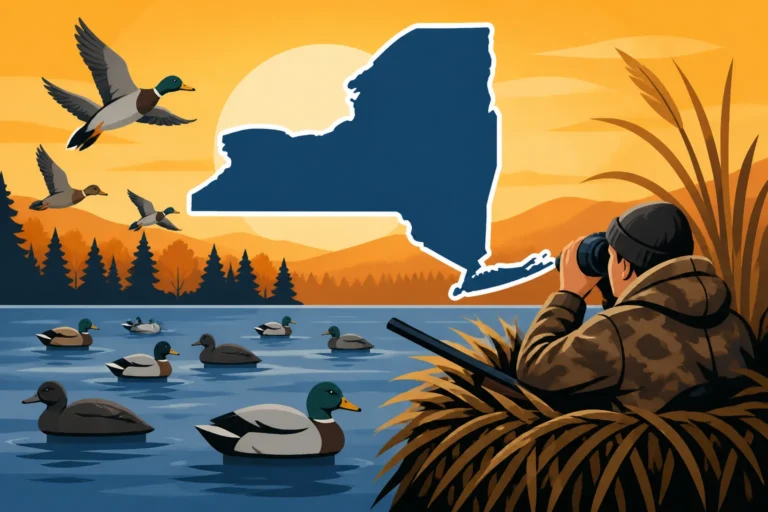
There’s nothing quite like standing in a frigid marsh before dawn, the air crisp and full of anticipation, only to realize your waders have sprung a leak, or your decoy spread isn't cutting it in the choppy lake waters. Waterfowl hunting in New York, with its vast lakes, winding rivers, and extensive marshlands, presents unique challenges that demand specific gear to stay comfortable, safe, and successful. This comprehensive guide will walk you through the essential equipment you'll need to tackle New York's diverse waterfowl habitats, from the smallest potholes to the mighty Great Lakes.
Understanding New York's Waterfowl Environments
New York is a waterfowler's paradise, but it's not a one-size-fits-all situation. The type of water you're hunting will dictate a lot about the gear you need, from your boat to your decoy spread. Trying to hunt diver ducks on Lake Ontario with the same setup you use for mallards in a cattail marsh is a recipe for frustration, not success.
Marsh and Wetland Dynamics
Hunting the marshes and wetlands of New York, whether it’s along the Finger Lakes or the smaller inland ponds, is an incredibly intimate experience. You're often dealing with shallower water, thick vegetation like cattails and reeds, and generally more protected conditions than big lakes. The challenge here isn't usually massive waves, but rather navigating dense cover, dealing with mucky bottoms, and making sure your decoys look natural in a very specific environment. Many hunters find themselves wading through knee-deep to waist-deep water, pushing through heavy brush to get to their chosen spot. This type of hunting calls for gear that prioritizes stealth, mobility, and the ability to operate effectively in tight quarters. You'll need to think about how to carry your gear without snagging, how to set up quickly, and how to stay dry when you're almost certainly going to be splashing around a bit. Hunting the Lake Champlain Marshes offers more specific advice on navigating these tricky environments.
Big Water Lakes and Rivers
Then there's the other end of the spectrum: the vastness of New York's big lakes and major rivers. Think Lake Ontario, Lake Erie, the St. Lawrence River, or even the wider stretches of the Hudson. Here, the game changes dramatically. You're often targeting diver ducks or geese that prefer open water, and you're contending with serious environmental factors – high winds, powerful currents, and large waves that can make even a calm day feel daunting. Safety becomes paramount, and your gear needs to reflect that. Boats need to be sturdy and capable of handling chop, decoys need to be weighted and rigged for deep water, and your clothing must offer maximum protection against relentless cold and spray. Trying to use lightweight marsh decoys on a choppy day on Lake Ontario is just asking to lose them to the depths or have them scattered by the wind. Hunting Western Zone Diver Ducks requires a completely different approach, and your gear must match.
Agricultural Field Edges
While not strictly "marsh and lake," many waterfowlers in New York also pursue geese and puddle ducks in agricultural fields, especially during the early season or when birds are feeding heavily. These hunts often occur near water bodies where birds roost, but the actual setup is on dry land, or at least very damp soil. You're dealing with different challenges: concealment in open fields, deploying large spreads of goose decoys, and sometimes dealing with mud that can be just as difficult to traverse as a marsh. Your gear for field hunting might include layout blinds, specialized full-body decoys, and different types of calls. The key is to blend in with the agricultural landscape and mimic a large feeding flock. This crossover means that a dedicated New York waterfowler might need a versatile array of gear to cover all these different scenarios. A good tool like the mapping features from GoHunt can help you scout these field edges from afar, identifying potential feed sites near water.
Essential Clothing for New York Waterfowlers
One of the biggest lessons you learn waterfowl hunting in New York is that you can always add more layers, but it's much harder to take them off once you're soaked or freezing. The weather here is notoriously unpredictable, especially during the fall and winter seasons. A crisp, calm morning can quickly turn into a howling gale with sleet, and being unprepared means an early, miserable end to your hunt.
Layering for Cold, Wet Conditions
The foundation of comfortable waterfowl hunting in New York is a smart layering system. It's about trapping warm air close to your body and allowing moisture to escape, all while providing insulation. Start with a good base layer – something that wicks moisture away from your skin. Synthetic fabrics or merino wool are excellent choices for this, as cotton will absorb sweat and make you cold. Next comes an insulating mid-layer, like a fleece or down vest, to provide warmth. On top of that, you'll need a hearty outer layer that is waterproof and windproof. Remember, you'll be exerting yourself carrying decoys and pushing through cover, then sitting still for long periods. Your layering needs to accommodate both. Think about vests, jackets, and even insulated bibs that can be easily adjusted as the day progresses and temperatures fluctuate. Base Layers for a New York November provides more in-depth advice on staying warm for deer hunting, which directly applies to waterfowl.
Waders: Chest, Hip, and Material Choices
Waders are arguably the most critical piece of clothing for many New York waterfowl hunters. Your choice will depend heavily on the type of water you primarily hunt.
Chest Waders: These are the most common and versatile, offering full protection up to your chest. They're ideal for navigating deeper marshes, crossing small creeks, and providing extra warmth.
Hip Waders: Lighter and less bulky, hip waders are good for very shallow water or situations where you're mostly walking along the bank and only stepping into water occasionally. They're less common for serious waterfowl hunting in New York due to the varying water depths.
Material Choices:
- Neoprene: Excellent for warmth, especially in colder temperatures. Neoprene waders are thick, insulating, and surprisingly durable. However, they can be bulky and hot during warmer early-season hunts, and if you get a leak, it's a cold, wet one.
- Breathable (Gore-Tex or similar): These waders prioritize comfort and moisture management. They're lighter, less bulky, and allow sweat vapor to escape, keeping you drier from the inside out. While they offer less inherent insulation than neoprene, they allow for flexible layering underneath. They are often more expensive but worth the investment for comfort.
| Wader Type | Material | Primary Benefit | Drawback | Ideal Use Case |
|---|---|---|---|---|
| Chest Wader | Neoprene | Maximum warmth, durable | Bulky, hot in warm weather, heavy | Cold marshes, static hunting, deep water |
| Chest Wader | Breathable | Comfortable, less bulky, flexible | Less inherent warmth, higher cost | Active marsh hunting, early/late season, layering |
| Hip Wader | Neoprene | Lighter than chest neoprene | Limited depth, less protection | Very shallow water, bank hunting, minor water crossings |
| Hip Wader | Breathable | Lightest, most mobile | Very limited depth, minimal warmth | Specific very shallow or bank-side access points |
Making sure your waders fit correctly, are properly cared for, and are patched promptly if a leak occurs will save you a lot of misery in the field. Nothing saps your morale faster than freezing water seeping in on a cold New York morning. Waders for Cattail Marsh Hunting covers this topic in more detail.
Outerwear and Rain Protection
Even with the best layering, your outer shell is what truly stands between you and New York's harsh waterfowl weather. A good waterfowl jacket needs to be completely waterproof and windproof, not just water-resistant. Look for taped seams and waterproof zippers. Functionality is key: plenty of pockets for calls, shells, and gloves, and often a hood that can be cinched down tight. Camouflage patterns that match marsh, timber, or open water environments are important for concealment.
It's not just about jackets, though. Waterproof pants or insulated bibs are crucial, especially if you're not always in waders or if you anticipate heavy spray in a boat. A sturdy, waterproof blind bag is also invaluable for protecting your extra layers, lunch, and electronics from the elements. Don't underestimate the power of a good pair of waterproof gloves and a warm hat; exposed extremities lose heat rapidly. Even a day that starts clear can turn into a nasty squall, and reliable Rain Gear for a New York Downpour is a must-have for any serious New York waterfowler.
Decoys and Spreads for Different Scenarios
Decoys are your silent partners in the duck blind, and their effectiveness hinges on how well they mimic real birds and how appropriately they're deployed for the specific hunting scenario in New York. A haphazard spread of mismatched decoys will rarely fool wary birds.
Marsh Decoy Spreads and Species Selection
In the quieter, shallower waters of New York's marshes, your decoy spread aims to create a welcoming, natural-looking scene for incoming puddle ducks like mallards, black ducks, and wood ducks. Realism is important; even a few high-quality, lifelike decoys often outperform a dozen cheap, shiny ones.
Species Selection: Use decoys that match the birds in your area. Mallards are almost universally effective, but adding a few teal, wood ducks, or pintails can make your spread more diverse and appealing to various species.
Spread Patterns: In a marsh, you often want to create a "landing zone" or "kill hole" where birds can comfortably set down. Common patterns include J-hooks, U-shapes, or loose groups with open water in the middle. The idea is to guide the birds into shooting range.
Motion Decoys: Even a little movement can make a huge difference. Spinning-wing decoys (like Mojos) are incredibly effective at drawing attention from a distance, but use them judiciously, especially on pressured birds. Jerk strings or even simple weighted keel decoys rocking in the current can add subtle realism.
Anchoring: In muddy bottoms, lighter weights or even stakes might work. Remember, marsh conditions can be tricky, so make sure your decoys are securely anchored but also easily retrievable. Consider pre-rigging your decoys for quick deployment and pickup.
Big Water Decoy Rigs and Motion
Hunting big lakes like Erie or Lake Champlain or the wider parts of the Hudson River requires a completely different approach to decoys. You're often targeting diver ducks such as bluebills, canvasbacks, and goldeneyes, or large flocks of geese that raft up on open water.
Heavy-Duty Decoys: Your decoys need to be larger, more visible from a distance, and built to withstand strong winds and waves. Durable plastic is a must, and many big-water hunters opt for magnum-sized decoys.
Weighting and Rigging: Traditional individual weights aren't always practical for large numbers of decoys in deep water. Instead, "Texas rigs" (long lines with sliding weights) or "long lines" (many decoys strung along a single line with a heavy anchor at each end) are common. These allow for faster deployment and retrieval of large spreads.
Species Focus: Diver spreads are usually species-specific. For bluebills, you might run dozens of bluebill decoys. For canvasbacks, you’d focus on their distinct profile. Geese often require full-body field decoys or large floating goose decoys on the water.
Mass and Motion: On big water, sheer numbers can be effective. A large spread signals safety and draws birds from far away. Motion is harder to achieve with spinning wings in high winds, but carefully placed "swimming" decoys or even a few real coots can add natural movement. Understanding the local bird behavior and flocking habits is crucial. Hunting the Lake Champlain Marshes may be mostly marsh, but portions of Lake Champlain are big water, requiring this specific rigging.
Field Decoys for Geese and Dabblers
When the geese are working cut corn or soybean fields, or dabblers are feeding in flooded stubble, your hunting strategy shifts to field setups.
Full-Body Decoys: These are the gold standard for field hunting. They offer the most realistic look, casting shadows and looking like actual feeding birds. While bulky and expensive, they are incredibly effective.
Shell Decoys and Silhouettes: Shell decoys are lighter and stackable, making them easier to transport in bulk. Silhouette decoys are the most portable and affordable option for building large spreads, though they lack the 3D realism of full-bodies. Many hunters combine these types to create depth and volume.
Spread Volume: For geese, "more is often better." Large numbers—dozens, sometimes hundreds—of decoys are needed to convince a flock that your field is a safe, productive feeding ground.
Concealment: Since you're in an open field, concealment is paramount. Layout blinds, brushed in meticulously, are essential. You need to become part of the landscape. Using a mapping tool like GoHunt can help you identify prime field locations based on aerial imagery. Layout Blind Hunting Finger Lakes Fields gives excellent insight into these techniques.
Waterfowl Shotguns and Ammunition
Your shotgun is your primary tool for bringing down birds, and choosing the right one, along with the correct ammunition, is vital for both ethical hunting and compliance with New York's regulations. The wrong setup can lead to missed opportunities and, worse, wounded birds.
Choosing the Right Waterfowl Shotgun
When it comes to waterfowl in New York, reliability and durability are paramount. You'll be exposing your firearm to harsh conditions: water, mud, sand, and freezing temperatures.
Gauge: The 12-gauge is by far the most popular and versatile choice for waterfowl. It offers a wide range of loads, from light target shells to heavy magnum loads capable of reaching high-flying geese. Some hunters opt for 20-gauge for lighter recoil, especially for younger hunters, but its effective range is generally less.
Action:
- Semi-Automatics: These are highly favored by many waterfowlers due to their reduced recoil, faster follow-up shots, and ability to cycle a variety of loads. Many modern semi-autos are designed to handle dirty conditions and heavy magnum shells without issue.
- Pump-Actions: Known for their rugged reliability and affordability, pump-action shotguns are workhorses that will perform in almost any condition. They might not be as fast for follow-up shots, but they are a solid choice for any waterfowl hunter.
- Over/Under or Side-by-Side: While beautiful and effective for upland birds, these usually aren't ideal for waterfowl due to their two-shot capacity and often finer finishes that aren't designed for repeated abuse in the marsh.
Finish: A synthetic stock and a corrosion-resistant finish (like Cerakote or stainless steel) are highly recommended. Wood stocks can warp or crack, and traditional bluing can rust quickly in wet environments. Camouflage patterns help with concealment in the blind.
Non-Toxic Shot Requirements and Types
This is not a suggestion, it's a rule: Non-toxic shot is legally required for all waterfowl hunting in New York. Lead shot is strictly prohibited to prevent the poisoning of waterfowl and other birds that ingest spent pellets. Ignoring this rule can lead to significant fines and loss of hunting privileges. Where Nontoxic Shot Is Required in New York highlights this critical regulation.
Common Non-Toxic Shot Types:
- Steel Shot: The most common and affordable non-toxic option. It's lighter than lead, so you often need to go up a shot size or two to get similar energy. Steel is hard and can pattern tightly, but it loses energy faster than denser materials. It's crucial to use choke tubes designed for steel shot to prevent barrel damage.
- Bismuth Shot: Denser than steel but softer. It performs more like lead in terms of energy retention and can often be used in older shotguns and with traditional lead-safe chokes. It's more expensive than steel.
- Tungsten-Based Alloys (e.g., Tungsten Super Shot – TSS): These are the densest non-toxic options, providing superior energy and penetration at longer ranges. They allow for smaller shot sizes, leading to higher pellet counts. TSS is significantly more expensive but can be a game-changer for very challenging shots, especially on tough birds like geese.
Shot Size: Your shot size will depend on the species you're targeting. Larger shot (BB, BBB, T) for geese and big ducks, smaller shot (2, 3, 4) for mallards, pintails, and diver ducks, and even smaller (6, 7) for teal or wood ducks. Always match your shot size and type to the bird and the range you expect. Waterfowl Loads for New York Divers can help you narrow down your choices for specific species.
Patterning Your Shotgun for Confidence
Buying the right shotgun and ammunition is only half the battle. You absolutely, positively must pattern your shotgun with your chosen non-toxic loads and choke tubes before heading to the marsh. Different guns, chokes, and ammunition brands will produce vastly different patterns.
Why Patterning Matters:
- Effective Range: You'll learn the true effective range of your setup, preventing you from taking shots that are too far and only wound birds.
- Choke Selection: Patterning helps you choose the best choke (e.g., Improved Cylinder, Modified, Full) for the distances you expect to shoot. Steel shot often performs better with more open chokes than lead due to its hardness.
- Confidence: Knowing exactly where your gun shoots and how tight or open your pattern is at 20, 30, and 40 yards builds immense confidence in the blind, leading to cleaner kills.
How to Pattern: Set up large paper targets at various distances (e.g., 20, 30, 40 yards). Shoot several rounds with each choke/load combination. Count the pellet hits within a 30-inch circle, especially in the central area. Look for even distribution and sufficient pellet count to ensure a clean kill. This practice is indispensable for becoming a proficient waterfowler.
Boats and Access for New York Waterfowling
Accessing prime waterfowl hunting spots in New York often means using some form of watercraft. From tiny marsh boats to substantial big-water rigs, your vessel is your ticket to getting to the birds and retrieving downed game.
Marsh Boats and Push Poles
For those tight, shallow, and often mucky New York marshes, a dedicated marsh boat is invaluable. These are typically small, lightweight, and very shallow-drafting boats designed to be pushed through reeds, cattails, and mud.
Types:
- Layout Skiffs/Sneak Boats: Low-profile boats designed for concealment, often with built-in dog platforms. They're excellent for hiding in sparse cover.
- Jon Boats (Modified): Smaller aluminum jon boats can be adapted for marsh use, especially if they have a flat bottom.
- Canoes/Kayaks: While not traditional "marsh boats," well-outfitted canoes or kayaks can provide quiet, stealthy access to many marsh areas, particularly those with narrower channels.
Propulsion: A push pole is your best friend in a marsh. It allows silent navigation through shallow water and dense vegetation where an outboard motor would get tangled or bottom out. Look for a strong, lightweight pole with a wide foot to prevent it from sinking into the mud. Small, shallow-running outboard motors (like mud motors) can also be used in some marsh environments but require careful navigation. Marsh Boats and Push Poles are critical tools for these specific habitats.
Layout Blinds and Field Mobility
While not strictly a "boat," layout blinds are essential for field hunting and sometimes even for open-water shore hunting in New York. They allow hunters to disappear into a field or shoreline, becoming part of the natural landscape.
Design: Layout blinds are low-profile, coffin-like structures that allow you to lie down in a prone position. They're typically made of durable, waterproof fabric and often have a comfortable backrest and headrest.
Concealment: The key to a successful layout blind is brushing it in. You need to gather natural vegetation from the surrounding field—corn stalks, stubble, weeds—and weave it into the blind's stubble straps and netting. The goal is for the blind to vanish into the environment. Many hunters find that a good layout blind, combined with a well-placed decoy spread, is one of the most effective ways to hunt geese and field-feeding ducks.
Mobility: Most layout blinds are designed to be relatively portable, folding down for transport. This allows you to quickly move your setup if the birds shift their feeding patterns or if you need to adjust to changing wind conditions. Layout Blinds for New York Cut Corn elaborates on the importance of these versatile blinds.
Motorized Boats for Big Water
For New York's large lakes and rivers, a more robust motorized boat is a necessity. Safety and stability are the top priorities when dealing with open water conditions.
Types:
- V-Hull or Modified V-Hull: These boats are designed to cut through waves and provide a smoother, drier ride in choppy conditions. Aluminum fishing boats are a popular, versatile choice.
- Duck Skiffs (Dedicated): Some manufacturers build specialized duck boats with robust construction, often wider beams for stability, and features like gun boxes and dog platforms.
- Outboard Motors: A reliable outboard motor with sufficient horsepower for your boat size and expected conditions is non-negotiable. Always carry a spare prop, tools, and extra fuel.
Safety Features: A big-water boat must be equipped with all required safety gear: life jackets for everyone on board (worn, not just stowed), a throwable flotation device, a sound-producing device, navigation lights, a fire extinguisher, and a well-stocked first aid kit. Consider a marine-band VHF radio for communication in areas without cell service. Hunting big water in New York carries inherent risks, and being properly equipped is crucial. A mapping tool like GoHunt can provide nautical charts or satellite imagery to help navigate large water bodies and identify potential hazards.
Navigation and Safety Gear
Getting to your spot, staying found, and being prepared for the unexpected are critical aspects of waterfowl hunting, especially in New York's vast and often remote hunting areas. Don't let a great hunt turn into a search and rescue mission.
GPS and Map Tools for Navigation
Modern technology has revolutionized navigation, but it's important to have reliable tools and know how to use them.
GPS Devices: A dedicated handheld GPS unit is highly recommended, even if you primarily use your phone. These devices are often more durable, waterproof, have longer battery life, and perform better in areas with poor cell signal. Mark your blind location, boat launch, and any hazards or key waypoints.
Smartphone Apps: Apps like the New York State DEC's HuntFishNY app, or third-party apps like GoHunt, offer invaluable mapping capabilities. They provide satellite imagery, topo maps, public land boundaries, and the ability to mark waypoints. However, always be mindful of battery life and cell service. Download maps for offline use before you head out.
Physical Maps and Compass: Never underestimate the importance of a physical map and compass as a backup. Batteries die, screens crack, and signals drop. Knowing how to read a topo map and use a compass can be a literal lifesaver, especially in extensive marsh systems or dense timber leading to a lake. Understanding Scouting With the New York HuntFishNY App will give you a significant advantage.
Lighting and Communication Devices
Early morning starts and late evening retrievals mean you'll be operating in the dark. Good lighting is non-negotiable.
Headlamps: A reliable, bright headlamp with a red-light option (to preserve night vision) is essential for setting up decoys, retrieving birds, and walking in/out of the blind. Make sure it's waterproof and carry spare batteries.
Flashlights: A powerful handheld flashlight can complement your headlamp, offering a stronger beam for scanning open water or tracking downed birds.
Two-Way Radios: For group hunts, two-way radios are excellent for coordinating efforts, especially if hunters are spread out or in different blinds. They work independently of cell service, which is a major advantage in remote areas.
Cell Phones: While not always reliable for service, your cell phone is still a vital communication tool. Keep it charged, protected in a waterproof case, and carry a portable power bank. Program emergency numbers into it. Even in areas without voice service, text messages can sometimes go through, and the GPS function will often still work. Don't forget Headlamps for Walking Out After Dark on those long evenings.
Emergency and Survival Essentials
A wise hunter is a prepared hunter. Accidents and unexpected situations can arise quickly, especially when you're dealing with cold water and remote locations.
First Aid Kit: A comprehensive first aid kit is paramount. It should include supplies for cuts, sprains, hypothermia, and any personal medications. Consider taking a wilderness first aid course.
Signaling Devices: Whistles, signal mirrors, and even flares can help attract attention if you get into trouble.
Fire Starting Materials: Waterproof matches, a lighter, or a ferro rod can be crucial for building a warmth fire in an emergency.
Emergency Blanket/Shelter: A space blanket or lightweight tarp can provide essential warmth and shelter if you're stranded.
Extra Warm, Dry Clothing: Even with the best rain gear, accidents happen. A dry bag containing a complete set of warm, dry clothes (especially socks) can prevent hypothermia if you fall in the water.
Knife/Multi-tool: Always carry a sharp knife and a multi-tool for various tasks and emergencies.
Food and Water: Pack more than you think you'll need. High-energy snacks and sufficient water are important for maintaining energy and hydration.
Personal Flotation Devices (PFDs): When hunting from a boat, PFDs aren't just a legal requirement; they are absolutely vital. Wear them, especially in cold water or rough conditions. Cold water immersion is a deadly threat, and a PFD can give you precious minutes to be rescued. This is a topic often covered in hunter safety courses, which are mandatory for New York Hunter Education Requirements. Even a small First Aid Kits for Remote Adirondack Ground can save your hunt or even your life.
Hunting Dogs and Their Gear
For many New York waterfowlers, a loyal retriever is an indispensable part of the experience. A good dog can transform a challenging retrieve into an effortless one and adds an unparalleled dimension to the hunt. But these valued partners need their own specialized gear to stay safe, warm, and effective.
Dog Vests for Cold Water Protection
New York's waterfowl seasons often run deep into the fall and winter, meaning bitterly cold water temperatures. A dog vest is crucial for protecting your retriever from hypothermia, especially during multiple retrieves or prolonged exposure to icy water.
Insulation: Neoprene vests are excellent for providing thermal insulation, trapping a layer of warm water against the dog's body. The thickness of the neoprene varies, with thicker vests offering more warmth.
Flotation: Many dog vests incorporate flotation panels, which can be a huge benefit for tired dogs, especially in strong currents or when retrieving large geese. This extra buoyancy can help prevent exhaustion and keep your dog safe.
Protection: Beyond warmth, vests offer protection from abrasive ice, sharp sticks, and rough vegetation in the marsh. Look for vests with reinforced chest plates for added durability.
Fit and Visibility: Ensure the vest fits snugly without restricting movement. Bright colors or reflective strips on the vest can improve visibility, which is important for safety, especially if your dog ranges far or hunts in low light. Dog Vests for Cold Water Retrieves covers this essential gear in more detail.
Training Collars and Whistles
A well-trained dog is a joy to hunt with, and proper training tools are key to developing and maintaining good habits in the field.
E-Collars (Electronic Collars): Used responsibly, e-collars are powerful tools for communicating with your dog at a distance, reinforcing commands, and correcting undesirable behaviors. They allow for precise control in situations where verbal commands might not be heard over wind or gunshots. Always familiarize yourself with proper e-collar usage and ethical training practices.
Whistles: A good dog whistle is another invaluable tool for long-distance communication. Different tones or patterns can be used for specific commands like "sit," "here," or "back." Whistles are especially effective in windy conditions where your voice might not carry.
Retrieval Dummies and Bumpers: For off-season training, various dummies and bumpers (plastic or canvas) are used to simulate retrieving birds. Scent can be added to enhance realism. Regular training, even during the off-season, is essential for keeping your dog sharp and ready for the demands of a New York waterfowl hunt.
First Aid and Comfort for Your Canine Partner
Your dog is a member of your hunting party, and their well-being is just as important as your own.
Dog-Specific First Aid Kit: Carry a separate first aid kit specifically for your dog. It should include items for paw injuries (booties, wraps), antiseptic, pain relievers (under vet guidance), and tools for removing thorns or burrs.
Paw Protection: Dogs' paw pads can take a beating from ice, rough terrain, or long days in the field. Consider dog booties, especially in icy conditions, or paw balms to protect and moisturize.
Warmth and Shelter: After a cold retrieve, your dog will appreciate a warm towel and a comfortable, dry spot in the blind or boat. A raised dog platform can keep them out of icy water. If hunting from a vehicle, make sure they have a warm, dry bed for the ride home.
Hydration and Nutrition: Carry extra water for your dog and offer it frequently. High-energy dog food or treats can help replenish their energy levels during demanding hunts.
Post-Hunt Check: Always thoroughly check your dog after a hunt for any cuts, scrapes, burrs, or signs of fatigue or injury. Early detection can prevent minor issues from becoming serious problems.
Post-Hunt Gear: Retrieval and Meat Care
The shot is fired, the bird is down – but the hunt isn't over. Successfully retrieving your game and properly caring for the meat ensures that your efforts in the field translate into delicious meals at home. Neglecting this final stage can result in lost birds or wasted meat, which no hunter wants.
Retrieval Tools and Techniques
Sometimes, even with a dog, a bird lands in an inaccessible spot, or you need help getting it back.
Retrieval Poles/Hooks: Long, extendable poles with hooks or nets can be invaluable for snagging birds floating just out of reach in open water or tangled in thick vegetation. They can extend your reach significantly from a boat or shoreline.
Boat Hooks: A sturdy boat hook is useful for maneuvering your boat, pushing off obstacles, and retrieving birds from the water's surface without having to lean precariously.
Spotting Scope/Binoculars: After a long shot, sometimes a bird glides a significant distance before falling. Having good optics can help you mark exactly where it landed, saving valuable time and preventing a lost bird. GoHunt's mapping features can sometimes help you pinpoint exact landing zones by marking a spot on the map as you watch a bird fall.
Floating Decoy Lines/Retrieval Lines: In big water, sometimes a downed bird drifts. Having a floating line that can be thrown out to retrieve it, or even using a decoy with a long retriever cord, can be helpful.
Game Processing and Transport
Once the bird is retrieved, proper handling begins immediately to ensure the best meat quality.
Game Bags and Coolers: For larger birds like geese or multiple ducks, game bags are excellent for keeping birds together and allowing air circulation. In warmer early seasons, or for longer transport, a cooler with ice is essential to rapidly cool down the carcass and prevent spoilage. You want to get that body heat out of the bird as quickly as possible.
Field Dressing Kit: While many duck hunters don't field-dress birds in the traditional sense, having a sharp knife is crucial for breaking down birds (breast removal is common) or for any emergencies. Some hunters prefer to pluck and gut birds at home.
Transport Regulations: Be aware of any specific transport regulations in New York, especially concerning migratory bird tags or wings attached for species identification. This typically means keeping at least one wing attached to the bird until you're ready to process it at home.
Cooling and Storage for Quality Meat
The effort you put into hunting deserves to be rewarded with high-quality table fare.
Prompt Cooling: The most critical step for any game meat is rapid cooling. As soon as possible after the harvest, get your birds on ice or in a cool environment. This inhibits bacterial growth and improves flavor and texture.
Plucking vs. Skinning: The choice is personal. Plucking leaves the skin on, which can protect the meat during cooking and add flavor. Skinning is faster and removes any shot-damaged areas. If plucking, ensure you have hot water and a good setup for efficiency.
Aging: Unlike deer, waterfowl typically don't require extensive aging. A few days in the refrigerator can sometimes tenderize, but usually, they are best processed and frozen within a day or two of the hunt.
Vacuum Sealing: For long-term storage, vacuum sealing is highly recommended. It prevents freezer burn, extending the life and quality of your waterfowl meat for many months. Properly packaged, your New York waterfowl can provide delicious meals long after the season ends.
Disclaimer
This article is for general informational purposes only and does not constitute professional advice. Laws, prices and regulations vary by location and change over time. Consult a qualified professional for guidance on your specific situation.