Base Layers for a New York November
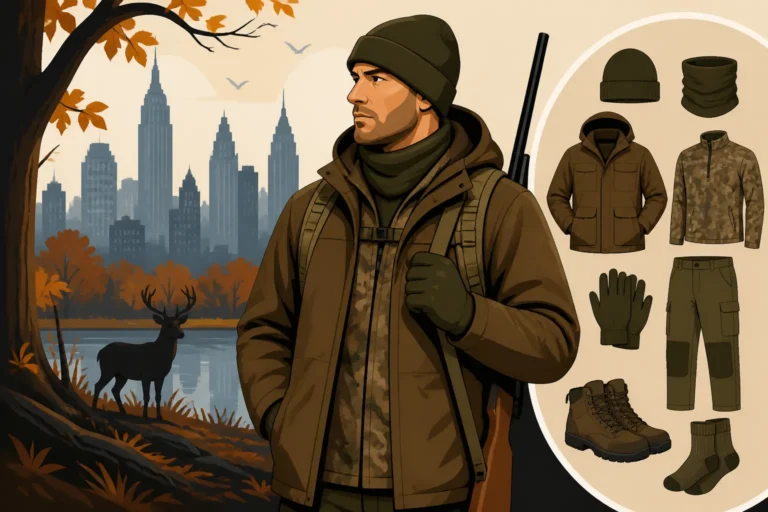
There's nothing quite like a New York November in the deer woods, right? Crisp mornings, the smell of damp leaves, the anticipation of the rut… it's magical. But let's be honest, those mornings can be brutally cold, and by midday, the sun might be beating down, leaving you sweating. This constant swing, especially when you're sitting still for hours, is the ultimate challenge for a hunter's comfort. Getting your base layers wrong means you're either shivering miserably or soaked in sweat, which quickly leads to shivering. This guide is all about helping you nail down the perfect base layers to keep you warm, dry, and focused on the hunt, not on your discomfort.
The Unique Challenge of November Weather in New York
November in New York isn't just "cold"; it's a wild card. One day, you're tracking deer in fresh snow with temperatures barely cracking twenty degrees. The next, it's fifty and raining, or a stiff wind is ripping through your carefully chosen layers, making that forty-degree air feel like ten. This isn't just an inconvenience; it can be dangerous if you're not prepared, leading to hypothermia if you get wet and can't stay warm.
The Unpredictable Swings from Dawn to Dusk
Think about it: you leave camp in the pitch black, frost crunching underfoot, the thermometer showing a bracing 25 degrees. You climb into your stand for Opening Weekend Tactics in the Southern Zone, knowing you'll be there for at least three or four hours. For the first hour, you're fine, maybe even a little chilly, but your body is regulating. Then the sun peeks over the ridge, and by 9 AM, the temperature has climbed to 35, and you've been working up a sweat on the walk in and the climb. By noon, if the sun's out and the wind dies, it might feel like 45 or 50 degrees, and you're suddenly overdressed.
The real kicker is when the wind picks up, or a cloud deck rolls in. That comfort you felt quickly evaporates, and if you're damp from sweating earlier, that chill can cut right through you. Hunters often find themselves in this predicament, struggling to find a balance between staying warm enough during the bitter cold sits and not overheating during periods of exertion or midday warmth. It's a dance with Mother Nature, and your base layers are your most critical partner.
Activity Level: Sitting Still Versus Constant Movement
Your activity level on a New York hunt changes everything when it comes to base layers. If you're planning a long, stationary sit in a treestand, perhaps during The New York Rut in November when bucks are cruising all day, your body isn't generating much heat. You need serious insulation right from the skin. A sedentary hunter gets cold much faster than someone on the move, and any moisture trapped against your skin will amplify that chill.
Conversely, if your plan involves covering a lot of ground, still-hunting through thick cover, or participating in a deer drive with your buddies, you'll be generating a significant amount of body heat. For these more active pursuits, like Still-Hunting Catskill Ridges or heading out for Deer Drives With Three or Four Hunters, your primary concern shifts from initial warmth to efficient moisture management. You want a base layer that pulls sweat away from your skin like a champ, so when you do stop moving, that moisture doesn't turn into a cold, clammy blanket. Balancing these different demands is where a thoughtful approach to base layers truly pays off.
Understanding Base Layer Materials
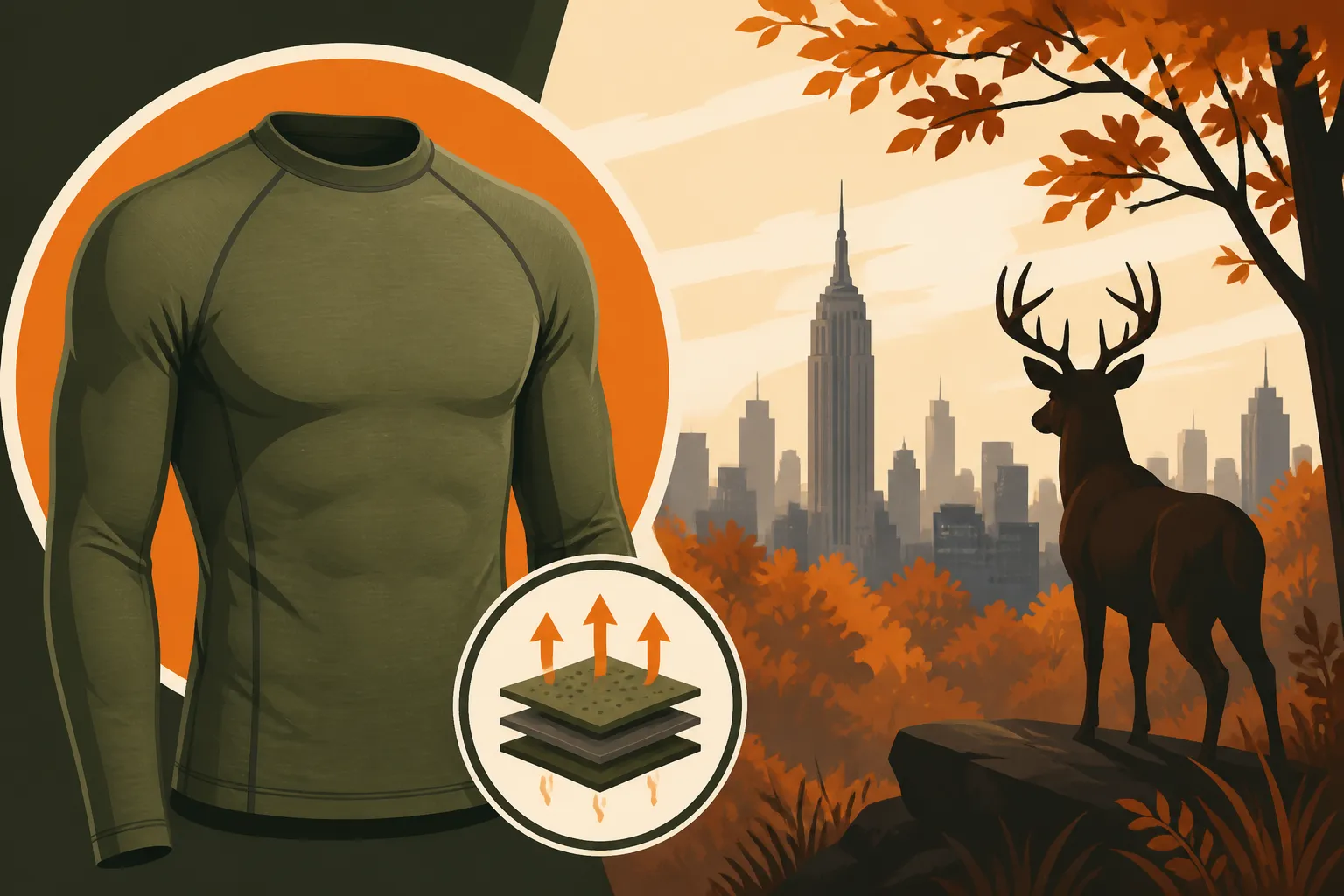
When you start looking at base layers, you'll quickly notice two main players dominating the market: merino wool and synthetic fabrics. Both have their strengths, and understanding these differences is crucial for making the right choice for your hunting style and the specific conditions you'll face in a New York November. Forget everything you know about old-school itchy wool sweaters; modern technical fabrics are a different beast entirely.
Merino Wool: The Hunter's Favorite for a Reason
For many seasoned New York hunters, myself included, merino wool is the gold standard for base layers, especially when the temperatures drop. This isn't your grandma's scratchy wool; modern merino is incredibly fine, soft, and feels fantastic against the skin.
Here's why it's so beloved:
- Exceptional Warmth-to-Weight Ratio: Merino fibers trap air, providing excellent insulation without being bulky.
- Insulates When Wet: This is a huge advantage. If you sweat or get caught in a light drizzle, merino wool retains much of its insulating properties, unlike cotton, which becomes useless.
- Odor Resistance: Merino wool has natural antimicrobial properties that resist the buildup of odor-causing bacteria. This means you can wear it for multiple days without smelling like a locker room, which is a major plus on multi-day hunts or when you don't have access to laundry. This is a feature often highlighted by brands focused on extended backcountry trips.
- Moisture Wicking: It pulls moisture away from your skin and moves it to the outer surface of the fabric, where it can evaporate.
- Quiet: It's a naturally soft and silent fabric, crucial for stealth in the woods.
Different weights of merino wool are available, typically measured in grams per square meter (g/m²). You'll see anything from 150g (lightweight) up to 320g or more (heavyweight). For most New York November hunting, a mid-weight (200-250g) is a fantastic all-around choice. If you're doing a lot of sitting in truly brutal cold, a heavier weight might be justified.
Synthetics: Fast-Drying and Durable Workhorses
Synthetic base layers, typically made from polyester or polyester blends, are another excellent option, especially if your hunt involves high levels of exertion or if you're on a tighter budget.
Their key advantages include:
- Superior Moisture Wicking: Synthetics often excel at quickly moving sweat away from your skin. They are designed to be "hydrophobic," meaning they resist absorbing water, pushing it to the surface instead.
- Faster Drying Time: Because they don't absorb much moisture, synthetics dry incredibly fast. This is a huge benefit if you get soaked by rain or sweat profusely, as you can dry out quicker than with wool.
- Durability: Synthetic fibers are generally more robust and resistant to abrasion and wear than wool, standing up to repeated use and washing.
- Lighter Weight: For a given level of warmth, synthetics can often be lighter than merino wool.
- Affordability: Generally, synthetic base layers are more budget-friendly than their merino counterparts.
The trade-offs? Synthetics tend to hold odors more readily than merino wool, even with antimicrobial treatments. They also don't insulate quite as well when thoroughly wet. However, for a hunter who plans on a long, hard hike into a remote area, perhaps scouting with Scouting New York Public Land Before Season, a synthetic base layer can be an ideal choice to manage that initial burst of sweat. Many brands, including those found on platforms like GoHunt, offer a range of high-performance synthetics.
The Cotton Catastrophe: Why You Must Avoid It
This cannot be stressed enough: NEVER wear cotton next to your skin when hunting in cold weather. Cotton is often referred to as "the death fabric" in the outdoor community, and for good reason.
Here's the problem:
- Absorbs Moisture: Cotton readily soaks up sweat and holds onto it. It doesn't wick it away.
- Loses Insulation When Wet: Once cotton gets wet, it loses almost all of its insulating properties. It becomes cold, clammy, and takes forever to dry.
- Evaporative Cooling: That moisture trapped against your skin, unable to evaporate quickly, creates a massive evaporative cooling effect, rapidly drawing heat away from your body. Even a slight chill can turn into a serious hypothermia risk when you're wearing damp cotton.
So, while that old cotton t-shirt might feel comfortable on a summer day, it's your worst enemy in a New York November deer stand. Stick with merino or synthetics, and you'll be much happier and safer.
The Art of Layering: Beyond Just Base Layers
Understanding base layers is just the first step. They are the foundation of an effective layering system, but they don't work in isolation. To truly stay comfortable and adaptable to New York's ever-changing November weather, you need to understand how your base layer integrates with your mid and outer layers. It's about building a system that allows you to add or subtract insulation as conditions or your activity level demand. This holistic approach is key to success on those cold, unpredictable days.
The Three-Layer System Foundation
The classic three-layer system is a concept every hunter should embrace, and it starts with the base:
- Base Layer (Wicking Layer): This is what we've been talking about. Its primary job is to manage moisture by moving sweat away from your skin. It can also provide some initial warmth.
- Mid-Layer (Insulation Layer): This layer is all about trapping warm air close to your body. Materials like fleece (synthetic) or thicker wool (merino or blends) are common choices. This is the layer you can often adjust most frequently – adding a vest, a puffy jacket, or another fleece as needed. For long, cold sits, a heavy mid-layer is crucial.
- Outer Layer (Shell Layer): This layer protects you from the elements – wind, rain, and snow. It needs to be durable, quiet, and either water-resistant or waterproof, depending on the forecast. Your outer layer might be a heavy insulated jacket for warmth or just a thin rain shell to keep you dry.
The beauty of this system is its versatility. On a mild day, you might just wear your base layer and an outer shell. On a frigid morning, you'll have all three, ready to shed the mid-layer if you start hiking or the sun comes out. This adaptability is critical for Clothing for a New York November and avoiding the dreaded cycle of sweating and then freezing.
Adapting for Activity Levels
Your base layer choice, and indeed your entire layering system, needs to be flexible enough to handle changes in your activity. A base layer that's perfect for sitting quietly for hours might be too much for a strenuous climb, and vice-versa.
Consider these scenarios:
- High Exertion: If you're busting through brush, dragging a deer, or making a steep climb to a stand in the Adirondacks, you'll sweat. For these situations, a lighter-weight synthetic base layer might be ideal, as it will wick moisture away very aggressively and dry quickly. You can always carry a warmer mid-layer in your pack and put it on once you've cooled down at your stand. Brands like GoHunt often feature gear reviews that highlight base layers designed for exactly this kind of intense activity.
- Low Exertion: For a long, stationary sit, especially in bitter cold, you'll want a warmer base layer. A mid- to heavyweight merino wool is an excellent choice here. It provides significant warmth directly against your skin and maintains its insulating properties even if you have a little bit of perspiration. Combine this with a good insulated mid-layer and a windproof, waterproof outer shell.
The key is to think ahead. If you know you'll have a strenuous walk in, consider wearing a lighter base layer, even if it feels a little chilly at the trailhead. Once you're at your stand and cooled down, you can add your mid-layer to trap that warmth. Likewise, if you anticipate Tracking a Deer in Fresh New York Snow after a shot, be prepared to shed some layers before you start the hard work to avoid overheating and getting soaked in sweat. Having Packs for a Day on Public Land is essential for carrying those extra layers and shedding them efficiently.
Choosing the Right Weight and Fit for Your Base Layers
Once you've decided on your material (merino or synthetic), the next crucial steps are selecting the appropriate weight and ensuring a proper fit. These two factors profoundly impact how well your base layers perform in keeping you comfortable and safe during those long, cold New York November hunts. Don't overlook these details; they can make or break your day in the woods.
Light, Mid, and Heavyweight Options and When to Use Them
Base layers come in different weights, which essentially refers to their thickness and, consequently, their warmth. These weights are often indicated by a fabric's density (e.g., 150g, 250g, 320g for merino wool).
-
Lightweight (e.g., 150-180g merino, thinner synthetics):
- When to Use: Ideal for high-output activities where you're generating a lot of heat, even in colder temperatures. Think fast-paced still-hunting, long hikes into remote spots, or early season bowhunting when it's cool but not truly cold. They excel at wicking moisture quickly. Some hunters even wear lightweight synthetic base layers as their "walk-in" layer, then swap to or add a warmer layer once they reach their stand.
- New York Scenario: A long, steep hike into the Adirondack backcountry before dawn. Or perhaps when you anticipate a lot of walking during Grouse Hunting New York Aspen Cover in late November.
-
Midweight (e.g., 200-260g merino, moderate synthetics):
- When to Use: This is often the most versatile choice for a New York November, offering a great balance of warmth and moisture management. It's suitable for moderate activity levels or for sitting in cool to cold conditions. Many hunters find a midweight merino top and bottom to be their go-to for deer season.
- New York Scenario: A typical morning sit in a treestand during New York's Southern Zone Firearm Season, especially if temperatures are hovering around freezing. It's enough to keep you warm initially, and still wicks sweat effectively if you need to move a bit.
-
Heavyweight (e.g., 280-350g+ merino, thick synthetics):
- When to Use: Reserve these for truly frigid conditions and prolonged periods of inactivity. If you're planning an all-day sit in a blizzard, or during the late New York Muzzleloader Season Tactics when temperatures often plunge, a heavyweight base layer is your best friend. They provide maximum warmth but can lead to overheating if you're active.
- New York Scenario: Cold-Weather Sitting Strategy in New York when you're expecting single-digit temperatures and a biting wind, sitting perfectly still waiting for that mature buck.
It's not uncommon for experienced hunters to own a range of weights and materials, mixing and matching based on the forecast and their planned activity. For instance, you might wear a lightweight synthetic top for the hike in and pair it with a midweight merino bottom for warmth when sitting. This is part of mastering Layering for a New York Deer Stand.
The Importance of a Snug Fit
The fit of your base layer is just as important as the material and weight. For base layers to do their job – which is primarily wicking moisture away from your skin – they need to be in constant contact with your skin.
- Snug, Not Constricting: A good base layer should fit snugly, like a second skin. It shouldn't be loose or baggy, as air gaps between the fabric and your skin will reduce its wicking efficiency and insulating capabilities. However, it shouldn't be so tight that it restricts your movement or circulation, which would be uncomfortable and potentially dangerous in cold weather.
- Full Coverage: Ensure your base layer covers all the areas you want protected. This typically means long-sleeve tops and full-length bottoms. Many hunters also extend their base layer system to include a neck gaiter or a balaclava, especially crucial for Boots for New York Swamps and Snow where heat loss from the head and neck is significant.
- Layering Seamlessly: A snug fit also means your mid-layers and outer layers can go on smoothly without bunching up. Bunching not only creates cold spots but can also be uncomfortable and hinder your range of motion when aiming a bow or shouldering a rifle.
A proper fit, combined with the right material and weight, forms the bedrock of a successful layering system that will keep you comfortable and focused on the hunt, no matter what challenges a New York November throws your way. Remember, an investment in good base layers is an investment in your enjoyment and safety in the deer woods.
Disclaimer
This article is for general informational purposes only and does not constitute professional advice. Laws, prices and regulations vary by location and change over time. Consult a qualified professional for guidance on your specific situation.