Field Dressing Knives Worth Carrying
There’s nothing quite like the rush of a successful hunt in the crisp New York air, followed by the immediate, often gritty, task of field dressing your game. But that moment quickly sours when your trusty, everyday blade struggles through hide and muscle, leaving you frustrated and worried about meat quality. This guide will walk you through choosing a field dressing knife that will make this essential part of the hunt efficient, safe, and respectful of the animal.
Why Your Everyday Pocket Knife Might Not Cut It
We've all been there: you make the shot, you find your deer or turkey, and the adrenaline is still pumping. You reach for the knife you've always carried, perhaps a trusty folder that's great for opening packages or cutting twine around camp. But then, you start the field dressing process, and quickly realize this isn't the job for a general-purpose tool.
The Limitations of Generic Blades
That little folder you use daily for odd jobs? It’s probably not designed for the sustained, demanding work of field dressing. The blade geometry might be too thick, making it difficult to penetrate tough hide cleanly. The steel might be softer, meaning it dulls after just a few cuts, requiring constant resharpening in the field, which is not only inconvenient but also slows down the crucial cooling process for the meat. Imagine trying to make precise cuts around organs with a dull blade – it's a recipe for a messy, inefficient job.
Beyond the blade itself, the handle on a generic pocket knife often isn't ergonomic for field dressing. It can be small, slippery when wet or bloody, and uncomfortable to grip for extended periods, leading to hand fatigue. And safety? A folding knife, especially one not designed with a solid lock-back or liner lock, can be a serious hazard if it accidentally closes on your fingers under pressure. The last thing you want deep in the Adirondack Forest Preserve is a sliced finger because your knife failed you.
The Specific Demands of Field Dressing
Field dressing isn't just about cutting; it's about making deliberate, controlled incisions through various tissues. You need to open the body cavity, sever the trachea and esophagus, cut around the anus, and sometimes disarticulate joints, all while trying to keep the meat clean and free of gut contents. This requires a blade that can hold a razor edge, withstand lateral pressure, and offer precise control.
Think about the tough hide of a mature New York buck, especially after it's been exposed to the elements for a bit, or the thick feathers and hide of a fall turkey. These aren't cardboard boxes. You need a blade that glides, not tears, and one that has enough belly to make long, sweeping cuts, yet a fine point for delicate work around glands or when caping for a mount. The right knife makes this demanding task much easier and ensures you're doing right by the animal and the meat you're bringing home.
Understanding Different Field Dressing Knife Types
When you start looking at dedicated field dressing knives, you'll notice there are several types, each with its own advantages and disadvantages. Knowing the differences can help you choose the best tool for your hunting style and the game you pursue in New York.
Fixed Blades: The Workhorses
For many seasoned hunters, a fixed blade knife is the undisputed champion of the field dressing world, and for good reason. Their primary advantage lies in their inherent strength and reliability. Since the blade extends through the handle, there are no moving parts to fail or collect debris. This full tang construction means they can handle significant torque and pressure without fear of the blade snapping or closing on your hand.
Fixed blades are also typically much easier to clean thoroughly. After a messy field dressing job, you can rinse the entire knife without worrying about blood and tissue getting trapped in hinge mechanisms or handle scales, a huge plus for hygiene and preventing bacterial growth on your Deer Meat Yield From a New York Buck. Their robust design and often larger size make them excellent for sustained cutting, whether you're working on a hefty Catskill bear or a whitetail deep in the Hunting Southern Tier Farmland Deer. Many come with durable sheaths that protect the blade and allow for safe, convenient carry on your belt or pack, making them readily accessible when you need them most.
Folding Blades: Convenience vs. Compromise
Folding knives, while often a hunter's go-to for everyday carry, present a mixed bag when it comes to field dressing. Their undeniable convenience is their strong suit: they're compact, easy to slip into a pocket or a small pouch on your pack, and don't require a dedicated sheath. For a quick solo turkey hunt or for those times when space and weight are critical, a well-designed folding knife can certainly get the job done.
However, the "compromise" often comes in safety and hygiene. Even the best folding mechanisms, like liner locks or frame locks, can potentially fail under extreme pressure, albeit rarely with quality knives. More importantly, the pivot point and the space between the scales are notorious traps for blood, hair, and gut contents. Cleaning these thoroughly in the field can be nearly impossible, leading to potential contamination or unpleasant odors later. While some modern designs are better at mitigating this, it's still a factor to consider, especially if you're meticulous about meat hygiene. For a quick job, they work, but for extensive work, particularly on larger game like those found during New York's Southern Zone Firearm Season, a fixed blade generally shines.
Specialty Blades: Gut Hooks, Caping Knives, and Boning Knives
Beyond the general-purpose field dressing knife, there's a world of specialized blades that can make specific tasks even easier. You might not need all of them for every hunt, but understanding their purpose can help you round out your Meat Care Gear for New York Hunters.
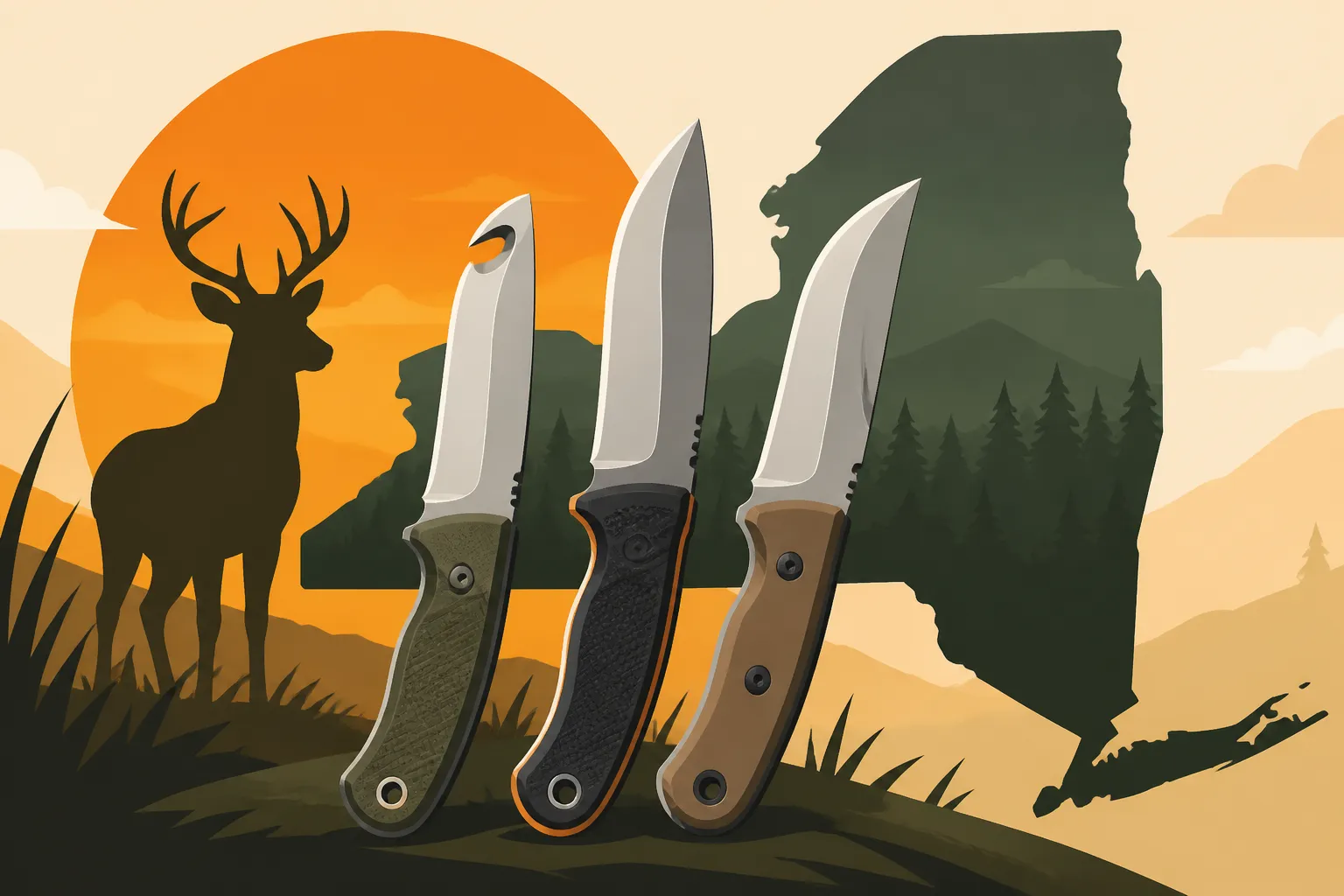
- Gut Hooks: These knives feature a small, curved hook with a sharpened inside edge. Their primary purpose is to open the body cavity of an animal without puncturing the intestines, which can contaminate the meat. You simply slide the hook under the skin and pull, allowing the blade to separate the hide and muscle while protecting the viscera. They are incredibly effective for quick, clean opening cuts, especially useful for hunters who want to avoid accidental punctures while Field Dressing a Deer in Cold Weather.
- Caping Knives: If you plan to have a European mount or a full shoulder mount, a dedicated caping knife is invaluable. These knives typically have small, slender blades, often with a fine point and a curved belly. They are designed for the delicate, precise work of skinning around the face, ears, and antler bases, allowing you to separate the hide from the skull cleanly and carefully, preserving the cape for the taxidermist.
- Boning Knives: While often used at home during the Butchering a Deer at Camp stage, a flexible boning knife can also be useful in the field if you're opting for the gutless method or quartering an animal in the backcountry, especially for larger game like bears. These knives have thin, flexible blades that allow you to separate muscle from bone with minimal waste. Using resources like GoHunt to research backcountry processing techniques might lead you to consider carrying a lightweight boning knife in your Packs Built for a Multi-Day Backcountry Hunt.
Choosing which, if any, specialty blade to carry depends on your hunting goals and how you plan to process your animal immediately after the shot.
Key Features to Look for in a Quality Field Dressing Knife
When you're ready to invest in a dedicated field dressing knife, there are several key features that separate a good blade from a great one. Don't just grab the cheapest option; consider how these elements impact performance, safety, and longevity.
Blade Steel and Edge Retention
The type of steel used in a knife's blade is arguably its most critical feature. It directly impacts how well the knife holds an edge (edge retention), how easy it is to sharpen, and its resistance to corrosion. For field dressing, you want a balance of these properties. A blade that dulls after just a few cuts through hide and hair is a major frustration.
Stainless steels (like 440C, AUS-8, S30V, or S35VN) are popular for hunting knives because they offer excellent corrosion resistance, which is vital when dealing with blood and moisture in the field. They generally hold a good edge and are relatively easy to clean. Carbon steels (like 1095) offer superior edge retention and can be sharpened to a hair-popping keenness, but they are more prone to rust and require diligent cleaning and oiling to prevent pitting. For most New York hunters, a good quality stainless steel will be more than adequate, offering a great balance of performance and low maintenance. Regardless of the steel, a truly sharp edge is non-negotiable for clean, efficient work and safe handling.
Handle Ergonomics and Grip
A knife's handle is just as important as its blade, especially when your hands are cold, wet, or bloody. Poor handle design can lead to fatigue, discomfort, and, most dangerously, a loss of grip. Look for a handle that fills your hand comfortably, providing a secure, non-slip purchase even when conditions are less than ideal.
Materials like rubberized synthetics (e.g., Kray-Ex, G-10), textured Micarta, or even carefully shaped wood can offer excellent grip. Avoid handles that are too smooth, too small, or have sharp edges that dig into your palm. Many quality field dressing knives feature a prominent finger choil or guard to prevent your hand from slipping forward onto the sharp blade during a powerful thrust or pull. This safety feature is critical when working on a large animal like a New York black bear during New York Bear Season by Zone. The ability to maintain a firm, controlled grip throughout the entire field dressing process ensures both efficiency and your personal safety.
Sheath and Carry Options
For fixed blade knives, the sheath is an integral part of the system. It protects the sharp blade, prevents accidental cuts, and provides a secure way to carry your knife. A good sheath will hold the knife firmly, preventing it from falling out, yet allow for easy, one-handed draw when needed.
Kydex, sturdy leather, or high-quality nylon are common materials for sheaths. Look for designs that offer multiple carry options, such as vertical or horizontal belt carry, or attachment points for a pack. For a backcountry hunter, a secure sheath that integrates seamlessly with your Packs Built for a Multi-Day Backcountry Hunt is essential. The sheath should also be easy to clean, as it will inevitably come into contact with blood and other field dressing residues. A poorly designed or flimsy sheath can negate all the advantages of a great knife, making it inconvenient or even unsafe to carry.
Sharpening Systems and Field Maintenance
Even the best blade steel will eventually lose its razor edge, especially after field dressing an animal. Having a reliable sharpening system, both for at home and a compact option for the field, is crucial. For quick touch-ups on the go, a small ceramic rod, a diamond grit sharpener, or even a compact pull-through sharpener can restore enough keenness to finish the job. GoHunt forums often have great discussions on field sharpening techniques and recommended tools.
At home, a more robust sharpening system—whether it's a set of stones, a guided system, or an electric sharpener—will help you maintain that factory-sharp edge. Remember, a sharp knife is a safe knife. Trying to force a dull blade through tough hide is when accidents happen. Regular maintenance, including cleaning, drying, and occasionally oiling your blade (especially carbon steel), will ensure your field dressing knife remains a reliable tool for many New York hunting seasons to come.
Recommendations for Your New York Hunt
Choosing the right field dressing knife isn't just about technical specifications; it's about what feels right in your hand and what serves your specific hunting needs here in New York.
Best All-Around Options for Deer
For the vast majority of deer hunters in New York, a versatile fixed blade knife with a blade length between 3.5 and 5 inches will be an excellent all-around choice. This size provides enough reach and leverage for opening the body cavity and working around internal organs, yet it's still nimble enough for more precise cuts. A blade with a drop point or clip point design is often favored, as it offers a strong tip for piercing and a good belly for slicing.
Consider blades made from stainless steels that offer a good balance of edge retention and corrosion resistance. Look for a comfortable, grippy handle that feels secure even when wet. Many hunters swear by classics that have proven their worth over decades in the field. These types of knives are fantastic companions whether you're still-hunting in the Catskill Forest Preserve or sitting a treestand during the Hunting the New York Rut in November. They're easy to clean, durable, and reliable, giving you one less thing to worry about when you've got a downed deer.
Considering Specialized Tools for Bear or Turkey
While a good all-around deer knife can certainly handle smaller game and even a bear in a pinch, pursuing larger animals like black bears or smaller, more delicate ones like turkeys might warrant a specialized approach or at least a second, complementary blade.
For bear hunters, a slightly larger, more robust fixed blade might be beneficial. Bears have thicker hides and larger body cavities, demanding a knife that can handle more substantial work. A gut hook can be particularly useful on a bear, allowing for a cleaner initial opening. When you're Handling a Bear After the Shot, having a knife designed for the task will make the job much more manageable and efficient, especially if you're alone or deep in the woods. Conversely, for spring turkeys, a smaller, sharper blade might be preferred for delicate work around the crop and for precise breasting out, if you don't plan to pluck. You might also consider a dedicated caping knife if you're hoping for a mount from a particularly impressive gobbler. Remember that when considering different options, some online resources, like GoHunt, provide user reviews and discussions that can offer valuable real-world insights into knife performance for specific game.
Hygiene and Maintenance in the Field and At Camp
The job isn't done when the field dressing is complete. Proper hygiene and maintenance are paramount for preserving your knife and ensuring food safety. In the field, always carry a small bottle of water and some paper towels or wipes. After you finish field dressing, give your knife a thorough wipe-down and rinse off as much blood and tissue as possible. This initial cleaning prevents blood from drying and hardening, which makes it much harder to remove later.
| Knife Type | Primary Use | Blade Type | Cleaning Effort | Portability | Key Advantages |
|---|---|---|---|---|---|
| Fixed Blade | General Field Dressing, Quartering | Drop/Clip Point | Low | Moderate | Durability, Strength, Easy to Clean, Reliable |
| Folding Blade | General Field Dressing (light) | Drop/Clip Point | Moderate/High | High | Compact, Convenient, Easy to Carry |
| Gut Hook | Opening Body Cavity | Hooked | Low | High (often small) | Prevents Punctures, Fast Opening |
| Caping Knife | Detail Skinning, Taxidermy Prep | Small, Fine Point | Low | High (often small) | Precision for Delicate Cuts, Preserves Cape |
| Boning Knife | Removing Meat from Bone | Thin, Flexible | Low | Moderate | Minimizes Waste, Excellent for Gutless Method |
Once you're back at camp or home, give your knife a deep clean. Use warm soapy water and a brush to get into every crevice, especially if you're using a folder. Dry it completely to prevent rust, especially if it's a carbon steel blade. A light coating of mineral oil or a rust-preventative oil can further protect the blade. Regularly sharpening your knife, both in the field with a compact sharpener and at home with a more comprehensive system, ensures it's always ready for the task. This diligence means your reliable field dressing knife will be a trusted partner for years of successful hunts.
Disclaimer
This article is for general informational purposes only and does not constitute professional advice. Laws, prices and regulations vary by location and change over time. Consult a qualified professional for guidance on your specific situation.