Hunting Deer in Deep Tug Hill Snow
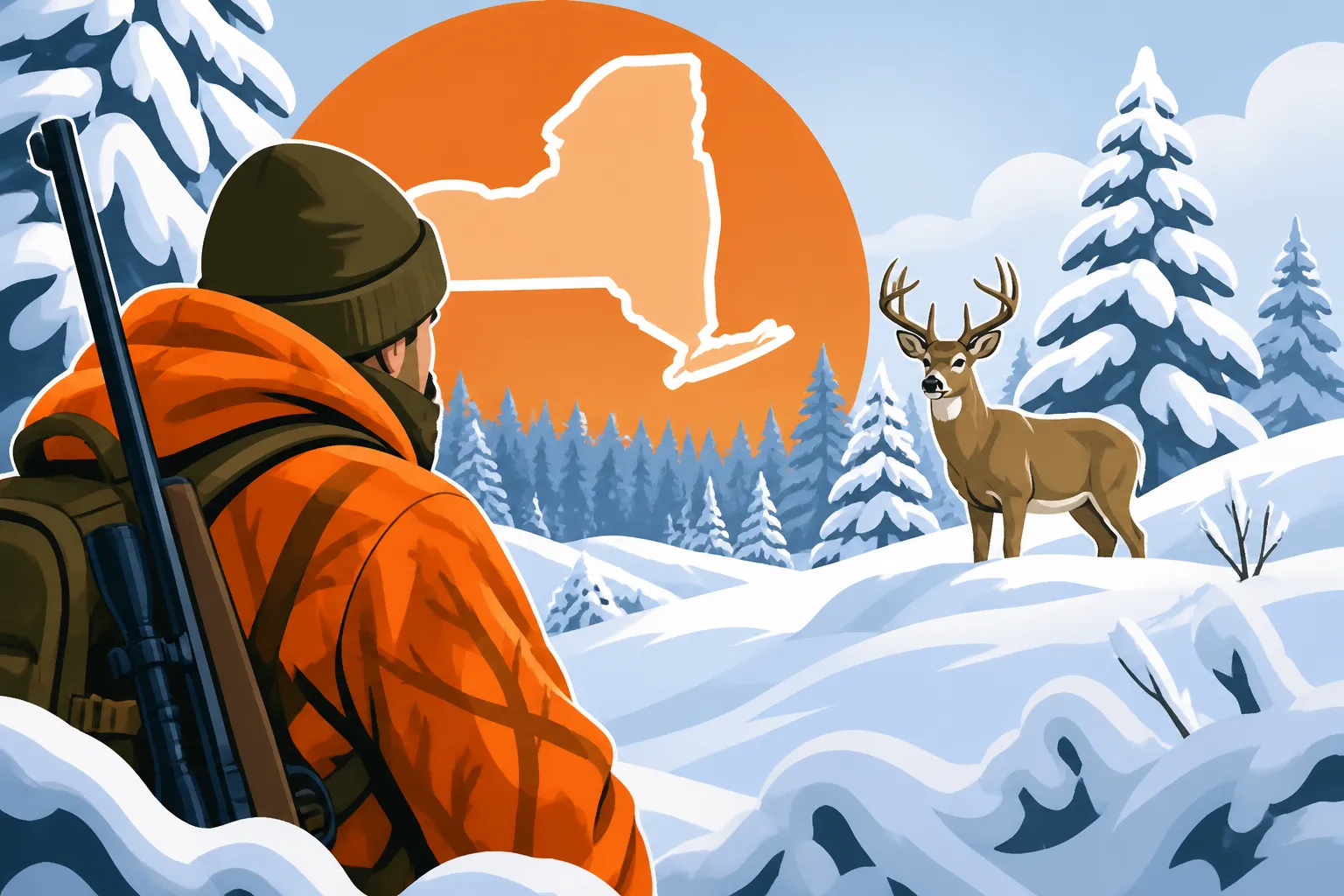
Hunting deer on New York's Tug Hill Plateau when the snow piles up isn't for the faint of heart. It's a brutal, unforgiving landscape that can test even the most seasoned hunter, making simple tasks feel like monumental challenges. Yet, for those willing to brave the bitter cold and endless drifts, the rewards can be incredible. This guide is dedicated to helping you understand the unique challenges and effective strategies for deer hunting in the deep snows of the Tug Hill, transforming a daunting environment into a potential hunting advantage.
Understanding the Tug Hill's Winter World
The Tug Hill Plateau is a beast of its own, especially when winter hits. It’s known for receiving some of the highest snowfall totals east of the Rocky Mountains, often measured in feet, not inches. This isn't just a pretty blanket of white; it fundamentally changes everything about deer behavior and how you, as a hunter, must approach the season. Many hunters might give up when the snow gets too deep, but that's precisely when the Tug Hill's unique character can work in your favor.
Deer Yarding Behavior and Snow Depth
When the snow really starts to stack up, typically once it consistently exceeds 18-24 inches, deer in areas like the Tug Hill don't just wander aimlessly. They conserve energy, often "yarding up" in specific areas that offer critical shelter and more accessible food sources. These deer wintering areas, or "yards," are usually dense stands of conifers like hemlock, spruce, and fir, which provide a thick canopy that intercepts snow and offers a thermal blanket. The evergreen branches hang low, creating tunnels and pathways where snow is shallower, allowing deer to move with less effort and browse on available vegetation.
Finding these yards is paramount to success in deep snow. Look for areas on maps with significant conifer cover, often in river bottoms, ravines, or on south-facing slopes that catch more sun. Once you're on the ground, look for heavily beaten-down trails and an abundance of deer sign concentrated in these evergreens. You might find tracks, droppings, and browse lines that are much more intense than in the surrounding hardwood forests. It's not just about warmth; these areas reduce energy expenditure dramatically, allowing deer to survive until spring. Ignoring these winter havens means you're likely hunting empty woods.
How Deep Snow Changes Deer Movement
Beyond yarding, deep snow dictates every step a deer takes. Travel becomes difficult and energy-intensive, forcing deer to choose paths of least resistance. This means they will often stick to existing trails, logging roads, or the edges of dense conifer stands where the snow is less prohibitive. They will also avoid open hardwoods or fields where they have to plow through deep drifts, exposing them to predators and burning precious calories.
What this means for you is that deer movement patterns become much more predictable. Instead of sprawling across vast areas, they are confined to smaller, more concentrated pockets. A well-placed stand or a carefully executed still-hunt along one of these "snow trails" can be incredibly effective. Pay close attention to subtle terrain features like slight ridges or changes in elevation within a conifer stand; these can act as natural funnels where deer movement is further concentrated. Understanding these patterns is key to Hunting Tug Hill Plateau Deer successfully.
Essential Gear for Deep Snow Deer Hunting
Hunting in deep snow requires a completely different gear strategy than a typical October or November hunt. Comfort, safety, and efficiency become top priorities. Skimping on the right equipment isn't just uncomfortable; it can be downright dangerous when you're miles into the Tug Hill backcountry. The cold and snow can turn a minor inconvenience into a major emergency in a hurry.
Specialized Footwear and Outerwear
First and foremost, your feet and core need serious protection. For footwear, forget those lightweight hiking boots. You need insulated, waterproof boots designed for extreme cold. Look for models with at least 1,000 to 2,000 grams of Thinsulate or similar insulation. Brands like Schnee's, Kenetrek, or even heavy-duty models from Irish Setter are popular choices among serious winter hunters. Consider wearing multiple layers of wool socks, perhaps a thin liner sock and a heavy outer sock, to manage moisture and maximize warmth. Nothing ends a hunt faster than frozen feet. Our article on Insulated Boots for All-Day Sits goes into more depth on keeping your feet warm.
For outerwear, layering is critical. You'll be exerting a lot of energy moving through deep snow, and then sitting for periods, so you need to be able to regulate your temperature. A good base layer (wool or synthetic, never cotton) is crucial for wicking moisture. Mid-layers should provide insulation, such as fleece or down. Your outer layer needs to be waterproof, windproof, and durable enough to withstand brush and snow. A quality hunting parka and bibs or heavily insulated pants are essential. Look for quiet fabrics that won't spook game, even in crispy cold temperatures. Don't forget a warm hat that covers your ears, a neck gaiter or balaclava, and heavily insulated, waterproof gloves or mittens with finger access.
Navigation and Tracking Tools
In deep snow, familiar landscapes can look entirely different, and trails can disappear under feet of white. Reliable navigation is non-negotiable. A dedicated GPS unit is still a fantastic primary tool, as they often have longer battery life in the cold and are more robust than phones. However, modern phone apps like GoHunt or onX Hunt are incredibly powerful and offer detailed satellite imagery and property lines that can be crucial for identifying conifer stands, logging roads, and escape routes. Always carry a portable power bank for your phone and extra batteries for your GPS. A physical map and compass, and the knowledge to use them, should always be your backup. Our guide on GPS Units Versus Phone Apps can help you decide what's best for your style.
For tracking, a good pair of binoculars is essential for spotting deer at a distance or discerning subtle movement in white conditions. Consider binos with larger objective lenses (e.g., 10×42 or 10×50) for better low-light performance, as winter days are shorter and often overcast. A rangefinder is also important for accurate shots, as distances can be deceiving in open snow. Don't forget practical tracking tools like flagging tape (biodegradable, please!) or a small can of spray paint for marking blood trails, which can be hard to follow in fresh snow, or even to mark your path in and out.
Deep Snow Hunting Gear Checklist
To help you get organized, here's a quick checklist of essential gear for a deep snow hunt on the Tug Hill:
| Category | Essential Items | Notes |
|---|---|---|
| Footwear | Insulated, waterproof boots (1000-2000g insulation) | Schnee's, Kenetrek are top choices. |
| Wool/synthetic socks (liner + heavy) | Wicks moisture, prevents blisters. | |
| Outerwear | Waterproof, windproof parka & bibs/pants | Layered system for temperature regulation. |
| Warm hat, neck gaiter/balaclava | Protects exposed skin from frostbite. | |
| Insulated, waterproof gloves/mittens | With dexterity for shooting. | |
| Base Layers | Wool or synthetic moisture-wicking tops & bottoms | Never cotton! |
| Mid Layers | Fleece, down, or synthetic insulated layers | Adds warmth without bulk. |
| Navigation | GPS unit with extra batteries | Durable, reliable in cold. |
| Smartphone with mapping app (GoHunt, onX Hunt) | Power bank essential. | |
| Physical map and compass | Non-electronic backup. | |
| Tracking | Binoculars (10×42 or 10×50) | Good low-light performance. |
| Rangefinder | For accurate distance estimation in open snow. | |
| Flagging tape (biodegradable) / Spray paint | Marking blood trails/path. | |
| Survival | Fire starting kit (multiple methods) | Lighter, waterproof matches, fire starter. |
| Emergency shelter (space blanket, tarp) | Crucial for unexpected overnight. | |
| Headlamp with extra batteries | For pre-dawn entries and after-dark recoveries. | |
| First-aid kit | Including blister care, pain relievers. | |
| High-energy snacks & extra water | Stay fueled and hydrated. | |
| Travel | Snowshoes or backcountry skis | Absolutely essential for efficient travel. |
| Deer drag or sled | To extract a downed deer from deep snow. |
Tactics for Tracking and Still-Hunting in Deep Snow
Deep snow transforms deer hunting from a game of chance into a strategic chess match. When the white stuff is piled high, deer are forced into patterns, and the conditions themselves provide clues that are absent at other times of the year. This is where patience, observation, and a methodical approach truly pay off.
Reading Sign and Identifying Travel Corridors
In deep snow, deer sign is amplified. Every track, every disturbed branch, every bed becomes glaringly obvious. Your job is to read this story in the snow. Look for not just individual tracks, but patterns of movement. Are there fresh tracks leading into a conifer swamp? Is there a heavily used trail emerging from a thicket heading towards a known food source like a cut cornfield or a regenerating clear-cut? The heavier the snow, the more reluctant deer are to break new trail, so they'll use and re-use existing paths. These become your prime hunting grounds.
When scouting, don't just look down. Observe browse lines on trees and shrubs. In deep snow, deer will eat higher than you might expect. Also, look for distinct "pavement" created by deer walking repeatedly in the same tracks, compressing the snow into a hard path. These are clear indications of active travel corridors. The key is to find fresh sign, ideally from within the last 12-24 hours, to confirm deer are still using the area. A high-quality mapping app like GoHunt can help you overlay snow depth maps (if available) with terrain and cover to predict where deer might be concentrated.
Effective Still-Hunting Strategies
Still-hunting in deep snow is one of the most productive methods on the Tug Hill, but it requires extreme patience and a slow pace. The crunch of snow underfoot can be loud, making stealth difficult. Focus on taking 2-3 steps, then pausing for 5-10 minutes, using your binoculars to scan every shadow and tree trunk. Deer will often bed down in dense cover, especially on the sunny side of a ridge or in a thick conifer stand, to escape the wind and soak up whatever warmth they can. You might literally walk within feet of a bedded deer before it busts out.
When moving, try to step in existing deer tracks if possible, as the snow is already compressed there, making less noise. If you're on snowshoes, lift your feet high to avoid scraping. Hunt into the wind, or at least a quartering wind, to keep your scent from blowing ahead of you. Focus your efforts in and around those identified deer yards and travel corridors. This isn't about covering miles; it's about meticulously dissecting small areas where deer are concentrated. The quieter you are, and the more observant, the better your chances of spotting a deer before it sees you. For more insights on this method, check out Still-Hunting Catskill Ridges, many principles of which apply to the Tug Hill.
Tracking and Shot Placement
Tracking a deer in deep snow can be both a blessing and a curse. Fresh tracks are easy to follow, but in heavy snow, a wounded deer can cover ground surprisingly fast. This is where a well-placed shot is absolutely critical. In thick winter coats, deer can look larger, and it's easy to misjudge shot placement. Aim for the vitals, making sure you have a clean, ethical shot. Heavy snow can also impede bullet or arrow flight, so ensure your equipment is sighted in for the conditions. For those using muzzleloaders in December, keeping powder dry in Lake-Effect snow is a crucial consideration.
Once you've taken a shot, the deep snow can actually aid in recovery by amplifying blood trails and slowing the animal down. However, if it's snowing heavily, a blood trail can quickly be covered up. Mark your last known blood sign liberally with flagging tape. If the trail is sparse, move slowly and look for displaced snow, broken branches, or even subtle changes in snow color. If you lose the trail, expand your search pattern in circles from the last confirmed sign. If you're hunting alone, consider calling in a friend to help with the recovery, as dragging a deer out of deep snow is a monumental task. A sled or a purpose-built deer drag is essential for getting your harvest out. Read more about Deer Sleds for Snow Country to prepare for the extraction.
Safety and Preparation for Extreme Conditions
Hunting the Tug Hill in deep snow is not a casual outing. The extreme cold, high winds, and immense snow depths present serious safety hazards. Proper preparation and a cautious mindset are just as important as your hunting tactics. Failing to respect the environment can lead to life-threatening situations.
Mitigating Hypothermia and Frostbite
These are the two biggest threats when hunting in deep snow. Hypothermia occurs when your body loses heat faster than it can produce it, leading to a dangerously low core body temperature. Frostbite is the freezing of body tissue. Both are real dangers on the Tug Hill. The best defense is proactive layering, as discussed earlier, and staying dry. Wet clothing loses most of its insulating properties. If you start to sweat while hiking in, strip off layers, then put them back on before you cool down. Always carry a complete change of dry base layers in a waterproof bag in your pack, especially socks.
Pay attention to warning signs: uncontrolled shivering, confusion, slurred speech, clumsy movements are all indicators of hypothermia. For frostbite, look for numbness, tingling, and waxy-looking skin, particularly on fingers, toes, ears, and nose. If you suspect either, get warm, dry, and seek shelter immediately. Carry high-energy snacks like nuts, chocolate, and energy bars to fuel your body's furnace. Hot beverages in a thermos can also make a huge difference, offering warmth from the inside out.
Navigation and Communication in Remote Areas
The Tug Hill is vast and remote. Cell service is spotty at best, and often non-existent in the deep timber or valleys. Relying solely on your cell phone for communication or navigation is a dangerous gamble. In addition to a GPS and a physical map and compass, consider carrying a satellite communication device like a Garmin inReach or a Zoleo. These devices allow you to send and receive text messages and, crucially, trigger an SOS call to emergency services even without cell service.
Always let someone know exactly where you are going, your planned route, and when you expect to return. Stick to that plan. If you're hunting with a partner, carry two-way radios for communication when out of earshot. Even in dense timber or during snow squalls, these can be a lifeline. Remember that New York Hunter Education Requirements emphasize safety and preparation, and these principles are amplified tenfold in extreme winter conditions.
Emergency Shelter and Fire Starting
No matter how well you plan, an unexpected situation can force an unplanned overnight stay. Getting lost, injuring yourself, or a sudden change in weather can leave you stranded. Always carry the means to create an emergency shelter and start a fire. A lightweight tarp or an emergency space blanket can provide crucial protection from wind and snow.
For fire starting, carry multiple methods: a waterproof lighter, waterproof matches, and a ferro rod with some cotton balls soaked in Vaseline or commercial fire starters. Even in deep snow, you can often find dead branches and bark under the snow, particularly from conifers. Building a small, sustained fire can be the difference between survival and hypothermia. Dig a small platform in the snow or use logs to create a base to keep your fire from melting down into the snow. Having a headlamp with fresh batteries is also non-negotiable for any unexpected low-light situation.
Disclaimer
The information provided in this guide is for informational purposes only and is not a substitute for professional advice. Always consult the most current New York State Department of Environmental Conservation (DEC) hunting regulations and exercise extreme caution and personal responsibility when hunting, especially in challenging winter conditions. Always prioritize safety over success.