When New York Gobblers Go Quiet
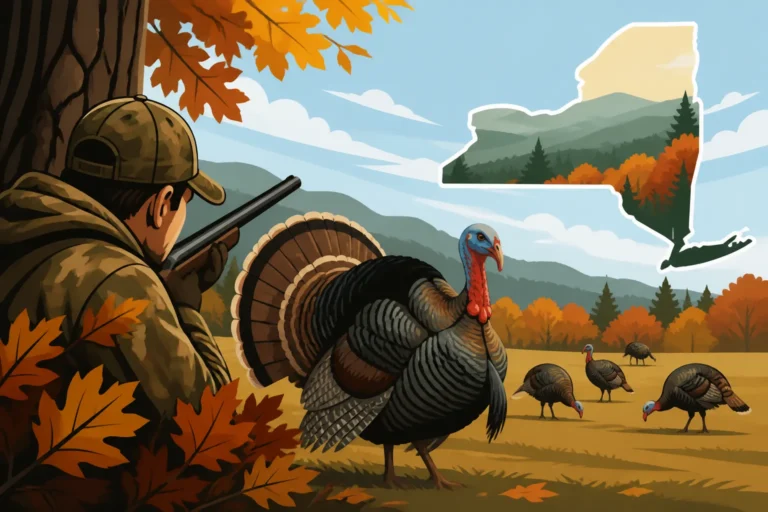
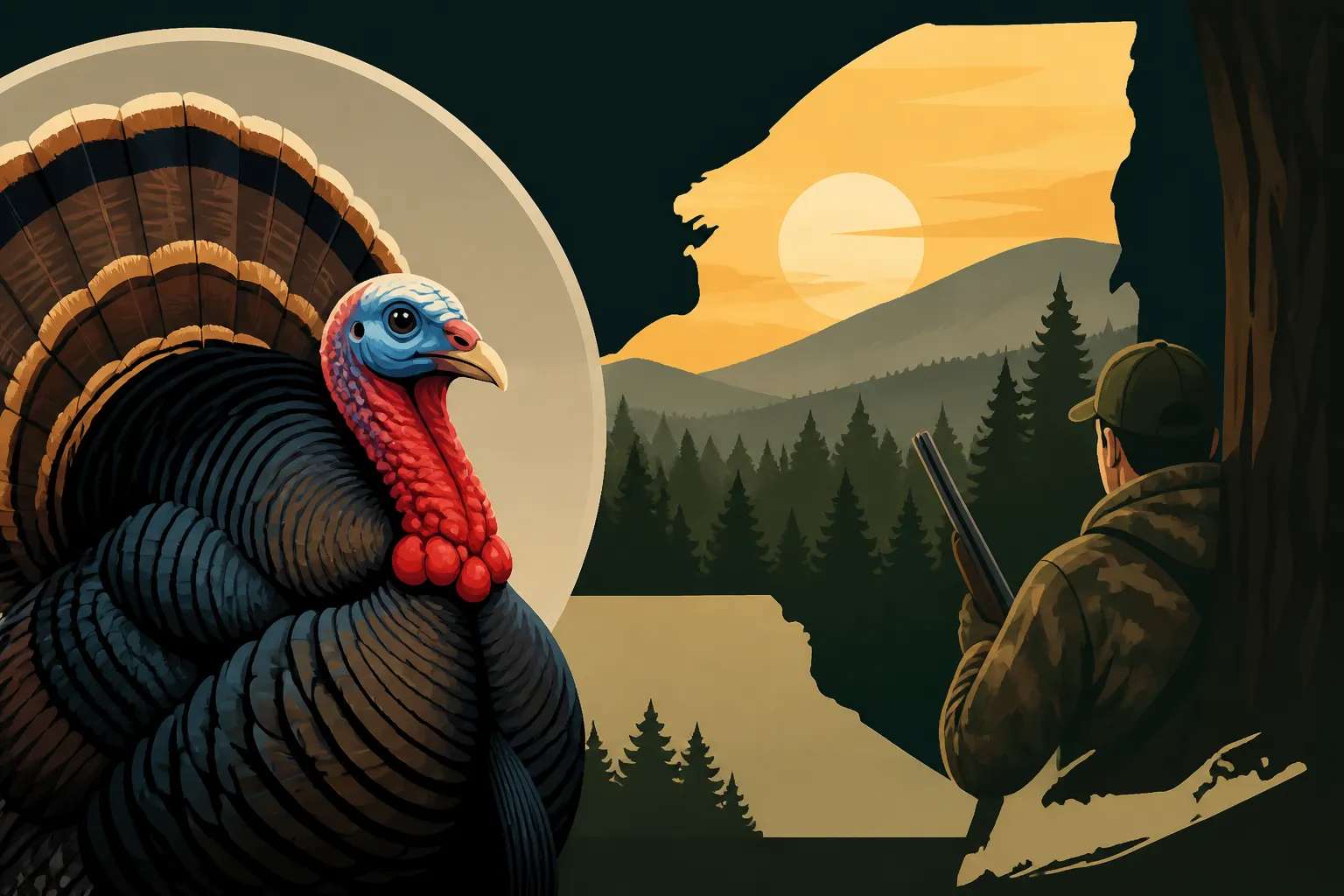
There's nothing quite like the sound of a spring gobbler hammering on the roost, making the woods come alive with his booming calls. But then, as the season progresses, it can feel like someone just flipped a switch. Suddenly, the woods are quiet, and those vocal birds you heard on opening day seem to have vanished into thin air. This guide will help you understand why New York gobblers often go quiet and, more importantly, how to adapt your tactics to find success when the woods fall silent.
Understanding the Mid-Season Lull in Turkey Activity
That frustrating moment when the woods fall silent after an energetic start to the spring turkey season isn't just you; it's a common phenomenon many hunters in New York experience. It can be incredibly disheartening, especially when you've invested time and effort, only to be met with a frustrating lack of response. This mid-season lull is often a natural part of the turkey breeding cycle combined with increasing hunting pressure.
Post-Peak Breeding Behavior Changes
Early in New York's spring turkey season, gobblers are absolutely dialed in on breeding. Their primary goal is to locate and breed as many hens as possible, which means they are highly vocal. They gobble from the roost, on the ground, and throughout the morning to advertise their presence and attract mates. This is the period when those aggressive, booming responses to your calls are most common, making for exciting, fast-paced hunts.
However, as the season progresses, typically by late May or early June, a significant shift occurs. Most of the hens have been bred and are now nesting. They're sitting on eggs, which means they're no longer roaming widely or actively seeking gobblers. With fewer receptive hens to chase, the gobblers' drive to gobble intensely diminishes. Why expend all that energy and risk attracting predators or rival toms if there aren't many hens left to impress? They become less dependent on loud vocalizations to find a mate, and their behavior becomes much more subtle and unpredictable. It's a natural progression, but it can certainly feel like the bottom fell out of the turkey woods.
Increased Hunting Pressure and Educated Birds
Another major factor contributing to silent gobblers is the cumulative effect of hunting pressure. Those easy gobblers from opening day? They've either been tagged, or they've gotten a PhD in hunter evasion. New York has a lot of public land, and popular spots, especially within accessible State Forests or Wildlife Management Areas (WMAs), see significant hunter traffic during the first few weeks of the season. Turkeys are incredibly intelligent and learn quickly.
Every time a gobbler hears a call, sees a decoy, or detects a human presence, he logs that information. After being called to, spooked, or even shot at, these birds become far more wary. They might still hear your calls, but instead of responding with a gobble, they'll often just slip silently in or out of an area, using terrain and cover to their advantage. They learn that loud vocalizations can attract danger, not just hens. This means the tactics that worked so well during the first week of New York Spring Turkey Season Rules might be completely ineffective just a couple of weeks later, forcing hunters to re-evaluate their entire approach.
Environmental Factors Silencing Toms
Beyond biology and hunting pressure, external environmental conditions play a massive role in how vocal and active New York gobblers are. What might be a perfect morning for a hunter can be a terrible one for a turkey looking to gobble, and understanding these nuances can help you anticipate their behavior.
Weather Changes and Their Impact
Turkey activity, especially gobbling, is highly sensitive to weather conditions. A beautiful, calm spring morning can quickly turn into a blustery, rainy mess, and the turkeys seem to vanish with it. Heavy winds, for instance, make it difficult for turkeys to hear, both other turkeys and approaching danger. They often become quieter, preferring to stay hunkered down or move cautiously.
Rain can also put a damper on gobbling. Turkeys don't like to get wet, and a steady downpour will often send them seeking shelter under dense pines or other thick cover. When it's raining heavily, their calls are muffled, and they tend to move less. Even a sudden cold snap after a period of warm weather can temporarily shut them down. While a light drizzle or fog might occasionally spark some mid-morning gobbling, generally, harsh weather patterns lead to more silent, less active birds. Paying close attention to the forecast and adapting your approach to fit the day's conditions is critical for success in New York’s variable spring weather.
Abundant Natural Food Sources
As spring progresses in New York, the landscape bursts with new life, bringing an abundance of natural food sources for wild turkeys. Early in the season, before much new growth, turkeys might concentrate on leftover agricultural grains or specific green fields. This can make them more predictable and, often, more vocal as they gather in these open areas.
However, as clover fields mature, insects become plentiful, and various soft mast (like budding plants and early berries) starts appearing, turkeys have less need to travel long distances to find food. This means they might not be congregating in specific, easy-to-locate spots. Instead, they can find everything they need within smaller, more secluded areas. When food is widely available, their daily routines become less about searching and more about simply feeding where they are. This reduces their need to be vocal, as they can satisfy their hunger without covering vast amounts of ground or making their presence known. For hunters, this translates into more challenging conditions, as birds are spread out and less prone to gobbling.
Adapting Your Tactics for Silent Gobblers
When those booming gobblers suddenly clam up, it's not time to throw in the towel. It's time to change your game plan. Hunting silent birds is often a more technical, patient endeavor, but it can be incredibly rewarding. The thrill of outsmarting a wary, tight-lipped tom is a memory you'll cherish.
Go Silent, Go Mobile, Go Scouting
The first and most crucial adjustment when gobblers go quiet is to rethink your calling strategy. Forget aggressive cuts and loud yelps that might have worked on the Hunting the Statewide Spring Turkey Opener. Instead, reduce your calling volume, or even better, go silent for long stretches. Loud, insistent calling can actually spook educated birds who now associate it with danger. Focus on subtle, soft calls like clucks, purrs, and soft tree yelps. These mimic everyday turkey chatter and can sometimes pique the interest of a nearby tom without alarming him.
This often means adopting a more "run-and-gun" approach, especially on New York public land. Instead of setting up and calling repeatedly from one spot, cover ground silently. Walk known travel corridors, field edges, and ridges, stopping frequently to listen. Use your ears, but also your eyes. Look for fresh turkey sign: tracks in soft earth, droppings, dusting bowls, and scratch marks in the leaves where they've been feeding. Sometimes, the only way to find a silent bird is to see him before he sees you. Mapping tools, like those found on GoHunt, can be invaluable here, helping you identify promising habitat features and travel corridors to cover efficiently when you're moving through unfamiliar territory. Remember, if you can't hear them, you have to find them visually or by reading their sign. For more details on covering ground, check out Run-and-Gun Turkey Tactics on Public Land.
Focus on Soft Calls and Decoy Strategies
Even when gobblers are quiet, your calls still have a place, but their execution and intention change dramatically. Instead of trying to shock a gobble out of them, you're now aiming to create a sense of normalcy and subtle curiosity. Soft clucks, purrs, and occasional single yelps can reassure a nearby tom that another turkey is in the area. Often, a gobbler will come in silently to investigate these sounds, hoping to find a hen without exposing himself by gobbling. These soft vocalizations are more effective when paired with patience and observation. Think of it as inviting him in, rather than demanding a response. If you're wondering which calls to carry, our guide on Turkey Calls Worth Carrying in New York might help.
Decoys also require a tactical adjustment. The aggressive jake and hen setup that might have triggered a territorial charge early in the season could now be viewed with suspicion. For pressured, silent birds, consider a single hen decoy, or perhaps a jake decoy positioned to look submissive or feeding. Placement is key; ensure your decoy is visible from a distance but placed so an approaching tom has to commit to come into your shooting lane. You might set it up closer to a Setting Up Against a Big Oak or on a Turkey Tactics for Southern Tier Field Edges where you expect birds to appear. Sometimes, just the visual presence of a bird can be enough to draw in a silent tom who might not respond to calls. Learn more about effective decoy use in Decoy Placement for Pressured Birds.
Hunting Mid-Day and Afternoon
Many hunters pack it in once the morning gobbling fades, but this can be a huge mistake when dealing with silent gobblers. While the early morning fly-down period is often touted as prime time, late morning and afternoon can be surprisingly productive for wary, quiet birds. Gobblers that have been with hens all morning might break off around mid-day as hens head to their nests. These toms might then become more receptive to a call or more prone to wandering.
Patience is a virtue here. Instead of rushing from spot to spot, find a good ambush point along a known travel route, near a strut zone, or a dusting area. Set up, get comfortable, and be prepared to wait. Sometimes, a gobbler will simply appear, slipping silently through the timber, checking out an area he frequents. You might only get a few soft calls out of him, or none at all, before he’s in range. Don't give up just because the morning chorus faded; sometimes the afternoon brings unexpected action. Knowing how to identify Where New York Gobblers Roost might give you an edge for later day setups, too.
Utilizing Roosting and Observation
When gobblers aren't gobbling consistently on the ground, one of the most effective strategies is to locate them on the roost the evening before your hunt. This involves being in the woods at dusk, listening intently for those last tree gobbles before dark, or even hens clucking as they fly up to their roosts. Once you've pinpointed a roost tree, you can plan an ultra-stealthy approach for the next morning.
The goal isn't necessarily to call him off the roost with aggressive tactics, but rather to get as close as possible without spooking him. Set up quietly, well before fly-down, anticipating his likely landing spot and travel route. Your goal is to be in a position to intercept him as he flies down or moves to a strut zone. This might involve minimal calling – perhaps just a soft tree yelp or two to let him know a hen is nearby – or no calling at all, relying purely on ambush. Sometimes, simply being present and silent in the right spot is enough. If he flies down and gobbles once or twice, he’s already told you exactly where he is. For more on this tactic, explore Roost Hunting New York Gobblers or Calling a New York Gobbler Off the Roost. Scouting public land before the season can also help you identify these key roosting areas.
Gear and Mindset Adjustments for Silent Toms
Hunting quiet gobblers isn't just about changing your calling; it's about adjusting your entire approach, from the gear you carry to the patience you cultivate. It’s a shift in perspective that separates consistent turkey hunters from those who only find success on opening weekend.
Lightweight Gear for Mobility
When you're trying to locate silent turkeys, mobility is paramount. You need to be able to cover ground efficiently and quietly, which means shedding unnecessary bulk. Leave the kitchen sink at home. A minimalist setup will include your shotgun, a few essential calls (one friction, one mouth), a small seat cushion, a compact pair of binoculars, and your water and snacks. Consider a vest or small pack that allows easy access to your calls and is comfortable for walking many miles.
The goal is to be able to pick up and move swiftly and silently if you hear a distant gobble or spot fresh sign. Heavy gear slows you down, creates more noise, and makes you less likely to venture into that extra drainage or over that next ridge where a silent bird might be waiting. When gobblers go quiet, you often need to go to them, which means being able to move freely and easily through the timber.
Patience and Persistence in the Quiet Woods
Hunting silent gobblers will test your patience like few other hunting scenarios. It’s easy to get frustrated when your calls go unanswered and the woods feel empty. However, persistence is your greatest asset. Instead of giving up, view it as a puzzle to solve. Spend time observing, listening, and looking for subtle cues. A distant crow might cause a shock gobble you wouldn't have heard otherwise. Fresh tracks in the mud could point you in the right direction.
Remember, even silent gobblers are still turkeys, and they have routines. They still need to eat, drink, and seek out hens. By meticulously scouting and moving patiently, you increase your odds of encountering one. Tools like GoHunt's mapping features can further aid in identifying less-pressured areas or potential hideouts where wary birds might be spending their time, giving you a starting point for your patient pursuits. The reward of outsmarting a silent, wary tom is incredibly satisfying, a true testament to your hunting skill and dedication. And sometimes, it’s just about waiting them out.
Understanding Seasonal Progression
Finally, a key mindset adjustment is simply understanding that the "quiet phase" is a natural and expected part of the spring turkey season. It's not a sign of failure on your part, nor does it mean all the birds are gone. It's simply the progression of the breeding cycle, combined with the increasing education of the remaining gobblers. This knowledge can help you manage your expectations and prevent frustration from setting in.
Embrace the challenge this phase presents. It forces you to become a better, more observant, and more adaptable hunter. It pushes you to improve your woodsmanship, your scouting abilities, and your ability to read subtle signs. While the explosive gobbling of opening week is thrilling, finding success with silent birds often hones a deeper connection with the woods and a greater understanding of turkey behavior. This understanding of New York Turkey Population Trends and seasonal changes will serve you well, even when considering future hunts like Hunting New York's Fall Turkey Season, where vocalizations are even less common.
Early Season vs. Silent Season Turkey Tactics
| Tactic/Behavior | Early Season (Vocal Birds) | Silent Season (Quiet Birds) |
|---|---|---|
| Gobbling Activity | Frequent, aggressive, shock-gobbling often effective | Infrequent, subtle, often only in response to locator calls |
| Calling Strategy | Aggressive yelps, cuts, excited sequences, loud locator calls | Soft clucks, purrs, subtle yelps, minimal calling, listening more |
| Decoy Setup | Aggressive (jake & hen, multiple hens) for dominance/attraction | Single hen, submissive jake, focused on reassurance or curiosity |
| Hunter Mobility | Often stationary, setting up on known roosts/strut zones | Highly mobile (run-and-gun), silent movement, cover more ground |
| Focus | Locating and calling in vocal birds | Scouting for fresh sign, ambushing, visual detection |
| Best Time of Day | Early morning fly-down | Mid-morning, mid-day, or late afternoon can be productive |
| Pressure Reaction | May respond to calls and come in aggressively | Very wary, may circle, come in silently, or avoid calls entirely |
| Gear Emphasis | Comfort for sitting, reliable calls | Lightweight, comfortable for walking, good optics, reliable mapping |
Disclaimer
Hunting in New York requires adherence to all New York State Department of Environmental Conservation (DEC) regulations. Seasons, bag limits, and rules can change, so always consult the most current DEC hunting guide before heading afield. This guide is for informational purposes only and does not supersede official regulations.