Running Beagles on New York Cottontails
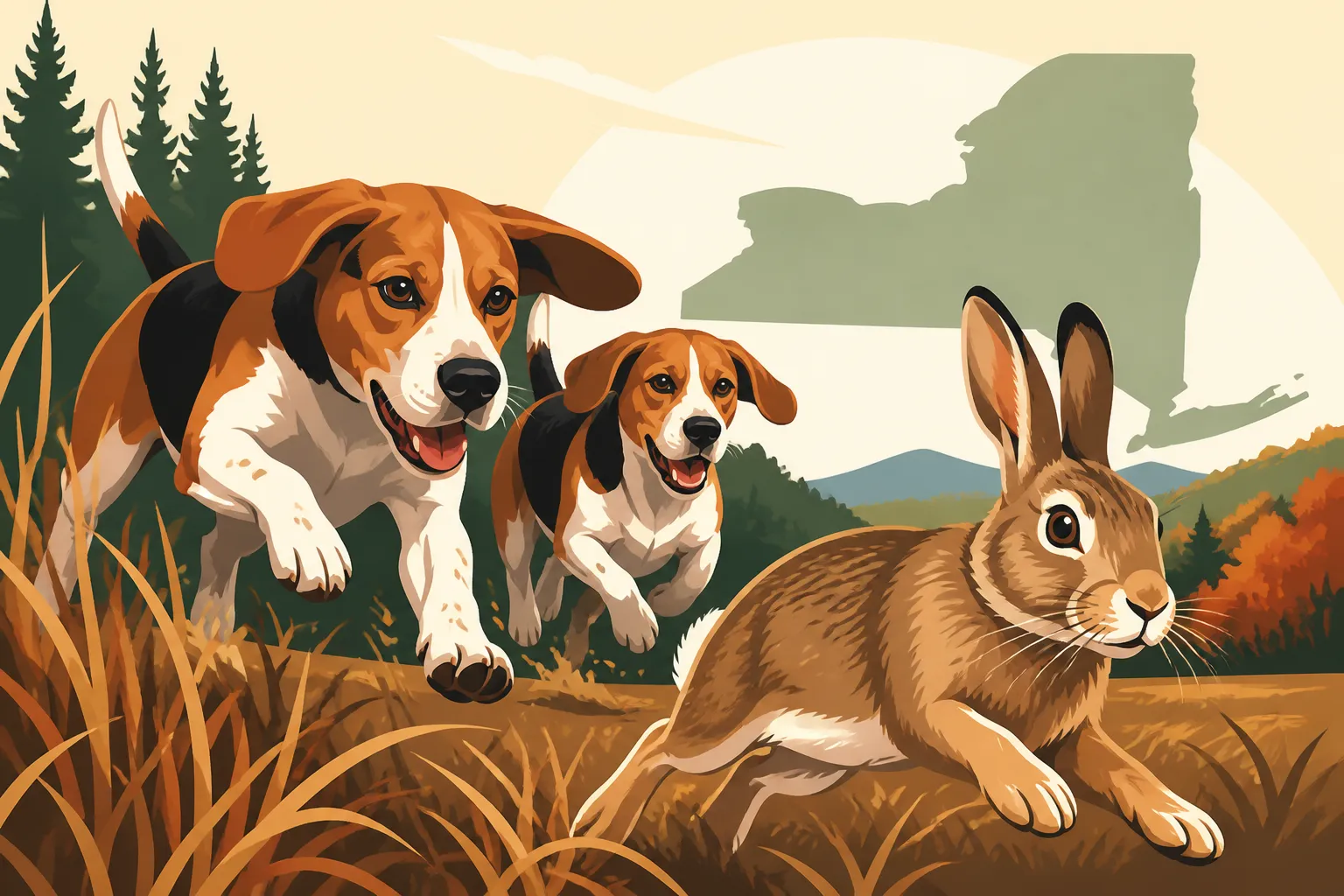
The sound of a beagle's baying, echoing through a frosty New York briar patch, is a sound that stirs the soul of any small game hunter. Without these incredible hounds, trying to root out a wily cottontail from its impenetrable cover can feel like searching for a needle in a haystack. This guide dives deep into the art and joy of running beagles on New York cottontails, transforming frustrating solo hunts into exhilarating, pack-driven adventures.
The Undeniable Advantage of Beagles for New York Cottontails
Chasing cottontails in New York without a good pack of beagles is akin to trying to find a dropped needle in a shaggy carpet in the dark – frustrating, often fruitless, and exhausting. Rabbits are masters of concealment, and their survival instinct tells them to hold tight in the densest thickets, often letting you walk right by. This is precisely where the beagle shines, turning an otherwise difficult hunt into an experience filled with action and that unmistakable sound of the chase.
Understanding Cottontail Behavior and Habitat
New York's cottontails are incredibly adaptable creatures, thriving in a variety of disturbed habitats where escape cover is abundant. They don't migrate; they simply hunker down, relying on camouflage and thick vegetation to evade predators. You'll find them holding tight in briar patches, under fallen trees, within brush piles, along overgrown fencerows, and in heavy regenerating timber. Old, abandoned farm fields that are slowly reverting to forest, with their mix of tall grasses, shrubs, and saplings, are particularly productive. These areas provide both food and the dense, thorny cover rabbits crave.
What makes their behavior so perfectly suited for beagles is their escape strategy. When flushed, a cottontail typically doesn't run far in a straight line. Instead, it prefers to make short, explosive bursts, often circling back to its original hiding place or another nearby thicket. This circling behavior, often within a relatively small area, is the very foundation of beagle hunting. A rabbit knows its home turf, and it uses every nook and cranny, every briar patch and hollow log, to its advantage. Understanding this natural tendency is key to positioning yourself for a shot when the rabbit completes its loop. If you're looking to delve deeper into where these amazing critters live, consider exploring guides on Cottontail and Snowshoe Hare Range in New York to fine-tune your scouting efforts.
How a Beagle's Nose Changes the Game
A beagle's nose is nothing short of a marvel. Their exceptional scenting ability, particularly for cold trails, allows them to pick up the subtle odor left by a cottontail that might have passed through hours earlier. This isn't just about finding a fresh track; it's about unraveling the intricate tapestry of a rabbit's movements through dense cover, even when the air is still and cold. When a beagle strikes a trail, that initial excited yelp quickly builds into a full-throated, melodious baying as the dog works the scent. This isn't just noise; it's the "music" of the chase, a communication system that tells you exactly where the rabbit is, how fast it's moving, and in what direction.
The beauty of hunting with beagles is that it flips the script from traditional still-hunting. Instead of you silently stalking and hoping to jump a rabbit, the dogs do the hard work of flushing and pushing the game. Your role shifts from hunter to strategic observer, listening to the pack's vocalizations and predicting the rabbit's next move. This often means less walking and more calculated waiting, positioning yourself along known escape routes or where the rabbit is likely to circle back. The pure joy of listening to a pack of beagles in full cry, knowing they are relentlessly pursuing their quarry, is an experience that resonates deeply with small game hunters. The truth is, hunting Rabbit and Hare Hunting in New York becomes infinitely more productive and enjoyable when you introduce a dedicated pack of hounds to the equation.
Training Your Beagle for New York Brush and Briars
Bringing a beagle into your hunting life is a journey, not a destination. These dogs are born with an incredible instinct to trail, but honing that instinct for the specific challenges of New York's diverse cover, from impenetrable briar patches to thick regenerating hardwoods, takes patience, consistency, and understanding. It's about building a partnership where you both understand the game.
Early Exposure and Socialization
The foundation of a good rabbit dog starts young. As soon as your beagle pup has its vaccinations, begin exposing it to the sights, sounds, and smells of the woods. Take short walks in areas where you suspect rabbits might be, letting them sniff around in thickets and brush piles. The goal isn't necessarily to find a rabbit immediately, but to familiarize them with the environment. Crucially, socialize your pup with other experienced beagles if possible. Beagles are pack animals, and many of their hunting instincts, from working a cold trail to driving a rabbit, are enhanced by learning from older, wiser dogs. They'll pick up on the subtleties of the chase and the importance of working together.
It's vital to remember that training isn't a race. Some beagles are "natural born killers" and take to hunting immediately, while others need more time and encouragement. Patience is your best friend. Celebrate small victories, like a keen interest in a fresh track, and don't get discouraged by setbacks. The bond you build during these early stages will pay dividends in the field, creating a confident and enthusiastic hunting partner. For more general insights into small game, consider familiarizing yourself with New York Small Game and Furbearers.
Developing the Chase Instinct
While beagles possess an innate prey drive, channeling it specifically towards cottontails and teaching them to stick to a rabbit's trail is the next step. Many trainers start with penned rabbits in controlled environments. This allows the pup to experience the excitement of a chase and the reward of scent work without the overwhelming distractions of the wild. Once they're confidently chasing and vocalizing on a penned rabbit, you can graduate to areas with wild rabbits. Focus on places with good rabbit numbers and relatively open cover initially, gradually moving into thicker, more challenging terrain.
Positive reinforcement is key. When your dog starts working a trail, encourage them with enthusiastic praise. Keep training sessions fun and relatively short, especially for young dogs, to prevent burnout. Beagles are incredibly persistent, and once they get a taste of chasing a rabbit, that instinct will only grow stronger. It's also important to understand that beagles are independent hunters when on a trail; they trust their nose above all else. Your job is to guide that independence, not suppress it.
Dealing with Distractions (Deer, Squirrels, etc.)
One of the most common frustrations for beagle owners in New York is when their dogs get off a rabbit track and onto a deer trail. Deer are abundant in most rabbit habitats, and their strong scent can easily divert an inexperienced or poorly trained beagle. This is where consistent training and sometimes, the responsible use of tools like an e-collar, come into play. An e-collar, used correctly, can be an effective way to deliver a mild correction when a dog deviates from its intended quarry. However, it's crucial to learn proper e-collar techniques to ensure it's used humanely and effectively, reinforcing positive behavior rather than instilling fear. For specific rules and best practices, reviewing resources like E-Collar Use on Public Ground is highly recommended.
Beyond e-collars, a strong "come" command is paramount. Practice it frequently in non-hunting scenarios and always reward compliance generously. In the field, if a dog gets on a deer, call them back immediately. If they ignore you, a quick, low-level e-collar correction can often bring them back to reality. Patience is vital here; breaking a dog of deer chasing can take time and consistent effort. However, the reward of a pack that sticks to rabbits is well worth the investment.
Essential Gear and Tactics for a Successful Hunt
Hunting New York cottontails with beagles isn't just about the dogs; it's about having the right gear and understanding how to work with your canine partners to maximize success and safety. The unique dynamic of a dog hunt requires specific considerations for firearms, electronics, and even your own apparel.
Shotgun and Ammunition Choices
When you're busting thick brush with dogs, shots at cottontails are almost always close-range and fast-paced. You'll want a shotgun that swings quickly and throws a wide pattern. For this reason, open chokes are your best friend. An Improved Cylinder (IC) or even a Skeet choke is ideal, allowing your pattern to open up quickly at the short distances typically encountered. Both 12-gauge and 20-gauge shotguns are popular choices among rabbit hunters. A 20-gauge often feels lighter and quicker to shoulder in dense cover, making it a favorite for many, especially when walking miles through briars. However, a 12-gauge with lighter loads is equally effective.
As for ammunition, shot sizes 7.5 or 6 are perfect for cottontails. They carry enough pellets to ensure a clean kill without over-damaging the meat. You don't need heavy, magnum loads; standard field loads will do the trick. Safety is paramount when hunting with dogs and other hunters. Always know where your dogs and hunting partners are, maintain a safe shooting lane, and only take clear, ethical shots. Always practice proper gun handling, and remember to check the New York Small Game and Upland Bird Seasons regulations for specific dates and any special requirements.
| Shotgun Gauge | Recommended Choke | Shot Size | Advantages | Disadvantages |
|---|---|---|---|---|
| 12 Gauge | Improved Cylinder, Skeet | 7.5, 6 | Ample pattern density, versatile | Heavier, more recoil |
| 20 Gauge | Improved Cylinder, Skeet | 7.5, 6 | Lighter, quicker handling | Slightly less pattern density |
Tracking Collars and Safety Gear
In New York's thick cover, it's incredibly easy to lose track of a dog that's hot on a rabbit trail. That's why GPS tracking collars are not just a luxury but an absolute necessity for beagle hunting. Brands like Garmin offer excellent systems, such as the Alpha or Astro series, that allow you to pinpoint your dog's exact location on a handheld device. Some GPS collars even integrate with mapping apps like GoHunt, allowing you to see your dog's movements directly on a detailed topographic or satellite map of the area. This technology is a game-changer for safety and efficiency, helping you keep tabs on your pack and retrieve a lost dog without hours of frantic searching.
Beyond tracking, safety for both yourself and your dogs is paramount. Blaze orange is a must for hunters, and providing your beagles with blaze orange vests greatly increases their visibility to other hunters and yourself, especially when they're darting through heavy brush. Carry a basic first aid kit specifically for your dogs, including items for cuts, thorns, and any other minor injuries they might sustain in the briars. Always bring plenty of water for your dogs, especially on longer hunts or warmer days, as they expend a tremendous amount of energy. Items such as Upland Vests With Water Capacity can be incredibly useful for carrying water and other essentials.
Reading the Dog and the Rabbit
The true art of beagle hunting lies in learning to "read" your dogs and anticipate the rabbit's moves. Each beagle has its own voice and style, but generally, their baying will tell a story. A fast, steady chop often indicates a hot, fresh trail and a rabbit on the move. A more broken, hesitant baying, often called "checking," means they've temporarily lost the scent and are working to reacquire it. Pay attention to changes in the intensity and direction of the sound. If the baying starts to circle back, it's a strong indicator that the rabbit is making its typical loop, giving you time to position yourself for a shot.
Your role as the hunter is to be the conductor of this canine orchestra. Station yourself strategically, often on a slight rise or at a natural pinch point, where you have a clear view and a safe shot lane. The goal is to let the dogs push the rabbit to you. Don't rush in after the dogs; let them do their work. The thrill of waiting, listening to the increasing intensity of the baying as the rabbit draws closer, is what makes this sport so captivating. When the rabbit finally breaks cover, often just a fleeting glimpse, make a quick, clean shot, and then commend your dogs for their hard work.
Finding the Right Cover in New York for Beagles
New York State offers a diverse landscape, and knowing where to focus your efforts is key to consistent success when running beagles. Cottontails can be found in many environments, but certain types of cover consistently hold more rabbits and offer better hunting opportunities.
Identifying Prime Cottontail Habitat
When scouting for rabbit sign, think "thick, dense, and tangled." Cottontails love edge habitat where different cover types meet. Look for abandoned farm fields choked with multiflora rose, hawthorn, and sumac. Regenerating clear-cuts or recent timber harvests, where new growth provides both food and security, are also prime locations. Brush piles, whether natural or man-made, are absolute rabbit magnets, offering both overhead cover from raptors and ground-level protection from terrestrial predators. Overgrown fencerows connecting woodlots to fields can be travel corridors and holding areas. In the Southern Tier, for example, many old dairy farms have reverted to brushy hillsides, offering fantastic rabbit hunting.
To efficiently find these areas, tools like GoHunt or New York's HuntFishNY app are invaluable. Using the detailed satellite imagery and property line overlays available on platforms like GoHunt, you can identify promising thickets, brush lines, and regenerating timber from the comfort of your home. Mark potential hotspots on your map and then physically scout them before the season opens. Look for droppings, clipped twigs, and well-used runways through the dense undergrowth. Remember, the thicker and nastier the cover looks to you, the more likely a rabbit is calling it home. For more detailed tips on specific rabbit-rich environments, check out Rabbit Hunting Thick New York Brush.
Public vs. Private Land Opportunities
New York offers both public and private land opportunities for beagle hunters. State Forests and Wildlife Management Areas (WMAs) across the state often contain suitable rabbit habitat, particularly those managed for early successional growth or those with agricultural edges. While these areas can experience hunting pressure, especially on opening day of the small game season, dedicated hunters willing to walk deeper into less accessible thickets can often find unpressured rabbits. The Adirondack and Catskill regions might be known for big timber, but even there, old logging roads and regenerating cuts can hold pockets of cottontails. Don't hesitate to explore areas that might seem like prime deer territory; many small game species coexist. You can learn more about general public land access by reading New York State Forest Hunting.
However, some of the very best rabbit hunting in New York often lies on private land. Farmers and landowners with overgrown fields, old orchards, or unkempt fencerows are often happy to grant permission to respectful hunters, especially those with dogs, as rabbits can be a nuisance to gardens and crops. Knocking on doors, being polite, and offering to share your harvest can open up fantastic opportunities. Often, the small woodlots and brushy areas near suburban sprawl, which might be overlooked by deer hunters, can be teeming with rabbits. These areas are discussed in more detail in guides like Hunting Small Woodlots Near Suburban Sprawl. Always secure permission before stepping onto private property, and respect any specific requests the landowner might have. You can even mark successful areas on your GoHunt map to return to in future seasons!
Remember, no matter where you hunt, the thrill of running beagles on New York cottontails is a truly classic American hunting experience. It's about the dogs, the chase, the camaraderie, and the unmistakable music of the pack working through the briars. GoHunt can be an invaluable tool for finding and navigating these spots.
Disclaimer
Always check the current New York State Department of Environmental Conservation (DEC) hunting regulations before heading afield. Season dates, bag limits, and specific rules regarding dog use on public or private land can change annually. This article provides general information and recommendations, not legal advice.