New York Carcass Transport Restrictions
Harvesting a deer or bear in New York is an incredible accomplishment, but the post-hunt logistics can sometimes feel like navigating a legal minefield. Between adrenaline and excitement, the last thing you want is to accidentally break a rule about transporting your hard-earned game, especially with growing concerns like Chronic Wasting Disease (CWD). This comprehensive guide is here to walk you through New York's carcass transport restrictions, helping you understand the rules, why they exist, and how to stay compliant from the field all the way home.
Understanding the Necessity of Carcass Transport Rules
It’s easy to feel frustrated by what seems like an ever-growing list of regulations, especially when you’re just trying to get your deer or bear home. However, many of these rules, particularly those concerning carcass transport, are born out of a critical need to protect New York's wildlife populations from devastating diseases. The primary driver behind these specific transport restrictions is Chronic Wasting Disease (CWD), a neurological disease that impacts deer, elk, and moose.
The Threat of Chronic Wasting Disease
Chronic Wasting Disease is a serious concern for wildlife managers across North America. It’s a fatal, infectious disease that affects the brain, spinal cord, and other tissues of cervids. Once an animal is infected, there is no cure, and it will eventually die. The disease spreads through direct animal-to-animal contact and indirectly through environmental contamination, as the infectious proteins, called prions, can persist in soil for years. Imagine the heartbreak of seeing a disease like this decimate the healthy deer herds we work so hard to manage here in New York. The goal of these rules is simple: prevent CWD from gaining a foothold and spreading uncontrolled throughout our state.
Preventing Widespread Disease Contamination
When a deer or other cervid is harvested, certain parts of its anatomy carry a higher risk of CWD prions if the animal were infected. This includes the brain, spinal cord, eyes, spleen, tonsils, and lymph nodes. If an infected carcass, or even just these high-risk parts, are moved from an area where CWD is present to an area where it isn't, the disease could easily spread to new, healthy populations. This is why you'll find different rules depending on where you hunt and where you intend to take your harvest. The New York State Department of Environmental Conservation (DEC) is incredibly vigilant about monitoring for CWD and enacting measures to contain any outbreaks.
New York's Proactive Approach to CWD
New York has been extremely proactive in its efforts to keep CWD out of its wild deer and moose populations. Despite outbreaks in neighboring states and even a few captive cervid cases within New York's borders (you can learn more about how CWD Reached a Captive New York Herd), the wild herd remains free of detected CWD. This is a monumental achievement, and it's largely due to diligent testing, public awareness, and, yes, these carcass transport regulations. These rules are a vital layer of defense, ensuring that hunters, who are often the first line of defense in wildlife conservation, don't inadvertently contribute to the disease's spread. It can feel inconvenient, but it's a small price to pay for a healthy deer herd for generations to come.
General Carcass Transport Rules Within New York
For most hunters operating within New York, the general rules for transporting deer and bear carcasses are fairly straightforward. The biggest distinction comes into play if you've harvested an animal within a designated CWD Containment Area. However, for the vast majority of the state, you have more flexibility, but still some important considerations.
Moving Carcasses From the Field to Home
Generally, if you harvest a deer or bear anywhere outside a CWD Containment Area within New York, you can transport the whole carcass to your home, a butcher, or a taxidermist anywhere else within New state lines. This means if you shoot a buck in the Southern Tier, you can drive it up to your camp in the Adirondacks, or take it to your favorite processor in the Finger Lakes Region. This flexibility is a huge convenience, allowing hunters to process their game where they prefer or where they have the necessary facilities. Just remember to have your tag properly affixed and your harvest reported according to New York Deer Reporting Requirements.
What Constitutes a "Carcass" or "Part"
Understanding what the DEC defines as a "carcass" versus "parts" is crucial, especially when discussing CWD-related restrictions. A whole carcass includes the head and spinal column. When the regulations talk about "parts," they are generally referring to deboned meat, cleaned hide, skull plates (with antlers attached) that are free of brain tissue, and cleaned antlers. If you completely debone your animal in the field, leaving the skeleton, head, and spinal column behind, you are then transporting "parts" rather than a "carcass." This distinction becomes very important when moving game from a CWD-affected zone.
The Role of the Head and Spinal Column
The head and spinal column are particularly high-risk tissues for CWD prions. This is why the regulations often focus on these specific components. For hunters outside the CWD Containment Area, transporting the intact head or spinal column with the rest of the carcass is usually not an issue. However, if you're taking your animal to a processor, be aware that some may have specific protocols for handling these parts, especially if they also process game from other areas. Always communicate with your processor or taxidermist ahead of time to ensure they understand where your animal was harvested and what parts you intend to leave with them.
Specific Rules for the CWD Containment Area
This is where things get a little more complicated, and it's absolutely vital to pay close attention. If you harvest a deer within New York's designated Chronic Wasting Disease Containment Area, special and strict rules apply to the transportation of that carcass. These regulations are designed to prevent any potential spread of CWD prions from a known risk zone to the rest of the state.
Defining the Herkimer County CWD Zone
Currently, New York's only CWD Containment Area is located in parts of Herkimer County. This zone was established after CWD was detected in a captive deer facility within the area. The DEC quickly responded by implementing these stringent regulations to protect the surrounding wild deer populations. It’s important to familiarize yourself with the exact boundaries of The Herkimer County CWD Containment Towns if you plan to hunt anywhere near this region. These towns include portions of Frankfort, German Flatts, Herkimer, Litchfield, Little Falls, Manheim, Salisbury, Schuyler, Stark, and Warren. Always double-check the latest DEC maps, which you can often access through mapping apps or online portals like GoHunt, to ensure you know if your hunting spot falls within this critical zone.
Mandatory Restrictions for CWD-Zone Harvests
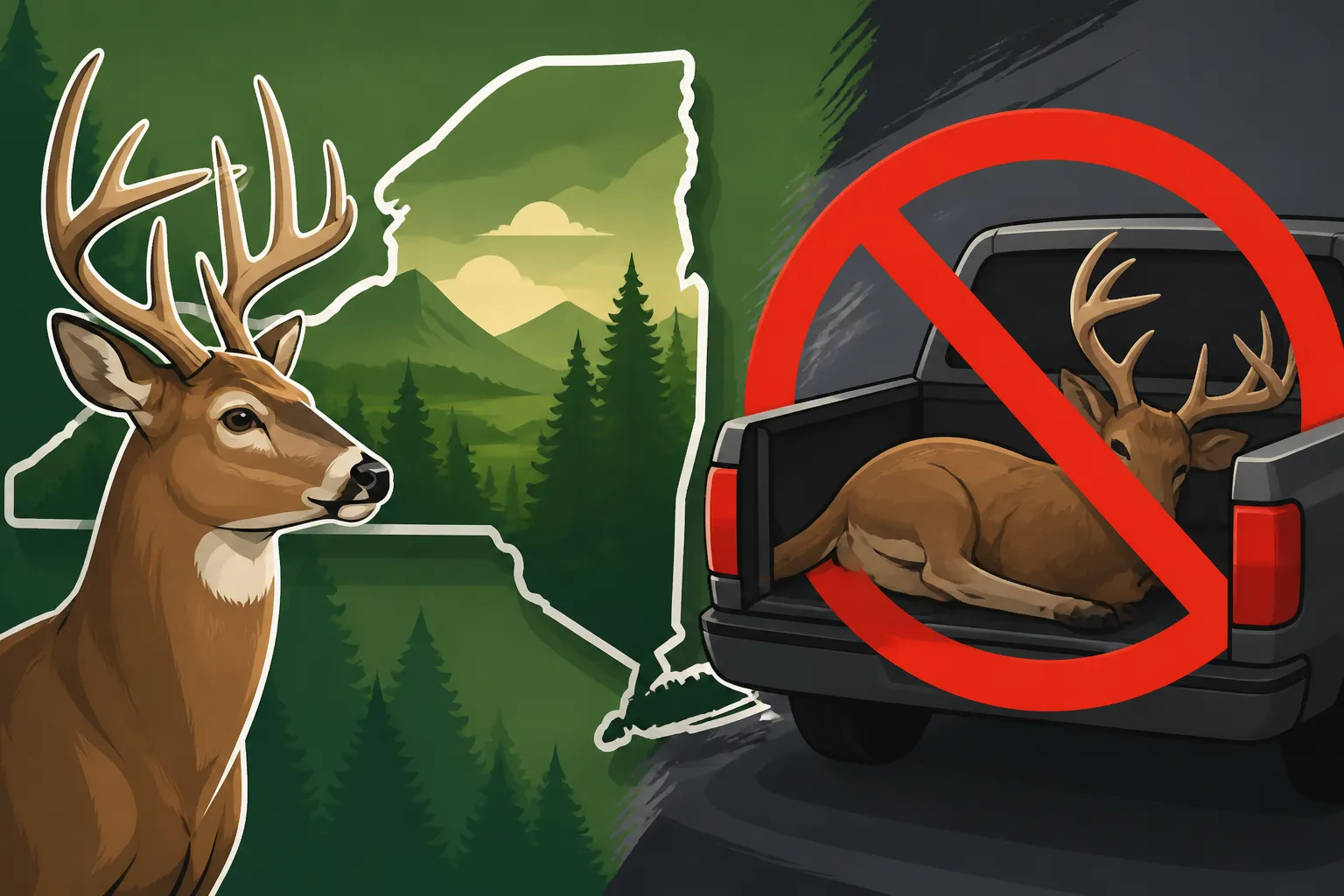
If you're lucky enough to harvest a deer inside this CWD Containment Area, you cannot transport the whole carcass out of the zone. This is a non-negotiable rule. The primary goal is to ensure that no high-risk tissues (brain, spinal cord, etc.) leave the containment area and potentially introduce CWD to healthy deer populations elsewhere. Instead, you must process the animal within the CWD zone or transport only specific, low-risk parts out of it. This means you’ll be doing a significant amount of field processing. You can take out:
- Deboned meat (meat with no bone or nervous tissue attached).
- Cleaned skull plates with antlers, free of brain tissue.
- Cleaned antlers attached to the skull cap.
- Hides with no head attached.
- Taxidermy mounts (if prepared by a licensed taxidermist within the zone).
Any other parts, especially the brain and spinal column, must remain within the CWD Containment Area. This regulation might necessitate a shift in your usual post-harvest routine, requiring more extensive field dressing and butchering before you leave your hunting area. It's a prime example of where advanced planning and knowing how to efficiently Field Dressing a Deer in Cold Weather or warmer temps can make a world of difference.
Disposing of Carcass Waste in the CWD Zone
Another critical aspect of hunting in a CWD Containment Area is proper disposal of carcass waste. All high-risk parts that are not transported out must be disposed of in a landfill approved by the DEC within the containment area itself. You absolutely cannot just discard these parts in the woods outside the CWD zone or at a transfer station not approved for CWD waste. This prevents environmental contamination and the potential spread of prions. The DEC usually provides specific instructions and locations for approved disposal sites within the containment area. It’s a responsibility that every hunter in these areas must take seriously to safeguard our deer herd.
Transporting Parts Versus Whole Carcasses
The distinction between transporting a whole carcass and transporting specific parts is one of the most important concepts to grasp when navigating New York's regulations, especially concerning CWD. Understanding this difference can save you a lot of hassle and ensure you stay within the legal framework.
The Benefits of Field Processing
Field processing, which involves butchering your animal on site, is your best friend when dealing with carcass transport restrictions, particularly if you hunt in or near a CWD Containment Area. By deboning your deer in the field, you effectively convert a "carcass" into "parts" that are generally allowed for transport. This means removing all the meat from the bone, leaving the skeletal structure, head, and spinal column behind at the harvest site. This method significantly reduces the risk of CWD transmission because you're leaving the highest-risk tissues (brain, spinal cord, lymph nodes) where the animal was harvested. While it adds extra time and effort in the field, it’s a crucial step for compliance in certain situations and a good practice in general for meat quality, especially during early archery seasons when temperatures can be higher.
Acceptable Parts for Transport
When you've done your field processing, what exactly can you take with you? The general rule for transport from a CWD Containment Area, and good practice for everywhere else, is to only transport low-risk parts. These typically include:
- Deboned meat: This is the most common form of transport. All the muscle tissue is removed from the bone.
- Cleaned skull plates or antlers: If you want to keep the antlers, the skull plate must be completely cleaned of all brain tissue and any soft tissue. This might involve boiling or pressure washing. For those pursuing record book bucks, ensuring the skull plate is clean but intact for official scoring is key. You can check the guidelines for New York Boone and Crockett Whitetails for specific preparation requirements.
- Cleaned hides: Hides are generally considered low-risk, but they should be free of any meat or nervous tissue.
- Finished taxidermy products: Once a taxidermist has processed and mounted the animal, it's considered safe for transport. However, the initial processing of the high-risk parts must still happen within the permitted zones or by approved methods.
These regulations focus on minimizing the movement of tissues that could harbor CWD prions. It’s a simple, biological precaution.
What Must Be Left Behind or Handled Specially
Conversely, what absolutely cannot be transported out of a CWD Containment Area, or generally handled with extreme care from any harvested animal? Primarily, it's the high-risk tissues:
- The head: Unless it's a cleaned skull plate for antlers, the intact head with brain tissue is restricted.
- The spinal column: This includes the entire backbone.
- The spleen, tonsils, and lymph nodes: These are also considered high-risk organs that should be left behind or disposed of properly within the CWD zone.
For hunters outside a CWD zone, these restrictions don't apply to movement within New York. However, if you plan on taking your game across state lines, these same rules regarding high-risk tissues almost universally come into play. Always be prepared to debone your animal if you're unsure about the local or interstate regulations.
Here's a quick summary of what can and cannot be transported from a CWD Containment Area:
| Part of Carcass | Transportable Out of CWD Zone | Notes |
|---|---|---|
| Deboned Meat | Yes | Must be entirely free of bone and nervous tissue. |
| Whole Carcass | No | Cannot move intact head, spine, or high-risk organs out of zone. |
| Antlers/Skull Plate | Yes | Skull plate must be completely free of brain and soft tissue. |
| Hides | Yes | Must be free of meat or nervous tissue. |
| Finished Taxidermy | Yes | Processed by licensed taxidermist within approved methods. |
| Organs | No | Spleen, tonsils, lymph nodes, and brain tissue are high risk. |
Navigating Out-of-State Transport Regulations
For hunters who travel, whether bringing game into New York or taking their harvest out of state, the carcass transport rules add another layer of complexity. It's not just about New York's rules anymore, but also the regulations of other states involved. This is where research and preparation become paramount to avoid legal issues.
Bringing Game Into New York
If you're a New Yorker who hunts out of state, or a nonresident hunter bringing game back into New York, you need to be acutely aware of New York's import regulations. Generally, New York prohibits the importation of whole carcasses or high-risk parts (brain, spinal column, spleen, etc.) of any cervid (deer, elk, moose) harvested outside of New York State. This rule is a direct measure to prevent CWD from entering New York from other states where the disease is more prevalent.
What can you bring in? Much like the CWD Containment Area rules for taking game out, you can typically import:
- Deboned meat.
- Cleaned skull plates with antlers (completely free of brain and soft tissue).
- Cleaned antlers.
- Cleaned hides.
- Finished taxidermy mounts.
This means if you're planning a hunting trip to a state known to have CWD, like Pennsylvania or Wisconsin, you must be prepared to field process your animal thoroughly before returning to New York. Failure to do so could result in fines and the confiscation of your hard-earned game. It's a real bummer, but it's for the greater good of New York's wildlife.
Taking New York Game Out of State
Conversely, if you're a nonresident hunter who's had success in New York (maybe you bagged a big buck while Hunting the Rut in the Southern Zone or during New York's Southern Zone Firearm Season), or a resident hunter planning to process your game in another state, you also need to check the rules. While New York allows you to take whole carcasses out of non-CWD zones to other states, those destination states will almost certainly have their own import restrictions, many mirroring New York's CWD-prevention rules.
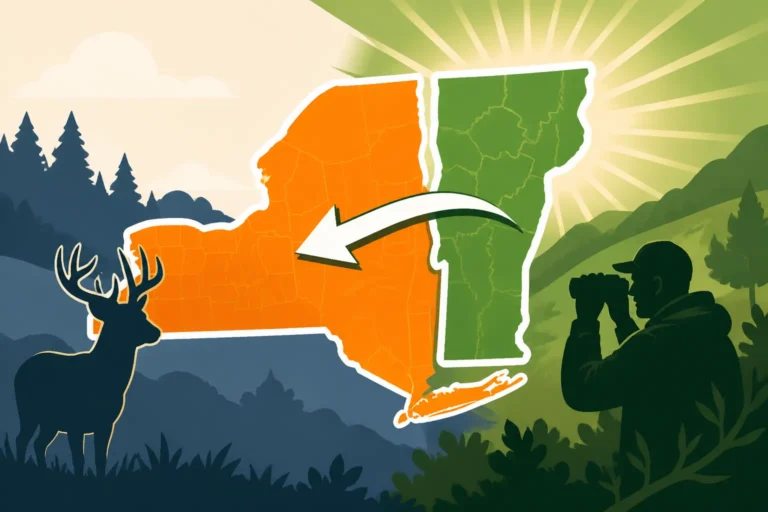
For example, if you harvest a deer in an area of New York free of CWD, and you want to take it to Vermont, you'll need to know Vermont's rules for importing cervid carcasses. Most states will require you to bring in only deboned meat, cleaned skull plates/antlers, or cleaned hides. It's a good habit to call the wildlife agency of your destination state before you hunt to understand their specific import requirements. A quick phone call can save you a lot of trouble at the state line.
Navigating Interstate Regulations and the Lacey Act
The patchwork of state regulations can be incredibly confusing, but ignorance is no excuse in the eyes of the law. Beyond state laws, the federal Lacey Act prohibits the transport of illegally harvested or possessed wildlife across state lines. This means if you violate a New York carcass transport rule and then cross into another state, you could be facing both state and federal charges.
The key takeaway for any hunter crossing state lines with game is this: always assume you must debone your animal and only transport low-risk parts. This is the safest and most compliant approach when dealing with multiple jurisdictions. Use online resources, contact state wildlife agencies, and consult hunting apps like GoHunt, which often have state-specific regulation overlays, to ensure you're fully informed before you hit the road. It’s always better to be overly prepared than to face legal repercussions and potentially contribute to disease spread.
Practical Tips for Adhering to Regulations
Understanding the rules is one thing, but practically implementing them in the field is another. Hunters face real challenges, from unexpected harvests far from the truck to warm weather conditions that demand quick action. Having a plan and the right gear can make all the difference in complying with New York’s carcass transport restrictions.
Efficient Field Dressing and Quartering Techniques
The ability to efficiently field dress and quarter an animal is your most valuable skill when navigating transport regulations. If you find yourself hunting in a CWD Containment Area, or if you plan to transport your harvest across state lines, you will need to process the animal beyond just gutting it. Learning the "gutless method" for quartering can be a game-changer. This technique allows you to remove all the meat, leaving the bones, head, and entrails largely intact at the harvest site, without even having to roll the animal over.
Practice these skills before season opens. Watch videos, read guides, and even practice on a domestic animal if you have the opportunity. Knowing how to quickly and cleanly debone a deer under various conditions (cold, dark, uneven terrain) will save you immense stress and ensure you comply with the law. Having the right tools, like a sharp, sturdy knife, a bone saw if you need to split the pelvis or sternum, and game bags, is essential for this process. For more detailed instructions, consider reading up on how to best prepare your harvest when Butchering a Deer at Camp.
Utilizing Game Bags and Coolers Effectively
Once you've field processed your game into transportable parts, proper storage becomes crucial, especially for meat quality. High-quality, breathable game bags are invaluable. They protect the meat from dirt, insects, and drying out, while still allowing it to cool. This is particularly important during the warmer periods of Bowhunting New York's Long Archery Season. After bagging your deboned meat, place it in large coolers with plenty of ice. Layer the meat and ice to maximize cooling, ensuring the ice is not directly touching the meat without a barrier, especially if using a wet ice method, to prevent waterlogging.
For those planning a multi-day backcountry hunt, or even just a long drive home, consider using high-performance coolers that can maintain cold temperatures for extended periods. Brands like Yeti, RTIC, or Engel are popular choices among serious hunters for good reason. Always prioritize rapid cooling of your meat to prevent spoilage, regardless of the transport regulations. You want to ensure that delicious venison makes it to your freezer in prime condition.
Staying Informed with the DEC and Digital Tools
The New York State Department of Environmental Conservation (DEC) website is your absolute go-to resource for the most up-to-date regulations. Regulations can change, especially concerning CWD containment areas, so make it a habit to check the DEC’s official site before each season and even during the season if you hear about potential changes. Don't rely solely on outdated print materials or hearsay from hunting buddies.
Beyond the DEC's website, modern technology offers fantastic tools to keep you informed. Smartphone apps like GoHunt or the official New York HuntFishNY app often include digital maps with WMA boundaries, public land designations, and sometimes even overlays for CWD containment areas. These apps can be a lifesaver for navigating specific geographical restrictions, helping you identify if your chosen hunting parcel falls within a regulated zone. Being proactive in your research and using these resources will help ensure you're always on the right side of New York's carcass transport rules.
Disclaimer
The information provided in this guide is intended for general informational purposes only and does not constitute legal advice. Hunting regulations can be complex and are subject to change. Always consult the most current New York State Department of Environmental Conservation (DEC) hunting regulations guide or contact the DEC directly for definitive legal requirements and updates before engaging in any hunting activities or carcass transport. Your adherence to all applicable laws and regulations is your sole responsibility.