New York Western Zone Duck Dates
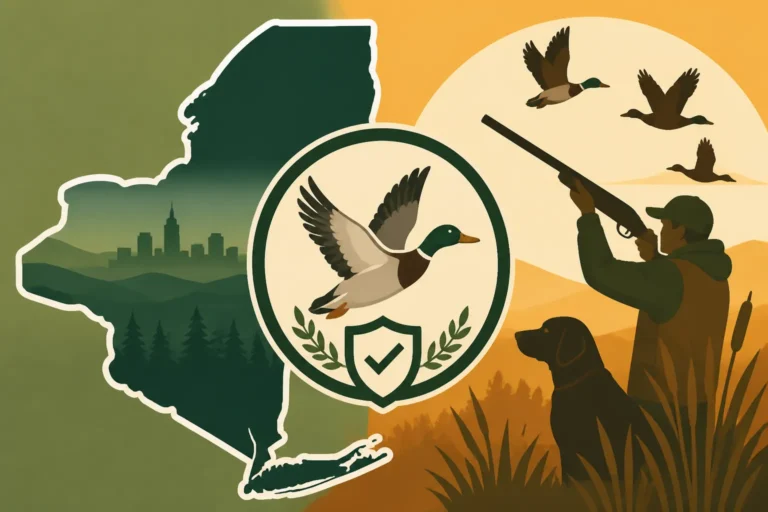
If you're like most waterfowl hunters in New York, the second the calendar flips to summer, your mind starts drifting to crisp autumn mornings, the sound of wings overhead, and the constant question: "When do the duck seasons actually open?" Pinpointing the exact dates for duck hunting in New York, especially within specific zones like the Western Zone, can feel like trying to hit a fast-moving teal with a slingshot—confusing and often frustrating. But don't worry, we're going to break down everything you need to know about the New York Western Zone duck dates, helping you prepare for a successful season on the water.
Understanding New York's Waterfowl Zones and Why They Matter
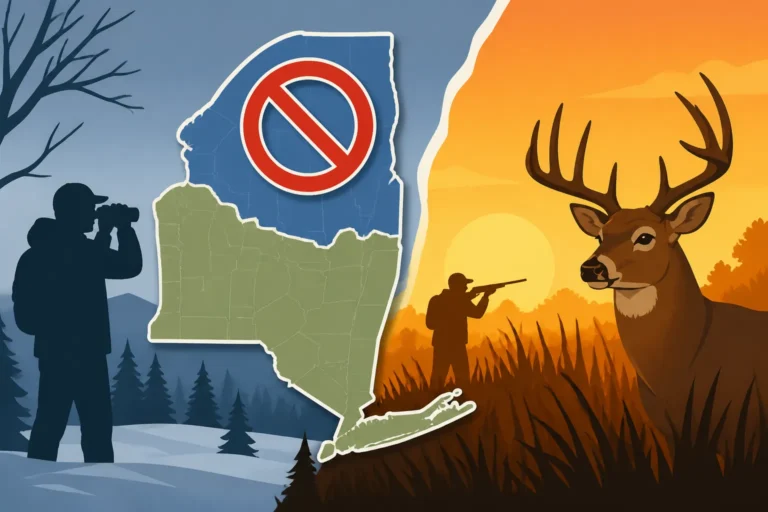
New York State is a big place, and the sheer diversity of its geography means that migratory birds don't arrive or depart on the same schedule across the entire state. To account for these ecological differences and manage waterfowl populations effectively, the New York State Department of Environmental Conservation (DEC) divides the state into specific waterfowl hunting zones. These zones are crucial because they dictate everything from season dates to bag limits, allowing for tailored regulations that reflect local bird populations and migration patterns.
The existence of these zones ensures that hunters in the Lake Champlain region aren't held to the same season dates as those down in the Long Island bays, simply because the birds arrive and depart at different times, and face different pressures. This thoughtful approach aims to maximize hunting opportunities while ensuring sustainability for future generations of waterfowl. It’s a complex dance between federal guidelines and state-specific needs, and understanding your zone is the very first step in planning your hunts.
The Western Zone Boundary
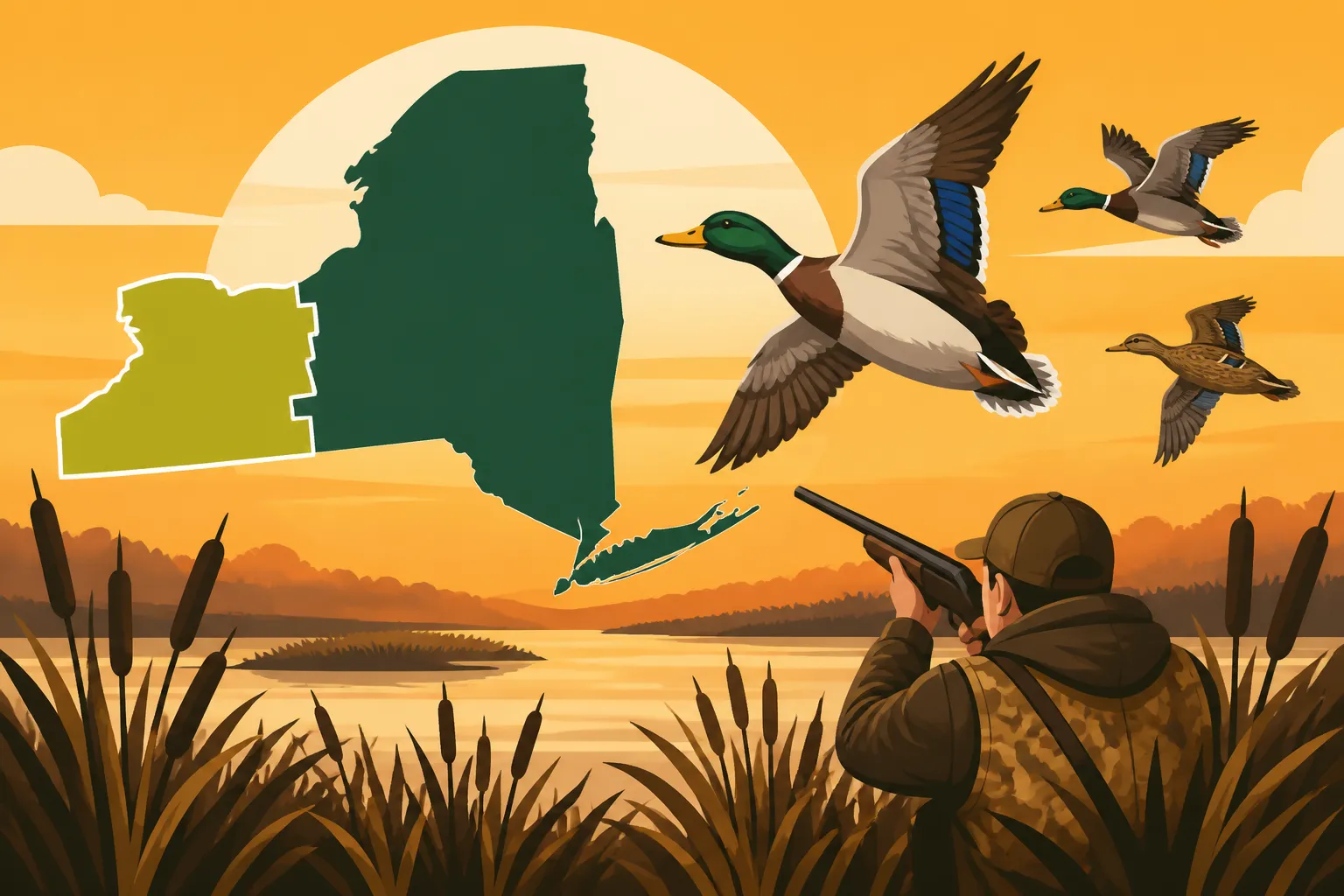
The Western Zone is a significant portion of New York, covering much of the state west of the Adirondacks and Catskills, and stretching all the way to Lake Erie and Lake Ontario. To get specific, the Western Zone generally encompasses all of New York State west of a line extending from Lake Ontario through Oswego, Syracuse, and then generally following a series of roads and geographic features south to the Pennsylvania border.
For hunters, it’s vital to consult the official DEC waterfowl hunting guide each year for the precise boundary description. These lines, often defined by specific highways like Interstate 81 or specific county lines, are not just arbitrary; they represent distinct ecological regions that experience different waterfowl migration dynamics. If you're hunting near a zone boundary, it's absolutely critical to know which side of the line you're on to avoid a costly misunderstanding of the law. You wouldn't want to accidentally find yourself in the "Central Zone" or "Long Island Zone" if your license and mental calendar are set for the Western!
Why Zones Matter for Hunters
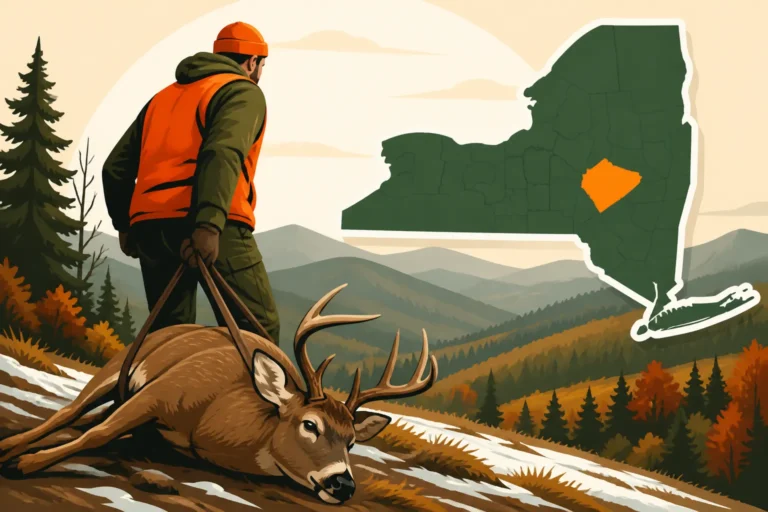
The primary reason these zones are so important for hunters is that they determine when you can legally hunt migratory waterfowl. Unlike deer or bear seasons, which might have more uniform statewide openers, duck season dates are meticulously set for each zone. This means that if you usually hunt in, say, the Finger Lakes region, you'll be operating under the Western Zone dates, which could be vastly different from a buddy who hunts up near Plattsburgh in the Lake Champlain Zone or another friend out on Long Island.
Beyond just the opening and closing dates, zones can also influence bag limits for certain species, although many federal bag limits are more widespread. Still, local conditions, population surveys, and federal frameworks all combine to create specific regulations for each zone. This localized management helps ensure that hunters are targeting birds during peak migration windows while also protecting vulnerable populations. It's an intricate system designed to keep hunting both productive and sustainable, and as hunters, our responsibility is to understand and abide by it.
Western Zone Duck Season Dates: A Detailed Breakdown
Now for the information you've been waiting for: the actual duck season dates for the Western Zone. It's important to remember that these dates are established annually by the DEC, adhering to a framework set by the U.S. Fish and Wildlife Service. While the exact calendar days can shift slightly year to year, the general structure of the season, often including split seasons, remains fairly consistent. Always, and I mean always, check the current year's official New York State migratory bird hunting regulations guide before heading afield. A great resource for this is the DEC website, or even apps like GoHunt that integrate official regulation updates.
Historically, the Western Zone duck season often includes a split, meaning there's an initial early period, followed by a closure, and then a reopening for a longer, later period. This split is often designed to coincide with different waves of migrating ducks, maximizing opportunities for hunters as various species move through the region.
Regular Duck Season Windows
Let's look at a typical season structure for the Western Zone. You'll often find the regular duck season is broken into two distinct segments. The first split usually opens in late October, running for a week or two into early November. This early period often targets local birds and the first pushes of migrants, like wood ducks, green-winged teal, and some early mallards. Hunters are often surprised by the number of resident birds still around before the deep cold sets in.
After a brief closure, usually for about a week to ten days, the season reopens in mid-November and continues uninterrupted through late December or even into early January. This second, longer segment is generally considered the prime time for Western Zone duck hunting. This is when the main migration is in full swing, bringing in diverse species like canvasbacks, redheads, scaup (bluebills), goldeneyes, and buffleheads, especially on the larger bodies of water like Lake Ontario, Lake Erie, and the Finger Lakes. Conditions can be rough during this late season, with freezing temperatures and strong winds, but the rewards can be incredible. Many hunters focus on Hunting Western Zone Diver Ducks during this cold-weather window.
Remember that for species like sea ducks, which aren't typically found inland in the Western Zone but are mentioned in broader waterfowl regulations, separate dates and zones apply. Your focus in the Western Zone will primarily be on puddle ducks and diving ducks.
Special Early Seasons
Beyond the regular duck season, the Western Zone often offers special early hunting opportunities that are incredibly popular. One such opportunity is the Early Canada Goose Season, which precedes the regular duck season, usually in September. While not strictly "duck" season, it's a major migratory bird hunt that often coincides with hunters gearing up for ducks. This early season targets resident goose populations that can often become overabundant and provides a fantastic opportunity to get out in the fields or on smaller waters before the main migrations begin. You'll want to review the specific New York Canada Goose Bag Limit each year, as they can vary.
Another highly anticipated special season is the Youth Waterfowl Hunt. This weekend, typically held in late September or early October, offers younger hunters (usually 12-15 years old) the chance to hunt ducks and geese with a mentor before the regular season opens. It’s a fantastic way to introduce new hunters to the sport in a less pressured environment. Always check the specific rules regarding age, licensing, and mentor requirements for these special youth hunts. These early seasons are often a great way to scout new areas and get your gear ready, especially for those looking for Waterfowl Gear for New York Marsh and Lake.
Factors Influencing Season Dates and Hunter Preparedness
The process of setting migratory bird season dates is far more complex than simply picking days on a calendar. It's a scientific and regulatory endeavor that involves federal agencies, state wildlife managers, and extensive data analysis. Understanding these factors can help hunters appreciate why dates might shift and how to best prepare for the upcoming season.
For instance, understanding the broader framework of New York Waterfowl Zones and Seasons provides context for why your Western Zone dates are set as they are. The goals are always to ensure sustainable harvest, align with peak migration, and provide equitable hunting opportunities while adhering to strict conservation principles.
Federal Framework and State Adaptations
At the highest level, the U.S. Fish and Wildlife Service (USFWS) establishes a federal framework for migratory bird hunting each year. This framework includes broad guidelines on maximum season lengths, earliest and latest possible opening/closing dates, and overall bag limits, based on extensive surveys and population assessments across the entire flyway. New York, situated within the Atlantic Flyway, receives these federal guidelines.
From there, the New York State DEC takes this federal framework and adapts it to state-specific conditions and hunter preferences within each zone. This is where local population data, habitat conditions, and hunter input come into play. For example, if local surveys indicate a strong resident duck population, the DEC might opt for an earlier opening within the federal window. Conversely, if a particular species is struggling, seasons or bag limits might be adjusted. This collaborative process ensures that regulations are both biologically sound and responsive to local dynamics.
Staying Current: Official Resources
Given that season dates, bag limits, and even zone boundaries can experience minor adjustments from year to year, the absolute most critical advice for any Western Zone duck hunter is to consult official sources annually. The New York State DEC publishes a comprehensive migratory bird hunting guide every year, usually available online and at license vendors well before the season opens. This guide is your bible for all legal regulations, including all New York Waterfowl Hunting by Zone specifics.
Relying on information from previous years or unofficial sources can lead to severe penalties. Bookmark the DEC's hunting regulations page on your computer or phone. Many hunters also find value in digital tools. For example, a reliable app like GoHunt often integrates these official regulations into its platform, making it easy to check dates and rules right from your smartphone, even when you're out in the field. Subscribing to DEC email updates is another smart move to receive direct notifications about season changes or critical announcements.
Key Considerations for Western Zone Duck Hunters
Beyond just knowing the season dates, successful and responsible duck hunting in the Western Zone involves understanding a range of other regulations and environmental factors. From mandatory certifications to how local conditions impact bird movement, being well-informed makes all the difference.
It's not just about when you can hunt, but also how and what else you need. For example, did you know about the New York Federal Duck Stamp Requirement or the New York HIP Certification for Bird Hunters? These are critical components of legal waterfowl hunting that hunters often overlook in their excitement.
Species-Specific Regulations and Licenses
While the overall duck season dates define the primary hunting windows, it’s crucial to remember that bag limits are often species-specific. For example, you might have a generous mallard limit, but a much more restrictive limit on black ducks or pintails. Some species, like canvasbacks or redheads, might have very low daily bag limits due to population concerns, or even be completely closed in certain years if populations are particularly low. Always review the species breakdown in the annual regulations.
Furthermore, there are several mandatory requirements beyond your basic New York hunting license. All migratory bird hunters aged 16 and older must purchase a Federal Migratory Bird Hunting and Conservation Stamp (the "Duck Stamp"). Additionally, New York requires all migratory bird hunters to register with the Migratory Bird Harvest Information Program (HIP). This HIP certification helps federal agencies gather vital data on hunter participation and harvest, which directly influences future season settings. Make sure these are taken care of before you even think about setting out your Setting Decoys on a Frozen Pothole.
Habitat and Migration Trends
The timing of duck migrations through the Western Zone is heavily influenced by weather patterns and habitat availability, both locally and further north. A warm fall might delay the arrival of large numbers of northern ducks, pushing the peak of the migration later into the season. Conversely, an early cold snap and heavy snow in Canada can push birds south quickly, resulting in an excellent early season. Monitoring these Duck Migration Timing Through New York patterns can give you a significant advantage.
Local habitat conditions also play a huge role. Droughts can reduce available wetlands and feeding areas, concentrating birds or pushing them to larger, more permanent bodies of water. Abundant rainfall can spread birds out, making them harder to find. Paying attention to local weather forecasts and reports on water levels in marshes and ponds can help you anticipate bird movements. Platforms like GoHunt often provide community forums or mapping layers that can help you track these subtle but significant changes in real-time, giving you an edge in finding birds. Hunters might also be interested in New York Duck Harvest Numbers to get a sense of historical success rates in the zone.
| Western Zone Duck Season – Typical Structure (Always Verify Current Year) | Dates (Example) | Notes |
|---|---|---|
| Early Canada Goose Season | Sept 1 – Sept 25 | Targets resident goose populations, usually precedes duck season. Check specific bag limits. |
| Youth Waterfowl Hunt | Sept 23-24 | Special weekend for youth hunters (ages 12-15) with mentor. Specific rules apply. |
| Regular Duck Season (Split 1) | Oct 21 – Nov 5 | Early-season birds, puddle ducks. |
| Closed Period | Nov 6 – Nov 10 | Season temporarily closed. |
| Regular Duck Season (Split 2) | Nov 11 – Jan 7 | Main migration, diverse species including divers. |
| Legal Shooting Hours | 1/2 hour before sunrise to sunset | Applies to all migratory bird hunting. |
| Federal Duck Stamp Required | All hunters 16+ | Mandatory for all migratory waterfowl hunting. |
| HIP Registration Required | All migratory bird hunters | Mandatory for all migratory bird hunters in New York. |
| Nontoxic Shot | Mandatory | Required for all waterfowl and coot hunting. |
Note: The dates provided in this table are illustrative of a typical Western Zone season. You MUST consult the official New York State Department of Environmental Conservation (DEC) migratory bird hunting regulations guide for the current year's exact dates and rules. These can change annually based on federal frameworks and state biological surveys.
Ultimately, staying informed is your best strategy for a successful duck season in New York's Western Zone. By understanding the regulations, observing migration and habitat trends, and utilizing reliable resources, you’ll be well-prepared when those crisp autumn mornings finally arrive. Don't forget to stock up on Waterfowl Loads for New York Divers before you head out!
Disclaimer
The information provided in this article is for general guidance and informational purposes only and is not legal advice. Hunting regulations, including season dates, bag limits, and licensing requirements, are subject to change annually by the New York State Department of Environmental Conservation (DEC) and federal agencies. Always consult the most current official DEC hunting regulations guide and federal migratory bird regulations before participating in any hunting activity. Failure to do so could result in penalties.