Resident Goose Problems on Long Island
For those of us living on or near Long Island, the sight of Canada geese has become as common as seagulls at the beach. While majestic, their burgeoning resident populations present a real challenge, impacting our parks, waterways, and even our safety. This guide will walk you through understanding why these geese have become such a nuisance and the various strategies, including hunting, employed to manage their numbers effectively.
Understanding the Rise of Resident Canada Geese on Long Island
It's easy to look at a flock of geese and just see "geese," but there's a crucial distinction to make when it comes to the populations causing so many headaches on Long Island. We're not talking about the transient birds simply passing through on their incredible migratory journeys; we're talking about the ones that set up permanent shop.
The Difference Between Migratory and Resident Geese
When most people think of Canada geese, they envision those V-formations honking high overhead, traversing thousands of miles between northern breeding grounds and southern wintering areas. These are our migratory geese, and while they stop over in New York, their impact on local ecosystems is generally seasonal and balanced. They're wired for travel, for the epic journey.
Resident Canada geese, however, are a different beast entirely. These are birds that, for generations, have foregone the traditional migration route. They breed, raise their young, and spend their entire lives within a relatively small geographic area, often near human habitation. They're less wary, more accustomed to people, and their annual cycle is rooted firmly in local parks, suburban ponds, and golf courses. This behavioral shift is a significant factor in their booming numbers and the problems they create. They've found a life of relative ease, and they're sticking to it.
Why Long Island is a Perfect Habitat for Them
Long Island, with its unique blend of suburban sprawl, manicured green spaces, and abundant waterways, has inadvertently become a five-star resort for resident Canada geese. Think about it: a golf course offers acres of perfectly clipped, nutrient-rich grass for grazing, often bordered by ponds that provide safe roosting and nesting sites. Public parks, corporate campuses, and even residential communities with detention ponds offer similar amenities. These areas are usually free from the natural predators that would keep goose populations in check in more wild settings, like foxes, coyotes, or eagles.
Furthermore, human activity often provides supplemental food, whether intentionally through misguided feeding or unintentionally through spilled birdseed and accessible garbage. The mild winters on Long Island, compared to the harsh conditions further north, mean there's little incentive for these birds to expend the energy on a long, arduous migration. They have everything they need right here: food, water, shelter, and a distinct lack of natural threats. This combination creates an ideal environment for them to thrive, multiply, and become a nuisance to local communities. It's a classic case of unintended consequences, where our desire for green spaces and waterfront living has rolled out the welcome mat for a creature that can quickly overstay its welcome.
The Multifaceted Problems Caused by Overpopulation
The charming sight of a few geese waddling across a park quickly loses its appeal when hundreds of them take over, leaving a trail of destruction and potential hazards in their wake. The problems associated with an unchecked resident goose population are far-reaching, affecting both the environment and public well-being.
Environmental and Aesthetic Impacts
One of the most obvious and immediate issues is the sheer volume of fecal matter these birds produce. A single goose can generate a pound or more of droppings per day. Multiply that by hundreds of birds, and you're looking at a serious mess on lawns, golf courses, athletic fields, and public walking paths. This isn't just an aesthetic problem; goose droppings are rich in nutrients like phosphorus and nitrogen. When heavy rains wash these droppings into our ponds, streams, and bays, they contribute to a process called eutrophication. This nutrient overload can lead to excessive algae growth, depleting oxygen in the water and harming fish and other aquatic life. It impacts the delicate balance of our local ecosystems and can make swimming or fishing in affected waters far less appealing, if not outright unsafe.
Beyond the droppings, geese also cause significant damage to landscaping. They graze heavily, tearing up turf, especially on golf course greens and newly seeded areas. Their constant foraging can destroy carefully maintained gardens and erode shorelines around ponds and lakes as they trample vegetation. What was once a pristine green space can quickly become a muddy, goose-poop-strewn wasteland.
Public Health and Safety Concerns
The public health implications of large goose populations are also a serious consideration. Goose droppings can contain various bacteria, including E. coli and Salmonella, which pose a risk to humans, especially children who might play in affected areas. While direct transmission isn't rampant, the potential for contamination exists, particularly in areas where people come into close contact with contaminated surfaces or water. Local health departments often monitor water quality at beaches and swimming areas, and high goose populations can lead to closures if bacterial levels become elevated.
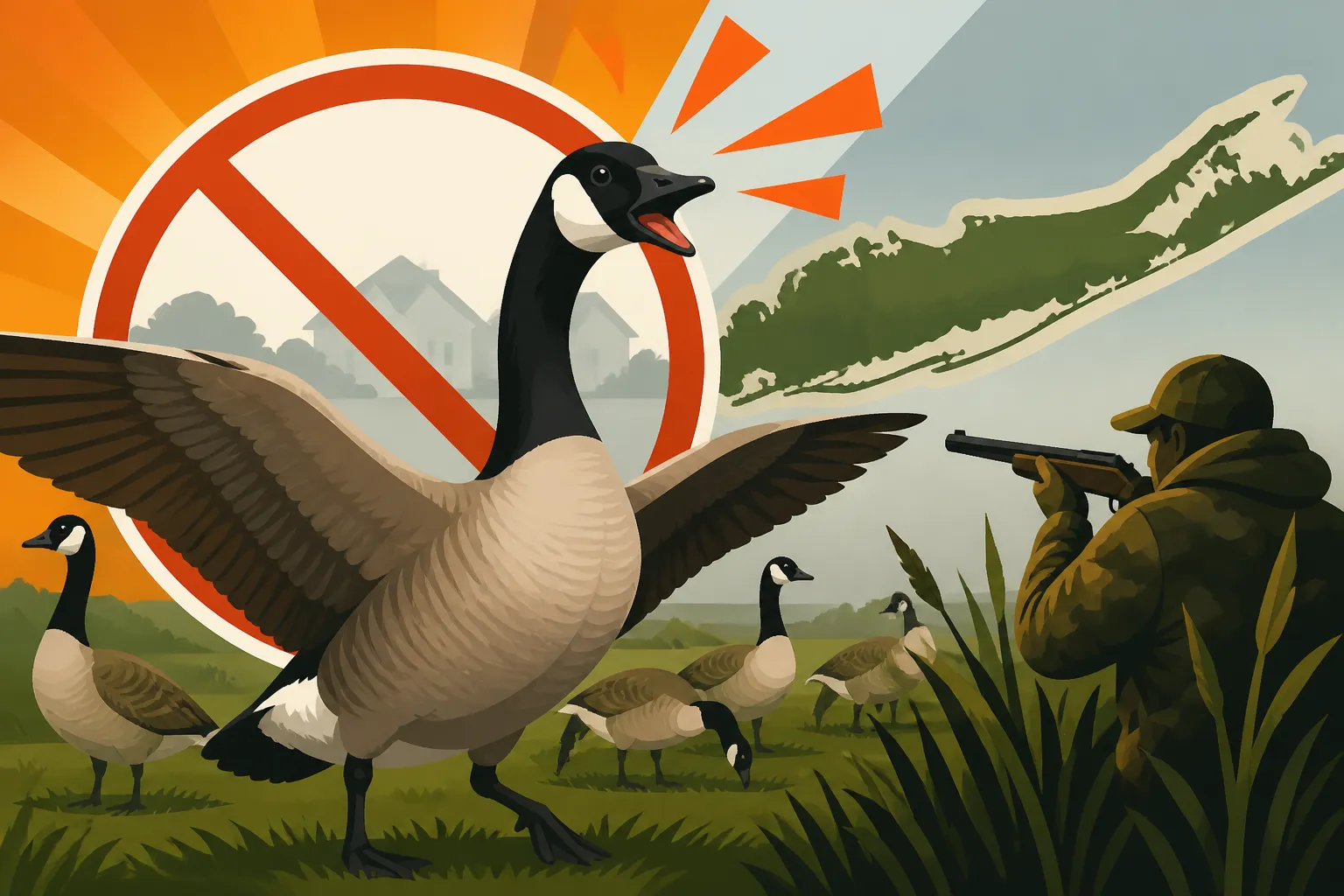
Beyond disease concerns, resident geese, particularly during their nesting and brood-rearing periods, can exhibit aggressive behavior. They are notoriously protective of their nests and goslings, hissing, honking, and even chasing people who venture too close. This can be intimidating and even dangerous, especially for children or the elderly. Imagine trying to enjoy a walk in a park only to be confronted by an angry goose! Furthermore, for areas near airports, large flocks of geese present a serious aviation hazard. Bird strikes, while rare, can cause catastrophic damage to aircraft, and managing goose populations in these specific areas is a critical safety measure.
Management Strategies for Resident Goose Populations
Given the extensive problems resident geese can cause, various strategies have been developed to manage their populations. These approaches range from non-lethal methods aimed at deterrence and reducing reproduction to regulated hunting, which plays a vital role in population control.
Non-Lethal Deterrence and Exclusion Methods
When it comes to managing geese without removing them permanently, prevention and persuasion are key. One common method is hazing, which involves using various techniques to scare geese away from specific areas. This can range from trained border collies, which are incredibly effective at making geese feel unwelcome, to pyrotechnics, noisemakers, or even remote-controlled boats that mimic predators. The goal is to make an area so consistently uncomfortable that the geese decide to move on to greener, quieter pastures.
Another tactic involves habitat modification. Geese prefer short, manicured grass with clear lines of sight to water, allowing them to spot predators easily. By letting grass grow taller along shorelines or planting dense vegetation barriers, you can make an area less appealing to them. This disrupts their preferred foraging and escape routes. Physical barriers like fences, while sometimes costly, can also exclude geese from smaller, high-value areas like gardens or athletic fields.
Perhaps one of the most impactful non-lethal methods for population control is egg addling or oiling. This involves treating goose eggs in their nests to prevent them from hatching, without alerting the adult geese to the intervention. By oiling the eggs with corn oil, oxygen is blocked, and the embryo doesn't develop. The adult geese continue to incubate the infertile eggs, preventing them from simply re-nesting and laying a new clutch. This method requires proper permits and training but can significantly reduce the number of new goslings added to the population each year. Similarly, nest destruction — also requiring permits — ensures that nests don't produce young.
Regulated Hunting as a Management Tool
While non-lethal methods are valuable, they often aren't sufficient on their own to address deeply entrenched overpopulation issues, especially with the sheer numbers of resident geese found across Long Island. This is where regulated hunting becomes a critical and scientifically proven management tool. Hunting targets adult geese, directly reducing the overall population size. This isn't about eradicating geese but about bringing their numbers down to a level that the environment and human communities can sustain without undue burden.
New York's wildlife managers understand the unique challenges presented by resident geese, which often have different migration patterns and behaviors than their migratory cousins. Consequently, specific hunting seasons are often established to primarily target these resident birds, allowing hunters to contribute to local population control without impacting migratory stocks. These seasons are carefully crafted, taking into account breeding cycles and local population data. By participating in these seasons, hunters don't just enjoy a challenging pursuit; they also play a direct role in alleviating the ecological and public health pressures caused by overabundant geese. It’s a way for concerned citizens to actively manage a local wildlife issue.
Navigating Hunting Opportunities and Regulations on Long Island
For those interested in helping manage the resident goose population through hunting, understanding the specific seasons, zones, and regulations unique to Long Island is essential. It's not as simple as just heading out; there's a structure in place to ensure responsible and effective management.
Specific Seasons and Zones for Resident Geese
New York State, including Long Island, has a specific waterfowl hunting framework designed to address different populations, especially the abundant resident Canada geese. The most notable opportunity for resident geese is often the special early goose season. This season typically runs earlier than the main migratory waterfowl seasons, specifically targeting local, non-migratory populations before the arrival of large numbers of northern birds. The bag limits during this early season are often more liberal, reflecting the need to reduce resident goose numbers. You'll find that Long Island falls under its own distinct waterfowl zone, which influences season dates and bag limits. Always consult the official New York hunting regulations for the exact dates and specific daily and possession limits for Canada geese in the Long Island Zone, as these can change year to year.
Beyond the early season, resident geese can also be harvested during the regular Canada goose seasons. However, the bag limits are generally lower during these later seasons to protect migratory populations. Knowing the difference between these windows and understanding how they apply to the Long Island Zone is crucial for a successful and legal hunt. For hunters on Long Island, staying informed on New York Goose Zones and Seasons is paramount.
Accessing Hunting Ground and Ethical Considerations
Hunting on Long Island presents unique challenges, particularly when it comes to finding suitable land. Much of the island is heavily developed, and public hunting opportunities can be limited compared to more rural parts of the state. While some state parks or designated wildlife management areas may offer waterfowl hunting, these spots often require special permits or have specific access rules. For many, getting private land permission becomes the primary avenue. This involves respectfully approaching landowners, explaining your intent to help manage geese, and ensuring you have written permission.
Tools like GoHunt or other mapping applications can be incredibly valuable here. They allow hunters to identify potential private land parcels, research ownership, and scout for areas with high goose activity. Using satellite imagery, you can spot those golf course ponds, large corporate lawns, or agricultural fields that geese frequent. It’s a great way to identify potential spots to politely ask for permission.
Ethical considerations are always paramount, but especially so when hunting in more populated areas. Safety is the absolute priority, meaning being keenly aware of surroundings, knowing your backstop, and strictly adhering to all firearm discharge regulations, especially distance from dwellings. Hunters must carry all required licenses, including a New York hunting license, a federal duck stamp, and be New York Migratory Bird Certification compliant. Respecting local ordinances, understanding where you can and cannot hunt, and being a good ambassador for hunting are critical. The goal is to manage a problem species while upholding the highest standards of sportsmanship and public safety.
Long Island Resident Goose Management at a Glance
| Factor | Migratory Canada Geese | Resident Canada Geese |
|---|---|---|
| Migration Pattern | Long-distance seasonal flights | Non-migratory, year-round residents |
| Primary Habitat | Wilderness, agricultural fields along migration routes | Urban/suburban parks, golf courses, corporate campuses |
| Population Trend | Generally stable or increasing slowly | Rapidly increasing, often overpopulated in local areas |
| Diet | Grasses, grains, aquatic vegetation (wild sources) | Manicured lawns, human handouts, agricultural crops |
| Nesting Location | Remote areas, wetlands | Near human activity, ponds, islands in urban settings |
| Management Focus | Sustainable harvest, habitat protection | Population reduction, conflict mitigation, deterrence |
| Hunting Season Impact | Targeted during general waterfowl seasons | Targeted during special early seasons and regular seasons |
By participating in hunting seasons, particularly the early resident goose seasons, hunters can make a tangible difference in controlling these burgeoning populations. It's not just about harvesting game; it's about being an active part of wildlife management and helping to restore balance to our shared Long Island environment. Understanding the habits of these birds and navigating the regulations are the first steps to becoming an effective and ethical goose hunter. If you're new to waterfowl, remember that New York Hunter Education Requirements are mandatory. Learning about New York Resident Population Goose Zone Rules will be crucial for success.
When planning your hunt, consider the gear needed. Effective Waders for New York Marsh Hunting will be important for many access points. Reviewing New York Legal Shooting Hours will ensure you start and end your hunt legally. Remember that even on private land, you need to ensure you understand Do You Need Written Permission in New York?.
Disclaimer
This article is for general informational purposes only and does not constitute professional advice. Laws, prices and regulations vary by location and change over time. Consult a qualified professional for guidance on your specific situation.