Donating Venison in New York
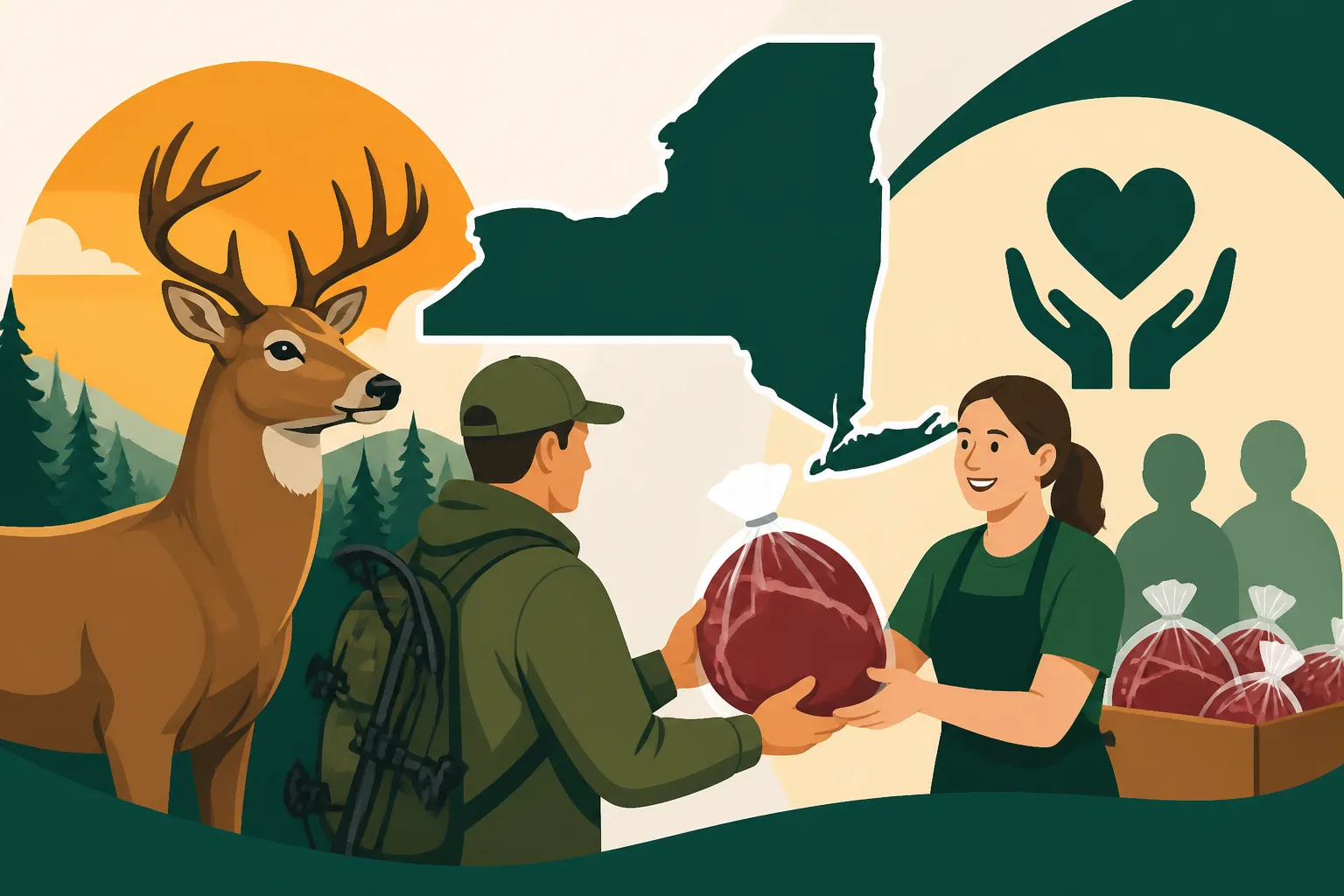
After a successful hunting season, or perhaps a particularly productive day with a much-coveted Deer Management Permit in hand, you might find yourself with more venison than your freezer can comfortably hold. It's a wonderful problem to have, but it can leave you wondering how to make sure every ounce of that hard-earned protein goes to good use. This guide will walk you through the process of donating venison in New York, transforming your successful hunt into a meaningful contribution to your community.
Why Donate Venison in New York?
There are so many fantastic reasons why hunters choose to donate their venison, and it goes far beyond simply clearing out freezer space. It’s a chance to give back, to be a part of a larger community effort, and to truly honor the animal you’ve harvested by ensuring its meat nourishes others.
Addressing Food Insecurity Locally
Let's face it, hunger is a real issue right here in our New York communities, often in places you might not even realize. Food banks and pantries work tirelessly to provide nutritious meals to families and individuals who are struggling. When you donate venison, you're not just giving them any meat; you're providing lean, organic, high-quality protein that can be incredibly difficult for these organizations to source. Imagine the impact your deer can have, bringing healthy meals to tables that might otherwise go without. It's a deeply satisfying feeling, knowing your passion for hunting can directly alleviate local food insecurity. It's a way to directly connect your outdoor pursuits with tangible support for your neighbors.
Making the Most of Your Harvest
Many of us hunt for meat first and foremost. But sometimes, especially with the opportunities afforded by New York Deer Management Permits Explained and the ability to get Filling Extra DMPs in Unlimited WMUs, we might find ourselves with multiple deer in a season. While we love venison, there's only so much an individual family can consume. Donating venison ensures that every animal harvested contributes fully. It's a powerful way to reduce waste and maximize the bounty of your hunting efforts. Instead of feeling pressured to eat venison for every meal or, worse, letting some go to waste, donation allows you to extend the benefit of your hunt far beyond your own kitchen. It truly honors the animal by ensuring its life wasn't taken in vain, and its meat serves its ultimate purpose.
Supporting Wildlife Management Efforts
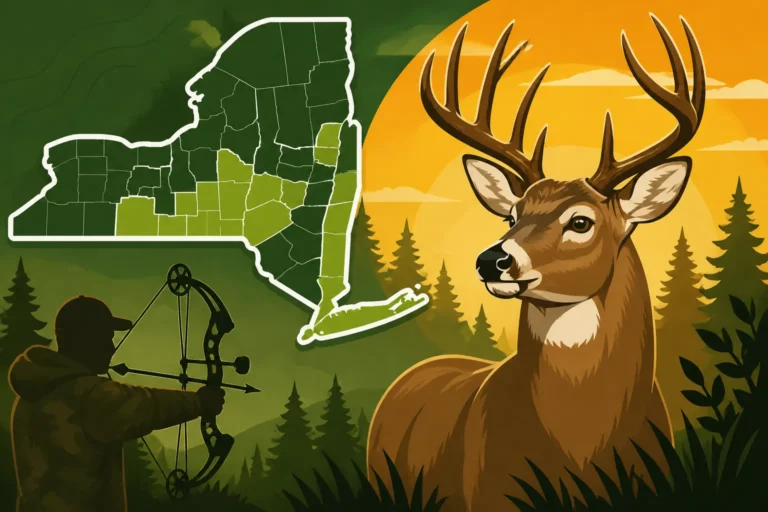
New York's deer population is robust in many areas, and hunting plays a critical role in managing herd health and preventing overpopulation. By participating in regulated hunting seasons, you are already contributing to sound wildlife management. When you then take the additional step of donating your venison, you're amplifying that contribution. It encourages responsible hunting practices and highlights the positive impact hunters have on both wildlife and human communities. It’s a full-circle approach: you help manage the herd, you provide food, and you demonstrate the conservation ethic of hunters. This helps reinforce the vital role hunters play in the broader ecological picture, especially when you think about the statewide New York Deer Population Estimate.
How New York's Venison Donation Programs Work
Navigating the specifics of venison donation can feel a bit daunting at first, but thankfully, New York has programs and a network of dedicated individuals who make it possible. Understanding how these systems operate is key to a smooth and successful donation experience.
The Role of Charitable Organizations
Across New York, there are amazing charitable organizations, often under the umbrella of broader "Hunters for the Hungry" type initiatives, that act as the vital link between hunters and those in need. These groups partner with local deer processors and food banks. They manage the logistics, ensuring that donated venison meets health and safety standards, is properly processed, and then distributed efficiently to soup kitchens, food pantries, and other charitable organizations. They are the backbone that makes these donations possible, handling everything from coordinating with processors to distributing the finished product. Without their tireless work, the process would be far more complicated for individual hunters and food providers alike.
Hunter Responsibilities and Regulations
As the hunter, your role in the donation process starts long before you ever consider dropping off a deer. It's paramount that any deer you intend to donate has been legally harvested, properly tagged, and reported according to New York State regulations. This means ensuring you have the correct New York Hunting Licenses and What They Cost and all necessary permits. You must accurately Reporting a New York Deer Harvest Online after taking the animal.
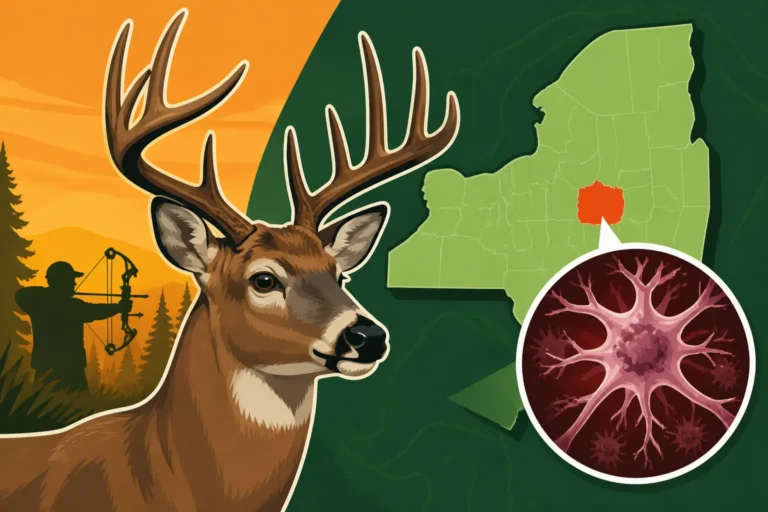
It's also crucial to be aware of any special regulations, such as those related to New York's Chronic Wasting Disease Containment Area. In areas with specific disease concerns, there might be additional testing requirements or restrictions on carcass movement, all of which are designed to protect both the deer herd and the food supply. Always check the latest New York Department of Environmental Conservation (DEC) guidelines or speak with a representative from the donation program about any specific local rules that might apply to your harvest.
Financial Considerations for Hunters
One of the biggest questions hunters have, and a valid frustration, is about the cost of processing donated venison. In many venison donation programs, the hunter is asked to cover the processing fees. While this might seem like an extra expense, remember you're getting high-quality, professionally packaged meat that will feed dozens, if not hundreds, of people. The exact cost will vary by processor and can depend on how much meat is yielded and how it’s packaged.
Some programs, however, work hard to raise funds to help subsidize these processing costs, or even cover them entirely, making it easier for more hunters to participate. It's worth inquiring about potential financial assistance when you contact a donation program or processor. Even if you do bear the cost, think of it as a direct investment in your community – a small price to pay for the immense good it accomplishes. Consider it another way your hunting dollars are put to work.
Preparing Your Harvest for Donation
The quality of the donated venison is paramount. Food banks and the recipients rely on clean, healthy meat, and that starts with how you handle your harvest from the moment it hits the ground. Improper handling can unfortunately lead to a processor rejecting your deer, which is a disappointing outcome for everyone involved.
Proper Field Dressing is Crucial
This can't be stressed enough: excellent field dressing is the first and most critical step in preparing your deer for donation. Immediately after harvest, you need to field dress the animal cleanly and efficiently to cool the carcass rapidly. Remove all entrails, ensure no digestive material contaminates the meat, and wipe out the body cavity as thoroughly as possible. The goal is to minimize bacterial growth.
This is especially important during warmer early-season hunts, but even in colder weather, proper cooling is key. For tips on how to handle a deer in chilly conditions, refer to Field Dressing a Deer in Cold Weather. Any sign of spoilage, heavy contamination, or trauma that has extensively damaged the meat will likely result in the processor turning it away. Take your time, be meticulous, and remember that this meat is going to feed people.
Transporting Your Deer Safely
Once field dressed, the deer needs to be transported to the processor safely and hygienically. Avoid dragging it long distances over abrasive surfaces that can tear hide and introduce dirt or debris into the meat. If possible, transport it in a clean truck bed, on a sled, or in a game bag to keep it off dirty surfaces. Never transport a deer inside the passenger compartment of your vehicle where it can contaminate surfaces or warm up too quickly.
Keeping the carcass cool during transport is equally vital. If it's a warm day, consider covering the deer with a tarp to shield it from direct sunlight, and if possible, place ice packs or bags of ice inside the body cavity, ensuring the melting ice can drain away. The goal is to get that deer to the processor as quickly as possible, maintaining its temperature as low as reasonably achievable.
When to Butcher Versus Whole Carcass
Most venison donation programs and their partner processors strongly prefer to receive a whole, field-dressed carcass. This allows them to perform their own butchering process consistently, ensuring all cuts meet their standards and are handled according to food safety guidelines. If you bring in an animal that has already been butchered, even partially, there's a higher chance it could be rejected due to unknown handling conditions, cross-contamination risks, or simply not fitting their operational flow.
However, if you're an experienced hunter and processor and have a very clean, well-chilled, quartered deer, it might be worth asking the specific processor you plan to use if they would accept it. But generally, the safest bet for donation is to present a whole, field-dressed deer. If you're looking to hone your skills for personal use, you can learn more about Butchering a Deer at Camp, but for donation, it's best to leave that step to the professionals.
Finding a Donation Processor Near You
Once you've made the decision to donate and have your properly handled deer, the next hurdle is finding a processor that participates in a venison donation program. This can sometimes be the trickiest part, especially in rural areas where options might be limited.
Identifying Participating Butchers
The most direct way to find a participating butcher is often through the charitable organizations that run venison donation programs in New York. These groups will have established lists of processors they work with. Check their websites, or give them a call. Local hunting clubs, conservation groups, or even your regional New York DEC office can also be excellent resources for connecting you with donation-friendly processors. Don't be shy about asking around in your hunting community; word-of-mouth is powerful among sportsmen and women. Often, the processors are local, family-owned businesses that understand the importance of community support and hunters' generosity.
Utilizing Online Resources and Local Networks
In today's digital age, online maps and directories can be incredibly helpful. While there might not be a single comprehensive map of all venison donation processors, tools like the GoHunt app can be useful for scouting general areas or identifying potential meat processors, even if they aren't explicitly listed as donation partners. You can then cross-reference these with known donation programs or call the processors directly. The GoHunt app, for instance, might help you identify local businesses or even connect you with community forums where hunters share information about local services.
It's a good idea to search for "venison donation New York" along with your county or region. Often, local hunting forums or Facebook groups dedicated to New York hunting are treasure troves of information, where fellow hunters can recommend specific butchers or point you toward active donation drives. Checking the New York DEC website is also essential, as they often list information or links to approved donation programs. This kind of research is similar to how you might use Scouting With the New York HuntFishNY App to find hunting spots; it's about leveraging technology to find the resources you need.
Dealing with Limited Local Options
It’s a common frustration: you're ready to donate, but the closest participating processor is an hour or more away. This is a very real challenge, particularly for hunters in more remote parts of New York, such as those who might be hunting New York State Forest Hunting land far from population centers. Don't let this discourage you!
Sometimes, reaching out to other hunters in your area through local clubs or online groups can lead to a solution. Perhaps a few hunters can coordinate their harvests and transport multiple deer to a processor together, splitting the fuel costs. Or, if you know you'll be taking a deer early in the season, you might plan a trip that combines hunting in areas like Hunting Southern Tier Farmland Deer with a longer drive to a processor in a more populated region. It takes a little extra planning, but the reward of knowing your venison is going to a good cause is well worth the effort. Always call ahead to the processor to confirm their current operating hours, specific donation requirements, and capacity, especially during peak hunting season.
| Question | Answer for New York Venison Donation |
|---|---|
| Who accepts donated venison? | Charitable organizations (e.g., "Hunters for the Hungry" type programs) partner with local, licensed meat processors and distribute to food banks. |
| What does it cost the hunter? | Hunters typically pay processing fees. Some programs may offer subsidies or cover costs; inquire when you contact them. |
| What condition must the deer be in? | Field-dressed, clean, and well-cooled. Minimal damage, no signs of spoilage. Most programs prefer a whole carcass. |
| Are there CWD restrictions? | Yes, especially in designated areas. Always check current New York DEC regulations and program specifics for testing or carcass movement. |
| Where do I find a processor? | Contact donation programs directly, check the New York DEC website, local hunting clubs, or use online resources like GoHunt to find general processors and then inquire about donation. |
| Can I donate any type of deer? | Generally, any legally harvested deer. Check with the program if there are specific antler point restrictions or other local rules that might affect acceptance. |
| How much meat does a deer yield? | Varies by size and processing, but a typical adult whitetail can yield 30-60 pounds of boneless meat, feeding many people. |
Disclaimer
This article is for general informational purposes only and does not constitute professional advice. Laws, prices and regulations vary by location and change over time. Consult a qualified professional for guidance on your specific situation.