Black Ducks on the Atlantic Flyway
For many New York waterfowl hunters, the black duck represents a true prize—a wary, intelligent bird that doesn't suffer fools lightly. Unlike their often more gregarious mallard cousins, black ducks present a unique challenge, demanding keen observation, meticulous concealment, and a deep understanding of their behaviors along the Atlantic Flyway. This guide will help you unravel the mysteries of these magnificent birds, offering insights into their migration, preferred habitats, and effective hunting strategies within New York State.
The Elusive Black Duck and Its Appeal
Black ducks have a special place in the hearts of many waterfowlers. They’re often seen as a symbol of wildness, a bird that hasn't become as accustomed to human activity as some other dabblers. This wariness is what makes them so appealing; harvesting a black duck often feels like a testament to a hunter's skill and patience. There’s a quiet satisfaction in outsmarting a bird known for its sharp eyes and cautious nature, especially when you consider how long they’ve been a part of the Northeast’s sporting heritage.
Why Black Ducks are a Special Challenge
Hunting black ducks is a masterclass in subtlety. These birds are notoriously wary, quick to spot anything out of place, and even quicker to flare at the slightest hint of danger. They don't decoy as readily as mallards, often circling high, meticulously inspecting every detail of your spread and blind before committing. This means your setup has to be flawless, your calling nuanced, and your patience endless. Many a hunter has watched a flock of black ducks peel off at the last second, leaving them wondering what they did wrong. It’s this consistent challenge that keeps us coming back, honing our craft, and striving for that perfect scenario that finally brings them into range. The satisfaction of dropping a black duck isn’t just about the bird itself, but the journey of earning that opportunity.
Identifying Black Ducks in the Field
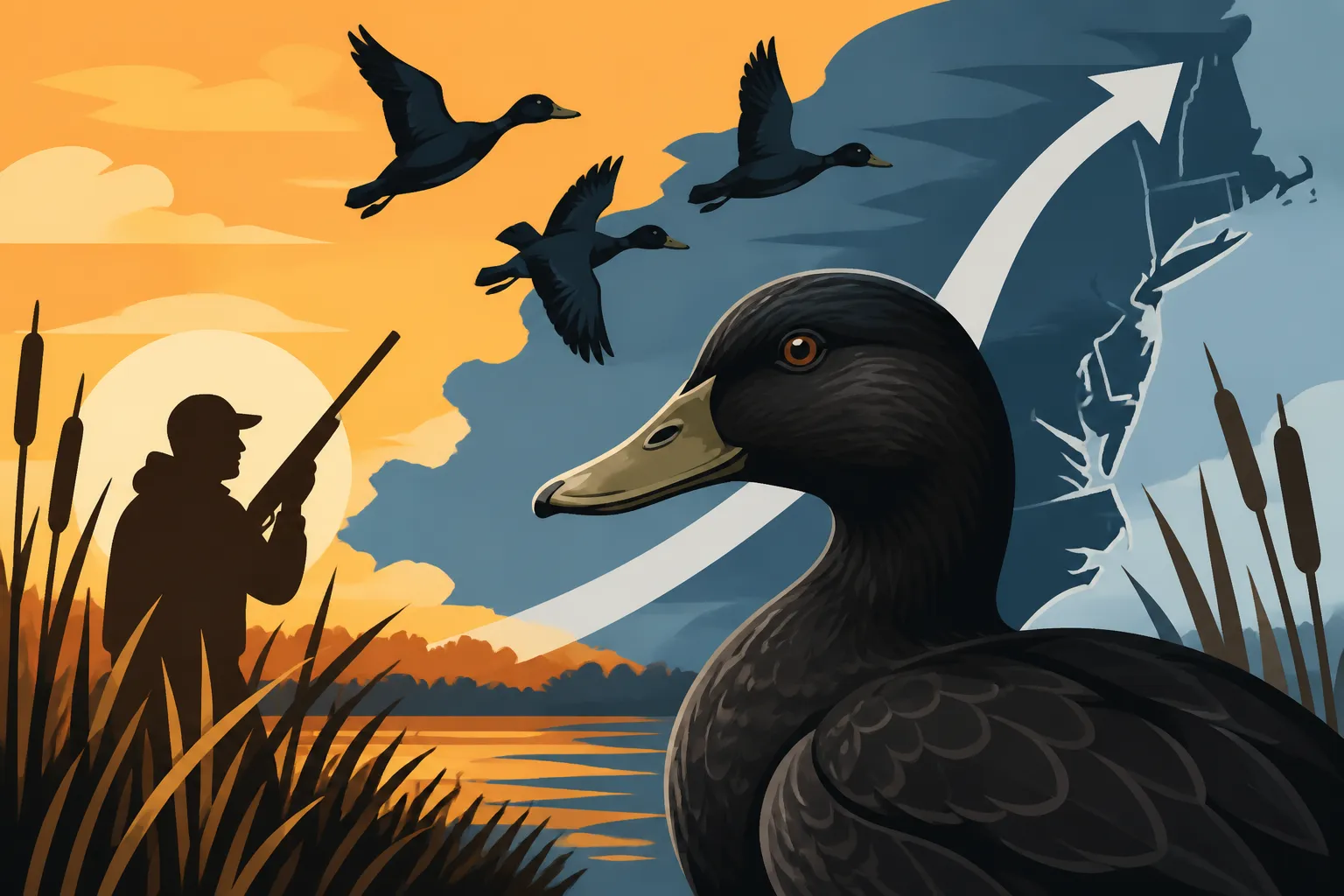
Distinguishing black ducks from other waterfowl, especially in low light or at a distance, is crucial for responsible hunting and ensuring you stay within bag limits. Their plumage is a deep, sooty brown, almost black, with a lighter, silvery-white underwing visible in flight, which is often the most definitive field mark. Unlike mallards, drakes and hens look very similar, making sex identification more challenging. They typically lack the vibrant green head of a mallard drake, having a dark cap and a lighter, grayish-tan face with a distinct dark eye stripe. Their bill is yellowish-green on males and duller, more olive-gray on females. Pay close attention to these subtle cues when birds are cupped and coming into your spread. In mixed flocks, they often fly a bit faster and more erratically than their mallard counterparts, adding to the challenge of a quick identification on the wing. Being able to correctly identify a black duck rapidly is a skill developed over seasons, but it’s a vital one for every waterfowl hunter.
Understanding the Atlantic Flyway Migration for Black Ducks
The Atlantic Flyway is a superhighway for migratory birds, and black ducks are a significant part of its avian traffic. Their movements are influenced by a complex interplay of weather patterns, food availability, and hunting pressure from their breeding grounds in Canada down to their wintering areas along the Atlantic coast. For New York hunters, understanding these migration patterns isn't just academic; it's essential for predicting when and where to find birds. As temperatures drop further north, black ducks are pushed south, often staging in specific areas before making longer flights. This creates key windows of opportunity for hunters who are paying attention to the weather maps and local reports. The journey of these birds is a testament to nature's enduring cycles, and we, as hunters, are privileged to be a small part of it, albeit with a focus on ethical harvest.
Key Migration Corridors Through New York
Within New York, black ducks tend to follow specific pathways as they traverse the state. The major river systems, like the Hudson River and the St. Lawrence River, act as natural funnels, providing both navigation points and crucial resting and feeding areas. Similarly, the Finger Lakes region and the vast marshlands along the Great Lakes, such as those bordering Lake Ontario and Lake Champlain, are critical staging grounds. These areas offer abundant food sources and relative sanctuary, especially during periods of heavy hunting pressure elsewhere. Coastal areas, particularly the long island sounds and salt marshes, become increasingly important as the season progresses and freshwater freezes over. If you're looking to intercept these birds, studying a map and identifying these natural corridors and bodies of water is your first step. Understanding where they're likely to concentrate can save you countless hours of scouting in less productive areas. Utilizing tools like GoHunt can also help you identify these specific corridors and their relation to public access points, giving you a distinct advantage in your scouting efforts.
Timing the Black Duck Migration in Different New York Zones
Timing is everything when it comes to intercepting black ducks. New York's diverse geography means migration timing can vary significantly across its hunting zones. In the Northern Zone, where cold weather arrives earlier, black ducks typically show up in good numbers from mid-October through November, often before widespread freeze-up pushes them further south. Hunters in this zone might find good opportunities on smaller rivers and beaver ponds before they lock up. For those hunting in the New York Waterfowl Hunting by Zone areas, paying attention to early cold fronts from Canada is crucial.
As you move into the Southern Zone, especially around the Great Lakes and Finger Lakes, peak migration often occurs from late October through December. These larger, deeper bodies of water stay open longer, offering refuge. Finally, along the coast, particularly the Hunting the Long Island Salt Marshes, black ducks will concentrate later into the season, sometimes well into January, as inland waters freeze solid. They rely heavily on the brackish and saltwater environments during these colder months. Keeping an eye on weather forecasts and understanding how major cold snaps up north will push birds down the flyway is key. The availability of food and open water are the primary drivers of their movements, so a keen hunter is always monitoring these conditions. For specific season dates, always refer to the official New York Waterfowl Zones and Seasons information.
Preferred Habitats and Feeding Behavior in New York
Black ducks are incredibly adaptable, but they certainly have their preferred haunts. Their habitat selection often comes down to two main factors: food availability and security. They're not just looking for a place to land; they're looking for a place where they can feed undisturbed and feel safe from predators, including hunters. This often means less accessible areas or spots with plenty of natural cover. Understanding these preferences is paramount to finding where they want to be, and thus, where you should be setting up.
Salt Marshes and Coastal Estuaries
These coastal environments are prime black duck territory, especially as the hunting season progresses and inland waters begin to freeze. Areas like the tidal marshes of Long Island and the Hudson Valley offer a rich buffet of food sources that remain accessible even in cold weather. Black ducks will gorge on small mollusks, crustaceans, marine worms, and the seeds of various marsh grasses and sedges. They are particularly fond of the seeds of saltmarsh cordgrass and three-square rush. These areas also provide excellent cover in the form of dense cattails, phragmites, and other marsh vegetation, giving these wary birds a sense of security. Hunters targeting these areas will often employ layout blinds or brush in existing cover along tidal creeks or points. The tides play a massive role here; knowing when the water is pushing food into accessible areas or receding to expose mudflats is a critical piece of the puzzle. Being able to hunt these dynamic environments effectively requires a different approach than hunting freshwater potholes, often involving specialized gear like Waders for New York Marsh Hunting and a keen awareness of the lunar cycle.
Inland Rivers, Potholes, and Agricultural Fields
While famous for their coastal preferences, black ducks are no strangers to inland waters. During the early and mid-season, they can be found on larger rivers, secluded beaver ponds, and even small, quiet potholes, especially those surrounded by thick cover. These areas provide insect larvae, aquatic vegetation, and seeds. As corn and soybean fields are harvested, black ducks will also utilize flooded agricultural fields, much like mallards, to feed on waste grain. This shift to agricultural lands typically occurs during colder periods when natural aquatic food sources become scarce or inaccessible due to ice.
However, their approach to these inland spots is often more cautious than other ducks. They prefer quieter, less disturbed areas. A small, overgrown pond tucked away from roads and houses might hold a few black ducks, while a bustling public lake might only see them passing high overhead. Scouting these out-of-the-way places is crucial. Sometimes, a field that sees constant mallard traffic might also attract a few black ducks if there's enough concealment nearby. Hunters should always remember that black ducks will prioritize security, even over the richest food source, meaning you might find them on a less food-rich but more secluded pond rather than a wide-open, heavily hunted cornfield.
| Habitat Type | Primary Food Sources | Hunting Strategy Considerations | Key Timeframe (New York) |
|---|---|---|---|
| Salt Marshes & Estuaries | Mollusks, crustaceans, marine worms, marsh grass seeds | Tidal influence, excellent concealment, specialized gear | Mid-late season |
| Large Rivers | Aquatic vegetation, insect larvae, waste grain from banks | Scouting roosting/feeding patterns, boat blinds, river access | Early-mid season |
| Secluded Potholes | Aquatic plants, insects, small fish | Walk-in access, natural blinds, minimal decoy spreads | Early-mid season |
| Flooded Crop Fields | Waste corn, soybeans, wheat | Layout blinds, heavy full-body decoy spreads, field edge cover | Mid-late season (post-harvest) |
Tactics for Hunting Black Ducks in New York
Successfully hunting black ducks demands a blend of careful planning, precision, and adaptability. These aren't birds you can just stumble into consistently. Every aspect of your hunt, from the decoys you set to how you conceal yourself, needs to be executed with their renowned wariness in mind. It's often the small details that make the biggest difference, and experienced black duck hunters know that cutting corners will almost always result in a frustrated, birdless morning.
Decoy Spreads and Calling Strategies
When it comes to decoys for black ducks, less is often more, and realism is paramount. A spread of a dozen lifelike black duck decoys, perhaps with a few mallards to add a sense of normalcy, can be more effective than a massive, jumbled spread. Black ducks are often solitary or travel in smaller groups, so a crowded spread might actually deter them. Consider using feeding decoys to convey a sense of security, and place them with an open landing zone where the birds can approach against the wind. Sometimes, a single spinning wing decoy placed slightly away from the main spread can catch their eye, but overuse can make them wary.
Calling for black ducks is also a delicate art. While they will respond to mallard-like quacks, they tend to be quieter and more subtle. Overcalling can quickly put them on edge. A soft, contented hen call, or a series of quiet greeting calls, is often more effective than aggressive hail calls. Listen to the birds themselves; often, a few soft quacks from a contented hen are all it takes to convince them. A good resource for understanding duck behavior is the information available on New York Mallard and Black Duck Numbers, as their interactions can often inform calling strategies. Remember, the goal is to make your spread look like a safe, inviting spot, not a high-pressure zone.
Blind Placement and Concealment for Wary Birds
Concealment is non-negotiable when hunting black ducks. These birds have incredible eyesight, and they will pick out the slightest unnatural edge or movement. Whether you're in a permanent blind, a portable layout blind, or simply brushed into natural cover, the key is to blend seamlessly with your surroundings. Take the extra time to gather local vegetation—reeds, cattails, branches—and meticulously brush in your blind. Pay attention to your silhouette against the sky; a dark blind against a light background is a dead giveaway.
Positioning your blind is also crucial. Try to set up with the sun at your back, if possible, to make it harder for the ducks to see you. Consider prevailing winds; black ducks, like most waterfowl, will want to land into the wind, so position your blind to allow for a good shot as they approach. Many hunters fail by placing their blind too close to the decoys, forcing birds to flare right overhead. Giving them a bit of space, allowing them to swing wide, often provides a better, more relaxed approach. Even small details, like keeping your face obscured with a mask or face paint, and minimizing movement, are critical. Always prioritize complete concealment, even if it means sacrificing a perfect view. For information on specific hunting regulations and general tactics, referring to resources like New York Waterfowl Hunting by Zone can provide valuable context.
Understanding Hunting Pressure and Its Impact
Black ducks are acutely sensitive to hunting pressure. Areas that see frequent hunting activity will often become barren of black ducks surprisingly quickly, as these intelligent birds will simply move to more secluded or undisturbed locations. This means that if your favorite spot has been hammered by other hunters, you might need to find a new approach or a new location entirely. This can be frustrating, especially when you've put in the time to scout a particular area.
One strategy is to target areas that are harder to access, such as remote marshes, deep woods potholes, or sections of rivers that require a long walk-in or a boat. These "hard-to-reach" spots often hold less-pressured birds. Another tactic is to hunt mid-week when fewer people are out, or to change up your hunting times, perhaps focusing on mid-morning flights after the initial morning rush. When hunting pressured birds, being extra subtle with your calling, using smaller, ultra-realistic decoy spreads, and ensuring your concealment is absolutely impeccable becomes even more important. Hunters who learn to adapt to and anticipate pressure will consistently find more success with black ducks.
Conservation Concerns and Management Efforts
As hunters, we have a vested interest in the health of waterfowl populations, and black ducks are no exception. Their populations have faced challenges over the years, and understanding these issues and the ongoing conservation efforts is a vital part of responsible hunting. It's not just about the thrill of the hunt; it's about ensuring these magnificent birds thrive for generations to come.
Population Trends and Challenges
Historically, black duck populations have seen some declines, raising concerns among biologists and hunters alike. Habitat loss, particularly the degradation of coastal marshlands and wetlands, has been a significant factor. Competition and hybridization with mallards have also been identified as potential issues. While black duck numbers have shown signs of stabilization in recent years, they are still closely monitored, and bag limits are often more conservative than for other common dabblers.
Factors like fluctuating breeding success due to weather patterns on their northern breeding grounds, and predation pressure on nests and ducklings, also play a role. Understanding these complex challenges helps us appreciate why specific regulations, such as those related to New York Duck Zone Boundaries and New York Waterfowl Zones and Seasons, are put in place. It’s a constant balancing act for wildlife managers to ensure sustainable harvest while promoting population growth. Hunters contribute directly to these efforts through license fees and the purchase of migratory bird stamps, funds which are channeled back into habitat conservation.
Hunter's Role in Black Duck Conservation
Hunters are, without a doubt, among the most dedicated conservationists. Every time you purchase a hunting license, migratory bird stamp (like the New York Federal Duck Stamp Requirement), or participate in a voluntary program, you're contributing financially to habitat protection and restoration efforts that benefit black ducks and countless other wildlife species. Additionally, responsible hunting practices are crucial. This includes accurately identifying your target before shooting, sticking to legal bag limits, and making every effort to retrieve downed birds. This is where using effective Waterfowl Loads for New York Divers (or dabblers) and observing Where Nontoxic Shot Is Required in New York comes into play, ensuring a clean kill and reducing environmental impact.
Beyond direct financial contributions, hunters are often the first to notice changes in local populations or habitat health. Reporting unusual sightings, participating in surveys, or simply being an informed advocate for wetland conservation are all ways that hunters play a direct role. Organizations like Ducks Unlimited, Delta Waterfowl, and local conservation groups are doing incredible work, and hunter involvement, whether through volunteering or membership, amplifies these efforts. The future of black ducks, and all waterfowl, depends on continued vigilance and active participation from the hunting community. Being a hunter means being a steward of the land and its creatures, a responsibility we carry with pride.
Disclaimer
This article is for general informational purposes only and does not constitute professional advice. Laws, prices and regulations vary by location and change over time. Consult a qualified professional for guidance on your specific situation.