Lewis County Tug Hill Public Ground
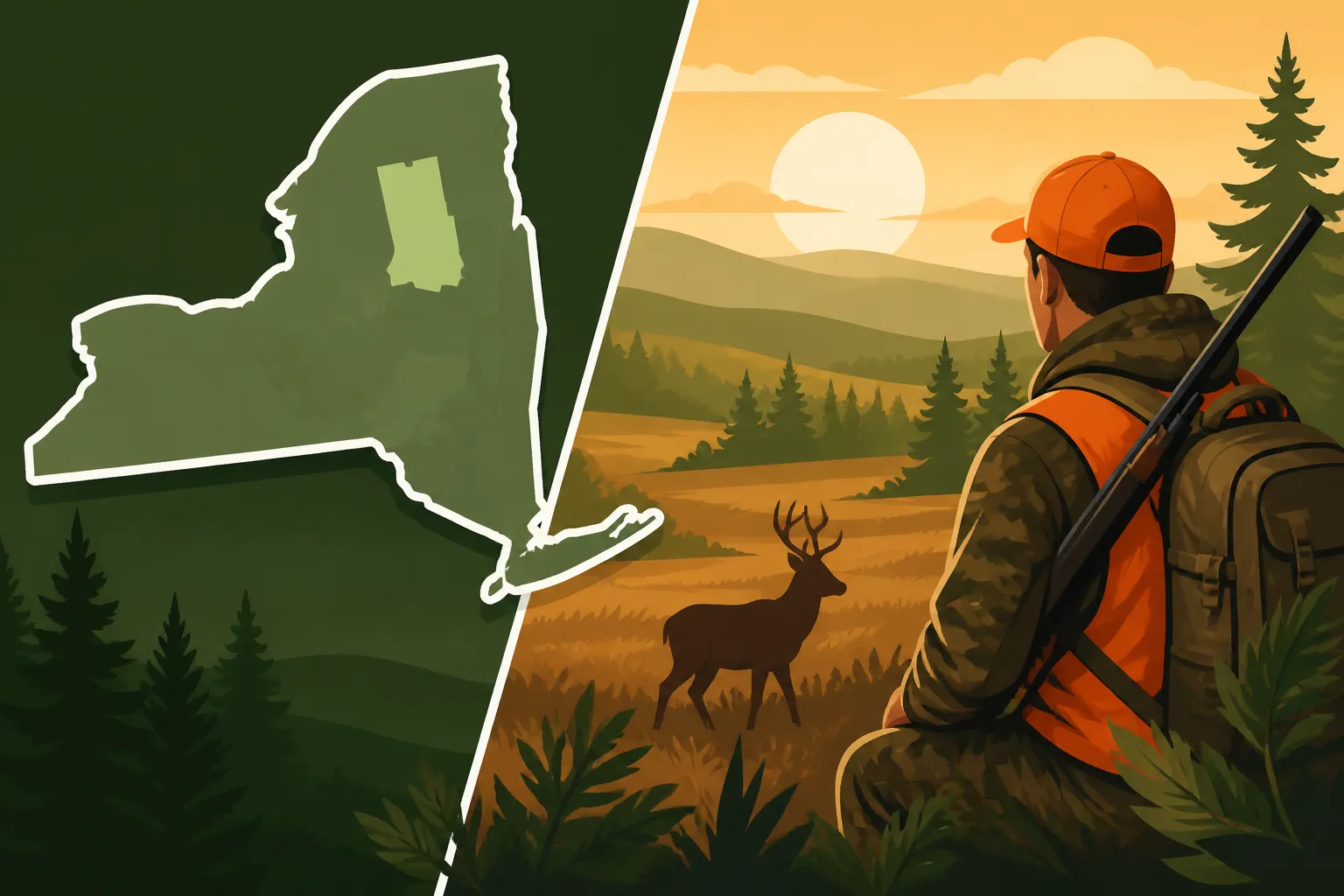
Finding quality public hunting land in New York can sometimes feel like trying to locate a needle in a haystack, especially when you're looking for areas that offer both solitude and game. Lewis County, often overlooked by hunters flocking to the Adirondacks or Catskills, holds a fantastic secret in its segment of the Tug Hill Plateau. This guide will walk you through the unique opportunities and challenges of hunting the public ground within Lewis County's Tug Hill, helping you prepare for a truly rewarding experience in one of New York's wilder corners.
The Unique Landscape of Lewis County's Tug Hill
The Tug Hill Plateau isn't just a place; it's an experience. Known for its legendary snowfalls and rugged, remote character, Lewis County's portion of this plateau offers a distinct hunting environment unlike many other regions in New York. If you're picturing rolling hills and open hardwoods, you're only seeing part of the picture. This is a land of contrasts, where deep forests meet vast swamps, and harsh winters shape everything.
Understanding the Tug Hill Plateau's Climate and Terrain
The most defining characteristic of the Tug Hill Plateau is its weather, particularly the lake-effect snow that can bury it under feet of white stuff each winter. This isn't just a minor inconvenience; it fundamentally dictates game movement, hunter access, and survival strategies. While the hunting seasons here start in milder conditions, the firearm and muzzleloader seasons can quickly transform into a true wilderness test. The terrain itself is generally flat to gently rolling, but it's often wet, with numerous swamps, bogs, and drainages that can be difficult to traverse. This mosaic of wet and dry ground creates a diverse range of microhabitats within the larger forest.
Beyond the snow, the plateau experiences significant temperature swings. Early archery season might see warm, humid days, while late firearm season can plummet into single-digit temperatures with biting winds. This variability means hunters need to be prepared for anything, often carrying layers that can adapt to rapid changes. The sheer remoteness in some areas, coupled with the challenging weather, means you're often hunting far from immediate help, demanding a higher level of self-sufficiency and preparation. It's a place that rewards the dedicated and well-equipped.
Forest Types and Habitat on Lewis County Public Ground
The public lands in Lewis County's Tug Hill are primarily a mix of northern hardwood forests, conifer stands, and substantial wetland areas. You'll find expansive tracts of beech, maple, and birch, which provide critical food sources like beechnuts and browse for deer and bear. These hardwoods often feature dense undergrowth, especially in younger regeneration areas or where logging has occurred, creating excellent bedding and thermal cover. Timber Cuts and Where Deer Move After is crucial knowledge here. Interspersed throughout are pockets of hemlock, spruce, and balsam fir, particularly in lower, wetter areas or along stream bottoms. These conifer stands are invaluable for wildlife, providing critical winter cover from the relentless snow and wind, especially for deer.
The wetlands—ranging from vast cedar swamps to smaller beaver ponds and marshy lowlands—are also incredibly important habitats. They act as natural travel corridors, provide unique food sources, and offer sanctuary for various game species. For example, deer will often use the edges of swamps for bedding, particularly during periods of hunting pressure, or seek shelter deep within cedar swamps during severe winter weather. These diverse forest types and wetland systems create a complex tapestry of habitat, supporting a healthy population of game animals. Understanding these distinctions is key to predicting where different species will be throughout the season.
Key Game Species and Their Tug Hill Strongholds
Lewis County's Tug Hill public grounds are prime habitat for several popular game species. White-tailed deer are certainly the primary draw for many hunters. While perhaps not known for the trophy genetics of some Western New York regions, the Tug Hill deer herd is hardy and abundant, offering a challenging yet rewarding hunt. Deer here are often smaller-bodied than their Southern Zone counterparts due to the harsh winters and more marginal habitat, but they make up for it in their resilience and elusiveness. Look for them in areas with good browse, especially near the edges of conifer stands for thermal cover.
Black bears are also a significant presence on Tug Hill. The vast, unbroken forest tracts and abundant natural food sources, like berries and beechnuts, provide ideal bear habitat. Hunters willing to venture deep into the public lands have a good chance of encountering a bear. Small game, such as squirrels and rabbits, are plentiful, especially around mast-producing hardwoods and dense brushy cover. Furthermore, the regenerating forest cuts and alder runs are fantastic for ruffed grouse and American woodcock, making the Tug Hill an underrated destination for upland bird hunters. New York's Black Bear Population has found a strong foothold in these regions.
| Game Species | Primary Habitat Types on Tug Hill | Key Food Sources |
|---|---|---|
| White-tailed Deer | Northern hardwoods, conifer swamps, regenerating cuts | Browse (maple, beech, birch), acorns, beechnuts |
| Black Bear | Large unbroken forests, thick cover, berry patches | Berries, acorns, beechnuts, grubs, succulent plants |
| Ruffed Grouse | Young aspen stands, alder runs, regenerating hardwoods | Buds, catkins, berries, insects |
| American Woodcock | Wet alder thickets, moist sapling stands, bog edges | Earthworms, insect larvae |
| Gray Squirrel | Mature oak and beech stands, mixed hardwoods | Acorns, beechnuts, hickory nuts, conifer seeds |
| Cottontail Rabbit | Thick brush, clearcuts, overgrown field edges, hedgerows | Grasses, forbs, bark, twigs |
Navigating and Accessing Public Hunting Lands in Lewis County
Hunting Lewis County's Tug Hill means embracing a certain level of ruggedness. Many of these public lands aren't manicured parks; they are working forests and wild areas that demand careful navigation and a solid plan for access. It’s easy to get turned around in the vast, similar-looking timber, especially with snow on the ground.
Identifying and Utilizing State Forests and WMAs
Lewis County boasts numerous State Forests and Wildlife Management Areas (WMAs) that are open to public hunting. These include expansive tracts like the Tug Hill State Forest, Black River Wild Forest, and lesser-known parcels managed specifically for timber and wildlife. State Forests are generally managed for multiple uses, including timber harvesting, which often creates excellent early successional habitat that deer, grouse, and other species thrive in. WMAs, on the other hand, are typically managed with a primary focus on wildlife habitat and public recreation, often featuring diverse habitat types and sometimes specific access rules.
It's crucial to consult the New York State Department of Environmental Conservation (DEC) website for specific regulations and maps for each individual property. Some areas might have seasonal road closures, specific parking restrictions, or other unique rules that are important to follow. Knowing the boundaries is paramount; while many areas are well-marked, some can be less clear, especially deep in the woods. Always be sure you know what property you're on to avoid trespassing.
Essential Mapping Tools for Tug Hill Hunters
In an area as vast and often featureless as parts of the Tug Hill, reliable mapping tools are non-negotiable. Forget about relying solely on old-school paper maps; while useful as a backup, digital tools offer a level of detail and real-time tracking that is invaluable. Applications like onX Hunt are incredibly popular for a reason: they provide detailed property lines, topo maps, aerial imagery, and the ability to track your movement and mark points of interest, even without cell service once maps are downloaded. This is particularly important for Finding New York Property Lines when you're deep in state forest land that might border private holdings.
Another great resource is the New York State DEC's own Scouting With the New York HuntFishNY App, which provides digital maps of public lands and boundaries. Having these tools on your phone, coupled with a portable charger, can literally be a lifesaver. Before you even set foot in the woods, use these apps to scout potential access points, identify promising habitat features like swamp edges or old logging roads, and understand the topography. It allows you to create a virtual plan that you can then execute on the ground. For more general scouting insights, even platforms like GoHunt can provide valuable information on game behavior and optimal times to target certain species, which can be adapted to New York's specific conditions.
Tackling Access Challenges, Especially in Winter
Accessing Lewis County's Tug Hill public lands can be challenging, particularly as hunting season progresses into late fall and winter. Many logging roads and seasonal access roads are not plowed and can become impassable once significant snow accumulates. This means hunters often need to be prepared for long walks or consider alternative methods like snowshoes or even snowmobiles to reach remote hunting grounds, where allowed. Always check road conditions before heading out, as getting stuck deep in the woods can be a serious problem.
Parking can also be limited, especially during peak seasons like opening weekend of firearm season. Arrive early, have backup parking locations identified, and always park in a way that does not block gates or private access. During the winter months, Hunting Deer in Deep Tug Hill Snow becomes a unique challenge. The snow can hide obstacles, make dragging game incredibly difficult, and increase the risk of hypothermia. Proper gear, a solid plan, and letting someone know your itinerary are not just good ideas—they are essential safety measures for hunting the Tug Hill in its full winter glory.
Hunting Strategies for Lewis County's Tug Hill Terrain
Successfully hunting the Tug Hill requires strategies tailored to its unique environment. The cover is often thick, the weather can be severe, and the game can be incredibly elusive. This isn't wide-open country hunting; it's about patience, persistence, and understanding the subtle movements of animals in dense habitat.
Deer Hunting Tactics in Deep Snow and Thick Cover
When the Tug Hill is blanketed in deep snow, deer behavior changes dramatically. They will often yard up in conifer stands, particularly cedar swamps, for thermal cover and easier movement. Identifying these wintering areas, or "deer yards," can be a key to late-season success. Travel corridors between these yards and available food sources—which become scarce under heavy snow—are excellent places to set up. Focus on natural funnels, pinch points, and the edges of swamps. Hunting Tug Hill Plateau Deer Yards means looking for the densest cover available, especially hemlock or cedar.
Still-hunting can be very effective in these conditions. The snow muffles your footsteps, allowing for quieter movement, and fresh tracks can lead you directly to deer. Moving slowly, stopping frequently to glass ahead, and paying close attention to wind direction are paramount. Given the thick cover, shots are often close-range, so practice quick target acquisition. If you're with a group, organized Deer Drives With Three or Four Hunters can push deer out of dense cover, but always ensure safety and clear communication. The deep snow also makes Tracking a Deer in Fresh New York Snow much easier, which can be crucial for recovery.
Pursuing Bear in the Remote Tug Hill Wilderness
Bear hunting on Tug Hill public lands is primarily a spot-and-stalk or still-hunting endeavor, as baiting is illegal in New York. This means hunters must rely on their scouting skills and knowledge of bear habits. Focus on areas with abundant natural food sources, especially during the fall when bears are fattening up for winter. Beechnut ridges, oak flats (if present), and berry patches are prime locations. Areas with recent timber cuts often produce lush undergrowth that bears will browse.
Bear activity often peaks during early morning and late evening, but they can be active throughout the day in remote, unpressured areas. Look for fresh sign: scat, tracks, rubbed trees, and overturned rocks. Because Tug Hill is so dense, finding a good vantage point to glass can be challenging, but clear-cuts or logging roads can sometimes offer limited visibility. Patience is key, and covering a lot of ground by still-hunting through prime habitat will increase your odds. Remember, once you harvest a bear, the work truly begins; consider Handling a Bear After the Shot and having a plan for extraction from remote territory.
Upland Bird and Small Game Opportunities
The Tug Hill is a hidden gem for upland bird hunters, particularly for ruffed grouse and woodcock. The mosaic of regenerating forest, alder runs, and conifer patches provides ideal habitat. Grouse will favor younger aspen cuts and dense brushy areas, especially where they can find grit along old logging roads. Woodcock prefer moist, boggy alder thickets near water sources, often found along stream bottoms and beaver flows. Hunting these birds often involves covering a lot of ground, often on foot, sometimes with a good bird dog. Grouse Hunting New York Aspen Cuts can be extremely productive in the right conditions.
For small game like squirrels and rabbits, focus on specific habitat types. Squirrels will be concentrated in mature hardwood stands, especially those with acorn or beechnut production. Look for fresh cuttings under nut trees to confirm their presence. Rabbits prefer dense brush, thickets, and the edges of clearings or old fields. A slow walk through these areas, or even small drives with a partner, can flush them out. The beauty of small game hunting on Tug Hill is that it can often be combined with deer or bear scouting, providing extra opportunities and keeping you engaged while you're out in the woods.
Preparing for a Successful Hunt on Tug Hill Public Ground
Hunting the Tug Hill isn't just about knowing where to go or what tactics to use; it's about being prepared for the environment itself. The extreme weather, rugged terrain, and potential for remoteness demand a higher level of planning and gear consideration.
Gear Essentials for Cold and Wet Conditions
Given the Tug Hill's reputation for deep snow and wet conditions, your gear choices are critical. Layering is paramount: start with good moisture-wicking base layers, add insulating mid-layers like fleece or wool, and finish with a waterproof and windproof outer shell. Wool is an excellent choice for insulation, as it retains warmth even when wet. Wool Versus Synthetics in Wet Snow is a common debate, but wool often wins out in consistently damp and cold environments.
Your footwear is arguably the most important piece of gear. Insulated, waterproof boots that offer excellent ankle support are a must for navigating uneven, often wet, terrain and deep snow. Consider knee-high rubber boots for traversing swamps and bogs. Bringing extra socks is always a good idea. A reliable headlamp, a fire-starting kit, a first-aid kit, and enough food and water for longer than you anticipate being out are also non-negotiables. For carrying your gear and any potential game, a comfortable pack designed for multi-day excursions or substantial loads is beneficial. Packs for a Backcountry Adirondack Hunt often translates well to the Tug Hill, as both areas demand durable and capable carrying systems.
Safety Considerations in Remote and Rugged Territory
The remoteness of some Tug Hill public lands means that safety should always be your top priority. Cell service can be spotty or non-existent in many areas, so don't rely on your phone for emergency communication. A satellite communication device, like a Garmin inReach or a SPOT device, is a wise investment for communicating with the outside world in an emergency. Always let someone know your exact hunting location, your planned route, and when you expect to return. This is especially true if you are hunting alone.
Be mindful of the weather forecast, but also understand that conditions can change rapidly on the Tug Hill. Hypothermia is a real danger in cold, wet conditions. Carry extra dry clothing and know the signs of hypothermia. Being aware of your surroundings and having a good sense of direction is also vital; even with GPS, a compass and map are important backups. Familiarize yourself with basic survival skills, such as building a shelter and starting a fire in adverse conditions. First Aid Kits for Remote Adirondack Ground are essential, as help can be hours away.
Respecting the Land and Other Users
Hunting on public land comes with the responsibility of being a good steward of the resource and a respectful user of the land. Pack out everything you pack in—and then some. Leave no trace of your presence. Respect designated wilderness areas or special use zones that may have different rules. Be mindful of noise, especially during early morning or late evening hours, to avoid disturbing other hunters or local residents.
Sharing the woods is a reality of public land hunting. You may encounter other hunters, hikers, snowmobilers (in season), or cross-country skiers. Be courteous, give others space, and always know your target and what lies beyond it. Wearing blaze orange or blaze pink during applicable seasons is not just a legal requirement but a critical safety measure, even if you think you're alone. The Tug Hill offers incredible hunting opportunities, and by respecting the land and each other, we can ensure it remains a pristine and productive area for generations to come.
Disclaimer
This article is for general informational purposes only and does not constitute professional advice. Laws, prices and regulations vary by location and change over time. Consult a qualified professional for guidance on your specific situation.