New York Trapping License Cost
Figuring out the exact costs and requirements for a New York trapping license can feel like navigating a dense forest without a compass. It’s not always as straightforward as it seems, with different prices for residents, non-residents, and various age groups, plus potential additional stamps. This guide aims to clarify all those details, helping you understand precisely what it takes to get legally set up for trapping in the Empire State, so you can focus on the furbearers and the outdoors, not bureaucratic headaches.
Breaking Down the New York Trapping License Cost
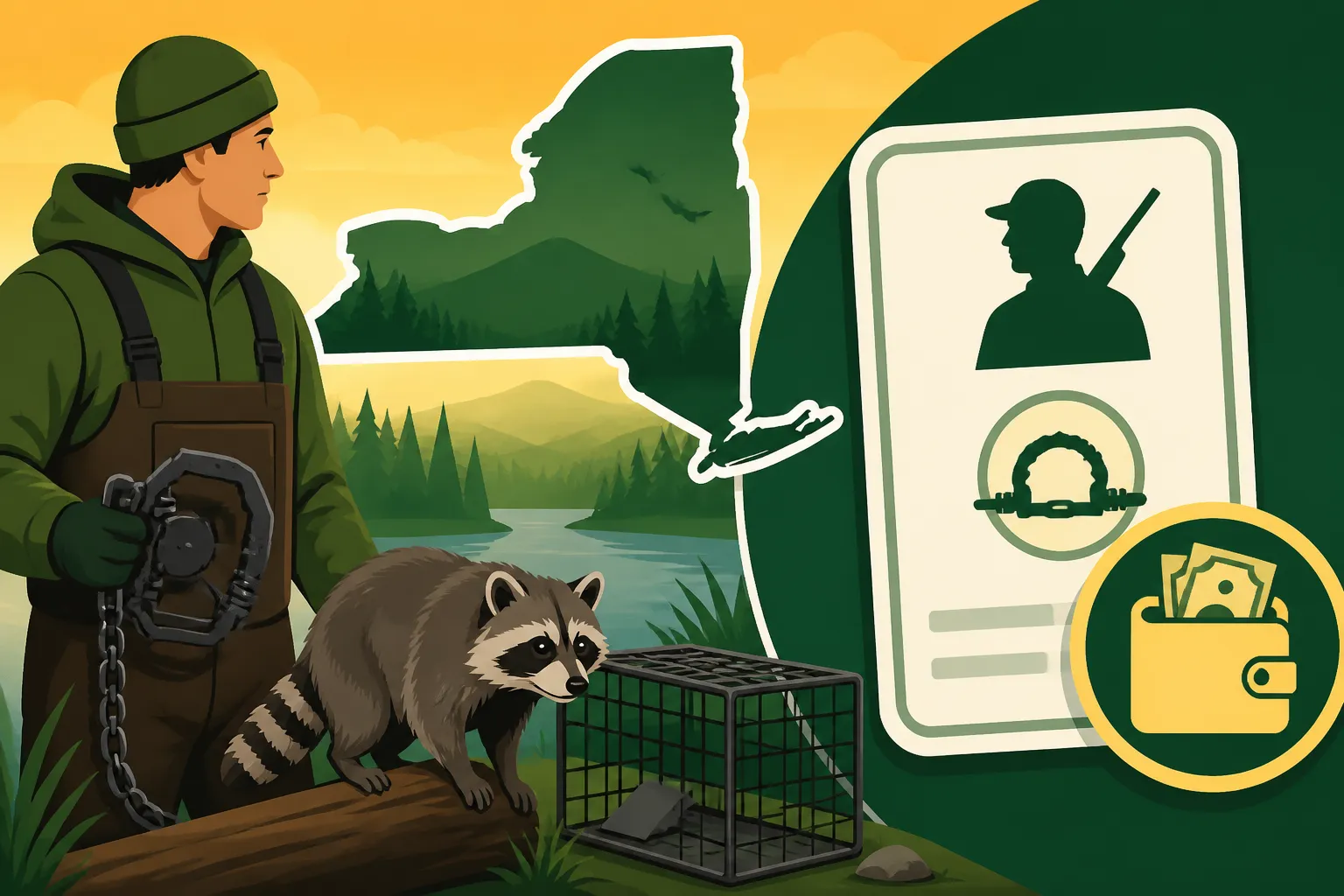
When you're looking to get into trapping in New York, one of the first things you'll realize is that the cost isn't a one-size-fits-all number. The state, through the Department of Environmental Conservation (DEC), sets different price points based on your residency status and age. It's designed to be accessible for residents, especially younger trappers, while requiring a more substantial investment from those coming from out of state.
Resident Trapping License Fees
For New York residents, the cost of an annual trapping license is generally quite reasonable, reflecting the state's interest in supporting its local outdoor community. As of recent updates, an adult resident annual trapping license typically runs around $24. This isn't just a random number; it's a contribution that helps fund the DEC's conservation efforts, wildlife management programs, and public land access initiatives, ensuring that New York's rich natural resources remain healthy for generations to come.
The state also makes special provisions for younger trappers and seniors, encouraging participation across all age groups. A junior trapping license, available for residents aged 12-15, is significantly reduced, usually costing about $5. This low entry barrier is fantastic for getting new blood into the tradition of trapping and teaching responsible outdoor ethics from a young age. Additionally, New York offers discounted rates for senior residents (typically those 70 and older) and qualifying members of the military or disabled veterans. These discounts acknowledge their service and experience, making it easier for them to continue enjoying New York's wild spaces. You can find more comprehensive details on these various options in our guide on New York Resident Hunting License Options.
It's important to remember that these fees can be subject to change, so always check the current New York DEC website or a licensed vendor for the absolute latest pricing before you make your purchase. Don't just assume last year's price is this year's price, especially with the state constantly evaluating its wildlife management funding. Being prepared with the correct amount ensures a smooth transaction and gets you out on the trapline faster.
Non-Resident Trapping License Fees
If you're coming to New York from another state with the intention of trapping, be prepared for a higher price tag. Non-resident trapping licenses are considerably more expensive than those for residents, a common practice across many states to prioritize local participation and ensure non-residents contribute more significantly to the state's conservation budget. A non-resident annual trapping license for adults can typically cost around $275.
This higher fee for non-residents helps balance the impact on New York's furbearer populations and public lands, as out-of-state trappers might not contribute to state taxes that also support these resources. It also reflects the value placed on New York's diverse and abundant furbearer populations, from beaver and muskrat to fox and coyote. For those serious about trapping in New York, this investment is often seen as a necessary part of accessing some truly prime habitat. To understand the different options available, you might want to read our article on New York Nonresident Hunting License Options.
Just like with resident licenses, it's crucial for non-residents to verify the current costs directly with the DEC. Fluctuations can occur, and you want to avoid any surprises. Be aware that non-resident licenses often come with specific identification requirements, such as proof of residency in your home state, so make sure you have all your ducks in a row before attempting to purchase your license. This preparation will save you time and frustration, letting you focus on the excitement of planning your New York trapping adventure.
Additional Permits, Privileges, and Stamps
Beyond the base trapping license, there are sometimes additional permits or stamps you might need, depending on what and where you plan to trap. New York's system is fairly streamlined, but it's always good to be aware of any potential extra costs. For instance, while a trapping license generally covers most common furbearers like raccoons, skunks, foxes, and coyotes, specific regulations might apply to species like bobcats or fishers, which could require special tagging or reporting.
One common additional item that many outdoor enthusiasts purchase is the New York State Habitat & Access Stamp. While not always mandatory for trapping, it's a voluntary stamp that directly contributes to the protection and improvement of fish and wildlife habitat and enhances public access to lands for hunting, fishing, and trapping. It's a small additional cost, typically $5, but it makes a big difference for conservation efforts across the state. Many trappers, dedicated to the sustainability of their pursuit, choose to add this stamp to their purchase, knowing their money directly benefits the resources they enjoy.
It's also worth noting that if you combine trapping with other hunting activities, like deer or turkey hunting, you'll need separate licenses and permits for those. Your trapping license is specifically for taking furbearers via traps. Therefore, if you're planning a full season of diverse outdoor pursuits, make sure you understand the requirements for each activity. For a comprehensive overview of general licensing, check out New York Hunting Licenses and What They Cost.
The Nuts and Bolts of Purchasing Your Trapping License
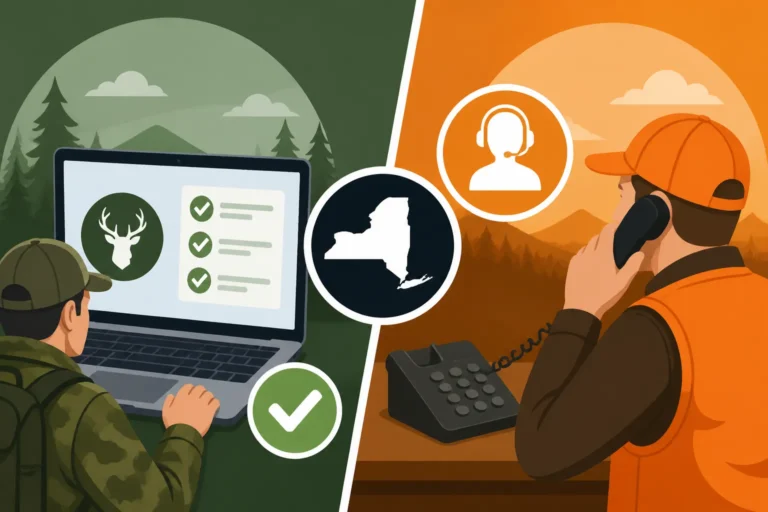
Once you've got a handle on the costs, the next step is actually acquiring your New York trapping license. Thankfully, the New York State Department of Environmental Conservation (DEC) has made the process quite accessible, offering multiple avenues for purchase. Whether you prefer the convenience of online transactions, a quick call, or the personal touch of an in-person visit, you have options that cater to different preferences and situations. Understanding these methods can save you time and ensure you're legally ready for the upcoming season.
Navigating the Online, Phone, and In-Person Purchase Options
The most convenient way for many modern trappers to buy their license is through the DEC's online system, known as HuntFishNY. This portal allows you to purchase your trapping license, any necessary stamps, and even report harvests from the comfort of your home. It's user-friendly and available 24/7, which is a huge bonus if you remember you need a license late at night or on a holiday weekend. You simply create an account, select your desired licenses, pay with a credit card, and you can print your license or save it digitally to your phone. This efficiency is why many trappers, including those using sophisticated planning tools from platforms like GoHunt, prefer this digital route. Our guide on Buying a License Through New York's DEC System provides a detailed walkthrough.
For those who prefer a more direct human interaction or don't have reliable internet access, purchasing by phone is another viable option. The DEC operates a dedicated call center during business hours where you can speak with a representative, provide your information, and have your license processed. While not as immediate as online, it offers the benefit of direct assistance if you have questions or encounter any issues during the process. Just be sure to have all your personal information and payment details ready to ensure a smooth call.
Finally, traditionalists often opt for an in-person purchase at a licensed agent. These agents are typically sporting goods stores, bait shops, town clerks, or other businesses authorized by the DEC to sell hunting and fishing licenses. This method offers the advantage of instant gratification—you walk out with your physical license in hand. It also provides an opportunity to chat with local experts, get current trapping reports, or pick up any last-minute gear you might need. Plus, it's a great way to support local businesses that serve the trapping and hunting community.
Essential Documentation and Information You'll Need
Regardless of how you choose to purchase your New York trapping license, there are certain pieces of information and documentation you'll need to have at the ready. The most fundamental requirement is proof of your identity and residency. For residents, this usually means a New York State Driver's License or non-driver ID. For non-residents, you'll need proof of residency in your home state. This information helps the DEC verify your eligibility for resident or non-resident pricing and ensures accurate record-keeping.
Another critical piece of documentation for new trappers, and often for first-time license purchasers in New York, is proof of hunter or trapper education. New York mandates that anyone born after a certain date (usually January 1, 1949, for hunting, and similar for trapping) must successfully complete a DEC-approved hunter or trapper education course. You'll need to present your certificate number or have it linked to your profile in the DEC system. This requirement emphasizes safety and ethical practices, ensuring all trappers have a baseline understanding of regulations, furbearer identification, and proper trapping methods. If you're new to this, remember to check our guide on New York Hunter Education Requirements well in advance of the season.
Beyond identification and education, be prepared to provide basic personal information such as your full name, date of birth, mailing address, and contact details. It's also helpful to know your DEC Customer ID number if you've purchased licenses in New York before, as this streamlines the process significantly. Having all this information organized before you start the purchase process will make everything flow smoothly, whether you're clicking through an online form or talking to a clerk at a local vendor.
What Your New York Trapping License Empowers You To Do
Acquiring your New York trapping license isn't just about paying a fee; it's about gaining the legal right to participate in a storied tradition and an important wildlife management tool. This license is your official permission slip to pursue various furbearer species across the state, but with that privilege comes the responsibility to understand the specific rules, season dates, and ethical considerations. Knowing precisely what your license covers will prevent misunderstandings and help you plan productive and legal trapping endeavors.
Understanding Covered Species and Season Specifics
Your New York trapping license opens the door to pursuing a wide array of furbearer species found throughout the state. This typically includes common species like raccoons, skunks, opossums, red foxes, gray foxes, and coyotes, which are abundant in many areas. It also covers aquatic furbearers such as muskrats and beavers, which require specific trapping methods and often dedicated sets near water bodies. Each of these species plays a unique role in New York's ecosystems, and regulated trapping helps maintain healthy populations and mitigate conflicts with human interests. You can delve deeper into the types of animals you might encounter in our New York Small Game and Furbearers article.
However, it's crucial to understand that while the general trapping license covers many species, specific regulations apply to certain furbearers or areas. Species like bobcats and fishers, for example, often have more restricted seasons, specific reporting requirements, or even special tagging needs once harvested. These measures are in place to ensure these populations remain robust and are managed sustainably. You'll need to consult the current New York State Trapping Regulations Guide, published annually by the DEC, for precise dates and rules for each furbearer. This guide is your bible for the season, detailing everything from legal trap types to setback distances from occupied dwellings.
Season lengths and bag limits also vary significantly by species and sometimes by region. For instance, muskrat seasons might be quite long in some areas, while beaver seasons could be shorter and have specific quota considerations. Coyotes, often considered a nuisance species due to their impact on deer and livestock, typically have a very liberal, nearly year-round season in most areas, even allowing for night hunting with specific permits. Being meticulous about checking these dates and rules is paramount to ethical and legal trapping. Ignoring these details can lead to fines, confiscation of gear, or even loss of trapping privileges. Our guide on New York Trapping Seasons and Tagging offers a detailed look at these regulations.
Beyond the Catch: Reporting and Ethical Practices
The responsibilities of a New York trapper extend far beyond simply setting and checking traps. A critical component of responsible trapping, and a requirement for certain species, is proper reporting of your harvest. For species like bobcat and fisher, and sometimes bears if taken in a trap (though bear trapping is highly restricted and requires special permits, often for research purposes), you'll need to report your catch to the DEC within a specified timeframe. This data is vital for wildlife biologists to monitor populations, assess harvest impacts, and set future season regulations, ensuring long-term sustainability. Many trappers leverage tools and resources, some of which can be found through communities like GoHunt, to stay on top of these reporting requirements and maintain accurate personal records.
Ethical trapping practices are just as important as legal ones. This includes using humane trap types and sizes appropriate for the target species, checking traps regularly (often within 24 hours) to minimize animal stress, and promptly dispatching caught animals humanely. It also means respecting private property, even if you have permission to trap, and being mindful of non-target species. Modern trapping is highly regulated with an emphasis on animal welfare and selective harvesting. These practices reflect a commitment to conservation and the long-term health of furbearer populations.
Beyond reporting harvests, trappers are also implicitly encouraged to be stewards of the land. This involves avoiding damage to vegetation, leaving no trash behind, and being aware of other outdoor users. Setting traps on public lands, such as those covered in Public Hunting Land in New York or New York State Forest Hunting, requires an extra layer of consideration for hikers, dog walkers, and other recreationalists. Education is key, not just for passing the initial course, but for continuous learning about furbearer biology, advanced trapping techniques, and evolving regulations. The trapping community in New York is rich with knowledge, and experienced trappers are often willing to mentor newcomers, sharing insights that go beyond what's written in any rulebook.
Long-Term Considerations for the Dedicated New York Trapper
Trapping in New York isn't just a seasonal hobby; for many, it's a deep-rooted tradition and a year-round commitment to understanding wildlife and the land. Beyond the initial license purchase, dedicated trappers think about the long game: how to maintain their legal status, how their fees contribute to the ecosystem, and how to continuously improve their skills and knowledge. Understanding these long-term aspects solidifies your place within New York's vibrant outdoor community.
Renewals, Lifetime Options, and Contributing to Conservation
Your New York trapping license, like most hunting and fishing licenses, is typically an annual purchase. This means you'll need to renew it before the start of each new license year, which usually begins around August 1st. Missing this renewal date could mean you're caught unprepared when trapping season opens, so it's a good practice to set a reminder or purchase it well in advance. The online HuntFishNY system makes renewals incredibly easy, often pre-populating your information from previous years, so it's just a matter of a few clicks and a payment.
For those truly committed to trapping for the long haul, New York offers lifetime license options. While the upfront cost is higher, a lifetime trapping license exempts you from annual renewal fees and ensures you're always covered, regardless of future price increases. This can be a significant cost-saver over several decades and a symbol of your dedication to the pursuit. These lifetime licenses also include the various privileges associated with your license type and support the state's conservation efforts for your entire life. It's a fantastic investment for anyone who knows trapping will be a lifelong passion.
Every dollar spent on a New York trapping license, whether annual or lifetime, contributes directly to the state's wildlife conservation programs. These funds are vital for habitat restoration, furbearer research, population monitoring, law enforcement, and providing educational opportunities. When you purchase a license, you're not just buying a piece of paper; you're actively participating in the responsible management of New York's natural heritage. This financial contribution, alongside the ecological role of regulated trapping, highlights the critical connection between trappers and conservation, something that makes New York's management programs so effective for species like those discussed in New York's Black Bear Population and White-Tailed Deer Across New York.
Planning Your Trapping Adventures with Modern Tools
In today's world, being a successful trapper involves more than just knowing how to set a good trap; it also means being smart about how you plan and execute your efforts. Modern tools and resources have revolutionized how trappers scout, navigate, and manage their lines, making the process more efficient and often more successful. Embracing these innovations can significantly enhance your experience on the trapline.
One of the biggest game-changers has been the advent of digital mapping tools and apps. Platforms like GoHunt, for instance, offer detailed satellite imagery, topographic maps, and public/private land boundaries right on your phone or tablet. This allows trappers to scout potential locations for beaver runs, fox crossings, or muskrat dens from home, identifying optimal trap placement spots and entry routes. You can mark waypoints, measure distances, and even check landowner information to ensure you're on legal trapping grounds. This digital reconnaissance saves countless hours of on-the-ground scouting, especially when exploring vast areas like the Adirondack Forest Preserve or various New York Wildlife Management Areas.
Beyond scouting, these tools are invaluable for navigating complex terrain and managing your trapline efficiently. GPS capabilities mean you can pinpoint your trap locations, ensuring you don't miss a set and can find them easily, even in deep snow or thick brush. For trappers running extensive lines, being able to digitally track trap locations and check schedules can be a massive advantage, ensuring compliance with trap check regulations and maximizing efficiency. This blend of traditional knowledge and modern technology truly optimizes the trapping experience in New York. Consider how useful these apps are for tasks like Scouting New York Public Land Before Season.
| License Type | Resident (Annual) | Junior (Resident, Annual) | Senior (Resident, Annual) | Non-Resident (Annual) |
|---|---|---|---|---|
| Trapping License | ~$24 | ~$5 | ~$5 | ~$275 |
| Habitat & Access Stamp (Optional) | ~$5 | ~$5 | ~$5 | ~$5 |
Note: Prices are approximate and subject to change. Always verify current fees with the NYSDEC.
Disclaimer
Please be aware that hunting and trapping regulations, including license costs, can change. It is your responsibility to consult the most current New York State Department of Environmental Conservation (DEC) hunting and trapping regulations guide and website before engaging in any hunting or trapping activities. This article provides general information and should not be considered a substitute for official DEC resources.